

We may earn a commission when you buy through links on this page, at no extra cost to you. Learn more.
Rutherglen wine is best known for its exceptionally rich Australian fortified Muscat and Topaque, alongside powerful dry reds made from Durif and Shiraz. Produced in northeastern Victoria, these wines reflect a warm continental climate, distinctive vineyard soils, and generations of winemaking experience. Understanding the region’s grape varieties, aging classifications, and characteristic flavors makes it easier to choose a bottle for dessert, dinner, or a special occasion.
Rutherglen offers a distinctive alternative to Australia’s better-known wine regions. Its historic fortified wines combine concentrated fruit sweetness with remarkable complexity, while its table wines demonstrate that the region has considerably more to offer than after-dinner pours. Whether exploring a youthful Muscat, a mature Topaque, or a structured Durif, the key is understanding how grape variety, blending, and local conditions shape the finished wine.
Where Rutherglen Is Located and Why Its Climate Matters
Rutherglen is an inland wine region in northeastern Victoria, close to the Murray River and the New South Wales border. Its warm summers, cooling nighttime air, and extended dry autumn contribute to the concentrated flavors that define many of its most recognizable wines.
The region sits approximately 296 kilometers northeast of Melbourne. According to Wine Australia, its Geographical Indication covers approximately 998 square kilometers and contains 781 hectares of vineyards. The surrounding landscape features gentle hills, agricultural land, and river red gums, with vineyards distributed across different soil profiles.
Rutherglen’s continental climate is particularly important for grapes destined for fortified wine production. Summer days are warm and sunny, allowing fruit to ripen thoroughly. At night, cooler air moving down from the foothills of the Victorian Alps helps moderate vineyard temperatures. This contrast between daytime warmth and nighttime cooling supports flavor development while preserving useful natural acidity.
Wine Australia reports a mean January temperature of 23.7 degrees Celsius and growing-season rainfall of approximately 330 millimeters. The long, generally dry autumn provides additional ripening time. This extended season is valuable for Muscat grapes, which need considerable maturity and natural sugar concentration before harvesting.
The region’s soils also contribute to differences between vineyard sites. Three important profiles are:
- Red loam over clay: Common across the central part of the region, this soil holds moisture and supports vines through warm, relatively dry conditions.
- Sandy loam: Found particularly toward the Murray River, this well-draining soil can produce wines with more delicate, floral characteristics.
- Shale and quartz: These mineral-rich areas can produce intensely flavored fruit and add another dimension to the region’s vineyard diversity.
According to the Winemakers of Rutherglen, the central red loam over clay profile is particularly important because of its moisture-retaining properties. The different soils help explain why wines from neighboring vineyards can have noticeably different fruit expressions.
Rutherglen’s wine industry dates to the 1850s, when the Victorian gold rush brought people and investment into the area. Lindsay Brown planted the region’s first 1.6 hectares of vines in 1851. By the following decades, wine production had become an important local industry, with some estates developing international reputations.
For a closer look at the area’s history, geography, and appellation identity, explore the Rutherglen wine region. Its combination of warm-climate viticulture and long-established family winemaking helps explain why its fortified wines have developed such a distinctive identity.
Rutherglen Muscat and Topaque: The Signature Fortified Wines
Muscat and Topaque are the two defining fortified wine styles of Rutherglen. Both are sweet, concentrated wines, but they use different grape varieties and offer different aromatic and flavor profiles.
Rutherglen Muscat is made from Muscat à Petits Grains Rouge, a small-berried red Muscat variety also known locally as Rutherglen Brown Muscat. Despite the grape’s reddish skin, the resulting fortified wine typically develops amber, mahogany, and deep brown colors through maturation.
Its aromas often include raisins, dried figs, orange blossom, roasted nuts, espresso, and sweet spices. Older examples can develop additional notes of molasses, dark chocolate, caramel, and preserved fruit. The texture is generally rich and concentrated, with sweetness that can linger well after swallowing.
The production process begins with very ripe grapes containing substantial natural sugar. Fortification adds grape spirit, preserving sweetness and increasing the finished wine’s alcohol content. The wine then matures in wooden barrels, where gradual exposure to oxygen develops its complex aromas and deeper color.
Many producers maintain large collections of older wines and use blending systems that combine younger material with mature stocks. This practice allows them to maintain a recognizable house style while incorporating the complexity developed over many years.
Topaque follows a similar broad approach but uses Muscadelle rather than Muscat à Petits Grains Rouge. The result is a distinctive fortified wine that often emphasizes honey, caramel, toffee, tea, and nutty characteristics.
Topaque was formerly known as Tokay in Australia. The name changed to avoid confusion with Tokaji, the historic Hungarian wine associated with a different grape and production tradition. The modern name helps distinguish the Australian wine and its Muscadelle-based identity.
Although both styles are sweet, their differences are useful when choosing a bottle:
- Muscat: Look for concentrated raisin, fig, orange blossom, dark chocolate, and spice notes.
- Topaque: Expect honey, toffee, caramel, roasted nuts, and sometimes distinctive tea-like flavors.
Decanter’s regional coverage discusses how historic barrel stocks and blending traditions contribute to the complexity of these wines. Its Rutherglen regional profile also highlights the importance of Muscat and Topaque to the area’s international reputation.
Neither wine should be treated simply as a substitute for ordinary sweet white wine. Their fortified structure, concentrated flavors, and extended barrel maturation give them a different role at the table. A small serving can provide a satisfying finish to a meal, while mature examples can be enjoyed slowly as standalone dessert wines.
Understanding the Four Rutherglen Muscat Classifications
The Rutherglen Muscat classification system provides a practical way to understand differences in average age, richness, and complexity. Its four categories are Rutherglen, Classic Rutherglen, Grand Rutherglen, and Rare Rutherglen.
These classifications are particularly useful because a bottle labeled simply Muscat can represent a considerably different drinking experience from one carrying a higher classification. Moving up the ladder generally means greater concentration, more developed aromas, and a larger contribution from older wine stocks.
The average ages associated with the four categories provide a helpful starting point:
| Classification | Average age | Typical character | Best occasion |
|---|---|---|---|
| Rutherglen | 3–5 years | Fresh, youthful raisin and fruit | Introduction to Muscat |
| Classic Rutherglen | 6–10 years | More developed richness and complexity | Cheese and dessert |
| Grand Rutherglen | 11–19 years | Concentrated dried fruit and mature flavors | Slow after-dinner drinking |
| Rare Rutherglen | 20+ years | Exceptional depth and mature complexity | Special occasions |
The ages describe average characteristics of the wines in the blend, rather than the age of every individual component. This distinction matters because a bottle may contain wines of substantially different ages. A producer can combine younger material with stocks that have matured for decades.
Rutherglen Muscat is the most approachable starting point. Its relatively youthful profile emphasizes recognizable raisin and dried-fruit flavors, with sweetness and concentration that make it particularly suitable for pairing with dessert.
Classic Rutherglen Muscat introduces more developed aromas and a deeper flavor profile. The additional maturation generally brings greater integration between sweetness, fruit concentration, and barrel-derived characteristics. It is an excellent choice for drinkers who already enjoy fortified wines but want something more complex.
Grand Rutherglen Muscat moves further toward concentrated dried fruit, caramel, roasted nuts, and mature spice. The combination of older stocks and younger components can produce a wine with considerable depth while retaining the recognizable Muscat identity.
Rare Rutherglen Muscat represents the highest classification. These wines use exceptionally mature stocks, with an average age of at least 20 years. They are generally produced in limited quantities and offer particularly complex aromas and long finishes.
The classification is not simply a ranking of sweetness. Each category has its own balance of fruit, maturity, richness, and structure. Personal preference matters: some drinkers prefer the fresher expression of the entry classification, while others enjoy the concentrated flavors of older blends.
It is also important not to assume that the classification guarantees an identical flavor profile across producers. Each winery has its own barrel collection, blending decisions, and house style. Comparing Classic Muscats from two producers can therefore be just as interesting as comparing different classification levels from one producer.
Tip: If you are new to Rutherglen Muscat, begin with the standard Rutherglen classification, then compare it with Classic and Grand examples. Tasting the wines in increasing order of average age makes differences in concentration and barrel development easier to recognize.
Durif, Shiraz, and the Region’s Dry Red Wines
Rutherglen is not exclusively a fortified wine destination. Its dry reds, particularly Durif and Shiraz, provide a more savory, structured expression of the region’s warm climate and distinctive vineyard conditions.
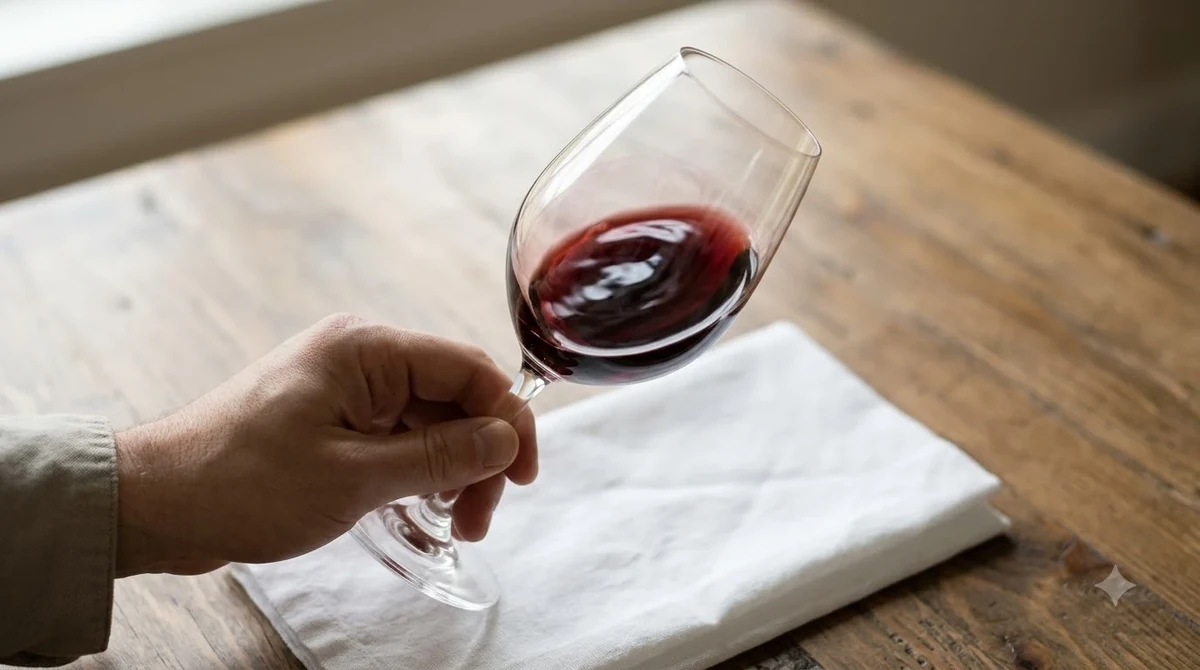
Durif is one of the area’s most recognizable red varieties. Also known as Petite Sirah in some wine markets, it is associated with deeply colored, full-bodied wines and substantial tannin. Rutherglen’s warm growing conditions allow the grapes to develop ripe fruit flavors while retaining the structure that makes these wines suitable for aging.
Typical Durif aromas include blackberry, plum, dark cherry, pepper, and baking spices. Oak maturation can add further notes of vanilla, cedar, chocolate, and toasted wood. The palate is generally firm and concentrated, with a substantial finish.
Durif is particularly attractive to drinkers who enjoy powerful reds rather than light, delicate wines. Its tannins are usually more prominent than those found in Pinot Noir or Merlot. This structure makes it a natural partner for rich meat dishes, particularly beef, lamb, and slow-cooked preparations.
Rutherglen Shiraz offers another interpretation of warm-climate red wine. The grape produces full-bodied wines with ripe blackberry, plum, pepper, and dark spice characteristics. According to Wine Australia, regional Shiraz is recognized for its rich fruit and supple tannins.
Compared with Durif, Shiraz can offer a more immediately accessible balance of fruit and structure, although individual examples vary considerably. Some emphasize fresh, generous dark fruit, while others show more pepper, savory complexity, and oak influence.
Cabernet Sauvignon is also grown in the region. It generally offers more pronounced tannin, blackcurrant flavors, and a firmer structure. Depending on the producer and growing conditions, Cabernet can provide another option for drinkers who prefer classic, structured Australian reds.
The following comparison helps distinguish the principal dry red varieties:
- Durif: Full-bodied, deeply colored, tannic, and concentrated, with dark fruit and spice.
- Shiraz: Rich and generous, with ripe blackberry, plum, pepper, and generally supple tannins.
- Cabernet Sauvignon: Firmly structured, with blackcurrant character and relatively high tannin.
Serving temperature can make a significant difference. Light red wines are generally best served around 55–60 degrees Fahrenheit, while full-bodied reds such as many Rutherglen Durif and Shiraz examples are better around 60–65 degrees Fahrenheit.
Young, full-bodied reds may benefit from decanting for 30–60 minutes. This allows the wine to open aromatically and can help soften the impression of firm tannins. Older bottles require more care because extended exposure to air can diminish delicate developed aromas.
Rutherglen’s dry reds are also useful for understanding the region’s diversity. The same warm days and long ripening season that help Muscat develop intense natural sweetness can also produce concentrated red grapes with ripe fruit flavors and substantial structure.
Other Rutherglen Grapes and Emerging Wine Styles
Beyond Muscat, Topaque, Durif, and Shiraz, Rutherglen produces a wider range of wines. Aromatic white varieties, alternative red grapes, and sparkling styles add diversity to a region often associated primarily with traditional fortified wines.
Viognier is one of the notable white varieties. It typically produces expressive wines with aromas of peach, apricot, citrus blossom, and floral notes. Depending on the winemaking approach, the texture can range from relatively fresh and lively to fuller and more rounded.
Marsanne and Roussanne are two other Rhône-origin varieties grown in the region. They can offer a more restrained aromatic profile, with stone fruit, citrus, herbal notes, and developing nutty characteristics. These varieties are particularly interesting for drinkers who enjoy white wines with more texture than a simple light-bodied style.
Fiano, originally associated with southern Italy, is another variety that contributes to the area’s changing wine landscape. Its flavor profile can include citrus, pear, stone fruit, and subtle herbal or nutty notes. It offers an alternative to more familiar Australian Chardonnay and Sauvignon Blanc.
These white varieties demonstrate that Rutherglen’s climate is not limited to producing heavily concentrated red and fortified wines. Site selection, harvesting decisions, and winemaking methods can help retain freshness and aromatic definition even in a relatively warm region.
Alternative red varieties also contribute to the area’s diversity. Tempranillo and Sangiovese provide different expressions of fruit, acidity, and tannin, while Zinfandel can produce generous, ripe-fruited wines. The results depend on vineyard conditions and the decisions made by individual producers.
Some wineries also experiment with sparkling red wines. These offer a different drinking experience from traditional fortified Muscat and Topaque. The combination of red fruit, bubbles, and varying levels of sweetness can make them particularly useful with casual meals and regional food specialties.
For readers interested in exploring the people and properties behind these different styles, the Rutherglen vineyards provide a useful starting point. Producer comparisons can reveal substantial differences in approach, from long-established fortified wine programs to newer table wine projects.
The diversity is important because it prevents Rutherglen from being understood through a single category. A wine enthusiast can explore aromatic whites, structured reds, traditional fortified wines, and more experimental releases without leaving the same regional identity.
For a broader perspective on how these wines fit into Australian and international production, the Wine Australia regional overview provides useful information about the region’s vineyard area, major grape varieties, climate, and soil.
How to Serve, Pair, Buy, and Explore Rutherglen Wine
The best way to enjoy Rutherglen wine depends on its style. Fortified Muscat and Topaque are natural choices for dessert and after-dinner drinking, while Durif and Shiraz work particularly well with substantial savory dishes.
Serving temperature is a useful starting point. Fortified sweet wines generally show their aromas and texture best when served slightly cool rather than warm. A temperature around 50–55 degrees Fahrenheit can be a practical starting point for rich fortified examples, with adjustments according to personal preference and the particular wine.
For dry table wines, use the following general guidelines:
- Full-bodied Rutherglen Shiraz and Durif: approximately 60–65 degrees Fahrenheit.
- Medium-bodied red wines: approximately 55–60 degrees Fahrenheit.
- Fuller white wines: approximately 50–55 degrees Fahrenheit.
- Lighter aromatic whites: approximately 45–50 degrees Fahrenheit.
Avoid serving full-bodied red wine too warm. Excessive warmth can make alcohol seem more prominent and reduce the impression of freshness. Similarly, very cold fortified wine may hide some of its more subtle aromas.
Food pairings for Muscat and Topaque
Rutherglen Muscat works particularly well with desserts that have comparable sweetness and intense flavors. The wine’s concentrated raisin, fig, chocolate, and caramel notes can complement fruit-based desserts, sticky puddings, chocolate preparations, and nut-based pastries.
Classic pairings include:
- Dark chocolate: The roasted, bitter character of chocolate provides contrast to Muscat’s sweetness and dried-fruit intensity.
- Fruit tarts: Dried apricot, pear, apple, and stone-fruit desserts can echo the wine’s concentrated fruit character.
- Nut desserts: Almond pastries, walnut cakes, and roasted hazelnut desserts complement the wine’s nutty and caramel notes.
- Blue cheese: Salty, intensely flavored cheese creates a useful contrast with sweet fortified wine.
Topaque is particularly attractive with honey-based desserts, caramelized pastries, fruit desserts, and soft cheeses. Its honey, tea, and toffee characteristics make it an appealing alternative to Muscat when the dessert is more delicate or has a pronounced buttery flavor.
One important principle is that dessert should not be sweeter than the wine. If the food is significantly sweeter, the wine can seem less expressive or even slightly acidic by comparison.
Food pairings for Durif and Shiraz
Rutherglen Durif pairs naturally with rich, savory food. Its firm tannins and concentrated fruit can complement dishes with substantial protein, fat, and seasoning.
Good options include grilled beef, braised short ribs, roast lamb, slow-cooked beef cheeks, and mature hard cheeses. Salt and fat help soften the perception of tannin, making the wine feel more balanced alongside rich dishes.
Shiraz is similarly versatile. Grilled sausages, barbecue beef, roast lamb, mushroom dishes, and pepper-seasoned meats are all suitable partners. Its ripe fruit character can stand up to smoky flavors without requiring especially elaborate food preparation.
Cabernet Sauvignon is a good choice with grilled steak and other protein-rich dishes because its pronounced tannins work well with the richness of the food.
Be careful with strongly spicy dishes. Alcohol and tannin can intensify the sensation of chili heat, making a powerful Durif or Shiraz less comfortable alongside heavily spiced food. A fruitier, softer wine or a slightly sweet white may be a better choice for very hot dishes.
Choosing a bottle and planning a regional visit
When selecting a bottle, start with the occasion rather than the highest classification or the most powerful grape. A youthful Muscat is a practical introduction to the region, while Grand or Rare Muscat is more appropriate for drinkers looking for pronounced maturity and complexity.
For a savory dinner, consider Shiraz or Durif. For a lighter meal or an aperitif, an aromatic white such as Viognier or Fiano can provide a refreshing alternative.
Pay attention to producer style as well. Some wineries emphasize traditional barrel-aged fortified wines, while others focus on dry table wines or newer expressions. Comparing different producers can be more revealing than buying several bottles from a single classification.
Rutherglen is also a rewarding destination for wine tourism. Its historic estates, cellar doors, and family-owned wineries offer opportunities to compare fortified wine styles and learn about traditional blending methods.
Located approximately three hours from Melbourne by road, the region can be explored as a dedicated wine trip or as part of a wider journey through northeastern Victoria. Visitors can combine winery visits with regional food experiences and time around the Murray River.
Cellar-door tastings are particularly useful for understanding the four Muscat classifications. Tasting Rutherglen, Classic, Grand, and Rare examples alongside one another helps demonstrate how maturation changes aroma, concentration, and texture.
The annual Rutherglen wine festival is another opportunity to discover regional producers and local wine culture. Checking the event program before traveling helps visitors plan tastings and other activities around their interests.
Once purchased, bottles should be stored in a cool, dark environment. Around 55 degrees Fahrenheit is a useful storage target for wine, and bottles with natural cork closures should generally be kept on their sides. Avoid temperature fluctuations and prolonged exposure to sunlight.
Opened still wines generally keep for approximately 3–5 days in the refrigerator, although their condition depends on the style, storage method, and amount of air remaining in the bottle. Fortified wines can remain enjoyable for several weeks after opening, particularly when properly resealed and refrigerated. Their higher alcohol content and concentrated composition generally make them more resistant to rapid deterioration than ordinary table wines.
For additional background on Australian wine geography and regional styles, the Wine Regions section offers a broader framework for comparing Rutherglen with other established Australian growing areas.
Frequently Asked Questions
Is Rutherglen wine protected by a geographical designation?
Yes. Rutherglen is a recognized Australian Geographical Indication, meaning the regional name is associated with a defined wine-producing area. Its boundaries cover approximately 998 square kilometers. The designation helps distinguish wines associated with this particular part of northeastern Victoria from wines made elsewhere.
Why is Rutherglen Muscat sometimes called liquid gold?
The expression refers to its deep amber and mahogany colors, concentrated sweetness, and exceptional complexity. Some mature examples develop a glowing golden-brown appearance when held against the light. Its long history of barrel maturation and the value of old wine stocks also contribute to the expression.
Does Rutherglen produce vintage-dated fortified wines?
Yes. Some Rutherglen producers make vintage-dated fortified wines in addition to blended Muscat and Topaque. Vintage expressions can highlight the characteristics of an individual harvest rather than the consistent house style associated with multi-vintage blending. These wines offer another way to explore the region’s traditional winemaking skills.
Can Rutherglen Muscat be used in cocktails?
Yes. Its concentrated sweetness and aromatic intensity make it useful in cocktails that benefit from raisin, caramel, and dried-fruit flavors. Small quantities can add complexity to stirred drinks, while lighter combinations can use it alongside citrus and sparkling ingredients. Because it is already sweet and fortified, recipes generally need less additional sweetener.
Is Rutherglen Muscat suitable for long-term cellaring after purchase?
Many Rutherglen Muscats are already matured and blended before bottling, so additional bottle aging is not necessarily required. Their character is developed largely through the producer’s barrel-aging and blending program. Once opened, keeping the bottle sealed and refrigerated helps preserve its aromas and flavors for subsequent servings.
Rutherglen combines an important Australian winemaking heritage with a range of distinctive modern wine styles. Its Muscat and Topaque remain exceptional examples of fortified winemaking, while Durif, Shiraz, and aromatic whites demonstrate the region’s broader potential. Start with a classic Muscat, compare its classification with a mature Topaque, and explore a dry red to appreciate the full range of what Rutherglen produces.
More in Wine Regions
 Willcox Wine Trail: Discover Arizona’s High-Elevation Wine CountryUpdated Nov 20, 2026
 Yakima Valley Wine Region: Find the Best Styles to TryUpdated Nov 20, 2026
 Vosne Romanee Wine Tasting: Identify Aromas and Choose Better PairingsUpdated Nov 20, 2026
 Yakima Valley Wine Festival: Find the Best Seasonal Wine EventsUpdated Nov 20, 2026
 Wales Vineyards: Discover Cool-Climate Wines and Where to VisitUpdated Nov 20, 2026
 Yountville Wine Festival: Discover Napa Wines and Local FoodUpdated Nov 20, 2026