

We may earn a commission when you buy through links on this page, at no extra cost to you. Learn more.
The rutherglen wine region in northeastern Victoria, Australia, is best known for its richly layered fortified Muscat and Topaque, alongside bold Durif and Shiraz reds. Its warm days, cool nights, and long, dry autumn help grapes reach intense ripeness while retaining balance. The result is a distinctive mix of historic barrel-aged dessert wines and increasingly varied dry table wines.
Rutherglen rewards anyone who looks beyond a single style. A glass of Rare Muscat can carry decades of blended cellar history, while a younger Durif or a fresh white variety shows how local winemakers continue to expand the region’s identity.
Where Rutherglen Sits and Why Its Climate Matters
Rutherglen lies in northeastern Victoria, close to the Murray River and the New South Wales border, roughly three hours by road from Melbourne. Its 998-square-kilometer geographical indication contains 781 hectares of vineyards, making it a compact inland region with a strong and recognizable wine identity.
Wine Australia records the region at approximately 36°11′ south and 146°27′ east, with vineyard elevations ranging from 122 to 592 meters. The mean January temperature is 23.7°C, and growing-season rainfall is about 330 millimeters. Those figures help explain the local emphasis on ripe fruit: summers are sunny and warm, while nights cool as air moves down from the foothills of the Victorian Alps. A long, relatively dry autumn gives late-ripening grapes additional time to develop flavor and sugar.
The soils are varied rather than uniform. Sandy loam appears in areas nearer the Murray River, while much of the central landscape has red loam over clay; bands of shale and quartz also occur. The soil differences, together with gentle hills and changes in exposure, give growers options for matching varieties and vineyard sites. The warm conditions are particularly useful for Muscat and Muscadelle, which need pronounced ripeness for the region’s traditional sweet fortified styles, while the cooler night air helps preserve freshness in table wines.
| Regional measure | Reported figure | Why it matters |
|---|---|---|
| Geographical indication area | 998 km² | Defines the broad regional footprint |
| Total vineyard area | 781 hectares | Shows the scale of planted vineyards |
| Elevation range | 122–592 meters | Reflects variation across the region |
| Growing-season rainfall | 330 mm | Describes a relatively dry growing season |
| Mean January temperature | 23.7°C | Indicates warm summer conditions |
Gold-Rush Beginnings and a Long Family Tradition
Rutherglen’s wine story developed alongside Victoria’s nineteenth-century gold rush, but the first vines arrived before the region became a prosperous gold town. According to Decanter’s regional history, Lindsay Brown planted 1.6 hectares of vines in 1851, establishing the foundation for a wine industry that expanded rapidly as nearby goldfields attracted people, capital, and demand.
By the late nineteenth century, Rutherglen had become a prominent Australian wine center. Wine Australia notes that the region received international medals for fortified wines in the 1870s, an early sign that its sweet, spirit-strengthened styles could compete beyond Victoria. Local producers adapted the ripe fruit supplied by the climate into wines that traveled well and developed complexity through long barrel maturation.
That history remains visible in family cellars and long-lived stocks. Several wineries are still associated with multigenerational families, and some fortified wines contain components that have spent decades in wood. The important point is not simply that the region is old; it is that producers have maintained blending knowledge and cellar reserves across generations. A contemporary release may therefore be a carefully managed combination of younger and much older wine rather than a snapshot of one harvest.
Rutherglen Muscat and Its Four Quality Tiers
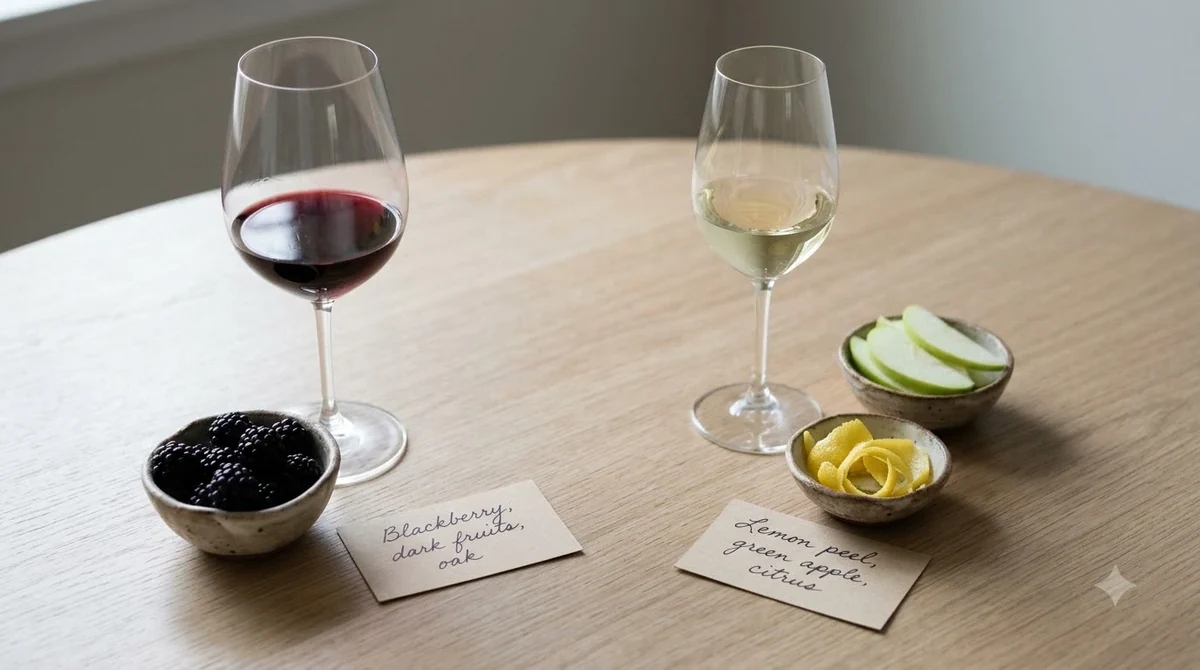
Rutherglen Muscat is the region’s signature fortified dessert wine, made from Muscat à Petits Grains Rouge, also known locally as Rutherglen Brown Muscat. Expect concentrated aromas and flavors of raisin, dried fig, orange blossom, roasted nuts, toffee, coffee, and dark chocolate, with sweetness balanced by the wine’s spirit warmth and mature savory notes.
The grapes are left to ripen deeply before fermentation and fortification, creating a rich base wine suited to extended maturation. Decanter describes typical Rutherglen Muscat as highly sweet and usually around 18% alcohol by volume. Producers then mature and blend wines in barrel, developing layers that can include caramel, molasses, spice, dried fruit, and nutty complexity. Some old components can remain in the cellar for many decades, so the finished wine can contain material far older than the release itself.
The four-tier classification provides a practical guide to average age and concentration. The figures below are published by Wine Australia; they describe average aging and typical residual-sugar ranges, not a promise that every barrel in a blend is exactly the same age.
| Classification | Average aging | Residual sugar | General character |
|---|---|---|---|
| Rutherglen Muscat | 3–5 years | 180–240 g/L | Vivid fruit, raisin, and fresh sweetness |
| Classic Rutherglen | 6–10 years | 200–280 g/L | More developed nut, caramel, and spice notes |
| Grand Rutherglen | 11–19 years | 270–400 g/L | Dense, mature, and layered |
| Rare Rutherglen | 20 years or more | 270–400 g/L | The most concentrated and complex tier |
Age is only one part of the experience. A younger Rutherglen Muscat can be appealing for its direct raisin and fruit character, while a Rare bottling is more likely to show intricate notes of coffee, old wood, caramel, and dried citrus. The tiers make it easier to choose a style, but they do not mean that every Rare wine tastes identical; producer blending choices and house style still matter.
Tip: When comparing Muscats, begin with the classification tier, then compare the producer’s tasting description. A Classic bottling from one cellar may feel more restrained or more nutty than another producer’s version, even though both sit in the same age category.
Topaque, Port-Style Wines, and the Craft of Fortification
Topaque is Rutherglen’s other defining fortified wine, made from the Muscadelle grape rather than Muscat. It often shows aromas of cold tea leaf, honey, citrus, quince, candied fruit, and butterscotch, with flavors of malt, walnut, toffee, and honey. Like Muscat, it is usually sweet and commonly sits near 18% alcohol by volume.
The names can be confusing because Topaque was formerly marketed in Australia as Tokay. The change distinguishes the Australian wine from Hungary’s Tokaji wines, which are a separate tradition. The grape is also different: Rutherglen Topaque is based on Muscadelle, whereas Rutherglen Muscat is made from Muscat à Petits Grains Rouge. Tasting them side by side is one of the easiest ways to understand the region’s two flagship fortified styles. Muscat tends toward floral, raisined, and orange-toned aromas; Topaque often leans toward tea, malt, honey, and nutty notes.
Rutherglen also makes port-style fortified wines, although Muscat and Topaque are the styles most closely associated with the region. Fortification involves adding grape spirit to wine during or after fermentation, increasing alcohol and, depending on timing, preserving natural grape sweetness. Producers mature these wines in a range of barrel sizes and use solera-like blending systems in which older wine is combined with younger wine over time. As Decanter explains in its regional profile of Rutherglen’s fortified wines, some cellar material predates the First World War, and skilled blending helps keep a recognizable house style across releases.
Durif, Shiraz, and the Region’s Expanding Table Wines
Rutherglen is not only a fortified-wine destination. Durif and Shiraz are its leading dry red varieties, and the region also produces Cabernet Sauvignon, Chardonnay, Marsanne, Viognier, Roussanne, and newer plantings such as Fiano and Gamay. Around three-quarters of local plantings are red varieties, according to the Winemakers of Rutherglen association.
Durif is the red grape most strongly identified with the area. It produces deeply colored, full-bodied wines with ripe dark-fruit flavors, peppery spice, and notes that can suggest leather or dark chocolate. Its concentration and firm structure give it the ability to develop in the cellar. Shiraz is another important variety, typically offering ripe blackberry or plum fruit, spice, and a broad, generous texture. Cabernet Sauvignon adds another structured red-wine option, while regional producers use site and winemaking decisions to balance richness with freshness.
White wines broaden the picture. Marsanne, Viognier, and Roussanne bring fuller textures and flavors that may include stone fruit, flowers, herbs, and spice; Chardonnay offers a more familiar point of reference. Fiano and other less traditional varieties show that growers are testing grapes suited to warm inland conditions. This wider range helps local wineries appeal to visitors who may enjoy fortified wines but want a dry bottle for the dinner table.
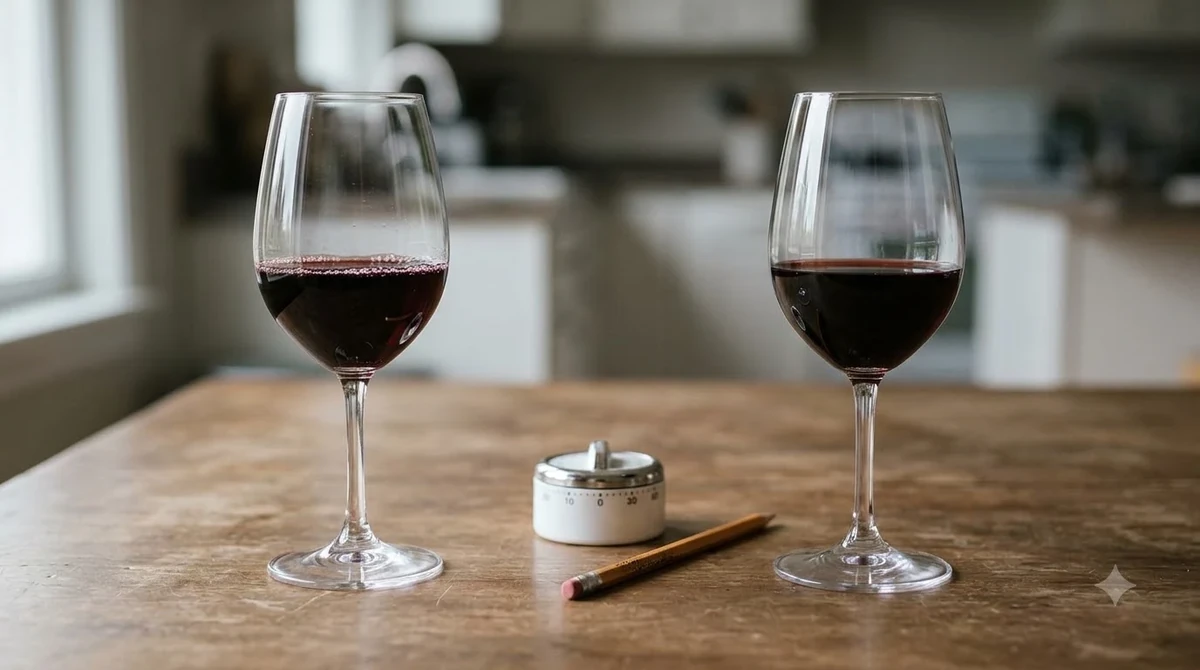
The best way to explore this range is to taste by contrast. Try a glass of Durif beside a Shiraz, then compare either red with a textural Marsanne or aromatic Viognier. A fresh white can demonstrate how the region’s cool nights contribute balance, while a fortified wine at the end of the tasting reveals the traditional style that first made Rutherglen famous.
Serving, Pairing, and Exploring Rutherglen Wines
Rutherglen wines work best when their sweetness, weight, and tannin are considered before choosing a glass or a dish. The fortified wines are natural partners for desserts and cheeses, while Durif and Shiraz suit richly flavored food that can stand up to their depth and structure.
Serve Muscat and Topaque slightly cool rather than warm; a practical starting point is 45–50°F, with a small dessert-wine pour of about 2–3 ounces. Their sweetness makes them natural matches for desserts with dried fruit, caramel, chocolate, or nuts. Keep the wine at least as sweet as the dessert, or the wine can seem less expressive by comparison. Topaque’s tea, honey, and malt notes work especially well with nut-based sweets and honeyed desserts, while Muscat’s raisin and chocolate character pairs easily with fruitcake, dark chocolate, or a simple plate of roasted nuts.
Dry Durif and Shiraz need a different approach. Serve these full-bodied reds around 60–65°F, slightly cooler than many warm rooms, to keep the alcohol and ripe fruit from seeming heavy. Their tannin can be softened by salt and fat, so grilled beef, lamb, aged cheddar, and slow-cooked dishes are reliable partners. Avoid pairing strongly tannic reds with oily fish, and be cautious with very hot chili dishes because alcohol and tannin can make chili heat feel more intense. A textured Marsanne or Chardonnay is more adaptable with roast chicken, pork, or richer vegetable dishes.
Rutherglen is also a useful destination for travelers exploring Victoria’s wine country. Wineries and cellar doors cluster around the town and surrounding countryside, with the Murray River and historic streets adding interest beyond the tasting room. Plan a visit around a few contrasting styles rather than trying to taste every producer in one day: one Muscat, one Topaque, a Durif, and a white wine give a representative introduction. Travelers interested in cooler-climate comparisons can also read about the Tasmania wine region, while the Savoie wine region and Switzerland wine region offer very different Alpine wine contexts. For a wider overview of how geography, climate, and grape varieties shape regional identity, the site’s Wine Regions resource provides useful context. That perspective helps explain why Rutherglen’s warm inland setting produces a style so different from the crisp, high-acid wines associated with cooler regions.
Frequently Asked Questions
Why can fortified wine keep longer after opening than table wine?
Its higher alcohol level and, in sweet styles, substantial residual sugar give it more stability than most dry table wines. It can still lose freshness as oxygen changes its aromas and flavors, so a stopper and refrigerator remain useful. Keeping the bottle cool slows those changes.
Is Rutherglen Muscat the same as Moscato?
They belong to the broader Muscat family, but the names describe different wine traditions and styles. Rutherglen Muscat specifically uses Muscat à Petits Grains Rouge and is made as a deeply concentrated fortified dessert wine. Moscato commonly refers to lighter, often lower-alcohol wines made in other regions and styles.
Is Durif also called Petite Sirah?
Yes. Durif is widely known as Petite Sirah in the United States, although labeling conventions vary by country and producer. The grape is associated with deeply colored wines and substantial tannin, which helps explain why Rutherglen Durif often has a firm, age-worthy structure.
How long can an opened bottle of Rutherglen fortified wine last?
Fortified wines generally keep for several weeks after opening when tightly closed and stored in the refrigerator. The exact window depends on the wine’s age, exposure to air, and storage conditions. Keep the bottle upright and use a sound stopper to limit oxidation.
Does the Rutherglen name on a label grade a wine’s quality?
No. Rutherglen is a geographical indication that identifies the wine’s place of origin rather than assigning it a quality score. The Muscat and Topaque age tiers are separate style classifications, so the place name and the tier communicate different information.
The rutherglen wine region stands out because its fortified-wine tradition is supported by a wider range of serious table wines and a climate shaped by warm days and cool nights. Start with Muscat and Topaque to understand its heritage, then explore Durif, Shiraz, and the region’s evolving white varieties for a fuller sense of what Rutherglen can offer.
More in Wine Regions
 Willcox Wine Trail: Discover Arizona’s High-Elevation Wine CountryUpdated Nov 20, 2026
 Yakima Valley Wine Region: Find the Best Styles to TryUpdated Nov 20, 2026
 Vosne Romanee Wine Tasting: Identify Aromas and Choose Better PairingsUpdated Nov 20, 2026
 Yakima Valley Wine Festival: Find the Best Seasonal Wine EventsUpdated Nov 20, 2026
 Wales Vineyards: Discover Cool-Climate Wines and Where to VisitUpdated Nov 20, 2026
 Yountville Wine Festival: Discover Napa Wines and Local FoodUpdated Nov 20, 2026