

We may earn a commission when you buy through links on this page, at no extra cost to you. Learn more.
The rutherglen wine festival is a celebration of northeastern Victoria’s historic wine region, bringing together local wineries, distinctive fortified wines, regional food and live entertainment. Today’s festival experiences include Roam Rutherglen and Tastes of Rutherglen, two events that give visitors opportunities to explore cellar doors and meet local winemakers. The region is particularly famous for its Muscat, Topaque, Durif and Shiraz, making it an appealing destination for visitors interested in both traditional Australian wines and contemporary styles.
Rutherglen offers a different kind of wine-country experience from Australia’s larger metropolitan wine destinations. Its heritage is closely connected to the gold rush, generations of family winemaking and the production of distinctive fortified wines. Festival weekends bring these traditions into focus through winery visits, guided tastings, food experiences and entertainment. Understanding the events, wines and geography before arriving makes it easier to plan a rewarding visit.
What the Rutherglen Wine Festival Celebrates
The Rutherglen wine festival celebrates a wine-producing community with more than 160 years of history and a strong identity built around distinctive regional varieties. Its modern events combine traditional cellar-door hospitality with music, food, winemaker encounters and opportunities to explore different wineries.

Rutherglen sits in northeastern Victoria, close to the Murray River and the New South Wales border. The town is approximately three hours from Melbourne by road, making it a practical destination for a long weekend or a longer regional touring holiday. Its location also places it within reach of other North East Victoria attractions, including historic towns, rural landscapes and river recreation areas.
The name Rutherglen Wine Festival has historical significance, but visitors should understand that the region now hosts several distinct wine events rather than relying on one event under that original name. Roam Rutherglen is the modern continuation of the long-running Winery Walkabout tradition, while Tastes of Rutherglen offers another opportunity to explore local wine, food and seasonal experiences.
These celebrations showcase more than fortified wine. Although Muscat and Topaque remain central to the region’s reputation, visitors can also discover Durif, Shiraz, Cabernet Sauvignon, Marsanne, Roussanne, Viognier and other varieties. The range makes the destination interesting for people who prefer dry table wines as well as those who enjoy sweet and fortified styles.
The festival atmosphere also provides an accessible introduction to regional winemaking. Rather than visiting one producer and leaving, attendees can compare different interpretations of the same grape, speak with cellar-door teams and learn how local conditions influence the wines. For anyone exploring Australian Wine Regions, Rutherglen provides a particularly useful example of how climate, history and local expertise create a recognizable wine identity.
History From the Gold Rush to Modern Festival Weekends
Rutherglen’s wine history began in the 1850s, when gold discoveries brought people and investment into northeastern Victoria. The development of vineyards and wineries established a lasting agricultural industry, and the region eventually became internationally recognized for its fortified wines and distinctive red varieties.
According to Winemakers of Rutherglen, the first vines were planted in 1851 by John Lindsay Brown at Browns Plains and Edwin Sanger at Corowa. As settlement expanded, wine production became increasingly important to the local economy. By 1884, approximately 3,000 acres were under vine across 50 vineyards, with around 1,870 people employed in the wine industry.
The region gained international recognition in 1873 through awards at the Vienna Exhibition and London International Exhibition. These achievements helped establish Rutherglen as an important Australian wine-producing area. Its wines reached international markets, particularly through demand for fortified styles and substantial red wines.
Another important development came in 1908, when Francois de Castella first planted Durif in the region. This grape eventually became one of Rutherglen’s defining red varieties. Its deeply colored, structured wines offered a strong contrast to the region’s sweet Muscats and helped broaden the area’s reputation beyond fortified production.
The original Rutherglen Wine Festival began in 1967. Winemakers of Rutherglen identifies this event as an Australian first and an important turning point in the revival of local wine tourism. Its success encouraged visitors to travel specifically to explore the region’s vineyards and wines.
In 1974, the festival tradition developed into the Winery Walkabout, which became a major regional event. The format encouraged visitors to travel between participating wineries rather than concentrating activities in the town center. This approach helped establish the modern model of a winery-based festival, where individual producers offer their own experiences within a shared regional celebration.
Today, Roam Rutherglen continues this tradition with a refreshed event identity. The region also hosts Tastes of Rutherglen and other seasonal celebrations, allowing visitors to experience its wines and hospitality at different times of the year.
Roam Rutherglen and Tastes of Rutherglen
Roam Rutherglen and Tastes of Rutherglen are two major events to consider when planning a wine-country visit. Both bring together regional producers, but their seasonal timing and emphasis provide different reasons to visit.
Roam Rutherglen
Roam Rutherglen takes place over the King’s Birthday long weekend in June. It carries forward the heritage of the Winery Walkabout, an event that has attracted generations of visitors to the region since 1974.
The modern format includes 17 participating wineries, creating opportunities to visit multiple cellar doors during the festival. Activities include wine tastings, live music, entertainment and special winery experiences. Visitors can discover established regional producers while also finding wines and styles they might not encounter in their usual wine shops.
The roaming format is an important part of the experience. Instead of staying at one central venue, visitors move between wineries and discover the character of different properties. Some stops may emphasize traditional fortified wines, while others focus on contemporary table wines, food or entertainment.
June is also winter in Victoria, so visitors should plan for cooler weather. Comfortable walking shoes, a warm jacket and advance transportation arrangements can make the weekend more enjoyable. Because the event takes place across multiple properties, arranging a designated driver or using official festival transport is a sensible part of the itinerary.
Tastes of Rutherglen
Tastes of Rutherglen provides a different seasonal experience, generally taking place in March during the beginning of autumn. Its program focuses on the connection between regional wines, local food, harvest activities and the people responsible for producing them.
The 2026 program ran from March 6 through March 8, featuring more than 200 wines across 17 cellar doors. Activities included vineyard experiences, meetings with winemakers, special food offerings and live music. The program demonstrated the range of styles produced in the region, from concentrated red wines to fresh whites and traditional fortified bottles.
Food is an important part of this event. Local chefs and producers create dishes designed to complement the wines, including grilled meats, artisan cheeses and desserts. This format makes Tastes of Rutherglen particularly appealing to visitors who want a combination of wine education and regional dining.
Although the March event has a harvest-season atmosphere, the exact activities and participating wineries can change between editions. Visitors should consult the official event calendar before making travel arrangements.
For a broader comparison of regional celebrations, readers can also explore an indiana wine festival or the livermore wine festival. These events provide useful examples of how wine festivals in different regions highlight their own local producers and traditions.
Signature Rutherglen Wines to Discover
Rutherglen is particularly famous for Muscat, Topaque, Durif and Shiraz. Festival tastings provide an opportunity to understand how these varieties differ in sweetness, structure, flavor and aging potential.
Rutherglen Muscat
Muscat is arguably the region’s most distinctive wine style. Rutherglen Muscat is made from Muscat à Petits Grains Rouges, also known as Rutherglen Brown Muscat. The grapes are allowed to develop considerable ripeness, producing wines with concentrated natural sweetness and rich fruit character.
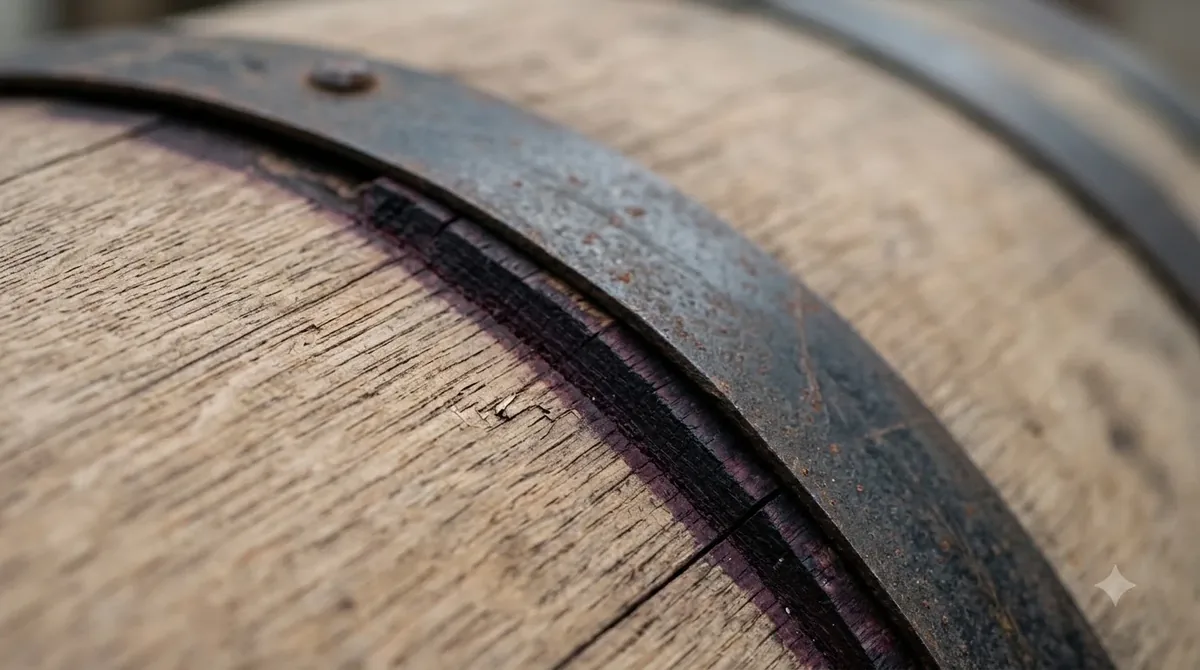
Typical flavors include raisins, dried figs, caramel, chocolate, roasted nuts and spice. Barrel aging adds complexity, creating layers of flavor that distinguish mature examples from younger bottles. Some of the region’s oldest Muscat stocks have been maintained for generations, allowing winemakers to blend wines with remarkable depth.
Rutherglen Muscat is classified into four quality categories: Rutherglen, Classic Rutherglen, Grand Rutherglen and Rare Rutherglen. These classifications reflect increasing levels of maturity, concentration and complexity.
Topaque
Topaque is another important fortified specialty. It is made from Muscadelle, a grape historically associated with the name Tokay in Australia. The modern name distinguishes the Australian wine from unrelated European wine styles.
Topaque often displays flavors of toffee, caramel, nuts, dried fruit and spice. Compared with Muscat, its aromatic profile can be more focused on caramelized and nutty characteristics, although individual producers have different house styles.
Both wines are excellent choices for visitors interested in traditional Australian fortified production. Tasting them side by side can reveal how grape variety, barrel aging and blending influence the finished wine.
Durif and Shiraz
Durif is a major regional red variety. It produces deeply colored wines with concentrated dark-fruit flavors, firm tannins and considerable structure. Blackberries, plums, pepper and spice are common descriptors. Its strong personality makes it an interesting wine to compare across producers.
Shiraz is another important variety, typically producing full-bodied wines with ripe fruit, spice and supple tannins. Depending on the producer and winemaking approach, Rutherglen Shiraz can range from approachable, fruit-forward bottles to more concentrated wines intended for extended cellaring.
Visitors should also look beyond the headline varieties. Marsanne, Roussanne and Viognier are among the white grapes grown in the wider region. Tempranillo, Sangiovese and Cabernet Sauvignon add further diversity to the red wine selection.
Understanding the Muscat Classification
The four Muscat categories provide a useful framework for comparing wines during festival tastings. Their aging guidelines help visitors understand why some bottles have more concentrated flavors and greater complexity than others.
| Classification | Average barrel aging | Typical residual sugar |
|---|---|---|
| Rutherglen | 3–5 years | 180–240 g/L |
| Classic Rutherglen | 6–10 years | 200–280 g/L |
| Grand Rutherglen | 11–19 years | 270–400 g/L |
| Rare Rutherglen | 20+ years | 270–400 g/L |
These figures are the classification averages and ranges described in Wine Australia’s Rutherglen regional information. They are useful reference points rather than a guarantee that every bottle will have identical characteristics. Blending is an important part of fortified winemaking, and producers use different proportions of younger and older wines to achieve their preferred style.
A good tasting strategy is to begin with a younger Rutherglen Muscat before moving through Classic, Grand and Rare examples. This progression makes the effects of extended maturation easier to recognize.
Tip: Save a small pour of Muscat for the end of a tasting session. Its sweetness and concentration can overwhelm delicate dry wines, so sampling it after lighter whites and reds makes comparisons easier.
How Climate and Geography Shape the Wines
Rutherglen’s continental climate is one of the main reasons the region produces such concentrated wines. Warm summer days, cool nights and long, dry autumns allow grapes to develop flavor and ripeness while retaining useful freshness.
The region lies in northern Victoria, near the Murray River, with vineyard elevations ranging from approximately 122 to 592 meters. Wine Australia’s regional information records a vineyard area of about 781 hectares and growing-season rainfall of approximately 330 millimeters.
These geographical and climatic characteristics help explain the region’s combination of powerful red wines and concentrated fortified styles. The warm conditions support the ripening of Muscat and Durif, while cooler nighttime temperatures contribute to the balance of the finished wines.
Soil differences also matter. Rutherglen contains red loam over clay, along with sandier soils closer to the Murray River. These variations influence drainage, water availability and vine growth. They contribute to differences between vineyards and help explain why neighboring producers can create noticeably different expressions of the same grape variety.
The following figures provide a useful regional snapshot:
| Regional characteristic | Reported figure |
|---|---|
| Vineyard area | 781 hectares |
| Growing-season rainfall | 330 millimeters |
| Mean temperature | 23.7°C |
| Vineyard elevation range | 122–592 meters |
| Latitude | 36° 11′ South |
| Longitude | 146° 27′ East |
These characteristics are particularly relevant when tasting fortified wines. Muscat grapes need substantial ripeness to develop the sweetness and flavor concentration associated with the regional style. The long, dry autumn is therefore an important part of the area’s winemaking identity.
The same conditions support concentrated Durif and Shiraz. Their dark-fruit flavors and substantial structures make them distinctive alternatives to lighter-bodied Australian reds. Exploring different vineyards during a festival can demonstrate how individual growers interpret the same regional conditions.
For further background, Australian Wine’s Rutherglen regional profile provides additional information about the area’s climate, soils, geography and signature grape varieties.
Planning Your Festival Visit
A successful Rutherglen festival visit starts with selecting the right event, organizing accommodation and deciding how to travel between wineries. Because festival activities take place at multiple properties, planning ahead is particularly useful for visitors unfamiliar with the region.
Choose the Right Season
March and June are two important periods for festival visitors. Tastes of Rutherglen takes place in autumn, when harvest activities and regional food experiences help define the program. Roam Rutherglen takes place during the June King’s Birthday long weekend, offering a winter festival atmosphere with participating wineries, entertainment and cellar-door experiences.
Visitors who prefer warmer daytime conditions and harvest-related activities may prefer March. Those interested in the traditional winery festival format and a long weekend of entertainment may find June more appealing.
It is important to distinguish historical dates from future event schedules. Annual programs, participating wineries and ticket arrangements can change, so the regional event website should be consulted before booking travel.
Arrange Accommodation Early
Rutherglen has accommodation options ranging from country cottages and bed-and-breakfast properties to vineyard stays and self-contained accommodation. Staying close to town can make it easier to access restaurants, shops and festival transport.
Popular festival weekends can create substantial demand for rooms. Booking accommodation well in advance is a sensible approach, especially for groups or visitors who want to stay for two or three nights.
Another option is to stay in a nearby regional town and travel into Rutherglen for the event. However, visitors should consider driving distances and transport availability before choosing accommodation outside the immediate area.
Organize Transportation
Transportation deserves particular attention because participating wineries are spread across the region. Some festival programs offer shuttle services or dedicated transport options, while others require visitors to organize their own arrangements.
For Roam Rutherglen, checking the official festival bus information is useful before arrival. Visitors should identify pickup locations, operating hours and any separate ticket requirements. A designated driver or prearranged private transfer can also help groups travel between venues responsibly.
Rutherglen is approximately three hours from Melbourne by road, so visitors traveling from the state capital should account for the journey when deciding whether to attend for one day or stay overnight.
Prepare for a Full Day of Tastings
Festival schedules can involve several winery visits, so a manageable itinerary is more enjoyable than trying to see every participating producer. Select a few wineries based on wine interests, then leave room for spontaneous discoveries.
Visitors interested in fortified wine might prioritize producers known for Muscat and Topaque. Those who prefer dry wines can concentrate on Durif, Shiraz and regional white varieties. A combination of established wineries and smaller cellar doors can provide a broader picture of the region.
Allow time for food, water, rest and transportation between venues. The aim should be to understand and appreciate the wines rather than collect as many tasting stops as possible.
Festival schedules and winery participation are published through the official Roam Rutherglen website, where visitors can review event details, participating producers and travel arrangements.
Regional Food, Wine Pairings and Other Activities
Rutherglen offers more than cellar-door tastings, with local restaurants, regional produce, cycling routes and river attractions adding variety to a festival weekend. Food is particularly important because the area’s dry reds and sweet fortified wines suit very different dishes.
Pairing Local Wines With Food
Durif is a natural match for grilled beef, lamb and other richly flavored meats. Its substantial tannins work well with the protein and fat in these dishes, while roasted vegetables and savory sauces complement its dark-fruit character.
Shiraz can accompany barbecued meats, slow-cooked beef, sausages and dishes featuring black pepper or herbs. A fruit-forward regional Shiraz may also work well with grilled mushrooms and hearty vegetable preparations.
For white wine drinkers, Marsanne and Viognier offer alternatives to the region’s powerful reds. Their textures and aromatic profiles can complement roast chicken, pork, creamy dishes and flavorful cheeses. The right pairing depends on the wine’s acidity, body and oak treatment.
Muscat and Topaque are especially suitable for desserts. A useful principle is to choose a dessert that is no sweeter than the wine. Rich chocolate desserts, caramel puddings, dried-fruit pastries and nut-based sweets can all work well with mature fortified wines.
Cheese is another excellent partner. Aged hard cheeses and blue cheeses can provide a savory contrast to the sweetness and concentration of Muscat. Salty and fatty foods can also soften the perception of tannin in powerful reds, making them useful partners for structured Durif.
Explore Beyond the Cellar Doors
The Rutherglen Loops provide another way to experience the surrounding landscape. According to Visit Victoria, the network covers 48 kilometers and includes four routes, with shorter 4-kilometer circuits and a longer 23-kilometer Wine Loop experience.
These trails connect the wine-country experience with the region’s rural scenery. Visitors can explore vineyards, farmland and the landscape around the Murray River, depending on their chosen route.
Lake Moodemere is another regional attraction, particularly during warmer months. The surrounding countryside provides opportunities to enjoy outdoor recreation and appreciate the agricultural landscape that supports local food and wine production.
Historic architecture and the town’s heritage are also worth exploring. All Saints Estate is particularly recognizable for its castle-like architecture and wine experiences. It offers an interesting contrast to smaller, more informal cellar doors.
Visitors who have additional time can explore nearby towns and regional attractions. A two- or three-night stay makes it easier to combine festival activities with sightseeing, dining and a more relaxed exploration of the vineyards.
For readers interested in other regional wine celebrations, the utah wine festival provides another example of how local wine producers and tourism organizations bring regional wine culture to visitors.
Frequently Asked Questions
Is Rutherglen Muscat the same as Port?
No. Rutherglen Muscat is made from Muscat à Petits Grains Rouges, while traditional Port is produced in Portugal’s Douro region using different grape varieties. Both are fortified wines, but their grape composition, production traditions and regional identities are distinct. Rutherglen Muscat is particularly associated with extended barrel maturation and blending across different ages.
What is the difference between Muscat and Topaque?
Muscat is produced from Muscat à Petits Grains Rouges, while Topaque is made from Muscadelle. Muscat commonly displays raisin, dried-fruit and chocolate characteristics, whereas Topaque often emphasizes caramel, toffee and nutty flavors. Both styles are important parts of Rutherglen’s fortified wine heritage.
Can visitors purchase wine directly from participating wineries?
Yes. Many Rutherglen cellar doors offer bottles for purchase alongside their tasting experiences. Some producers also offer museum releases, limited bottlings and older fortified wines that may not be widely available through ordinary retailers. Availability varies by producer and event.
What is the difference between fortified and vintage wines in Rutherglen?
Traditional Rutherglen fortified wines are often blended from multiple vintages to maintain a consistent house style and classification. Vintage wines, by contrast, are made from grapes harvested in a particular growing season and express the characteristics of that individual year. Some producers also make vintage fortified wines, so the terms describe different aspects of production rather than mutually exclusive categories.
Why is Durif sometimes called Petite Sirah?
Durif is the grape variety commonly known as Petite Sirah in the United States. It originated from a crossing of Syrah and Peloursin developed in France by botanist François Durif. Rutherglen has an important historical connection with the variety because Francois de Castella first planted it in the region in 1908.
The Rutherglen wine festival tradition offers a memorable introduction to one of Australia’s most distinctive wine-producing regions. Whether visiting for Roam Rutherglen, Tastes of Rutherglen or an independent cellar-door tour, visitors can discover exceptional fortified wines, characterful reds and welcoming regional hospitality. Plan around the event calendar, leave time to explore several producers and make room for a glass of Rutherglen Muscat before heading home.
More in Wine Regions
 Willcox Wine Trail: Discover Arizona’s High-Elevation Wine CountryUpdated Nov 20, 2026
 Yakima Valley Wine Region: Find the Best Styles to TryUpdated Nov 20, 2026
 Vosne Romanee Wine Tasting: Identify Aromas and Choose Better PairingsUpdated Nov 20, 2026
 Yakima Valley Wine Festival: Find the Best Seasonal Wine EventsUpdated Nov 20, 2026
 Wales Vineyards: Discover Cool-Climate Wines and Where to VisitUpdated Nov 20, 2026
 Yountville Wine Festival: Discover Napa Wines and Local FoodUpdated Nov 20, 2026