

We may earn a commission when you buy through links on this page, at no extra cost to you. Learn more.
ruffino wine price typically ranges from about $10 to $15 for everyday bottles and about $39 to $41 for Riserva Ducale Oro, based on Target, Total Wine & More, and WineDiscounts listings; prices vary by state and retailer. The name covers much more than one Chianti, from Pinot Grigio and Prosecco to Tuscan reds with more aging and structure. Comparing the label, style, and bottle size is the easiest way to tell whether a higher shelf price buys a different wine experience or simply a different format.
Ruffino is an Italian producer strongly associated with Tuscany, but its portfolio reaches beyond red wine. Compare the appellation and grape blend before comparing shelf prices; the sections below explain the main price bands and the details that matter at checkout.
Who This Is For
Ruffino suits shoppers who want recognizable Italian styles at several price levels. The broader Ruffino wine range includes more than one color and style. A first-time buyer may want Chianti for pizza, while a dinner host may compare Chianti Classico Riserva, a fuller Toscana IGT red, or Prosecco for an aperitif. Those are different jobs, so compare style first and price second.
At the everyday end, Ruffino Chianti DOCG suits tomato-based pasta, meatballs, grilled sausages, and margherita pizza. Its Sangiovese-led profile brings lively acidity and red-fruit character. Lumina Pinot Grigio is a lighter still white, while Prosecco DOC is the sparkling option for a toast, brunch, or fried appetizers.
Riserva Ducale, Riserva Ducale Oro, and Modus suit more substantial meals, gifts, or buyers seeking more concentration than basic Chianti. A higher price does not make a bottle better for every palate: someone who enjoys bright, medium-bodied Sangiovese may prefer regular Chianti to a richer Toscana blend. Start with the people and meal, then narrow the price range.
Key Factors to Compare
The most useful comparison is not simply red versus white; it is appellation, grape blend, production style, and bottle size. The table gives a practical snapshot of common Ruffino choices and indicative U.S. retail ranges for standard 750 ml bottles.
| Ruffino bottling | Style and key grapes | Typical U.S. retail range | Best reason to choose it |
|---|---|---|---|
| Lumina Pinot Grigio | Dry, light-bodied white | About $10-$12; Total Wine & More and Target listings | Fresh, uncomplicated white for seafood, salads, and casual meals |
| Prosecco DOC | Fresh sparkling wine; Glera-led blend | About $12-$15; Target and Total Wine & More listings | Brunch, aperitifs, and a flexible sparkling pour |
| Chianti DOCG | Tuscan red with 70% Sangiovese in Ruffino’s listed blend | About $11-$15; WineDiscounts and Target listings | Pizza, tomato sauces, and everyday Italian meals |
| Riserva Ducale | Chianti Classico Riserva red | About $22-$27; WineDiscounts, Target, and Total Wine listings | A more structured red for a planned dinner |
| Modus Toscana IGT | Tuscan red blend | About $25-$27; WineDiscounts and Target listings | A broader, fuller red-wine style |
| Riserva Ducale Oro | Premium Chianti Classico Riserva | About $39-$41; WineDiscounts and Total Wine listings | A special-occasion bottle or a more serious Tuscan selection |
These are planning ranges, not guaranteed checkout totals. Target lists Lumina Pinot Grigio at $11.99 and Total Wine & More at $10.29, supporting about $10 to $12 for 750 ml; prices vary by state and retailer. For Chianti DOCG, WineDiscounts lists $10.99 and Target lists $14.99, or about $11 to $15; prices vary by state and retailer. Target’s $12.99 and Total Wine & More’s $14.99 Prosecco listings support about $12 to $15; prices vary by state and retailer.
Riserva Ducale is about $22 to $27 across WineDiscounts, Target, and Total Wine & More listings; prices vary by state and retailer. Modus is about $25 to $27 across WineDiscounts and Target, while Riserva Ducale Oro is about $39 to $41 across WineDiscounts and Total Wine & More; prices vary by state and retailer for both tiers.
Compare the label as well as the price: Chianti DOCG, Chianti Classico DOCG, Riserva, and Toscana IGT are not interchangeable names. Ruffino lists 70% Sangiovese in its Chianti DOCG blend, with Merlot, Cabernet Sauvignon, and other complementary grapes making up the remainder. Its product page places the fruit in Chianti vineyard areas at roughly 200 to 350 meters above sea level.
Check volume before deciding one retailer is cheaper. A 375 ml bottle is half a standard 750 ml bottle, while a 187 ml or 200 ml mini bottle is much smaller. Compare equivalent formats, not shelf totals for different sizes.
Step-by-Step
This five-step check matches a Ruffino bottle to the meal without paying for a tier you do not need. Compare occasion, style, appellation, size, and retailer price in that order.
- Set the occasion. For casual pasta or pizza, start with Chianti DOCG; for a toast, Prosecco DOC; for a richer dinner, compare Riserva Ducale or Modus.
- Choose color and body. Pinot Grigio is the lighter white, Prosecco brings bubbles, and the reds range from Chianti to fuller Tuscan blends. Do not buy a heavier red just because it costs more.
- Read the appellation and grapes. Chianti DOCG is the starting point for Ruffino’s Sangiovese-led red. The ruffino chianti range also includes Chianti Classico, a more specific Tuscan appellation, while Modus carries the Toscana IGT designation.
- Match the bottle to the food. Sangiovese’s acidity is a natural partner for tomato sauce, red-sauce pasta, and pizza. Pinot Grigio makes more sense with delicate fish, shellfish, and salads, while Prosecco can work as an aperitif with salty snacks or fried bites. Avoid a highly tannic red with oily fish, and be cautious about pairing high-alcohol reds with very hot chili dishes.
- Compare like with like. Match 750 ml bottles and the same Ruffino label. Then check vintage, store availability, and whether the wine is a standard release or higher-tier selection.
For Sunday lasagna, compare Chianti DOCG with Chianti Classico Riserva Ducale and decide whether the extra structure suits the meal. For a daytime gathering, choose between Prosecco DOC and Pinot Grigio based on whether guests want bubbles or a still white. The Ruffino name alone is not enough to make the comparison.
The Target Ruffino selection gives a quick view of common labels and sizes, but local inventory and availability differ by store.
Types or Styles Explained
Ruffino’s familiar labels cover several distinct wine styles, so the front label is a useful first clue. Knowing the difference between a still white, sparkling wine, everyday Chianti, Chianti Classico Riserva, and Toscana IGT red helps explain why their retail ranges are not identical.
Chianti DOCG
Ruffino’s Chianti DOCG is the straightforward starting point for shoppers who want a Tuscan red for food. The producer lists Sangiovese at 70%, with Merlot, Cabernet Sauvignon, and other complementary grapes accounting for the remaining 30%. Ruffino specifies stainless steel and concrete tank aging for this bottling, as well as a serving temperature of 60 to 64 F. That combination makes it a sensible match for a meal where freshness and food compatibility matter more than oak influence.
Its bright acidity is especially useful with tomato sauce and savory Tuscan dishes.
Chianti Classico and Riserva
Chianti Classico comes from a more specific area within Tuscany than the wider Chianti appellation. Ruffino’s Aziano is presented as a Chianti Classico made from Sangiovese and Merlot, with fruit from vineyards in the Chianti Classico zone at elevations of roughly 150 to 300 meters. The producer describes a fruit-forward, floral approach, while its Riserva Ducale line moves toward a more structured dinner-wine choice.
Riserva Ducale Oro sits higher in retailer listings than standard Riserva Ducale, so compare the exact bottling and vintage before deciding what the added spend means.
Modus Toscana IGT
Modus is a Tuscan IGT red blend rather than a Chianti bottling. Retail listings describe it as a blend of Sangiovese, Cabernet Sauvignon, and Merlot, with some merchant descriptions also naming Petit Verdot. That makes it a useful alternative for a buyer who wants a fuller red-wine profile or is pairing wine with grilled beef, roasted lamb, or a hearty mushroom dish.
Compare Modus by style rather than treating it as a direct substitute for basic Chianti; its firmer tannin suits protein-rich dishes better than delicate fish.
Pinot Grigio and Prosecco
Lumina Pinot Grigio is the still-white option for shoppers who want a lighter wine with fresh acidity. Serve it around 45 to 50 F, and pair it with shellfish, grilled white fish, light chicken dishes, or salads that do not rely on very sweet dressings. Its role is different from a richer Chardonnay: it is designed for a crisp, easy pour rather than a broad, creamy texture.
Ruffino Prosecco DOC comes from Veneto. The producer’s Prosecco DOC details list 85% Glera, with Pinot Grigio, Chardonnay, and other complementary grapes making up the rest. Its second fermentation takes place in pressurized tanks using the Charmat method for about a month; serve it at 45 to 48 F with aperitifs, risotto, or fried foods.
Common Mistakes
The most common buying error is treating every Ruffino red as the same wine at a different price. Chianti DOCG, Chianti Classico Riserva, and Modus Toscana IGT differ in appellation and style, so compare labels rather than prices alone. A shopper who wants a bright red for tomato pasta may prefer entry Chianti to a fuller blend. For more options, compare the Ruffino red wine styles by body and occasion.
Another mistake is assuming the most expensive bottle is automatically the best match. High tannin can feel drying with delicate food, while alcohol and tannin can amplify chili heat. Match body and acidity to the meal rather than using price as a shortcut for quality.
Do not mistake a case price or smaller bottle for the normal cost of a 750 ml bottle. Mini Prosecco packs and case offers use different quantities; compare equivalent sizes and account for local taxes or shipping.
Also avoid assuming every Ruffino wine uses the same grapes or method: Chianti DOCG is a Sangiovese-led red, Prosecco DOC is a Glera-based sparkling wine, and Lumina Pinot Grigio is a still white.
Care or Storage Tips
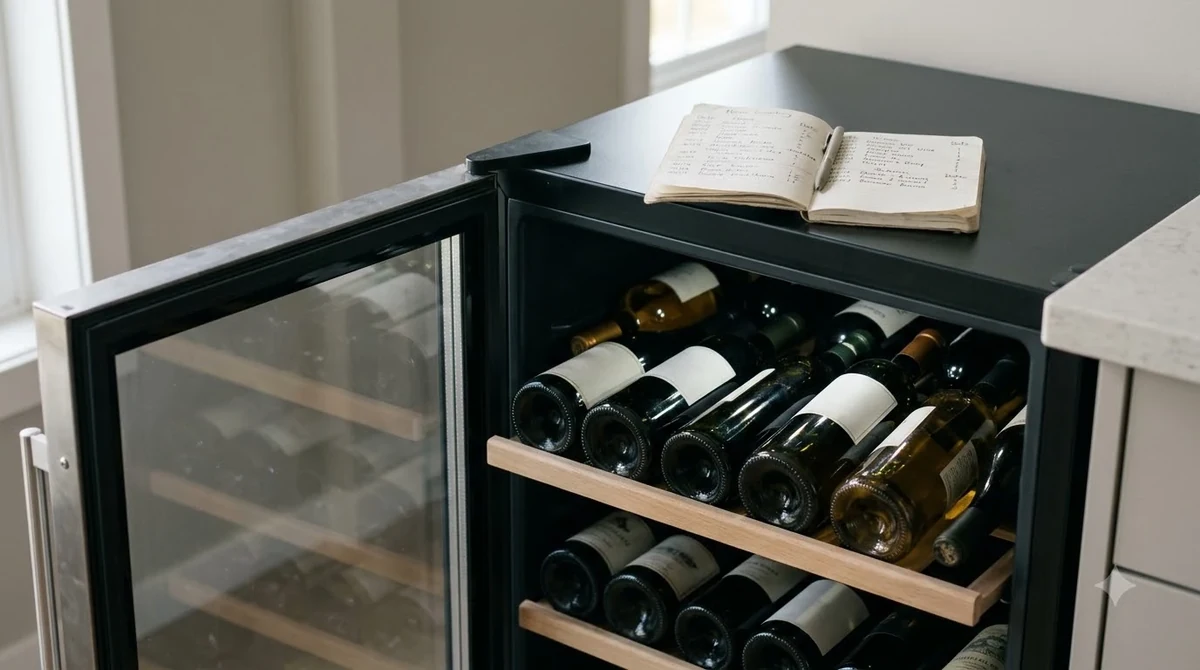
Keep unopened Ruffino bottles in a cool, dark place near 55 F, away from sunlight, heat vents, and temperature swings. Store bottles with natural cork closures on their sides; keep sparkling bottles secure and chilled before opening.
Serve Ruffino Prosecco at 45 to 48 F, light whites such as Pinot Grigio around 45 to 50 F, and Chianti DOCG at 60 to 64 F. A red served too warm can seem broad and alcoholic, while an over-chilled white may seem muted; let the glass warm gradually.
After opening, recork still wine and refrigerate it for about 3 to 5 days. Sparkling wine usually keeps for about 1 to 3 days in the refrigerator with a proper stopper; an ordinary cork is not a reliable pressure seal.
Tip: Chill Prosecco in the refrigerator for several hours before serving, then open it carefully with the bottle angled away from people. For a last-minute chill, use an ice-water bath rather than a freezer; the water helps cool the bottle more evenly, and a timer prevents it from being forgotten.
Decant a young, full-bodied red for 30 to 60 minutes if it seems tight; simple Chianti often needs only a little air in the glass. A 750 ml bottle provides about five 5 oz pours.
Frequently Asked Questions
These answers cover details that are easy to miss when comparing Ruffino labels and formats.
What does the year 1877 mean on Ruffino Chianti?
Ruffino’s Chianti product page identifies 1877 as the wine’s inaugural vintage. The date is part of the bottling’s historical identity, not the vintage year of every bottle on a retailer’s shelf. For the wine’s actual harvest year, use the vintage printed on the individual bottle.
Is Ruffino Prosecco made in the same way as Champagne?
No. Ruffino says its Prosecco DOC undergoes its second fermentation in pressurized tanks using the Charmat method, while Champagne and Cava traditionally undergo their second fermentation in the bottle. The difference affects production and the style of the finished sparkling wine.
Should I decant Ruffino Prosecco before serving?
No. Open Prosecco shortly before serving and pour it chilled so its carbonation remains lively. Decanting is generally unnecessary for a sparkling wine made to emphasize fresh fruit and fine bubbles.
How much wine does a magnum hold?
A standard magnum holds 1.5 liters, equal to two 750 ml bottles. At a 5 oz pour, that is about ten glasses, making a magnum useful for a larger table or a celebration where several guests are sharing the same wine.
Is every Ruffino wine from Tuscany?
No. Ruffino’s range includes wines from more than one Italian region: its Prosecco DOC is produced in Veneto, while the Chianti labels and Modus are Tuscan wines. Retailer catalogs also list white wines from areas outside Tuscany, so the region should be checked on each individual label.
For most shoppers, the sensible starting point is Ruffino Chianti DOCG, Lumina Pinot Grigio, or Prosecco DOC, then moving up only when the meal or occasion calls for a different style. Before buying, compare the same label and bottle size across two local retailers, then choose the wine that fits the food and the people at the table.
More in Wine Brands
 Underwood Wine Price: Compare Bottles, Cans, and Pack SizesUpdated Nov 21, 2026
 Zenato Wine Price: Compare Styles and Choose the Right BottleUpdated Nov 21, 2026
 Zuccardi Wine Price: Compare Bottles and Find the Right RangeUpdated Nov 21, 2026
 Yellow Tail Moscato Review: Taste, Sweetness and Serving TipsUpdated Nov 21, 2026
 Wolf Blass Yellow Label Review: Choose Your Best StyleUpdated Nov 21, 2026
 Wolffer Estate Rose Review: Choose the Right Bottle for Your TableUpdated Nov 21, 2026