

We may earn a commission when you buy through links on this page, at no extra cost to you. Learn more.
Ruffino red wine comes from the Tuscan producer Ruffino, best known for Sangiovese-based reds such as Chianti and Chianti Classico, plus Brunello di Montalcino and Bolgheri styles. The range covers several appellations, so the classification printed on the label tells you more about what is in the glass than the brand name alone.
Ruffino is one of the Italian names shoppers meet first when they browse the red wine shelf. Many people recognize the brand but are not sure which bottle to choose, how one style differs from another, or how to serve it at home. This guide walks through the main Ruffino red styles, the grapes behind them, and practical ways to serve and pair them.
What Ruffino red wine is
Ruffino is a Tuscan winery, and its official website presents the brand as a group of estates spread across the region. The brand name itself carries the year 1877, which the company uses as the starting point of its winemaking history. Because the portfolio draws on several estates rather than one vineyard, two Ruffino reds can taste quite different depending on where their grapes were grown and which appellation rules applied.
That variety is the first thing to understand. A bottle labeled Chianti Classico is produced within a defined zone under set rules, while a Toscana IGT red has more freedom in its blend and origin. When you pick up a bottle, read the appellation before the brand, because the appellation sets the style expectations. The official Ruffino website lists the full estate and wine range, and it is a useful reference when you want to confirm which label belongs to which category.
Main red styles and appellations
The red range covers Chianti Classico in standard, Riserva and Gran Selezione forms, along with Chianti and Chianti Superiore. Above that sit the Brunello di Montalcino and Brunello di Montalcino Riserva wines from the hill town of Montalcino, and the Bolgheri and Bolgheri Superiore reds from the Tuscan coast. Morellino di Scansano and Vino Nobile di Montepulciano add more Tuscan options, and the house also lists Toscana IGT reds along with some Veneto and Friuli DOC reds.
Each category follows its own production rules. Riserva and Gran Selezione labels generally signal longer aging requirements under Italian classification, which usually means a more structured and concentrated wine than an entry-level Chianti. For a first purchase, a standard Chianti or Chianti Classico is the most practical starting point, because it shows the core character of the grape without the extra weight of extended aging.
The producer’s site quotes a Wine Spectator review of the Riserva Ducale 2021, a Chianti Classico Riserva, which places the wine at No. 17 in the magazine’s Top 100 list. According to the quoted review, the wine shows aromas of cherry, blackberry and blood orange. Reviews like this are a helpful guide to the style, but the bottle you buy may differ by vintage, so check the year on the label.
| Style | Typical area | What to expect |
|---|---|---|
| Chianti | Wider Chianti zone | Bright red cherry, medium body, easy with everyday meals |
| Chianti Classico | Historic core of Chianti | More structure and savory notes than basic Chianti |
| Chianti Classico Riserva | Chianti Classico, longer aging | Deeper fruit, firmer tannins, more layers |
| Brunello di Montalcino | Montalcino hill town | Full-bodied and serious, suited to cellaring |
| Bolgheri | Coastal Tuscany | Ripe and polished, often with international grape blends |
Brunello and the top Chianti Classico reserves are generally the bottles to save for a special dinner or to keep for several years. The Bolgheri style tends to appeal to drinkers who prefer riper, rounder reds with a plush texture.
Grapes, flavor and how the wines age
Sangiovese is the grape most people link with Ruffino red wine, because it forms the backbone of Chianti and Brunello. It typically shows red cherry, dried herbs and a firm acidity that keeps the wine fresh on the palate. Tannin levels vary by style, and younger wines often feel brighter and more direct than older reserve bottles.
Aging changes the picture. Over several years in the bottle, Sangiovese-based reds tend to develop notes of leather, tobacco, dried fruit and earth, while the tannins soften. This is why a Riserva or Brunello can taste very different from a young Chianti even though both come from the same grape. Some Bolgheri and IGT reds blend Sangiovese with other varieties, so the back label is the best place to confirm the exact mix.
How to serve and store Ruffino reds
Serve these reds slightly cool rather than at warm room temperature, since heat makes the alcohol feel more prominent and can flatten the fruit. Basic Chianti works well in a standard wine glass with a generous bowl, which lets the aromas gather. Riserva and Brunello often benefit from a short decant, which opens up the aromas after years in the bottle and softens the tannins for a smoother first sip.
Store bottles on their side in a cool, dark place away from strong temperature swings and direct light. Standard reds are usually best within a few years of release, while Riserva and Brunello can keep developing for longer if the storage conditions stay steady. The producer’s site does not publish numeric serving temperatures for its wines, so the general guidance is to serve reds cooler than the warm room temperature many people assume.
Open a bottle a little before the meal if you want the wine to settle. Re-cork leftover wine and keep it refrigerated for a day or two, then bring it back toward cellar temperature before serving again.
Food pairing and how to choose a bottle
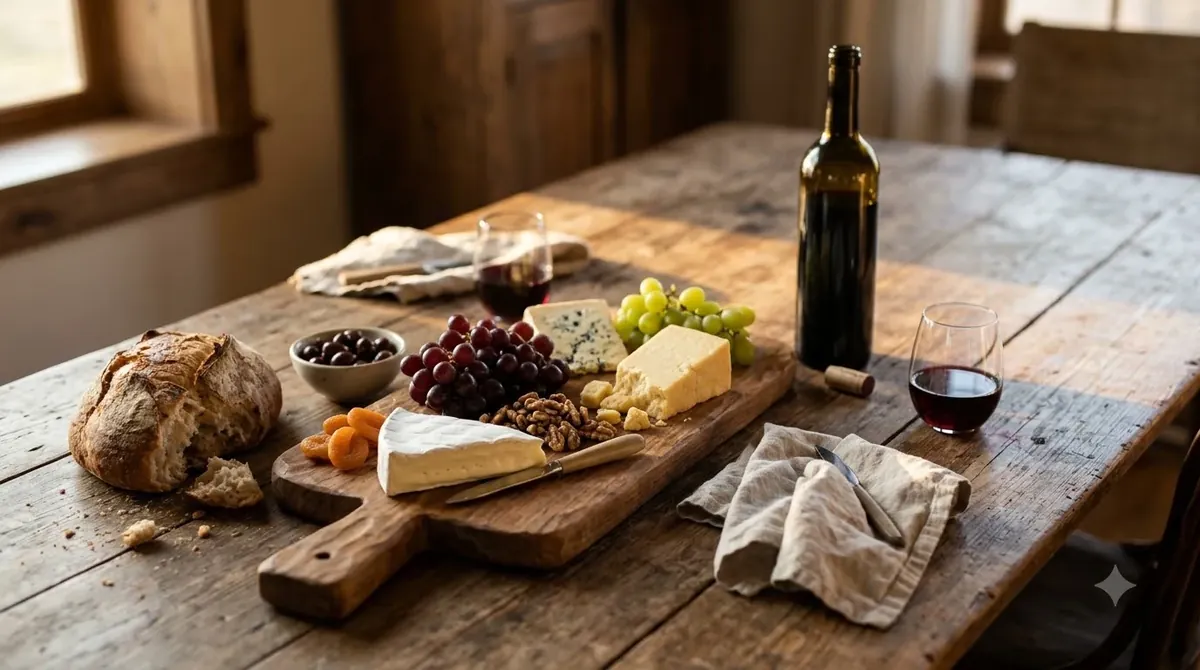
Sangiovese pairs naturally with tomato-based pasta, grilled meats, roast poultry and aged cheeses. The acidity handles tomato and olive oil well, while the tannins cut through fat. For a lighter weeknight meal, a basic Chianti is usually enough. For a rich roast, a braise or a steak, a Riserva or a Brunello gives the wine the structure it needs.
When choosing, start with the appellation, then decide how much structure you want, and finally look at the vintage. Ask the shop staff whether a bottle is ready to drink or would benefit from time. A simple rule is to match the weight of the wine to the weight of the food: lighter reds for lighter dishes and fuller reds for richer ones.
Frequently Asked Questions
Is Ruffino red wine always Chianti?
No. Ruffino makes Chianti and Chianti Classico, but its red range also includes Brunello di Montalcino, Bolgheri and Toscana IGT wines. Check the appellation on the label to know which style you are buying.
What grape is used in Ruffino red wine?
Sangiovese is the main grape in the classic Tuscan styles. Some Bolgheri and IGT reds blend it with other varieties, so read the back label for the exact mix.
Should I decant Ruffino red wine?
Basic Chianti usually does not need it. Older Riserva or Brunello bottles often benefit from a short decant, which softens the tannins and opens the aromas.
Which Ruffino red is best for a first bottle?
A standard Chianti or Chianti Classico is the simplest start. It shows the Sangiovese character clearly and suits everyday meals.
Ruffino red wine covers a wide range, from easy-drinking Chianti to structured Riserva and Brunello. Start with the appellation, match the bottle to the meal, and you will know what to expect in the glass. For more context on how Italian red brands compare, see the wine brands guide, or look at the Antinori red wine range for another Tuscan producer.
More in Wine Brands
 Underwood Wine Price: Compare Bottles, Cans, and Pack SizesUpdated Nov 21, 2026
 Zenato Wine Price: Compare Styles and Choose the Right BottleUpdated Nov 21, 2026
 Zuccardi Wine Price: Compare Bottles and Find the Right RangeUpdated Nov 21, 2026
 Yellow Tail Moscato Review: Taste, Sweetness and Serving TipsUpdated Nov 21, 2026
 Wolf Blass Yellow Label Review: Choose Your Best StyleUpdated Nov 21, 2026
 Wolffer Estate Rose Review: Choose the Right Bottle for Your TableUpdated Nov 21, 2026