

We may earn a commission when you buy through links on this page, at no extra cost to you. Learn more.
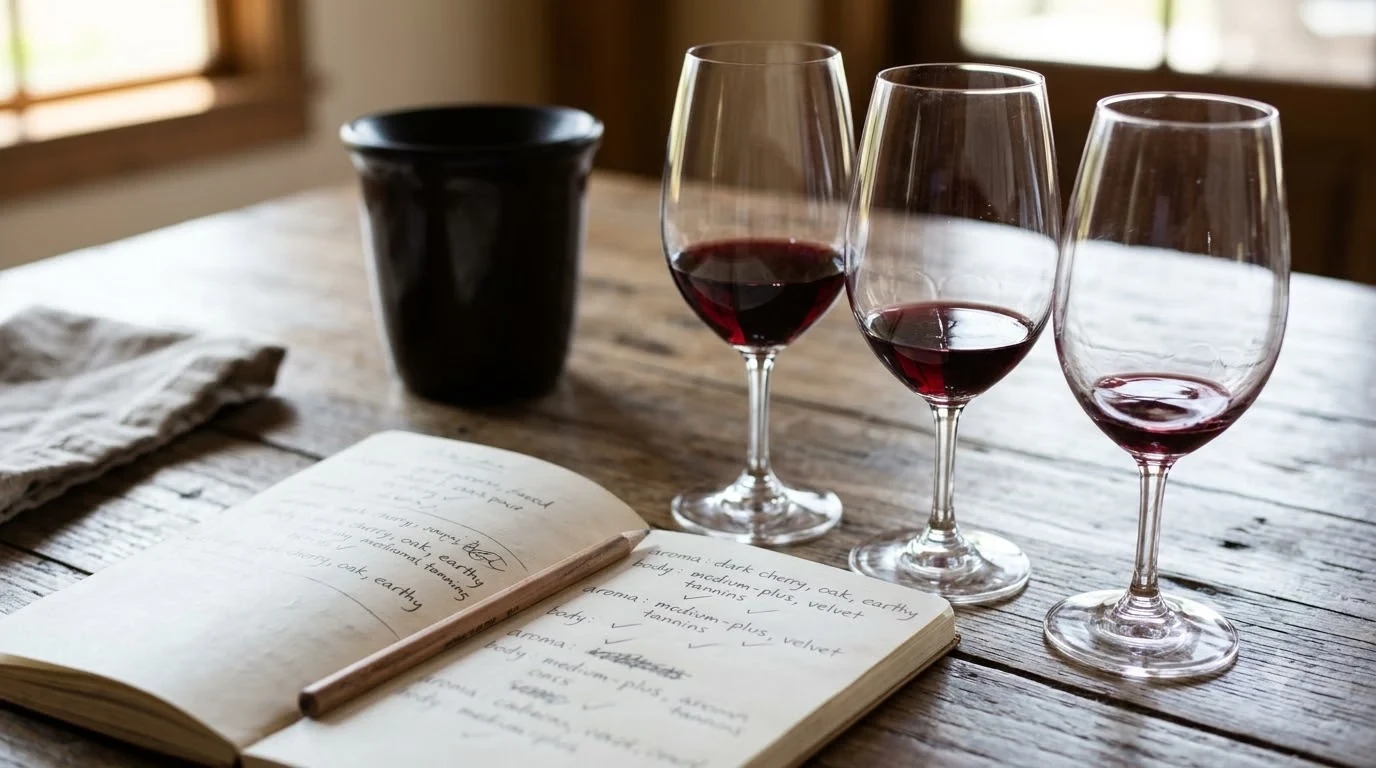
Ruffino Chianti is a Sangiovese-based red from Ruffino, a Tuscan winery that dates to 1877 and produces wines across several Tuscan areas. The Ruffino range includes several Chianti DOCG levels, from everyday Chianti to Chianti Classico and Riserva wines, so the style in the glass depends on which label you choose. This guide explains what Ruffino Chianti is, how the Chianti categories work, how to serve it and which foods suit it.
Chianti is one of the most widely sold Italian red wines, and the name on the label can cover a range of styles. Ruffino is one of the best-known producers, and its Chianti bottles give a clear way to learn the difference between a basic Chianti and a more serious Classico or Riserva. Knowing those categories helps you decide whether a bottle suits a casual dinner or a special meal.
Who Ruffino Is and Where the Wine Comes From
The official Ruffino website says the winery dates to 1877 and describes more than 140 years of winemaking. The company runs six estates in Tuscany, and its wines come from several areas, including Chianti Classico, Montalcino, Bolgheri and the Tuscan Maremma. Chianti is the name most people know it by, and it is the region’s signature red built on Sangiovese.
Because the Ruffino estates span several Tuscan zones, the Chianti you buy may come from a different part of the region than a Classico bottle from the same house. Reading the label for the DOCG level and the zone is the most reliable way to know what you are getting.
The Chianti DOCG Levels Explained
Chianti is a DOCG wine, which means it follows defined production rules. Ruffino’s range lists several DOCG levels: Chianti DOCG, Chianti Superiore DOCG, Chianti Classico DOCG, Chianti Classico Riserva DOCG and Chianti Classico Gran Selezione DOCG. The Classico designation refers to the historic heart of the region between Florence and Siena, and the higher tiers generally indicate longer aging or stricter selection.
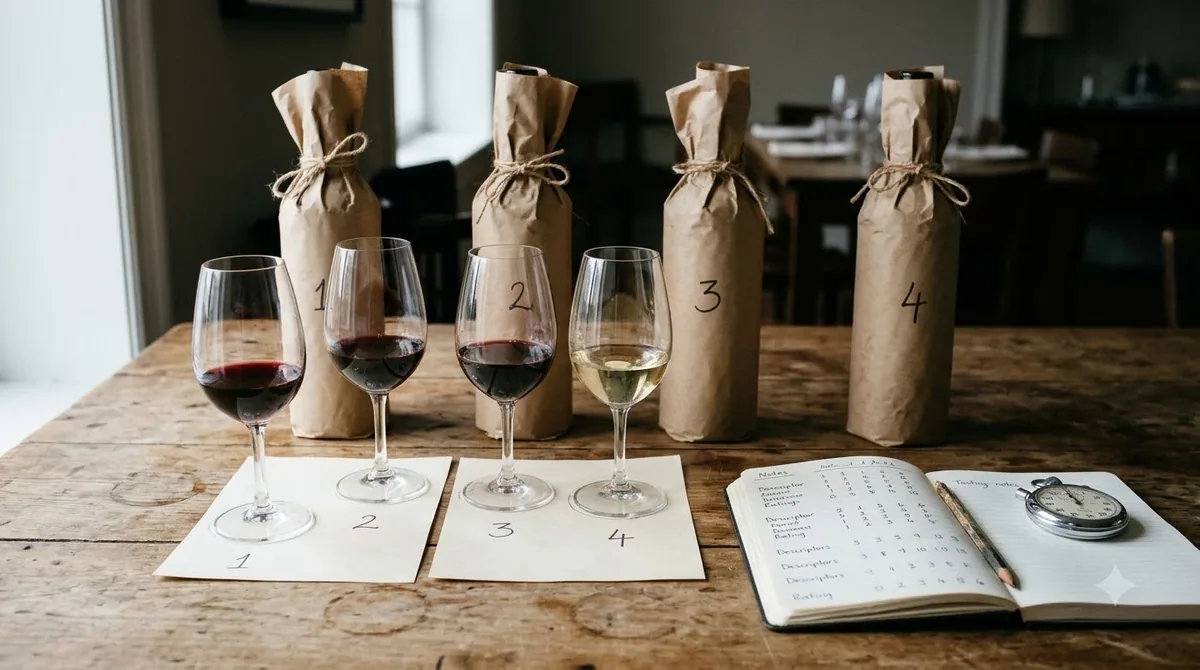
For everyday drinking, a basic Chianti is the simplest choice. For a dinner where the wine is the centerpiece, a Classico or Riserva often shows more depth. Ruffino’s Riserva Ducale, a Chianti Classico Riserva, is one of the house’s best-known bottles, and the brand’s materials note that the 2021 vintage ranked No. 17 in Wine Spectator’s Top 100.
| Level | What it usually means | Best for |
|---|---|---|
| Chianti DOCG | Entry level, bright and fruit-driven | Weeknight dinners, pizza, pasta |
| Chianti Classico DOCG | From the historic heart of the region, more structure | Roast meats, tomato dishes |
| Chianti Classico Riserva DOCG | Longer aging, more depth and complexity | Braised beef, aged cheese |
If you enjoy comparing wines from the same region, the Barefoot Wine range offers a very different style of everyday red, while the wine brands section explains how producers handle regional styles and labeling.
How to Serve Ruffino Chianti
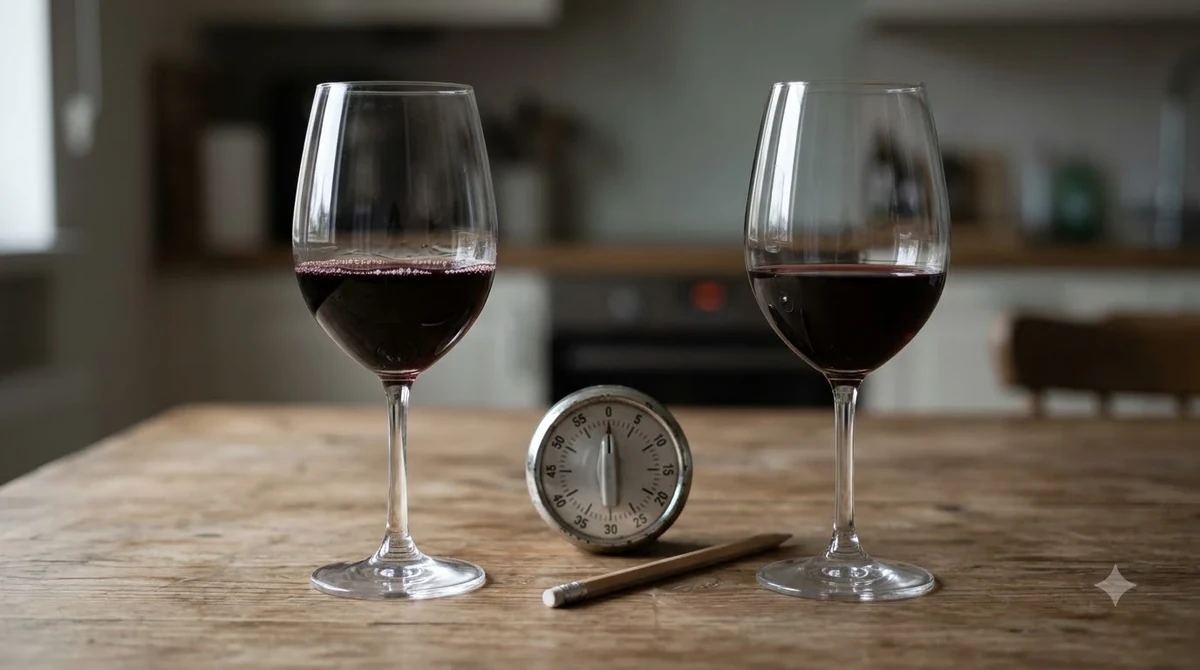
Chianti is usually served at a slightly cool room temperature, about 60 to 68 F (15 to 20 C). Serving it too warm makes the alcohol stand out and blunts the cherry and herb flavors, so give a bottle a short rest in a cool room or the refrigerator before pouring. A medium-sized red wine glass gives the aromas room to open.
Basic Chianti rarely needs decanting. A Riserva or Gran Selezione that has been aged for years can benefit from an hour in a decanter, which softens the tannins and lets the bouquet develop. Recork any leftovers and keep them in a cool place.
Food Pairings That Suit Chianti
Chianti’s acidity and savory character make it one of the easiest red wines to pair with food. The classic match is tomato-based sauces, such as spaghetti and meatballs or vegetable lasagna, because the wine’s bright acid cuts through the richness of the sauce. Roast chicken, grilled sausages and roast pork are also natural partners.
Higher-level Chianti Classico and Riserva wines handle heartier dishes. Braised beef, wild mushroom dishes and aged Parmigiano-Reggiano bring out the wine’s depth. Avoid pairing a Chianti with very delicate fish, since the wine’s structure can overwhelm it.
Reading a Chianti Label Before You Buy
A Chianti label can look crowded, with the producer, the vintage, the DOCG level and sometimes a gold neck seal or a special designation. Start with the DOCG level, since it tells you the region and the aging rules the wine follows. Then check the vintage. Chianti is a wine that tends to be best within a few years of harvest for basic bottles, while Riserva and Gran Selezione wines are made to age longer.
The producer name is the next clue. A large Tuscan house like Ruffino usually produces several Chianti levels, so you can trade up within the same brand as your tastes or occasions change. If you enjoy the first bottle, the next step is to try the Classico or Riserva from the same house and notice how the extra structure and depth change the experience.
Keep the wine’s food role in mind when you choose. A basic Chianti is a versatile everyday red that works with a wide range of tomato-based dishes and grilled meats. A higher level suits a slow-cooked main course or a cheese board, where the wine can keep pace with richer flavors without overwhelming them.
Storage is simple for most Chianti. Keep unopened bottles on their side or upright in a cool, dark, steady spot, and avoid areas with strong temperature swings. Once opened, recork the wine and keep it cool. A basic Chianti will taste lively for a day or two, while a Riserva can hold for longer after opening, especially when stored well.
Chianti also pairs well with a wide range of everyday cooking, which is part of why it has remained a staple on Italian restaurant tables. Tomato sauces, roasted peppers, grilled sausages and pizza all share the acidity the wine needs to feel balanced. Matching the wine to the meal is usually more rewarding than trying to find one perfect pairing, so think about how the sauce, the seasoning and the cooking method will shape the flavor in the glass.
For a dinner party, a Classico or Riserva can be a good centerpiece bottle. Decant it a short time before guests arrive, pour a small glass to start, and let the wine open as the meal goes on. The change in aroma over an hour or so is part of the appeal, and it gives the table something to talk about between courses.
Frequently Asked Questions
Who makes Ruffino Chianti?
Ruffino is a Tuscan winery that dates to 1877 and runs six estates in Tuscany. Its Chianti wines are part of a broader range that also includes wines from Montalcino, Bolgheri and the Tuscan Maremma.
What grape is Chianti made from?
Chianti is built on Sangiovese, which the Wine Folly guide describes as the main grape of the wine. Typical flavors include cherry, plum, tomato leaf and a touch of leather or clay.
What is the difference between Chianti and Chianti Classico?
Chianti Classico comes from the historic heart of the Chianti region, and Ruffino’s range lists it as a separate DOCG level from basic Chianti. Classico wines generally show more structure and depth, while basic Chianti tends to be lighter and more everyday.
What temperature should I serve Chianti at?
Aim for about 60 to 68 F (15 to 20 C). That range keeps the fruit and acidity in balance and avoids the heavy, warm taste that comes from an overheated glass.
Ruffino Chianti is a good way to explore Tuscan red wine, whether you pick a basic bottle for a weeknight or a Classico for a special meal. Check the DOCG level on the label, serve the wine slightly cool, and match it with tomato dishes, roast meats or aged cheeses.
More in Wine Brands
 Underwood Wine Price: Compare Bottles, Cans, and Pack SizesUpdated Nov 21, 2026
 Zenato Wine Price: Compare Styles and Choose the Right BottleUpdated Nov 21, 2026
 Zuccardi Wine Price: Compare Bottles and Find the Right RangeUpdated Nov 21, 2026
 Yellow Tail Moscato Review: Taste, Sweetness and Serving TipsUpdated Nov 21, 2026
 Wolf Blass Yellow Label Review: Choose Your Best StyleUpdated Nov 21, 2026
 Wolffer Estate Rose Review: Choose the Right Bottle for Your TableUpdated Nov 21, 2026