

We may earn a commission when you buy through links on this page, at no extra cost to you. Learn more.
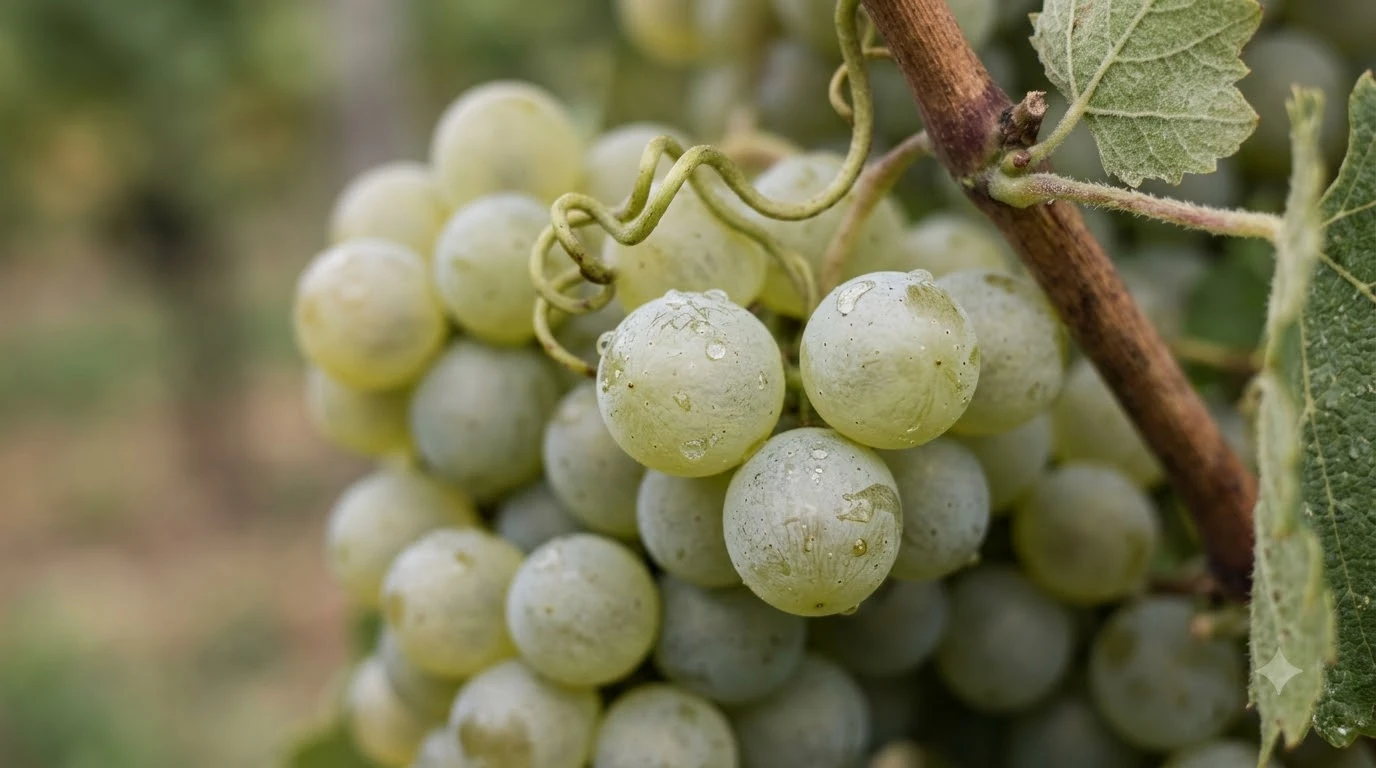
There is actually no single variety called the rueda grape; instead, Rueda is a celebrated wine region in central Spain whose signature white grape is Verdejo. Located on the high plains of Castilla y León, the Rueda Denominación de Origen (DO) produces crisp, aromatic white wines prized for their bright citrus, melon, and herbal notes. While Verdejo accounts for the vast majority of plantings, regional regulations also allow blends with Sauvignon Blanc, Viura, and a handful of other permitted varieties.
Shoppers browsing American wine shelves frequently spot “Rueda” printed prominently across front labels and understandably assume it names the grape inside the bottle. In European wine labeling, however, regions typically take top billing over individual varieties, making Rueda a geographic designation rather than a botanical one. Understanding the relationship between the Rueda appellation and the Verdejo grape unlocks one of Spain’s most reliable and food-friendly dry white wines.
What It Is
Rueda is an official Denominación de Origen (DO) established in 1980 in north-central Spain, and the “rueda grape” people look for is almost always Verdejo. Historically used to make fortified, nutty, sherry-style wines, Verdejo was reimagined in the 1970s through cold, protective winemaking into the vibrant, dry white wine that dominates Spanish wine bars today.
According to the Consejo Regulador de la D.O. Rueda, Verdejo has been cultivated in this territory for over ten centuries. The grape itself produces small-to-medium berries with thick skins and naturally high acidity, traits that help it retain freshness even under intense Iberian sunshine. Wine educators at Wine Folly note that Verdejo should not be confused with Verdelho, a separate Portuguese variety primarily associated with Madeira, despite their similar-sounding names and shared historic roots.
Although Verdejo defines the region’s identity, Rueda is not strictly a single-grape appellation. Under updated regional rules outlined by SevenFifty Daily, wines labeled simply as “Rueda” must contain at least 50 percent of the primary white variety—either Verdejo or Sauvignon Blanc—with the remainder filled out by approved companions like Viura (known elsewhere in Spain as Macabeo). In practice, however, the overwhelming majority of bottles exported to the United States are bottled as 100 percent Verdejo.
Flavor and Styles
Classic Rueda white wine delivers an energetic combination of zesty citrus, orchard fruit, wild herbs, and a signature savory finish. Most bottlings are fermented in temperature-controlled stainless steel tanks to preserve their brisk aromatics and mouthwatering acidity, though winemakers also craft richer, barrel-fermented, and traditional fortified expressions.
On the nose, a young Verdejo-driven Rueda immediately projects aromas of fresh-squeezed lime, grapefruit pith, honeydew melon, and white peach. Beneath the fruit sits a distinctive herbal streak—often described by tasters as crushed fennel, fresh-cut grass, or wild mountain scrub—that gives the wine a savory edge similar to Sauvignon Blanc, yet with a slightly rounder, silkier mid-palate. On the finish, Verdejo is famous for a subtle, pleasant bitterness reminiscent of raw almond skin that cleanses the palate and invites another sip.
Beyond standard stainless-steel whites, Rueda winemakers produce several distinct styles worth knowing when exploring Wine by Type. Lees-aged bottlings rest on spent yeast cells for several months to build creamy texture without losing citrus snap. Oak-fermented or barrel-aged Verdejo, often sourced from low-yielding old bush vines, trades primary lime zest for baked apple, toasted hazelnut, and vanilla spice. The region also authorizes sparkling Rueda Espumoso (which must contain at least 75 percent Verdejo or Sauvignon Blanc and reach a minimum 11.5 percent ABV) as well as traditional oxidative fortified wines called Rueda Dorado and Rueda Pálido, which age in wood for years and reach at least 15 percent ABV.
| Rueda Style | Key Grape Requirements | Typical Winemaking | Core Flavor Profile |
|---|---|---|---|
| Classic Young Rueda | Minimum 50% Verdejo or Sauvignon Blanc (often 100% Verdejo) | Night harvest, cool stainless-steel fermentation | Lime, honeydew, white peach, fennel, bitter almond finish |
| Lees-Aged / Barrel Rueda | Primarily Verdejo, often from old bush vines | Extended lees contact or French oak fermentation | Baked pear, toasted nuts, creamy texture, brisk acidity |
| Rueda Espumoso | Minimum 75% Verdejo or Sauvignon Blanc (11.5%+ ABV) | Traditional second fermentation in bottle | Green apple, brioche, citrus blossom, fine bubbles |
| Rueda Dorado & Pálido | Verdejo and/or Palomino Fino (15%+ ABV) | Oxidative or biological aging in cask (2–3+ years) | Walnut, dried orange peel, saline, savory spice |
Where It Grows
Rueda sits roughly two hours northwest of Madrid on the sweeping, high-altitude plateau of Castilla y León, spanning the provinces of Valladolid, Segovia, and Ávila along the Duero River. Vineyards here sit between 600 and 800 meters (roughly 2,000 to 2,600 feet) above sea level, giving the region an extreme continental climate marked by scorching summer afternoons, frigid winters, and dramatic day-to-night temperature swings.
According to regional vineyard figures reported by SevenFifty Daily, Rueda encompasses roughly 13,500 hectares (over 33,000 acres) of vines, of which about 13,000 hectares are dedicated to white varieties and roughly 11,300 hectares are planted specifically to Verdejo. The vineyard floor is blanketed with gravelly, alluvial pebbles over sandy clay and limestone subsoils. These smooth river stones absorb heat during the day and radiate warmth back toward the vines at night, aiding ripening while ensuring rapid drainage.
Because summer daytime temperatures regularly climb high while nights plunge by up to 50 degrees Fahrenheit, Rueda pioneered mechanical night harvesting across Spain. Picking under floodlights in the cool darkness keeps incoming grapes around 10 to 15 degrees Celsius (50 to 59 degrees Fahrenheit), preventing premature oxidation and locking in delicate aromatic compounds before the fruit ever reaches the winery. Remarkably, patches of ancient, ungrafted Verdejo bush vines also survived the nineteenth-century phylloxera blight in Rueda’s sandier soils, supplying concentrated fruit for the region’s most structured bottlings.
How to Serve
Serving Rueda at the proper temperature highlights its crisp acidity without muting its aromatic herbs and stone fruit. Young, unoaked Rueda Verdejo shows best well chilled between 38°F and 46°F (3°C to 8°C), whereas richer lees-aged or oak-fermented bottlings open up nicely slightly warmer at 50°F to 54°F (10°C to 12°C).
Pour the wine into a standard medium-sized white wine glass with a slightly tapered rim. A narrower bowl concentrates Verdejo’s volatile lime, grapefruit, and herbal aromatics while keeping the wine cool in the glass longer. If you pull a bottle straight from a standard kitchen refrigerator—which typically runs around 37°F to 40°F—it is ready to pour immediately for a crisp young bottling, while an oak-aged bottle benefits from resting on the counter for 10 to 15 minutes before serving.
Most stainless-steel Rueda whites are crafted for immediate enjoyment within one to three years of the vintage date, when their primary citrus energy is at its peak. However, reviewers at Wine Folly point out that high-acid, non-oxidized Verdejo from top old-vine sites can also evolve gracefully in a cool, dark cellar for five to eight years, gradually taking on beeswax, marzipan, and savory mineral complexity.
Tip: When shopping for Rueda, check the bottle silhouette—tall, high-shouldered Bordeaux-style bottles almost always hold crisp, fruit-forward stainless-steel Verdejo, while wider, sloped-shoulder Burgundy-style bottles often signal lees stirring or oak barrel aging.
Food Pairing
Thanks to its zippy acidity, herbal lift, and cleansing almond-skin finish, Rueda Verdejo is one of the most versatile table whites in the Spanish repertoire. It bridges the gap between lighter crisp whites like the airen grape—Spain’s most widely planted neutral white variety—and more pungent, grassy Sauvignon Blancs.
Seafood and shellfish are natural partners for young Rueda. Grilled shrimp brushed with garlic and olive oil, seared sea scallops, ceviche, fried calamari, and steamed mussels all play off the wine’s lemon-lime brightness and saline minerality. In Spain, a chilled glass of Rueda is a staple alongside tapas such as pan con tomate, Marcona almonds, anchovy-stuffed olives, and jamón serrano, where the wine’s acidity slices cleanly through cured fat and salt.
Rueda also excels with dishes that notoriously challenge other wines. Fresh herbs like cilantro, mint, fennel, and basil echo Verdejo’s green aromatics rather than clashing with them, making it a standout match for fish tacos with lime crema, herb-roasted chicken, asparagus risotto, and goat cheese salads. If you are pouring a richer, barrel-fermented Rueda, step up to heartier fare such as roast pork tenderloin, creamy mushroom pasta, or aged Manchego cheese. Save sweet, lightly sparkling reds like the brachetto grape for berry desserts at the end of the meal, or keep a medium-bodied red like the dornfelder grape on hand if guests transition to grilled meats.
How to Choose a Bottle
Reading a Rueda label becomes straightforward once you know a few key cues. Look first for the official Denominación de Origen Rueda back label seal, which guarantees the wine met regional origin and quality standards, and check the vintage year to ensure you are buying a recent release for fresh styles.
If you want pure, quintessential varietal character, look for “Verdejo” printed alongside “Rueda” on the front label; while regional regulations require at least 50 percent of the stated primary grape for general Rueda bottlings, producers who highlight Verdejo prominently typically use 85 to 100 percent Verdejo. If you prefer an even brighter, tropical-leaning profile, seek out bottles labeled “Rueda Sauvignon” or blends incorporating Sauvignon Blanc.
Finally, scan the back label for production clues that match your mood. Phrases like “fermented in stainless steel” or “night-harvested” point to crisp, patio-ready refreshment, whereas terms such as “sobre lías” (aged on lees), “fermentado en barrica” (barrel-fermented), or “viñas viejas” (old vines) indicate greater weight, texture, and complexity suited to richer dinner courses.
Frequently Asked Questions
Is Rueda a grape variety or a wine region?
Rueda is a Denominación de Origen (DO) wine region in Spain’s Castilla y León plateau, not a grape variety. The signature white grape grown there is Verdejo, which makes up the overwhelming majority of Rueda’s vineyards and white wine production.
What does Rueda wine taste like?
Classic Rueda white wine is dry, medium-bodied, and crisp, featuring bright flavors of lime, grapefruit, honeydew melon, and white peach. It is also known for subtle herbal notes of fennel and a signature, palate-cleansing hint of bitter almond on the finish.
How is Rueda Verdejo different from Sauvignon Blanc?
Both wines share zesty citrus acidity and herbal aromatics, which is why Sauvignon Blanc is also grown and blended in Rueda. However, Verdejo typically has a slightly fuller, silkier texture on the mid-palate and finishes with a distinctive savory almond note rather than sharp green bell pepper or gooseberry.
Is Rueda always a dry white wine?
While over 95 percent of Rueda’s vineyards are planted to white grapes for dry table wines, the region also produces small quantities of sparkling Rueda Espumoso, fortified oxidative wines (Rueda Dorado and Pálido), and limited rosé and red wines from varieties like Tempranillo.
Whether you discover it as an everyday weeknight pour or alongside a platter of garlic shrimp, Rueda offers remarkable character once you know that Verdejo is the grape behind the name. Keep an eye out for fresh vintages from this high-plateau Spanish region next time you want a dry white with lively citrus, herbal complexity, and crisp acidity.
More in Wine Types & Grapes
 Zinfandel Sugar Content: Dry Red vs. White Zinfandel GramsUpdated Nov 21, 2026
 Best Zinfandel Substitute Options for Sipping and CookingUpdated Nov 21, 2026
 Zweigelt Food Pairing: Best Dishes, Cheeses, and Serving TipsUpdated Nov 21, 2026
 Zinfandel Tannins Explained: How Structure Shapes Every BottleUpdated Nov 21, 2026
 Zinfandel Sweetness Level: Dry Red vs. Sweet White Zin ExplainedUpdated Nov 21, 2026
 Xinomavro Food Pairing: Best Dishes, Styles, and Serving TipsUpdated Nov 21, 2026