

We may earn a commission when you buy through links on this page, at no extra cost to you. Learn more.
The ruche grape is a rare red variety from the Monferrato hills of Piedmont, Italy, and it makes aromatic, medium-bodied wines with berry, floral and peppery notes. Most bottles come from the Ruchè di Castagnole Monferrato DOCG, a small appellation of seven villages northeast of Asti. The wines are dry, food-friendly reds with soft tannins and moderate acidity, best served at 61 to 64 degrees Fahrenheit. Plan to drink most bottles two to three years after bottling.
Few red grapes have a story as unusual as this one. Pronounced “roo-kay,” the variety nearly vanished before a parish priest began making wine from it on his own. Today it grows in a tight cluster of villages, and it is hard to find outside its home zone. This guide covers where the grape grows, how it tastes, what to serve with it, and how to store and pour it at home, so the bottle you open tastes the way it should.
Where the Ruche Grape Comes From
The ruche grape grows in one small corner of northwestern Italy, in the Monferrato hills northeast of Asti. Its wines carry a protected name, and the producing zone is small enough to list village by village.
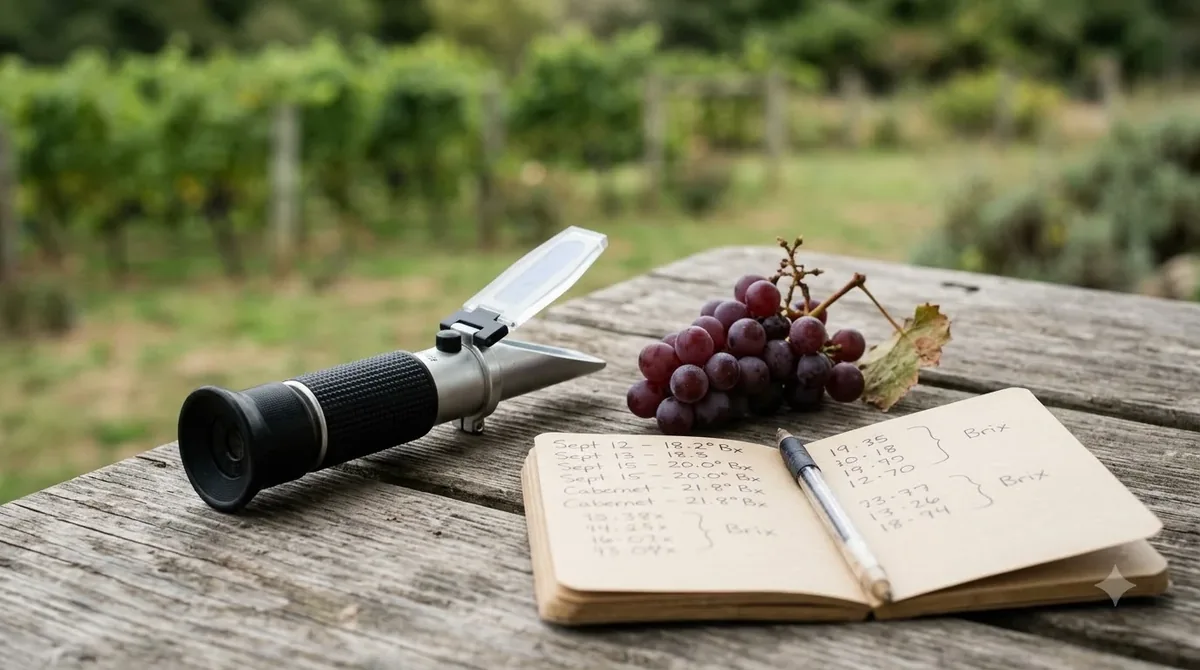
The official appellation is the Ruchè di Castagnole Monferrato DOCG. According to Decanter’s regional profile of the appellation, about 190 hectares of vines are spread across seven villages: Grana, Montemagno, Portacomaro, Refrancore, Scurzolengo, Viarigi and Castagnole Monferrato, which gives the DOCG its name. The vineyards sit on west and southwest-facing slopes between 120 and 350 meters above sea level, on soils that are mostly calcareous marl with varying amounts of clay, sand and silt. Vinology notes that the grape thrives in the region’s calcareous clay and its various microclimates, so the appellation is better understood as a collection of small sites than as one uniform block.
The climate is mild, with rainfall of 600 to 700 millimeters a year, and the vineyards lie between the Alps and the coast, according to Decanter’s regional profile. The grape ripens earlier than most Piedmontese reds and is usually harvested by the end of September. Vinology adds that the vine is resistant to disease. Taken together, the slopes, soils and mild weather help explain the wines’ local character.
The people behind the wine are a small group. Decanter reports about 30 growers and 27 winemakers, and the producers’ association first met informally in 2001 before it was formalized in 2015. According to Decanter, the association represents the vast majority of producers in the DOCG, and its members work the same hills where Don Cauda once tended his vines. That shared focus on one grape and one zone keeps the appellation’s identity clear for buyers who are new to it.
How a Parish Priest Saved the Variety
The grape came close to disappearing before anyone rebuilt its reputation. A parish priest named Don Giacomo Cauda is credited with turning a half-forgotten local vine into a bottled wine.
Vinology describes the variety as nearly extinct by the twentieth century, when only a few vines remained. The regional tourism body notes that little historical information exists for the grape, and that what is known rests largely on oral tradition. Cauda arrived in Castagnole Monferrato in 1964 and was given a few rows of Barbera, Grignolino and Ruchè as part of his parish dowry, according to Decanter. Those vines were semi-abandoned, but he began tending them carefully.
Decanter reports that Cauda was the first to vinify and sell the grape as a dry wine. In the second year of making wine from those rows, he produced a batch of just 28 bottles, and one of them, accidentally uncorked, convinced him to keep going. He then bought a hectare of land and planted 4,000 young Ruchè vines. The wine from that plot became Ruchè del Parroco, and the money it earned paid for an oratory and the renovation of the rectory. Ferraris Agricola now makes a wine called Vigna del Parroco from that original plot, which was the first monovarietal Ruchè vineyard, planted in 1964.
Other producers followed in the 1980s, and the appellation was recognized as a DOC in 1987 and upgraded to DOCG in 2010. The origins of the grape remain a puzzle. Decanter reports one theory that the name comes from the Convento delle Rocche, a Benedictine monastery near Castagnole Monferrato where monks grew the variety. A recent genetic study points to Croatina and Malvasia Aromatica di Parma as its parents, which contradicts some claims that the grape came from Burgundy or Spain. That path, from a parish cellar to a protected denomination, shows how one determined producer can change the future of an obscure grape.
Flavor Profile of Ruche Wines
Ruche wines are aromatic and fruit-driven, with a medium body and a noticeable floral lift. The palate is softer than the color might suggest, so the wines are easy to approach.
Vinology describes the typical flavors as berries, floral notes and peppery spices, with a medium body, moderate acidity and soft tannins. Decanter describes the simplest style as a medium-bodied red with fragrant raspberry, sweet earthy notes and balsamic freshness. On one wine reviewed by Vinology, the nose combined dark fruit with early aromas of roses and a hint of oak, which shows how much a producer’s choices can change the profile.
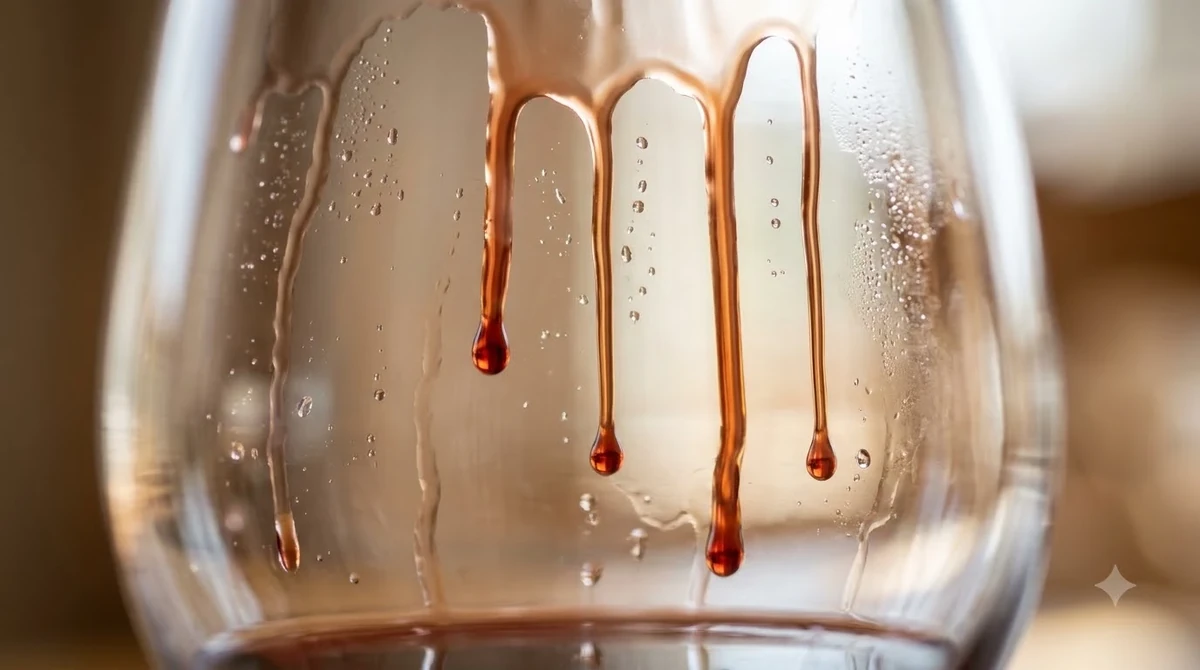
Structure is less obvious than the aroma suggests. Decanter notes that the grape has high levels of polyphenols, which give the wines substance and grip even though their color looks light. Alcohol is the bigger variable. Because the grape’s natural sugar levels are high, finished wines typically run from 13.5 percent to more than 16 percent, so the warmth on the finish can feel larger than the fruit. A drinker who expects a delicate, light red will find more backbone than the color suggests.
Styles, Aging and the Riserva Rules
Most bottles are young, dry reds meant for everyday drinking. The DOCG also allows a more serious Riserva, which must age longer before release.
Under the DOCG regulations, the wine must contain at least 90 percent Ruchè. Up to 10 percent of Barbera or brachetto grape can be blended in, and the minimum alcohol is 12.5 percent by volume, according to the regional tourism body for Langhe, Monferrato and Roero. Because the grape must make up at least 90 percent of the blend, the variety itself sets the character of nearly every bottle. The blending partners play a supporting role, and the Ruchè does most of the work.
The Riserva category arrived in March 2020. According to Decanter, it requires at least 24 months of aging, with at least 12 of those spent in wood. These wines can be rich and almost Port-like in intensity, yet they keep the floral lift and freshness that define the variety. A Riserva is best understood as a different expression of the same grape rather than a different wine, and it suits buyers who want a longer-aged red for a special meal.
Drinking timing matters most for the everyday style. The tourism body advises drinking most bottles two to three years after bottling, which suits the fresh, aromatic character of younger wines. Riservas are built for longer keeping, so they make more sense for a cellar than for an immediate dinner party. Either way, a buyer should plan the drinking window before purchasing rather than after.
Key Numbers Behind the Ruche Grape
A handful of measurable facts explain how the wine is made, sold and served. The table below gathers the most useful figures in one place.
| Measure | Typical figure | What it means for drinkers |
|---|---|---|
| Minimum alcohol under DOCG rules | 12.5% by volume | The legal floor for the style |
| Typical alcohol in finished wines | 13.5% to over 16% | A warm finish, so serve it cool |
| Vineyard altitude | 120 to 350 meters | Hillside sites on west and southwest slopes |
| Serving temperature | 16 to 18 °C (61 to 64 °F) | Keeps the aromas lifted |
| Drinking window after bottling | 2 to 3 years | Best for fresh, younger bottles |
| Riserva aging minimum | 24 months, at least 12 in wood | A richer, longer-aged style |
| Annual production | About 1 million bottles | Small output limits availability |
| Share sold in the local area | About 65% | A large share of the rest goes to the US |
The production figures show how small the appellation is. Decanter reports about one million bottles a year from the DOCG, and roughly 65 percent of that never travels beyond the local taverns. Concentration is also a factor. Decanter reports that Montalbera, which has 110 hectares of vines across Monferrato and the Langhe, accounts for about 60 percent of the DOCG. Vinology describes one grower’s single-hectare vineyard producing about 2,000 bottles a year, which gives a clear sense of the scale that smaller producers work at.
A large share of what remains ends up in liquor stores and on wine lists in the United States, particularly New York, so bottles outside Italy are often scarce. Labels are protected too. Decanter reports that using the varietal name on any wine label outside the DOCG is illegal, so the name signals a wine from the seven-village zone. That protection helps the zone keep control of its identity.
Tip: Look for the full name Ruchè di Castagnole Monferrato DOCG on the front of the bottle. That name marks the wine as coming from the protected zone, which is the clearest sign of where it was made.
Food Pairings for Ruche Wines
Ruche suits food with savory depth and gentle texture. Its soft tannins and moderate acidity keep it flexible, but alcohol and acid set clear limits.
Visitlmr recommends the wine with traditional Piedmontese starters such as agnolotti, typical main courses and cheeses. Its medium body suits roast meats, braised dishes and pasta with rich sauces, where fat and salt soften the tannins and round out the wine. Aged cheeses are a natural partner for the same reason, since their salt and fat make the wine feel smoother on the palate.
Vinology lists rich foods, meats, tomato-based dishes and Asian cuisine as good matches, but tomato needs care. Because the wine has moderate acidity, a sharp tomato sauce can make it taste thin. Choose slow-cooked, meaty sauces with a gentle tomato base, and avoid heavy vinegar or citrus in the same dish. Asian cuisine works best when the seasoning stays savory and the sauces are not sharply sour, so the wine’s fruit and florals remain in view.
Heat is the other limit. Alcohol in the 14 to 15 percent range makes chili heat feel stronger, and tannin adds to the effect. Pick dishes with gentle warmth from ginger, garlic and herbs, and keep chili at a mild level. A spicy dish that suits a lighter, lower-alcohol red can overwhelm a Ruche, so save fiery curries for another bottle.
Serving, Decanting and Storing Ruche Wine
Serve Ruche slightly cool, pour it into a generous glass, and keep leftovers in the refrigerator. These habits protect the floral aromas and keep the wine tasting fresh.
Visitlmr recommends serving the wine at 16 to 18 degrees Celsius, which is 61 to 64 degrees Fahrenheit, in Bordeaux-style glasses. A standard 750-milliliter bottle pours about five glasses at a 5-ounce pour, which makes it a comfortable size for a small dinner. Because the aromas are delicate, a glass that is too warm can make the alcohol feel more prominent than the fruit.
Decanting is optional. A young bottle can open in about 30 minutes, which is enough to lift the aromas without dulling the fruit. Longer than that is rarely needed for a medium-bodied red. Older Riservas may benefit from a short pour into a larger glass before serving, since that gives their floral and spice notes room to show.
Storage is simple. Keep unopened bottles on their side in a cool place, ideally near 55 degrees Fahrenheit. Once opened, recork the bottle and refrigerate it, where a still red like Ruche lasts about three to five days, so finish it within that window. Leftovers that sit longer lose the aromatic lift that makes the grape worth seeking out.
Frequently Asked Questions
Is ruche grape wine sweet?
Today it is dry. Decanter reports that even into the 1970s it was more often a sweet red made in tiny quantities for local celebrations. The dry style that dominates now is therefore a fairly recent change in the wine’s history.
Who helped the grape reach American shelves?
Randall Grahm, founder of Bonny Doon, struck a deal in the early 2000s to import 8,000 cases to the United States under his Il Circo label, according to Decanter. He stopped importing the wine in 2006, but he later planted Ruchè vines in his experimental vineyard, Popelouchum, in San Benito County.
Do Ruche wines always see oak?
Not always. Decanter reports that the wood requirement applies to Riserva, and visitlmr says some bottles show hints of wood. Decanter also notes that some producers include a portion of, or even all, late-harvest fruit, which adds concentration and depth of flavor.
How did recent vintages differ?
Decanter describes 2017 as a very hot, dry season that produced very good grape quality, with harvest starting in early September. The 2020 vintage was harder, because vineyard disease became a problem after five or six rainfalls in a mostly dry summer. In 2021, hail and frost in April cut the crop by around half, and even basic wines topped 15 percent alcohol.
How different is the grape from Nebbiolo?
Decanter quotes Luca Ferraris, president of the producers’ association, saying the grape is completely different from Nebbiolo. He points to hot vintages such as 2015 and 2003 as years when the grape matured well.
The ruche grape rewards a curious drinker. Start with a bottle from the Ruchè di Castagnole Monferrato DOCG, serve it at 61 to 64 degrees Fahrenheit, and pair it with agnolotti or a braised dish. For a broader look at how grape families differ, see Wine by Type.
More in Wine Types & Grapes
 Zinfandel Sugar Content: Dry Red vs. White Zinfandel GramsUpdated Nov 21, 2026
 Best Zinfandel Substitute Options for Sipping and CookingUpdated Nov 21, 2026
 Zweigelt Food Pairing: Best Dishes, Cheeses, and Serving TipsUpdated Nov 21, 2026
 Zinfandel Tannins Explained: How Structure Shapes Every BottleUpdated Nov 21, 2026
 Zinfandel Sweetness Level: Dry Red vs. Sweet White Zin ExplainedUpdated Nov 21, 2026
 Xinomavro Food Pairing: Best Dishes, Styles, and Serving TipsUpdated Nov 21, 2026