

We may earn a commission when you buy through links on this page, at no extra cost to you. Learn more.
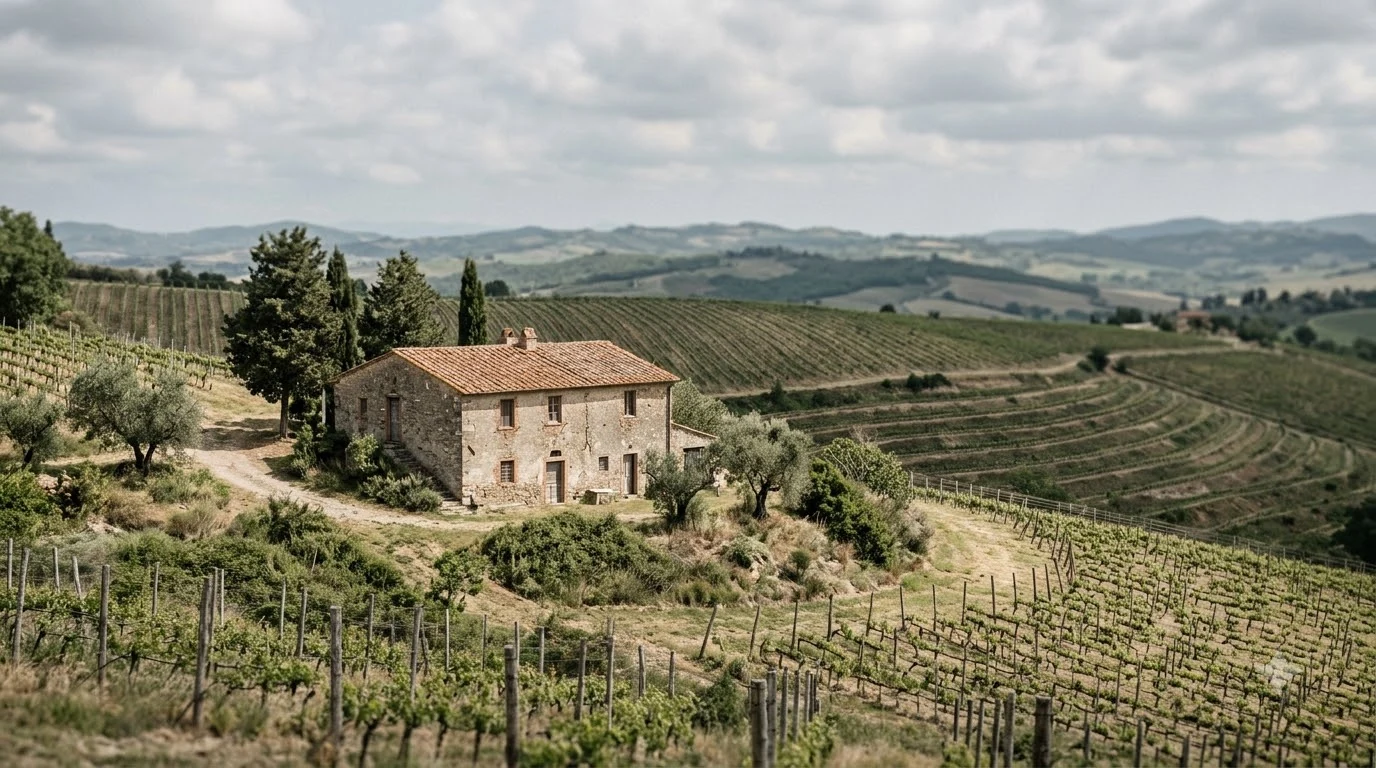
The roussillon wine region sits in the far south of France between the Pyrenees mountains, the Mediterranean Sea, and the Spanish border, producing both structured dry Mediterranean wines and roughly three-quarters of France’s fortified sweet wines. Framed like a natural amphitheater around the city of Perpignan, its 14 Appellations d’Origine Protégée (AOPs) and two Indications Géographiques Protégées (IGPs) rely on 24 authorized grape varieties led by Grenache, Carignan, Syrah, Mourvèdre, and Muscat. Though often grouped administratively with neighboring Languedoc, Roussillon maintains its own Catalan heritage, rugged mountain geology, and distinct winemaking traditions.
For decades, American wine drinkers knew this sun-drenched corner of France mainly for sweet, fortified dessert bottles, yet dry table wines now account for the majority of regional production. Steep terraced vineyards, fierce drying winds, and some of the oldest bush-trained vines in Europe give Roussillon bottles a savory, herb-scented intensity that rewards closer attention.
Overview of the Roussillon Wine Region
Roussillon occupies the Pyrénées-Orientales department in southern France, bordered by Spain to the south, the Mediterranean Sea to the east, the Corbières hills to the north, and the Pyrenees to the west. Shaped like a sunlit amphitheater cut by three rivers—the Agly, the Têt, and the Tech—the region blends French winemaking laws with deep Catalan cultural roots.
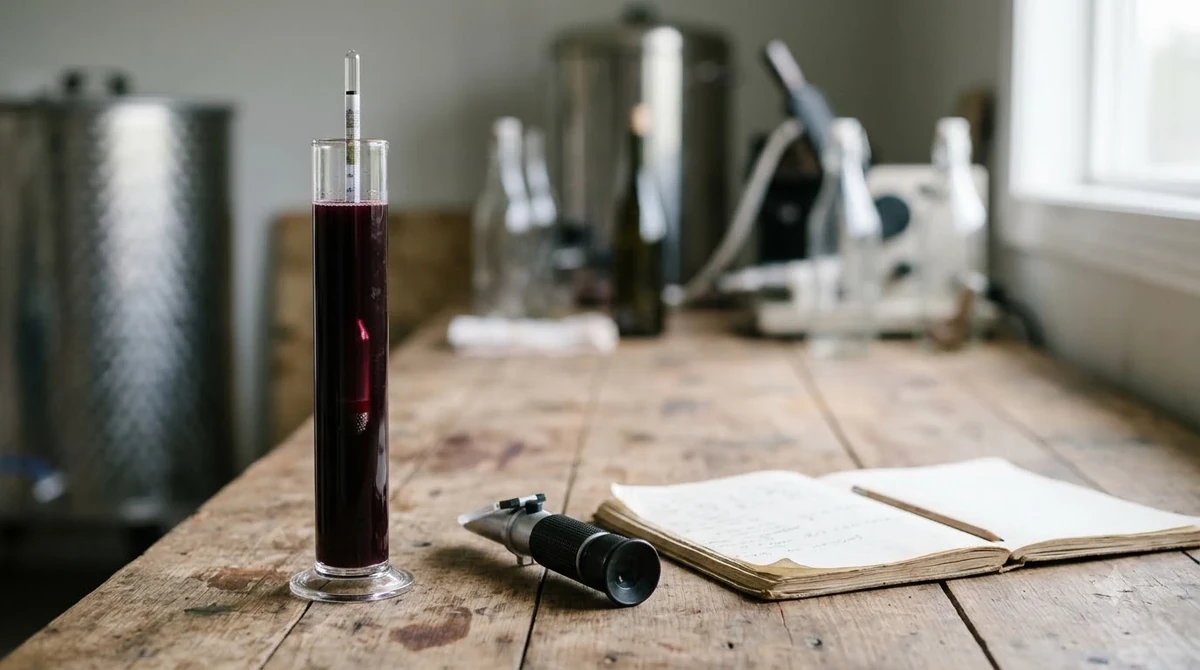
Spain governed Roussillon for centuries until ceding the territory to France in 1659, and that shared history still defines local identity. Street signs in the regional capital of Perpignan appear in both French and Catalan, local kitchens lean toward anchovies, grilled meats, and wild mountain herbs, and growers still cultivate traditional Catalan grapes such as Lledoner Pelut and Maccabeu alongside classic southern Rhône varieties.
Climate and wind shape nearly every vintage here. According to the Wines of Roussillon official council, low average yields—roughly half the French AOP national average—and bright Mediterranean sunshine concentrate flavors in thick-skinned berries. Just as important is the Tramontane, a dry, gusty northwest wind that blows frequently across the valleys, cooling summer temperatures and keeping vineyards dry enough that roughly a third of Roussillon’s vineyard area is certified organic.
Sub-Regions and Major Appellations
Roussillon’s geography splits into distinct river valleys, mountain foothills, and coastal terraces, each recognized under 14 AOPs and two IGPs. Because ancient tectonic shifts fractured the landscape into black schist, decomposed granite, red limestone, and stony river terraces, neighboring villages often produce dramatically different wines.
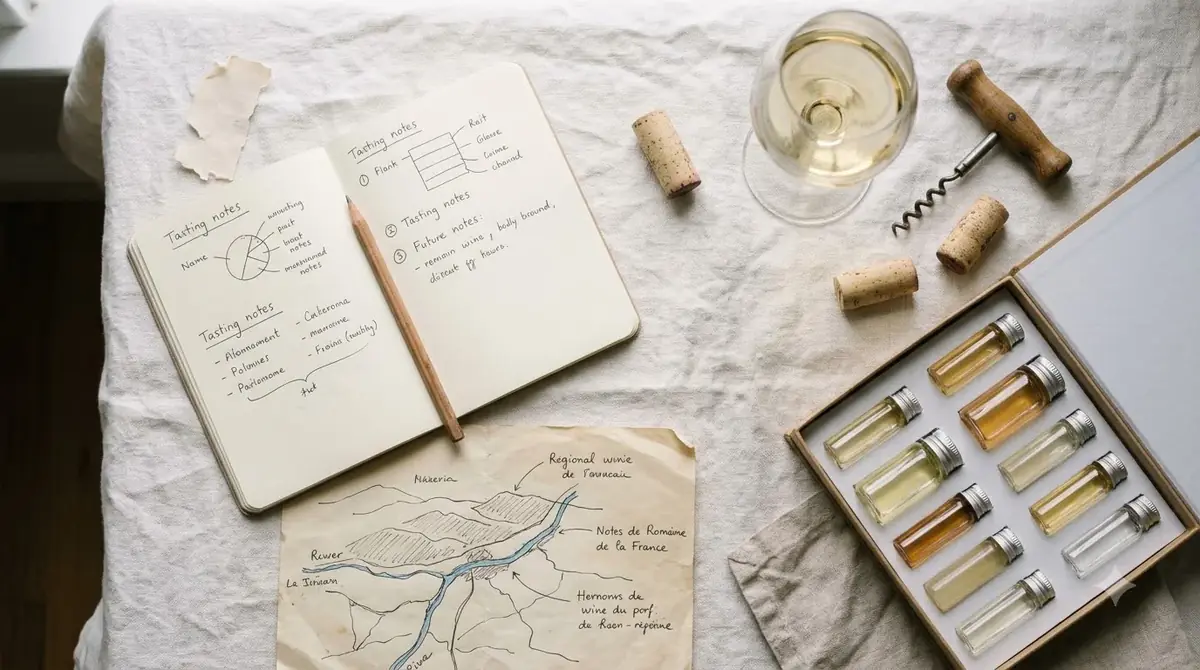
In the north, the Agly Valley sits on dark, heat-retaining black schist and marl surrounded by wild scrubland known as garrigue. This rugged corridor is home to Maury, famous for both fortified reds and dry, mineral-driven Maury Sec, as well as several named village designations within Côtes du Roussillon Villages, including Tautavel, Latour-de-France, Caramany, and Lesquerde. Further south, the rolling gravel and clay hills of Les Aspres sit beneath Mount Canigou, producing structured, full-bodied dry reds.
Along the rocky southern coast where the Albères mountains plunge directly into the Mediterranean, vineyards cling to steep, dry-stone terraces made of Cambrian brown schist. Here, the communes of Banyuls-sur-Mer, Cerbère, Collioure, and Port-Vendres produce two of Roussillon’s benchmark wines: dry, concentrated Collioure reds, whites, and rosés, and fortified Banyuls sweet wines. Meanwhile, the broader IGP Côtes Catalanes covers the entire department and gives innovative growers freedom to bottle single-varietal wines and natural styles outside strict AOP blending rules.
| Appellation | Wine Styles | Key Grapes | Signature Terroir |
|---|---|---|---|
| Côtes du Roussillon AOP | Dry red, white, rosé | Grenache, Syrah, Carignan, Mourvèdre, Grenache Blanc, Maccabeu | Mixed clay, limestone, gravel, and stony river terraces |
| Côtes du Roussillon Villages AOP | Dry red only (including 5 named villages) | Grenache Noir, Syrah, Carignan, Mourvèdre | Black schist, granite, gneiss, and limestone hillsides |
| Collioure AOP | Dry red, white, rosé | Grenache Noir, Mourvèdre, Syrah, Grenache Gris, Grenache Blanc | Steep coastal terraces of brown Cambrian schist |
| Maury AOP (Doux & Sec) | Fortified sweet red/white and dry red (Maury Sec) | Grenache Noir (minimum 75% in sweet reds), Grenache Blanc, Grenache Gris | Non-metamorphic black schist in the Agly Valley |
| Banyuls & Banyuls Grand Cru AOP | Fortified sweet red, white, rosé, tawny | Grenache Noir (minimum 50% to 75%), Grenache Gris, Carignan | Sun-baked coastal schist slopes above the Mediterranean |
| Rivesaltes & Muscat de Rivesaltes AOP | Fortified sweet white, garnet, amber, tawny | Muscat à Petits Grains, Muscat of Alexandria, Grenache, Maccabeu | Stony terraces, clay-limestone, and sandy coastal plains |
Key Grapes and Wine Styles
Winemakers in Roussillon work with 24 authorized grape varieties, relying heavily on old-vine blends rather than single-varietal bottlings. As Wine Enthusiast’s guide to Languedoc and Roussillon highlights, all three color mutations of Grenache—Grenache Noir, Grenache Gris, and Grenache Blanc—thrive across the region’s warm, windy slopes.
Dry red blends form the backbone of modern table wine production. Grenache Noir brings plush raspberry and blackberry fruit alongside generous body, while Carignan—often harvested from gnarled, low-yielding old bush vines—adds dark color, firm acidity, and rustic structure. Syrah contributes violet aromatics and black pepper, Mourvèdre lends savory meatiness and aging potential, and local Lledoner Pelut softens blends with supple texture. Together, these grapes create wines that share DNA with neighboring Spanish jumilla wine region bottlings while retaining distinctly French herbal freshness.
Dry whites and rosés represent a smaller but fast-growing share of regional output. White blends combine Grenache Blanc, Grenache Gris, Maccabeu, Roussanne, Marsanne, and Vermentino into textured, stone-fruited wines with saline minerality, especially near the coast in Collioure. Rosés made from Grenache, Syrah, and Cinsault tend to be deeper in color and fuller on the palate than pale Provençal styles, offering bright red-berry flavor built for the dinner table.
Roussillon’s historical claim to fame remains its Vins Doux Naturels (VDNs), or naturally sweet fortified wines, which account for 75 to 80 percent of France’s entire VDN production. Developed in the 13th century by physician Arnau de Vilanova in Perpignan, the technique—called mutage—involves adding neutral grape spirit during fermentation to halt yeast activity, preserving natural grape sweetness alongside 15 to 17 percent alcohol. Depending on aging, VDNs range from fresh, ruby-colored Rimage and floral Muscat de Rivesaltes to oxidative Ambré, Tuilé, and Rancio styles aged in glass demijohns or barrels under the open sun.
Notable Producers to Know
Roussillon’s wine community combines historic village cooperatives, multi-generational family estates, and a wave of younger winemakers drawn by affordable old-vine parcels. Together, roughly 2,000 family growers, more than a dozen cooperatives, and over 230 private cellars shape what reaches international shelves.
Among long-standing estates, Maison Cazes in Rivesaltes was an early pioneer of biodynamic viticulture and remains a benchmark producer of both dry Côtes du Roussillon blends and aged Rivesaltes fortified wines. In Maury, Mas Amiel has set the standard for black-schist Grenache since the 19th century, crafting everything from youthful Maury Vintage reds to decades-old oxidative cuvées. Domaine Lafage, based near Perpignan, has also become a flagship ambassador for the region in the United States, bottling expressive old-vine cuvées such as Tessellae and Bastide Miraflors across multiple Roussillon terroirs.
Several acclaimed smaller estates highlight the region’s precision and terroir diversity. On the steep coastal slopes of Banyuls and Collioure, Domaine de la Rectorie is widely praised by critics for structured, age-worthy dry Collioure reds and whites alongside classic Banyuls. Inland around Calce and the Agly Valley, estates such as Le Soula, Domaine des Soulanes, Domaine Singla, and Château de l’Ou craft vibrant, mineral-driven dry whites and reds that showcase how fresh high-elevation and schist-grown Roussillon wines can be.
Visiting Tips for Wine Travelers
Visiting Roussillon rewards travelers who plan around coastal winding roads, mountain valleys, and relaxed Mediterranean schedules. Perpignan makes the easiest base for exploring the region, sitting within a 30- to 45-minute drive of both the Agly Valley hills to the northwest and the dramatic coastal cliffs of Collioure and Banyuls-sur-Mer to the south.
Because many top estates are small family operations without full-time tasting room staff, booking appointments at least a few days ahead is essential—especially outside July and August. Larger historic cellars like Mas Amiel and Maison Cazes welcome drop-in visitors during standard business hours, while village cooperatives in towns such as Tautavel and Banyuls offer straightforward tastings across multiple local styles under one roof.
Tip: Pack a windbreaker even in late spring or early autumn, as the Tramontane wind regularly sweeps across hillside vineyards in the Agly Valley and coastal terraces.
Pair vineyard visits with Roussillon’s Catalan food culture for the fullest context. In Collioure, local producers still salt-cure European anchovies using centuries-old methods, which pair naturally with crisp white Collioure or dry Rancio wines. Further inland, simple mountain bistros serve grilled lamb chops with wild thyme and rosemary—an effortless match for savory, garrigue-scented Côtes du Roussillon Villages reds.
How to Buy Roussillon Wines
Shopping for Roussillon wines in the United States becomes much easier once you know how to read the label’s appellation and style cues. Because the region covers both dry table wines and fortified dessert wines—sometimes under nearly identical village names—checking the alcohol level and back-label notes prevents surprises at dinner.
For a reliable, food-friendly dry red, start with bottles labeled Côtes du Roussillon AOP or Côtes du Roussillon Villages AOP, which deliver ripe dark fruit, savory herbal notes, and sturdy tannins suited to roasted meats and braised dishes. If you prefer brighter minerality and finer structure, look for named village bottles like Tautavel or Latour-de-France, or seek out dry Collioure and Maury Sec. Readers who enjoy structured, mountain-grown reds from the bierzo wine region in northwestern Spain or textured coastal whites from Italy’s marche wine region will find a similar balance of ripeness and stony freshness here.
When buying fortified Vins Doux Naturels, pay attention to the aging terms printed on the front label. Words like Rimage, Grenat, or Muscat de Rivesaltes signal youthful, fruit-forward wines bottled early to preserve fresh berry or citrus aromas—ideal slightly chilled with dark chocolate or fruit tarts. Terms like Ambré, Tuilé, Hors d’Âge, or Rancio indicate extended oxidative aging, resulting in nutty, dried-fig, and caramel complexity that pairs beautifully with aged hard cheeses, blue cheese, or roasted nuts.
Frequently Asked Questions
Is Roussillon the same wine region as Languedoc?
No, Roussillon and Languedoc are distinct neighboring wine regions in southern France that are often grouped together for administrative and marketing purposes. While Languedoc stretches from Nîmes to Carcassonne with strong Occitan traditions, Roussillon sits further south against the Spanish border and Pyrenees, shaped by Catalan heritage, steeper mountain amphitheater geography, and a major focus on fortified Vins Doux Naturels.
Are Roussillon wines sweet or dry?
Roussillon produces both dry table wines and sweet fortified wines, though dry reds, whites, and rosés make up the majority of modern volume. Dry wines carry appellations such as Côtes du Roussillon, Côtes du Roussillon Villages, Collioure, and Maury Sec, whereas sweet fortified Vins Doux Naturels are labeled Banyuls, Maury Doux, Rivesaltes, or Muscat de Rivesaltes.
What food pairs best with Roussillon red wine?
Dry Roussillon red blends pair naturally with hearty, herb-seasoned dishes such as grilled lamb, braised beef short ribs, duck confit, cassoulet, and roasted root vegetables. For fortified red Banyuls or Maury, classic pairings include bittersweet dark chocolate desserts, blue cheeses like Roquefort, and walnut tarts.
How should you serve Roussillon fortified wines?
Serve youthful, fruity Vins Doux Naturels like Muscat de Rivesaltes and Banyuls Rimage lightly chilled so their fresh floral and berry aromas stay crisp rather than cloying. Oxidative styles such as Rivesaltes Ambré or Banyuls Hors d’Âge show best at cool cellar temperature in standard white wine glasses, and opened bottles remain fresh in the refrigerator for several weeks.
From wind-scoured schist slopes above the Mediterranean to ancient bush-vine parcels tucked beneath the Pyrenees, the Roussillon wine region offers remarkable range in a compact footprint. Exploring its dry coastal whites, savory Grenache-driven reds, and sun-aged sweet wines opens up one of France’s most distinctive corners—and fits right alongside other classic Wine Regions worth keeping on your radar.
More in Wine Regions
 Willcox Wine Trail: Discover Arizona’s High-Elevation Wine CountryUpdated Nov 20, 2026
 Yakima Valley Wine Region: Find the Best Styles to TryUpdated Nov 20, 2026
 Vosne Romanee Wine Tasting: Identify Aromas and Choose Better PairingsUpdated Nov 20, 2026
 Yakima Valley Wine Festival: Find the Best Seasonal Wine EventsUpdated Nov 20, 2026
 Wales Vineyards: Discover Cool-Climate Wines and Where to VisitUpdated Nov 20, 2026
 Yountville Wine Festival: Discover Napa Wines and Local FoodUpdated Nov 20, 2026