

We may earn a commission when you buy through links on this page, at no extra cost to you. Learn more.
Rodney Strong wine price typically ranges from about $10 to $30 for standard Sonoma County and appellation wines, while Reserve and single-vineyard bottles can cost considerably more. The Sonoma-based winery offers Cabernet Sauvignon, Merlot, Pinot Noir, Chardonnay, Sauvignon Blanc, and specialty red blends across several collections. The biggest price differences come from grape variety, vineyard location, production tier, and the level of selection involved in making each wine.
Rodney Strong occupies an interesting position in the American wine market: its entry-level bottles are accessible enough for everyday dinners, while its Reserve and vineyard-designated wines reach into more premium territory. Understanding the collection names makes comparing bottles much easier. Rather than assuming every bottle carrying the Rodney Strong label belongs in the same price category, shoppers should consider whether they are buying a Sonoma County varietal, an appellation-specific wine, or a limited-production release.
Who This Is For
Rodney Strong is worth considering for wine drinkers who want recognizable Sonoma County wines at different spending levels. Its portfolio includes approachable bottles for regular meals as well as more concentrated Cabernet Sauvignon and site-specific wines for special occasions.
Everyday wine shoppers will generally find the most accessible options in the Sonoma Collection. These wines offer familiar varietal choices, including Cabernet Sauvignon, Merlot, Pinot Noir, Chardonnay, and Sauvignon Blanc. They are practical choices for someone who wants a dependable California wine without moving into the higher-priced Reserve or single-vineyard categories.
Shoppers interested in regional character may prefer the Estates or Limited collections. For example, Russian River Valley Pinot Noir offers a different regional expression from a fuller Alexander Valley Cabernet Sauvignon. Someone who enjoys exploring how location affects wine style may find these distinctions more important than the grape variety alone.
Rodney Strong also suits buyers who are curious about the difference between conventional regional bottlings and more carefully selected wines. The Reserve collection uses additional sorting and extraction techniques, while its single-vineyard Cabernet Sauvignon releases emphasize particular vineyard sites. These are relevant distinctions for someone considering a bottle for a celebration, a substantial dinner, or a wine-focused gift.
For shoppers exploring other California producers, the broader Wine Brands category provides a useful starting point for comparing regional styles and winery portfolios.
Key Factors to Compare
The most useful way to compare Rodney Strong bottles is to look at collection, appellation, grape variety, and production style together. These factors explain why two bottles from the same winery can occupy very different retail price brackets.
| Wine category | Typical US retail range | What to expect | Best suited to |
|---|---|---|---|
| Sonoma County varietals | About $10–$20 | Accessible regional wines and familiar grape varieties | Everyday drinking |
| Estate and appellation wines | About $15–$30 | More specific regional identity and vineyard character | Regional wine exploration |
| Reserve wines | About $35–$70 | More selective production and premium positioning | Special dinners and gifts |
| Single-vineyard Cabernet Sauvignon | About $60–$100 | Distinctive vineyard expression and limited production | Collectors and Cabernet enthusiasts |
These are indicative US retail ranges rather than fixed winery prices. Total Wine’s Rodney Strong wine listings show standard 750 ml bottles such as Sonoma Cabernet Sauvignon, Merlot, and Sauvignon Blanc in approximately the $10–$18 range, while its Russian River Chardonnay and Knights Valley Cabernet Sauvignon listings occupy a higher tier around $26 to $27. Prices vary by state and retailer, and availability can change.
The premium estimates represent a different comparison. Retail listings and wine-market references place Reserve Cabernet Sauvignon and named single-vineyard releases in substantially higher categories than standard Sonoma County bottlings. For example, premium Cabernet releases such as Alexander’s Crown and Rockaway can reach considerably higher retail tiers. These estimates should be treated as broad shopping guidance rather than guaranteed prices for every vintage or retailer.
Collection matters more than the label alone
The winery identifies four principal collections: Sonoma, Estates, Reserves, and Limited. Sonoma wines are sourced primarily from estate vineyards and focus on Sonoma County fruit. Estates wines highlight individual appellations and the relationship between grape variety and growing conditions.
Reserve wines involve more selective cellar practices, including berry sorting, cold soaking, and extended maceration. The Limited Collection emphasizes small-production wines from notable growing areas such as Russian River Valley and Knights Valley. This structure helps explain why the same winery can offer relatively accessible Chardonnay alongside a much more expensive premium release.
The winery’s official Rodney Strong collection descriptions explain how these four categories differ in sourcing, vineyard emphasis, and winemaking. Checking the collection is one of the quickest ways to understand a bottle’s intended market position.
Vineyard location affects the style
Rodney Strong has a long history in Alexander Valley, Chalk Hill, and Russian River Valley. Alexander Valley is particularly important for Cabernet Sauvignon, while Russian River Valley is associated with Pinot Noir and Chardonnay. Chalk Hill has a distinctive identity for Chardonnay, including wines characterized by citrus, mineral, floral, and baked-apple notes.
For additional background on the winery’s portfolio, the Rodney Strong wine overview can help shoppers understand how the main collections and grape varieties fit together.
Step-by-Step: How to Compare Rodney Strong Bottles
A simple comparison process helps prevent overspending on a bottle whose style or production tier is not particularly important to the occasion. Start with the type of wine you want, then compare its collection and regional designation.
-
Choose the grape variety.
Decide whether you want Cabernet Sauvignon, Merlot, Pinot Noir, Chardonnay, or Sauvignon Blanc. Cabernet Sauvignon is generally fuller and more tannic, while Pinot Noir tends to have lighter tannins and more pronounced acidity. Chardonnay offers a different experience from the fresher, more citrus-driven style commonly associated with Sauvignon Blanc.
-
Identify the collection.
Look for Sonoma, Estates, Reserves, or Limited. A Sonoma County bottling is generally the logical starting point for an everyday purchase. Reserve and Limited wines are more appropriate if you specifically want a more selective or distinctive expression.
-
Compare the appellation.
Alexander Valley, Russian River Valley, Chalk Hill, and Knights Valley each have different growing conditions. Consider whether you prefer structured Cabernet Sauvignon, cooler-climate Pinot Noir, or a Chardonnay associated with Chalk Hill.
-
Compare the bottle size.
Use 750 ml as the standard comparison size. This is the conventional bottle size represented by most of the retailer listings for Rodney Strong. A larger format should not be compared directly with a standard bottle without adjusting for volume.
-
Check the vintage and availability.
Different vintages can appear at different retailers, and a wine’s availability may change over time. Compare bottles from similar production categories before deciding that one is unusually expensive.
-
Consider the occasion.
A standard Sonoma Cabernet Sauvignon may be sufficient for a casual dinner, while a single-vineyard Cabernet can make more sense for a special meal or a gift for someone who appreciates Sonoma wine.
-
Compare the final retail range.
Check at least two retailers that sell the same wine category and bottle size. Regional availability, state alcohol regulations, shipping restrictions, and retailer inventory can all influence the final amount.
Tip: Compare Rodney Strong wines by collection and appellation before comparing their retail prices. A standard Sonoma County Cabernet Sauvignon and an Alexander Valley single-vineyard Cabernet Sauvignon are different levels of wine, even though both carry the same producer’s name.
Types and Styles Explained
Rodney Strong’s portfolio covers several popular wine styles, with the largest distinctions appearing between its everyday varietal wines and its premium regional releases. Understanding the characteristics of each grape makes it easier to select a bottle that matches your meal and preferences.

Cabernet Sauvignon
Cabernet Sauvignon is one of Rodney Strong’s most recognizable offerings. The winery has a longstanding connection to Alexander Valley, where its Cabernet vineyards include Alexander’s Crown, Rockaway, and Brothers. These wines are associated with dark fruit, cassis, plum, and more structured tannins.
The standard Sonoma County Cabernet is a practical introduction to the producer’s red wines. Alexander Valley Cabernet Sauvignon offers a more specific regional identity, while Reserve and single-vineyard selections represent more premium choices. The winery describes Alexander’s Crown as producing ripe fruit flavors, while Rockaway and Brothers offer different expressions of the Alexander Valley growing environment.
Cabernet’s relatively high tannin level makes it particularly suitable for dishes with substantial protein and fat. Grilled beef, lamb, aged hard cheeses, and slow-cooked meat dishes are natural pairing options.
Merlot
Merlot is a useful alternative for people who enjoy red wine but prefer a softer tannin profile than Cabernet Sauvignon. Rodney Strong’s Sonoma Merlot provides a more approachable route into the winery’s red portfolio, while Merlot also appears in some of its vineyard and blending programs.
Its medium tannins and softer texture make it suitable for roast chicken, grilled pork, mushroom dishes, and moderately rich pasta sauces. Shoppers who find Cabernet too firm may prefer Merlot for a regular dinner bottle.
Pinot Noir
Rodney Strong’s connection to Russian River Valley is particularly relevant for Pinot Noir. Rod Strong began planting Pinot Noir in the area in 1968, recognizing the potential of its cooler growing conditions. The winery continues to offer Russian River Valley Pinot Noir as part of its portfolio.
Pinot Noir generally has lower to medium tannins and relatively high acidity compared with Cabernet Sauvignon. Its red-fruit character and lighter structure make it versatile with roasted poultry, salmon, mushroom risotto, and dishes featuring herbs rather than heavy sauces.
For shoppers choosing between the two principal red styles, the Rodney Strong red wine selection is a useful way to compare the available Cabernet Sauvignon, Merlot, and Pinot Noir options.
Chardonnay
Chardonnay is another important part of the producer’s Sonoma identity. Rodney Strong has a particularly strong historical association with Chalk Hill, where Rod Strong planted Chardonnay vines in the early 1960s and introduced a Chalk Hill-labeled Chardonnay in 1977.
Chalk Hill’s soils and growing conditions contribute to the regional expression. The winery associates its Chardonnay with citrus and mineral notes, floral characteristics, and baked-apple flavors. Russian River Valley Chardonnay provides another regional expression, while standard Sonoma Chardonnay is a more straightforward starting point.
Chardonnay generally has medium acidity, although its perceived richness can vary with winemaking choices. It works well with roast chicken, creamy seafood pasta, grilled halibut, and dishes featuring butter or mild cream sauces.
Sauvignon Blanc and other wines
Sauvignon Blanc is a good option for shoppers who prefer fresh white wine with relatively high acidity. Rodney Strong offers Sonoma County and Alexander Valley expressions. These wines can work particularly well with goat cheese, salads, grilled vegetables, shellfish, and lighter seafood dishes.
The winery also produces rosé and red blends, including Symmetry. Symmetry occupies a more premium position than standard Sonoma varietal wines. Its blend-based approach makes it a different choice from a single-grape Cabernet Sauvignon or Pinot Noir.
Shoppers comparing the winery’s white wines can also consult the Rodney Strong white wine overview for additional information about Chardonnay and Sauvignon Blanc styles.
Common Mistakes When Comparing Prices
The most frequent mistake is treating every Rodney Strong bottle as directly comparable. The winery has multiple collections, appellations, and vineyard-designated releases, so a simple comparison of bottle labels can overlook meaningful differences in production and regional identity.
Comparing different wine categories
A Sonoma County Cabernet Sauvignon should not be compared with Alexander’s Crown as if both represent the same production tier. The former is a regional varietal wine, while the latter is a named single-vineyard Cabernet Sauvignon with a more specific origin.
The same principle applies to Chardonnay. A standard Sonoma bottling and a Chalk Hill or Russian River Valley Chardonnay can have different production positioning and regional characteristics. A higher retail range does not automatically mean the more expensive bottle will be the better choice for every drinker.
Assuming every Cabernet is the same
Cabernet Sauvignon from Alexander Valley and Knights Valley can express different growing conditions. Alexander Valley has a warm climate moderated in some areas by ocean breezes and evening fog. Knights Valley is the easternmost Sonoma County appellation and is described by the winery as the county’s warmest viticultural region.
These differences matter because grape ripeness, fruit concentration, tannin structure, and regional expression can influence the finished wine. Buyers should consider the appellation and the intended drinking experience rather than selecting exclusively by grape name.
Ignoring the vintage
Two bottles carrying the same wine name may come from different vintages. Weather conditions during the growing season can affect grape development, while retailer inventories may include bottles from more than one harvest year.
Vintage differences are particularly relevant for premium Cabernet Sauvignon and single-vineyard releases. A retailer’s listed price can also reflect remaining inventory or the availability of a particular vintage. It is better to compare the same wine and vintage where possible than to draw conclusions from unrelated listings.
Confusing a retailer’s location with a national price
Alcohol retail prices are not uniform across the United States. State taxes, distribution arrangements, local competition, shipping restrictions, and retailer inventory all influence what shoppers encounter.
For example, a listing from a California-focused retailer may not reflect the amount available in New York or another state. A displayed online price should therefore be treated as a retail reference rather than a guaranteed nationwide price.
Paying for a premium tier without needing it
Reserve and single-vineyard wines can be appealing, but their additional production selection and regional specificity may not matter to someone buying wine for an informal gathering. A standard Sonoma Cabernet Sauvignon or Russian River Pinot Noir may offer a more suitable balance of style and spending for everyday occasions.
Premium releases make more sense when their particular characteristics are important to the occasion. Someone interested in comparing vineyard expressions, for instance, may find Alexander’s Crown or Rockaway more interesting than a general regional bottling.
Care and Storage Tips
Proper storage and serving temperatures help preserve the qualities of Rodney Strong wines after purchase. Red and white wines need different serving conditions, and an opened bottle should be stored differently from an unopened one.
Store unopened bottles correctly
Keep unopened bottles in a cool, dark location with a relatively stable temperature near 55°F. Avoid direct sunlight, strong temperature fluctuations, and storage next to appliances that generate heat or vibration.
Traditional cork-closed bottles are best stored on their sides so the cork remains in contact with the wine. This helps prevent the cork from drying out over extended storage. Bottles intended for immediate consumption do not require elaborate cellar equipment, but a cool cupboard away from the kitchen is preferable to a warm countertop.
Serve reds at suitable temperatures
Fuller-bodied Cabernet Sauvignon and structured red blends generally show well around 60–65°F. Lighter-bodied Pinot Noir and Merlot are often more expressive around 55–60°F.
Serving red wine too warm can make alcohol seem more prominent and can reduce the impression of freshness. If a bottle has been sitting in a warm room, a short period in the refrigerator can bring it closer to the preferred serving range.
Serve white wines chilled, not icy
Rodney Strong Sauvignon Blanc and rosé generally benefit from serving temperatures around 45–50°F. Fuller Chardonnay is usually better around 50–55°F, allowing its texture and aromatic character to remain noticeable.
Overchilling can suppress aromas and make a white wine seem less expressive. A bottle taken directly from a very cold refrigerator may benefit from a few minutes at room temperature before pouring.
Preserve opened bottles
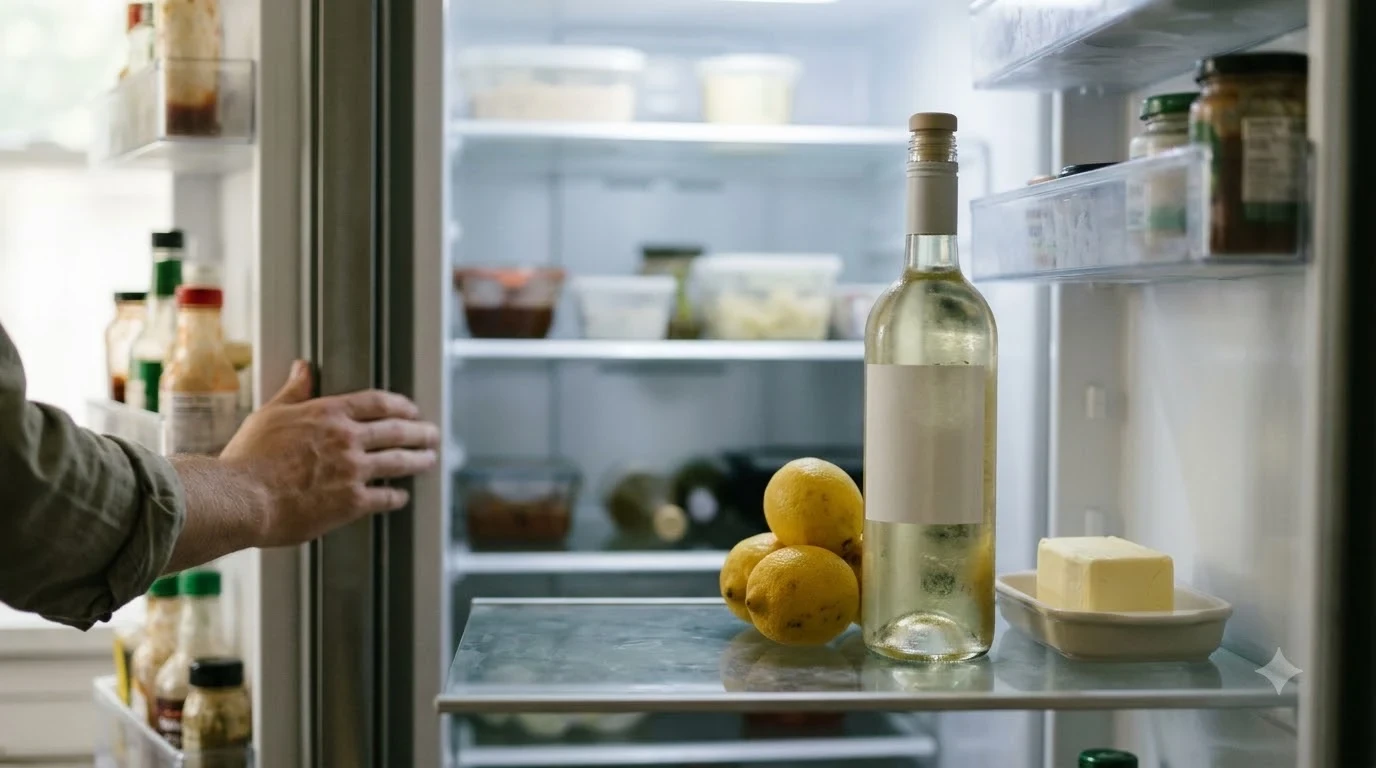
Once opened, still wines generally remain in good drinking condition for approximately three to five days when resealed and refrigerated. The exact period depends on the wine, its exposure to oxygen, storage temperature, and how much remains in the bottle.
Use a suitable wine stopper, keep the bottle upright in the refrigerator, and limit unnecessary exposure to air. Before serving again, allow a red wine to warm slightly toward its preferred serving temperature. White wines can be poured directly from the refrigerator if they are not excessively cold.
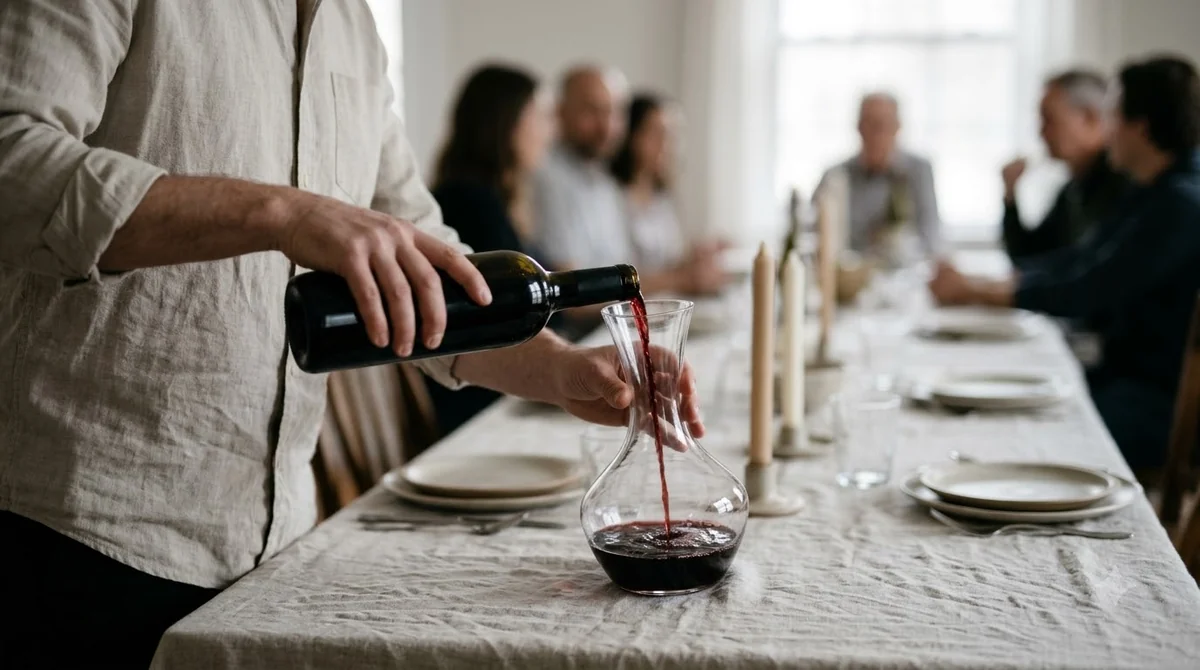
Young, full-bodied Cabernet Sauvignon may benefit from 30–60 minutes of decanting, particularly when served alongside grilled beef or other substantial dishes. Pinot Noir and lighter Merlot generally need less aggressive aeration. Decanting is a serving preference rather than a requirement for every bottle.
Frequently Asked Questions
Is Rodney Strong considered a luxury wine brand?
Rodney Strong is better understood as a multi-tier Sonoma producer rather than an exclusively luxury label. Its portfolio ranges from accessible regional varietals to premium Reserve and single-vineyard wines. The winery’s historical significance in Sonoma County is also tied to its early work with Alexander Valley Cabernet Sauvignon and Chalk Hill Chardonnay.
Does Rodney Strong produce organic wine?
Estate vineyard ownership and farming do not automatically establish that a wine is certified organic. Organic certification applies to specific vineyard and production requirements, and it should not be assumed for the entire Rodney Strong portfolio. Shoppers specifically seeking certified organic wine should look for an applicable certification on the individual bottle or official product information.
Where is Rodney Strong Vineyards located?
The winery’s tasting room is at 11455 Old Redwood Highway in Healdsburg, California. Healdsburg is in Sonoma County, a major California wine-producing region. Its location provides access to several important Sonoma growing areas, including Alexander Valley and Russian River Valley.
What is the difference between Rodney Strong and Davis Bynum?
Both names appear within the broader Rodney Strong wine portfolio, but Davis Bynum has its own wine identity and focuses particularly on cool-climate Pinot Noir and Chardonnay. The Davis Bynum label is associated with Russian River Valley winegrowing. Buyers comparing the two should consider the individual producer identity and appellation rather than assuming the wines have identical styles.
Can Rodney Strong wines be aged for several years?
Some premium Cabernet Sauvignon and Reserve releases have greater aging potential than straightforward everyday varietal wines. However, aging suitability depends on the specific wine, vintage, tannin structure, acidity, and storage conditions. A standard regional Sauvignon Blanc or lighter Pinot Noir is generally better approached as a wine to enjoy relatively young rather than automatically cellaring every bottle.
Rodney Strong offers a broad selection of Sonoma County wines, with accessible varietals at one end and premium vineyard-focused releases at the other. For most shoppers, starting with a standard Cabernet Sauvignon, Merlot, Pinot Noir, or Chardonnay is a sensible way to discover the producer’s style before moving into Reserve or Limited wines. Compare the collection, appellation, vintage, and bottle size together to find the right Rodney Strong wine for your occasion and budget.
More in Wine Brands
 Underwood Wine Price: Compare Bottles, Cans, and Pack SizesUpdated Nov 21, 2026
 Zenato Wine Price: Compare Styles and Choose the Right BottleUpdated Nov 21, 2026
 Zuccardi Wine Price: Compare Bottles and Find the Right RangeUpdated Nov 21, 2026
 Yellow Tail Moscato Review: Taste, Sweetness and Serving TipsUpdated Nov 21, 2026
 Wolf Blass Yellow Label Review: Choose Your Best StyleUpdated Nov 21, 2026
 Wolffer Estate Rose Review: Choose the Right Bottle for Your TableUpdated Nov 21, 2026