

We may earn a commission when you buy through links on this page, at no extra cost to you. Learn more.
The phrase riunite white wine usually refers to Riunite Bianco, an Italian white blend with a gently sparkling character and 8% alcohol by volume. It is light, fruit-forward, and softly sweet rather than crisp and bone-dry. Expect notes that suggest apples, pears, citrus, and ripe stone fruit, with enough freshness to make the wine useful at casual meals. Serve it thoroughly chilled and pair it with seafood, fried foods, mild cheeses, or dishes that welcome a touch of fruitiness.
Riunite is best known in the United States for its approachable Lambrusco, but the producer’s range also includes a white wine called Bianco. The name can cause confusion because Bianco means “white” in Italian and is used across many unrelated wines. In this case, the useful starting points are the bottle’s identity, its modest alcohol level, its gently sweet profile, and the foods that suit its light texture.
What Riunite Bianco Is
Riunite Bianco is a white blend from Italy associated with Emilia-Romagna. The current U.S. producer listing gives it an alcohol level of 8% ABV and offers it in 750 mL, 1.5 L, and 3 L bottles, making it a casual, shareable style rather than a wine built around long aging or elaborate ceremony.
The word “Bianco” identifies the wine’s color, not a single grape variety. Vivino lists the wine as a nonvintage Italian white blend, while the Icelandic state wine retailer Vínbúðin also identifies it as a 750 mL white wine at 8% ABV. Those listings point to the same basic bottle even though catalog descriptions can differ in how they spell out the blend or summarize its style.
Riunite itself has roots in Emilia-Romagna. Its importer, Frederick Wildman & Sons, says nine wine producers joined forces in the 1950s to establish the Cantina Cooperative Riunite and describes the brand as remaining under the ownership of vine-growing families. That cooperative background helps explain the brand’s broad range: Lambrusco is its signature, but Bianco sits alongside rosé, Moscato, and flavored offerings in the wider portfolio.
For a buyer, the most practical distinction is that Riunite Bianco is not the same wine as Riunite Lambrusco. Lambrusco is a red grape family and typically produces red or rosé wines; Bianco is the separate white blend. The two share a producer and an easygoing approach, but the color, grape composition, and expected flavor are different. The producer’s Riunite Bianco listing is the clearest reference for the U.S. bottling’s stated 8% ABV and available bottle formats.
Grapes and the Emilia-Romagna Connection
Riunite Bianco is generally listed as a blend of Garganega, Sauvignon Blanc, and Trebbiano. These grapes contribute different parts of the wine’s profile: gentle orchard-fruit character, fresh citrus-like lift, and a straightforward white-wine structure.
Garganega is associated with northern Italian whites and can bring mellow pear, apple, and stone-fruit impressions. Sauvignon Blanc is often more aromatic and sharper in acidity, with citrus or herbal notes depending on where it is grown and how it is made. Trebbiano is a broad family name used for several Italian white grapes; in blends, it is often valued for freshness and a relatively neutral frame that allows other components to show.
Catalogs do not always describe a blend at the same level of detail. Vivino and Vínbúðin list Garganega, Sauvignon Blanc, and Trebbiano, while a historic Riunite portfolio entry names Trebbiano Romagnolo specifically. Treat that last detail as a more precise description found in older portfolio material, not as a guarantee that every current bottling has an identical formula. The blend can be adjusted as the producer selects lots and maintains a consistent house style.
Emilia-Romagna, in northern Italy, is a region with a strong food culture and a substantial wine industry. It is especially famous for Lambrusco, but its vineyards also grow white grapes such as Trebbiano, Garganega, and Sauvignon Blanc. The region’s association with cured meats, fresh pasta, seafood from the Adriatic coast, and aged cheeses offers a natural context for a bright, modestly sweet white blend. Riunite’s importer profile outlines the cooperative’s regional origins and its broader portfolio.
Flavor, Sweetness, and Texture
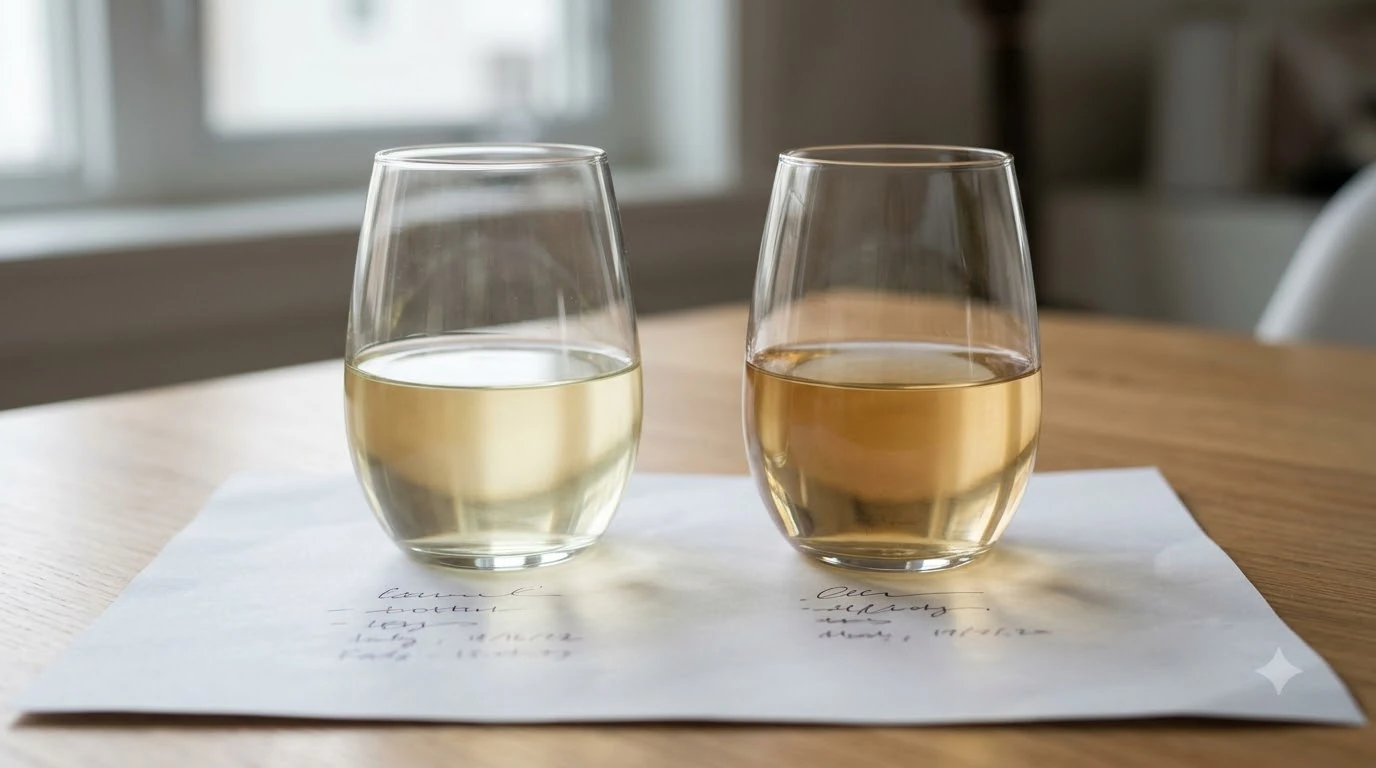
Riunite Bianco is best approached as a lightly sweet, fruit-led white rather than a dry, mineral-driven wine. Its published descriptions emphasize a straw-yellow color, a fruity and inviting aroma, and a light, harmonious taste with a mellow sweetness; independent tasting summaries add citrus, white peach, and floral impressions.
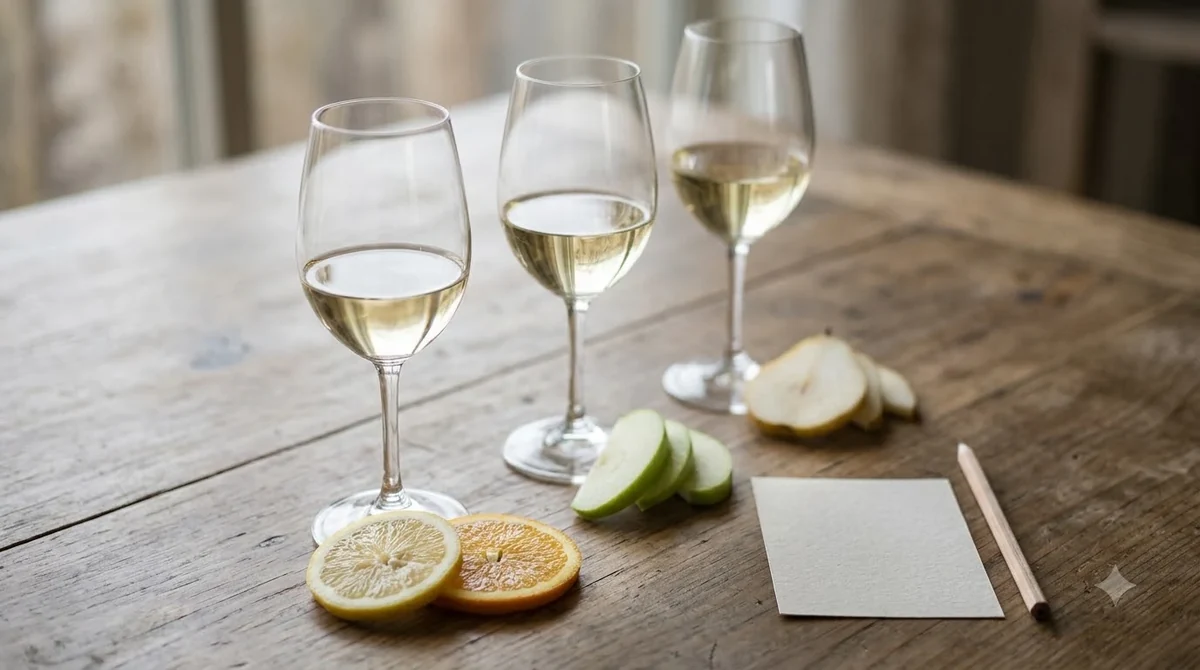
In practical terms, look for familiar fruit rather than a complicated sequence of aromas. Apple and pear are useful reference points, with citrus and ripe stone fruit adding brightness. Some descriptions mention tropical fruit, while others focus on white peach, honeysuckle, or citrus blossom. These are overlapping tasting impressions, not ingredients added to the wine. Temperature, glass shape, bottle variation, and a drinker’s own sensitivity can all change which note seems most obvious.
Its sweetness is noticeable but not dessert-wine rich. A useful everyday description is off-dry or gently sweet: there is enough residual sweetness to round the fruit, but the wine still works as a table white. That makes it different from a bone-dry Sauvignon Blanc or a sharply acidic Pinot Grigio, and also different from a syrupy dessert wine. The wine’s fresh side helps keep the finish from feeling heavy.
Body and acidity are also important. Tasting profiles generally place Bianco around medium body and medium acidity, although its light alcohol level and gentle fruit make it seem easygoing. It is not a high-acid white intended to cut through rich sauces on its own, nor is it a full-bodied Chardonnay with pronounced oak or buttery texture. Think of it as a friendly middle ground for uncomplicated meals and informal gatherings.
The label wording and the wine’s style should be read together. The product name identifies the white wine, while the 8% ABV listing gives a concrete clue to its lighter structure. For a closer comparison of alcohol figures across familiar bottles, readers can also look at Riunite wine alcohol content and Black Box Pinot Grigio alcohol content. Those comparisons are useful for understanding strength, but alcohol percentage alone does not tell you how sweet or acidic a wine tastes.
How Riunite Bianco Gets Its Gentle Sparkle
Riunite has a long association with lightly sparkling wines, and historical Bianco portfolio material describes a natural, gentle sparkle created by refermentation. Riunite’s own explanation of its broader sparkling-wine process describes a second fermentation in pressurized stainless-steel tanks, a method commonly known as the Charmat method.

In this approach, the base wine undergoes an initial fermentation, then a second fermentation takes place in a sealed tank. Carbon dioxide produced during fermentation is retained in the wine rather than allowed to escape, creating bubbles. The wine is kept under pressure during handling and bottling so that the finished bottle retains its fresh, lightly effervescent character.
This is different from the traditional bottle-fermentation method used for Champagne and Cava, where the second fermentation occurs in each individual bottle. Tank fermentation is well suited to fresh, fruit-forward wines intended to be enjoyed young. It helps retain primary fruit aromas and produces a more relaxed sparkling texture than the persistent, fine mousse expected from many traditional-method wines.
Because the exact level of fizz can vary by bottling and market, it is helpful to think of Riunite Bianco as gently sparkling or softly effervescent when that character is present, not as a full Champagne-style sparkling wine. The bubbles should complement the fruit rather than dominate it. Pour slowly into a chilled white-wine glass to keep the sparkle tidy and avoid losing too much carbonation in a wide bowl.
Serving Temperature, Glassware, and Storage
Serve Riunite Bianco cold, around 40–50°F if it shows its lightly sparkling character. A practical target is about 44–46°F: cold enough to keep the wine lively, but not so cold that its pear, apple, and citrus aromas become difficult to notice.
A refrigerator is usually enough to chill the bottle. If the wine starts at room temperature, allow roughly 2 hours in the refrigerator; a bucket filled with half ice and half water can chill it faster, often in about 20–30 minutes. Avoid leaving the bottle in the freezer, where it can be forgotten, partly freeze, or develop pressure-related problems if it is sparkling.
Use a small white-wine glass or a tulip-shaped glass rather than a large red-wine bowl. A narrower opening helps retain the wine’s light aromas and any bubbles, while a moderate bowl still gives enough room to swirl. A standard pour is 5 oz, and a 750 mL bottle yields about five such servings. That makes it easy to estimate how many bottles are needed for a small dinner or a larger group.
| Measure | Typical amount | What it means |
|---|---|---|
| Alcohol by volume | 8% | Listed strength of Riunite Bianco |
| Standard bottle | 750 mL | About five 5 oz pours |
| Large bottle | 1.5 L | About ten 5 oz pours |
| Party-size bottle | 3 L | About twenty 5 oz pours |
| Serving temperature | 40–50°F | Chilled range for sparkling wine |
Once opened, keep the bottle cold and tightly sealed. A sparkling stopper is more effective than a loose cork for slowing the loss of carbonation. Aim to finish the wine within 1–3 days for the best balance of freshness and fizz; it may remain drinkable longer, but the bubbles and bright fruit usually fade first. Store unopened bottles in a cool, dark place away from sunlight, heat, and vibration, and chill shortly before serving rather than keeping the bottle in a warm kitchen.
Tip: Chill the bottle before guests arrive, then pour smaller 3–4 oz first servings if you are offering several wines. The wine stays colder in the glass, and guests can return for a top-up without leaving a large pour to warm on the table.
Food Pairings That Suit Its Fruit and Freshness
Riunite Bianco works best with foods that match its gentle sweetness and modest weight. Seafood, fried fish, and fried chicken are producer-recommended starting points; shellfish, mild cheeses, light pasta, and lightly seasoned appetizers also make sense with its fruit-forward character.
Seafood and fried dishes
Try it with shrimp, scallops, fish tacos without heavy chili heat, or a plate of fried calamari. A lightly sweet white can be pleasant beside a crisp coating and a squeeze of lemon, while its fruit helps soften the savory edge of fried food. Fried chicken is another natural match: the wine’s freshness refreshes the palate, and the mild sweetness sits comfortably beside a golden crust. Keep hot sauces moderate, since alcohol and tannin can amplify chili heat; Riunite Bianco has less tannin than a red wine, but strong chili can still overwhelm its delicate fruit.
Cheese, pasta, and snacks
Choose cheeses that are creamy, mild, or moderately salty rather than extremely pungent. Fresh mozzarella, young provolone, ricotta-based dishes, and mild hard cheeses can work well. Salt and fat tend to soften tannin in red wines, but this white has little tannin to manage; in this pairing, the main goal is to keep the cheese from overpowering the wine’s light flavor. A simple pasta with olive oil, herbs, vegetables, or a mild cream sauce can also make an easy partner.
For a snack board, combine salted almonds, mild salami, melon, crackers, and a soft cheese. The wine’s touch of sweetness can work with salty bites, while fresh fruit echoes its apple and pear notes. Very pungent blue cheese or heavily smoked meats may dominate the glass, so use smaller portions or choose a bolder wine when those foods are the centerpiece.
Sweet foods and spice
With dessert, the usual pairing principle is to serve a wine at least as sweet as the dish. Riunite Bianco’s gentle sweetness can suit fruit-forward desserts that are not intensely sugary, such as poached pears, peach tart, or a simple fruit salad. It is less reliable with very sweet frosting, caramel-heavy desserts, or dense chocolate cake, where the food can make the wine taste sour or thin.
For spicy food, choose milder dishes with aromatic herbs, ginger, or a restrained amount of chili. A slightly sweet white can soften modest heat, but heavily spiced curries and very hot sauces may drown out the wine. Acidic foods such as tomato-based salads or dishes dressed with strong vinegar need a wine with enough acidity to keep pace; serve a more sharply acidic white if the dish is especially tart. For more brand context and bottle styles, browse the site’s broader Wine Brands collection.
Frequently Asked Questions
These quick answers clarify the most common points about Riunite Bianco, including its relationship to Lambrusco, the meaning of its name, and what to expect from different bottle formats.
Is Riunite Bianco the same wine as Riunite Lambrusco?
No. Bianco is the producer’s white blend, while Lambrusco is made from red Lambrusco grapes and is usually red or rosé. They share the Riunite name and Italian cooperative background, but they are different wines with different grape compositions.
Does the word Bianco identify a grape?
No. Bianco is the Italian word for white and describes the wine’s color or style rather than one specific grape. Italian labels use the word in many regions, so the producer and full product name are needed to identify the bottle correctly.
Is Riunite Bianco vintage dated?
It is commonly listed as N.V., meaning nonvintage, rather than tied to a single harvest year. A nonvintage blend allows a producer to combine compatible wine lots across harvests to maintain a familiar house profile from one release to the next.
Does Riunite Bianco contain sulfites?
Wine catalog information for Riunite Bianco lists sulfites. Sulfites are a common winemaking preservative and can also occur naturally during fermentation, so their presence is not unusual in bottled wine.
What does a 1.5-liter Riunite Bianco bottle represent?
A 1.5-liter bottle is a magnum, equal to two standard 750 mL bottles. At a 5 oz serving size, it provides about ten glasses, which is convenient for a shared meal or a small gathering.
Riunite Bianco is a straightforward choice for drinkers who enjoy a lightly sweet Italian white with fresh fruit, modest alcohol, and an easygoing style. Chill it well, pair it with seafood or fried foods, and choose it for casual occasions where an approachable white is more useful than a highly structured or intensely dry wine.
More in Wine Brands
 Underwood Wine Price: Compare Bottles, Cans, and Pack SizesUpdated Nov 21, 2026
 Zenato Wine Price: Compare Styles and Choose the Right BottleUpdated Nov 21, 2026
 Zuccardi Wine Price: Compare Bottles and Find the Right RangeUpdated Nov 21, 2026
 Yellow Tail Moscato Review: Taste, Sweetness and Serving TipsUpdated Nov 21, 2026
 Wolf Blass Yellow Label Review: Choose Your Best StyleUpdated Nov 21, 2026
 Wolffer Estate Rose Review: Choose the Right Bottle for Your TableUpdated Nov 21, 2026