

We may earn a commission when you buy through links on this page, at no extra cost to you. Learn more.
This riunite lambrusco review finds that Riunite Lambrusco is an approachable, lightly sweet, semi-sparkling Italian red best suited to casual meals and drinkers who enjoy fruity wines. Its bright berry and cherry character, gentle bubbles, and 8% ABV make it different from conventional dry red wines. Serve it chilled with pizza, pasta in tomato sauce, grilled meats, or spicy dishes for the most enjoyable experience.
Riunite Lambrusco is one of the recognizable names associated with Italian sparkling red wine. It offers a straightforward alternative to heavier reds, combining approachable fruit flavors with modest alcohol and refreshing carbonation. However, its sweetness and uncomplicated style will not appeal to everyone. Understanding its flavor, serving requirements, food compatibility, and intended audience makes it easier to decide whether this familiar bottle deserves a place at your table.
Who Should Choose Riunite Lambrusco?
Riunite Lambrusco is a practical choice for people who enjoy fruit-forward, slightly sweet wines rather than traditional dry reds. Its 8% ABV and gentle sparkle give it an easygoing personality that works particularly well at informal gatherings, family-style dinners, and relaxed weekend meals.
The wine is especially suitable for drinkers who find Cabernet Sauvignon or Syrah too tannic, heavy, or drying. Rather than emphasizing oak, pronounced tannin, or complex earthy flavors, Riunite focuses on accessible red-fruit character. Wine Enthusiast describes strawberry, sour cranberry, and blueberry aromas, alongside a sweet, fizzy palate with a soda-like appeal. Those characteristics make it approachable for people who are still developing their preferences in red wine.
It also makes sense for anyone planning a meal with tomato-based Italian food. The Philadelphia Inquirer highlights Riunite’s compatibility with traditional Italian tomato-sauce dishes, an important advantage for a wine that might otherwise seem too sweet for savory meals. Its chilled serving style offers another reason to consider it during warmer weather.
However, drinkers who prefer bone-dry, structured, oak-aged reds may find the wine too sweet and simple. It is not intended to compete with serious cellar-worthy wines or complex sparkling wines made using traditional bottle fermentation. Its appeal is its accessible style, rather than technical complexity.
Riunite also makes sense when several guests have different wine preferences. Its fruity character can appeal to casual wine drinkers, while its carbonation and refreshing serving temperature distinguish it from ordinary sweet red table wines. If the occasion calls for a formal dinner built around an intricate wine pairing, a more structured Italian red may be appropriate.
Key Characteristics to Compare
The most important considerations are sweetness, carbonation, alcohol, fruit character, and serving temperature. Riunite Lambrusco is best understood as a lightly sparkling, approachable red rather than a conventional dry table wine.
| Characteristic | Riunite Lambrusco | What It Means |
|---|---|---|
| Wine color | Ruby red | Bright, recognizable red appearance |
| Wine style | Semi-sparkling red | Gentle carbonation rather than a fully still wine |
| Sweetness | Lightly sweet | Noticeable fruit sweetness |
| Alcohol | 8% ABV | Lower alcohol than many conventional reds |
| Typical bottle | 750 ml | Approximately five standard 5-ounce servings |
| Origin | Emilia-Romagna, Italy | Traditional Italian Lambrusco territory |
| Fruit character | Strawberry, cranberry, blueberry, cherry | Fresh, accessible red and dark fruit impressions |
| Serving style | Chilled | Best enjoyed cooler than conventional full-bodied reds |
These characteristics help explain why the wine occupies a different position from many familiar red wines. Cabernet Sauvignon typically has high tannin, while Riunite emphasizes fruit, sweetness, and bubbles. Its 8% ABV is also notably modest compared with many full-strength red wines. The producer’s product information identifies the wine as semi-sparkling and describes its flavor as soft and harmonious.
Sweetness deserves particular attention. Riunite is not a bone-dry Lambrusco intended to showcase sharp acidity and firm structure. Instead, its accessible fruit and sweetness are central to its identity. Wine Enthusiast describes a sweet and simple palate, while the Philadelphia Inquirer similarly characterizes the style as lightly sweet. Read the Wine Enthusiast Riunite Lambrusco review for its published tasting description and product details.
Carbonation is another defining feature. The bubbles help keep the wine refreshing and distinguish it from ordinary sweet red wine. They also make the wine particularly suitable for serving cold alongside food, rather than treating it like a heavy red that needs a warmer glass temperature.
For a closer look at the wine’s identity, grape style, and background, see our Riunite Lambrusco overview. Readers comparing the brand with other producers can also explore our broader Wine Brands resource.
Step-by-Step: How to Serve and Enjoy It
Proper serving makes a meaningful difference to Riunite Lambrusco. Chilling the bottle, choosing suitable glassware, and pairing it with flavorful food help its sweetness and bubbles feel balanced.
-
Chill the bottle before opening.
Place Riunite Lambrusco in the refrigerator for approximately 2 to 3 hours. Aim for a serving temperature of about 45 to 50 degrees Fahrenheit. This keeps the wine refreshing without making its fruit character difficult to appreciate. -
Prepare suitable glassware.
Use ordinary wine glasses or smaller sparkling-wine glasses. A standard wine glass gives you room to observe the ruby color and notice the berry aromas. Avoid filling the glass too high because the wine needs room for its bubbles and aromas. -
Open the bottle carefully.
Remove the closure according to its design and keep the bottle pointed away from people. If the wine is visibly pressurized, control the closure as you open it. Pour slowly to avoid excessive foaming. -
Pour a moderate serving.
A standard 5-ounce wine serving is a useful reference. A 750 ml bottle contains approximately five such servings, making it suitable for a small dinner or a few casual glasses shared among adults. -
Notice the fruit character.
Begin with the aromas before taking a sip. Strawberry, cranberry, blueberry, and cherry are useful flavor references reported in published descriptions of the wine. Notice how the sweetness and carbonation work together. -
Pair it with savory food.
Try pizza, tomato-based pasta, grilled meats, or spicy dishes. The wine’s fruit character and bubbles can provide a refreshing contrast to savory sauces and rich ingredients. -
Refrigerate the remainder.
Reseal the bottle tightly and return it to the refrigerator. Because carbonation gradually fades after opening, enjoy the remaining wine while it is still fresh and lively.
The producer’s serving recommendation and retailer guidance both emphasize chilled service. The Philadelphia Inquirer also explains why this style works well cold: lightly sweet, slightly sparkling Lambrusco is designed for a refreshing drinking experience rather than the warmer treatment often given to traditional reds.
Tip: Chill Riunite Lambrusco before serving, but avoid leaving it in the freezer for extended periods. A temperature around 45 to 50 degrees Fahrenheit preserves its refreshing character while allowing strawberry and cherry aromas to remain noticeable.
For more information about the bottle’s strength and what its percentage means, consult our guide to Riunite Lambrusco alcohol content.
Wine Style and Flavor Explained
Riunite Lambrusco belongs to the approachable side of the Lambrusco category, combining red-fruit flavors, noticeable sweetness, and gentle carbonation. It should not be confused with every other wine carrying the Lambrusco name because the wider category includes several grape varieties and substantially different levels of dryness and structure.
Semi-sparkling red wine
The term semi-sparkling describes a wine with a lighter level of carbonation than a fully sparkling wine. Riunite’s bubbles are part of its identity, creating a lively mouthfeel that separates it from still red wines. The producer specifically identifies its product as semi-sparkling.
This style is particularly appealing to people who want something more refreshing than a traditional red wine. The bubbles also help the wine feel less heavy alongside food, especially when served cold. It is not Champagne, and it should not be evaluated according to the expectations of a premium traditional-method sparkling wine.
Fruit-forward sweetness
Strawberry, sour cranberry, blueberry, and cherry are useful reference flavors for understanding Riunite. Wine Enthusiast identifies strawberry, cranberry, and blueberry in its published description, while the Philadelphia Inquirer emphasizes berry and cherry character in its discussion of Lambrusco.
The sweetness is noticeable rather than subtle. That distinction matters because drinkers accustomed to dry Pinot Noir, Chianti, or Cabernet Sauvignon may find Riunite surprisingly sweet. The fruit-forward profile is part of its appeal, not a characteristic that should be mistaken for a flaw.
Understanding the Lambrusco grape family
Lambrusco is not a single grape variety with one universal flavor profile. It refers to a family of related grape varieties associated with Emilia-Romagna in northern Italy. Different Lambrusco styles can vary considerably in color, acidity, tannin, sweetness, and carbonation.
Some examples are dry, structured, and suitable for pairing with rich regional dishes. Others are softer, fruitier, and sweeter. Riunite represents the more accessible, lightly sweet side of the category, making it a recognizable introduction for people who have not explored Italian sparkling reds before.
Its Emilia IGT designation identifies its geographical wine classification. It is useful context, but it should not be confused with a guarantee that every Lambrusco from the region will taste identical. Producers make different stylistic choices, and grape blends and production methods influence the final result.
How production influences the bubbles
The producer identifies Riunite as a semi-sparkling wine. Technical information published for the wine describes a second fermentation using the Charmat method, in which the wine develops its characteristic sparkle in a pressurized tank rather than through a second fermentation in each individual bottle.
This production approach is associated with fresh, accessible sparkling styles. It helps explain why Riunite is better suited to casual drinking than to the extended aging and complex yeast-derived character associated with certain traditional-method sparkling wines.
For consumers, the practical distinction is simple: expect fresh fruit, gentle bubbles, and approachable sweetness rather than pronounced toast, brioche, or a particularly dry finish.
Food Pairings and Common Mistakes
Riunite Lambrusco is particularly useful with foods that have tomato-based sauces, savory seasoning, and moderate richness. Its sweetness and carbonation make it a flexible companion for casual Italian meals and several international dishes.
Pizza and tomato-based pasta
Pizza is one of the most natural matches. Tomato sauce brings acidity, while cheese adds salt and fat. These elements work alongside the wine’s fruitiness and help balance its sweetness. Pepperoni pizza, sausage pizza, and classic margherita are all reasonable choices.
Tomato-based pasta is another strong option. Spaghetti with marinara, baked ziti, and pasta with meat sauce provide the savory flavors that make Riunite more interesting than it might be when served alone. The Philadelphia Inquirer specifically highlights the wine’s suitability with Italian tomato-sauce dishes.
Grilled meats and barbecue
Grilled sausages, pork chops, and chicken are useful options. The wine’s fruit-forward character can complement the browned exterior of grilled meat, while its gentle bubbles offer a refreshing contrast to richer textures.
Barbecue can also work, particularly when the sauce has moderate sweetness and acidity. However, very sugary barbecue sauces can make an already sweet wine seem sweeter. Choose a savory or moderately tangy sauce when possible.
Spicy and international food
The producer’s retailer information specifically recommends spicy Southwestern, Mexican, and Asian dishes. That gives Riunite more flexibility than its traditional Italian associations might suggest.
Try it with mildly spicy tacos, grilled chicken with chili seasoning, or savory Asian dishes with sweet-and-sour elements. The wine’s fruitiness can complement these flavors, although extremely hot chili dishes require some care. Alcohol and tannin can amplify chili heat, so the relatively modest alcohol level and soft structure are useful considerations, but sweetness does not eliminate the effects of intense spice.
Cheese and casual snacks
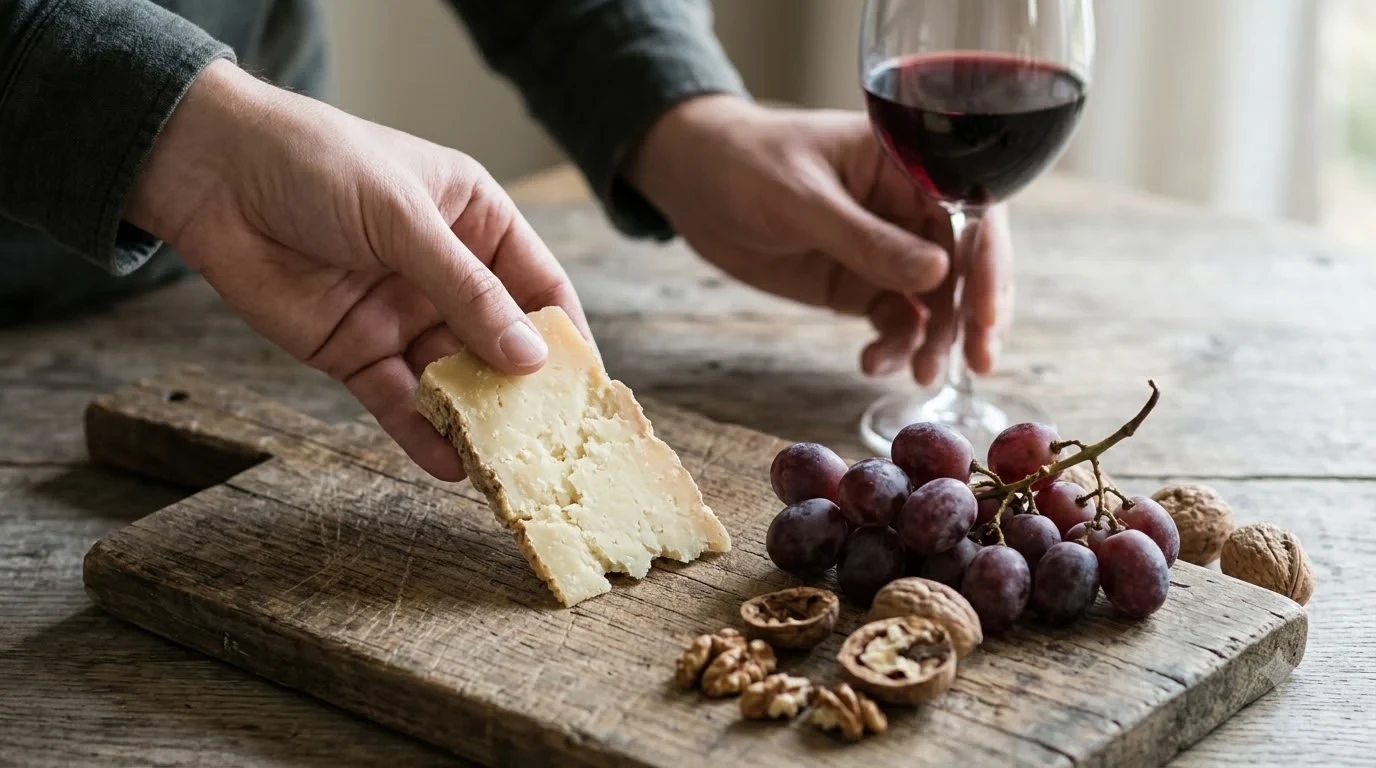
Salty cheeses and cured meats can also work well. Consider mild provolone, mozzarella, salami, and savory antipasto ingredients. Salt and fat can soften the perception of tannin in red wines, while the bubbles make the combination feel less heavy.
For dessert, select something that is no sweeter than the wine. Fruit-based desserts with strawberries or cherries may work better than very sugary cakes or rich chocolate desserts. A dessert that is substantially sweeter than the wine can make the wine taste more acidic and less pleasant.
Common pairing mistakes
The most common mistake is serving Riunite too warm. A warm glass can make the sweetness more prominent and reduce the refreshing impression of its bubbles. Another mistake is treating it like a dry, full-bodied red and pairing it with dishes that depend on pronounced tannin and structure.
Oily fish is generally a difficult match for tannic reds, and Riunite is not especially tannic. Even so, delicate fish dishes are usually better served with a suitable white wine. Very spicy food can also overwhelm the wine’s relatively simple fruit profile.
Finally, avoid choosing an excessively sweet dessert simply because Riunite is itself somewhat sweet. Matching sweetness levels is important for maintaining balance.
Care, Storage, and Buying Considerations
Riunite Lambrusco is intended for accessible, relatively immediate enjoyment rather than long-term cellaring. Good storage habits help preserve its freshness and carbonation, particularly after opening.
Storing an unopened bottle
Keep the bottle in a cool, dark place away from direct sunlight, heating equipment, and significant temperature fluctuations. A storage temperature near 55 degrees Fahrenheit is a useful general target for wine. Avoid keeping it in a warm kitchen cabinet or beside an appliance that produces heat.
For a bottle intended to be consumed soon, ordinary household storage in a stable, cool environment is generally sufficient. There is little reason to purchase Riunite specifically for extended aging. Its accessible fruit and lively character are the qualities most worth preserving.
Refrigerating after opening
The producer’s retailer guidance recommends resealing the bottle tightly, storing it upright, and refrigerating it to retain freshness and aromas. This is particularly important for a semi-sparkling wine because carbon dioxide gradually escapes after opening.
As a general reference, opened sparkling wines are best consumed within approximately 1 to 3 days when properly refrigerated and sealed. The exact period depends on the closure and how much carbonation remains. Riunite is most enjoyable while its bubbles are still noticeable and its fruit character remains fresh.
Choosing a bottle size
The producer’s product listing identifies several available formats, including 187 ml four-packs, standard 750 ml bottles, 1.5-liter bottles, and 3-liter formats. Availability can differ between markets and retailers.
A 750 ml bottle is a convenient choice for a small dinner because it provides approximately five standard 5-ounce servings. A larger format can be more practical for a gathering, particularly when several guests enjoy lightly sweet sparkling red wine.
Smaller formats are useful when you want individual portions or do not plan to finish a larger bottle. They also make it easier to serve the wine without having to preserve a partly consumed bottle.
What to look for when shopping
Look for the Riunite Lambrusco Emilia IGT designation and the familiar red semi-sparkling style. The producer identifies the standard product at 8% ABV and describes it as vegan-friendly and gluten-free. These are useful product characteristics for shoppers comparing labels and formats.
For a wider look at the producer’s range and related bottlings, our Riunite wine overview provides additional brand context. The main consideration is whether you want this particular lightly sweet style or a drier, more structured Lambrusco from another producer.
Do not select a bottle simply because it has the Lambrusco name. The category includes wines with noticeably different sweetness levels and production styles. Riunite is a better choice for someone specifically seeking fruit, gentle fizz, and approachable sweetness than for a drinker looking for a bone-dry Italian red.
Frequently Asked Questions
Is Riunite Lambrusco considered a traditional Italian wine?
Yes. Riunite Lambrusco is produced in Italy and associated with Emilia-Romagna, a region with a long-standing Lambrusco tradition. The wine’s Emilia IGT designation connects it to this geographical production area. Lambrusco itself has a much broader history than the modern Riunite brand.
Can Riunite Lambrusco be used in cocktails?
Yes. Its fruit-forward character and bubbles make it suitable for simple sparkling-wine cocktails. A small amount of fresh citrus or a fruit garnish can complement its berry flavors. Keep additional sweet ingredients moderate so the finished drink does not become excessively sweet.
Does Riunite Lambrusco contain sulfites?
Wine commonly contains naturally occurring sulfites, and additional sulfites may be used during winemaking to help preserve freshness. The producer’s general product description does not establish that this particular wine is sulfite-free. Consumers who need specific ingredient information should consult the producer’s current product labeling or customer support.
Is Riunite Lambrusco suitable for a wine punch?
Its approachable sweetness and light carbonation make it a reasonable base for a casual red-wine punch. Chopped strawberries, orange slices, and a small quantity of sparkling water can complement its fruit character. Add the carbonated ingredients shortly before serving to retain freshness.
What is the difference between Riunite Lambrusco and Brachetto?
Both can be fruity, sweet, and sparkling Italian reds, but they are different wine styles associated with different grape varieties. Brachetto d’Acqui is produced primarily from Brachetto grapes in Piedmont and is known for its aromatic red-fruit and floral character. Lambrusco comes from a family of grapes traditionally associated with Emilia-Romagna.
Riunite Lambrusco is a straightforward choice for drinkers who appreciate lightly sweet red wine, gentle bubbles, and refreshing fruit flavors. Its 8% ABV, chilled serving style, and compatibility with pizza, pasta, grilled meats, and spicy dishes make it particularly useful for casual meals. Choose it for approachable enjoyment rather than complexity, and serve it cold to get the most from its distinctive Italian sparkling-red style.
More in Wine Brands
 Underwood Wine Price: Compare Bottles, Cans, and Pack SizesUpdated Nov 21, 2026
 Zenato Wine Price: Compare Styles and Choose the Right BottleUpdated Nov 21, 2026
 Zuccardi Wine Price: Compare Bottles and Find the Right RangeUpdated Nov 21, 2026
 Yellow Tail Moscato Review: Taste, Sweetness and Serving TipsUpdated Nov 21, 2026
 Wolf Blass Yellow Label Review: Choose Your Best StyleUpdated Nov 21, 2026
 Wolffer Estate Rose Review: Choose the Right Bottle for Your TableUpdated Nov 21, 2026