


We may earn a commission when you buy through links on this page, at no extra cost to you. Learn more.
Rioja with steak is an excellent pairing, particularly when you choose a Tempranillo-based red with enough acidity, fruit, and structure to complement the beef. Rioja Crianza works beautifully with grilled sirloin and burgers, while Reserva is a particularly good choice for ribeye, New York strip, and other richly flavored cuts. Older Gran Reserva offers a more refined match for simply prepared steak, especially when the wine’s savory character deserves attention.
Steak and Rioja share several characteristics that make them natural partners: savory flavors, appealing richness, and enough complexity to stand up to a substantial meal. Rioja also offers several styles, from youthful, fruit-forward reds to oak-aged wines with leather, tobacco, dried cherry, and spice. Understanding those differences makes it easier to choose a bottle that complements the cut, cooking method, seasoning, and sauce rather than overpowering them.
Why Rioja and Steak Make Such a Good Pairing
Rioja’s combination of fruit, acidity, and tannin gives it the structure to complement beef without making the meal feel excessively heavy. Tempranillo-based reds bring cherry and plum flavors, while oak aging can introduce vanilla, cedar, tobacco, and savory spice that work naturally with grilled and roasted meat.
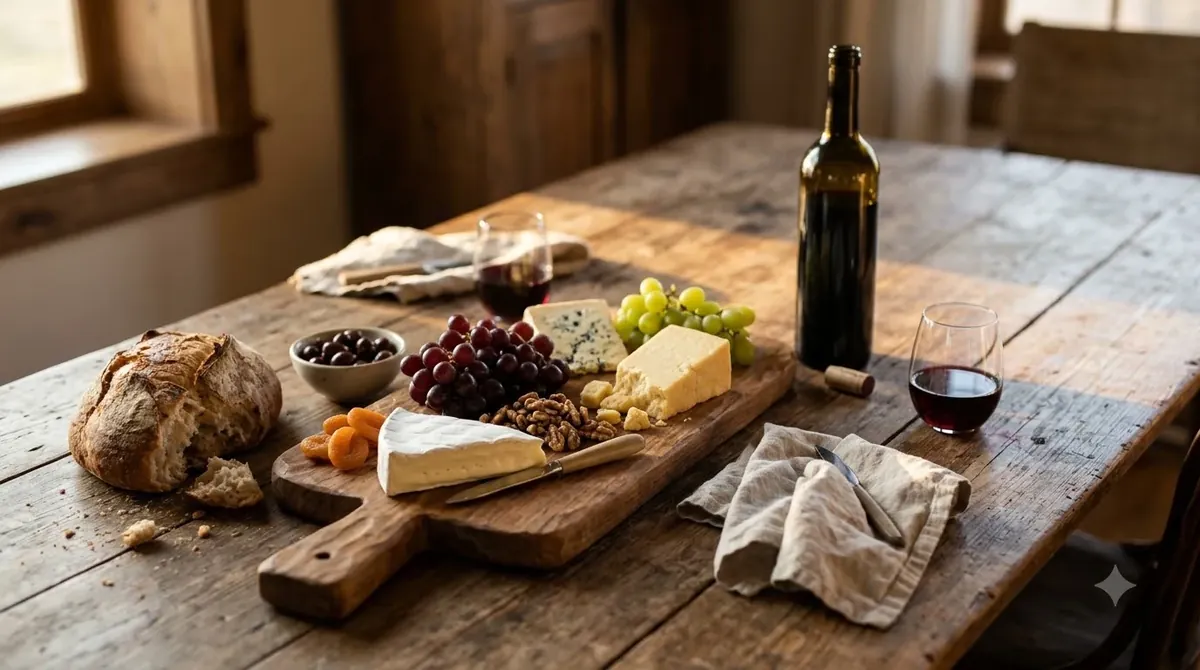
Tempranillo is the principal red grape associated with Rioja. According to the Rioja regulatory council, it accounts for approximately 80% of the region’s vineyard surface. The grape can produce wines with medium-to-high tannins and noticeable acidity, creating a useful balance between freshness and structure. Its characteristic cherry, dried fig, cedar, and tobacco flavors also provide several points of connection with the browned exterior and savory interior of a properly cooked steak.
There is a practical reason the combination works. Steak contains protein and fat, and its savory character can soften the drying sensation of red-wine tannins. Salt also reduces the perception of tannin, making a structured Rioja feel smoother alongside a seasoned piece of beef. Meanwhile, the wine’s acidity refreshes the palate between bites, particularly with fattier cuts such as ribeye.
The regional tradition supports this pairing. In Rioja, grilled lamb cooked over an open fire is a classic local specialty, traditionally accompanied by Tempranillo-based wines. The same relationship between grilled meat, smoke, seasoning, and red wine translates naturally to American steakhouse dishes. Decanter discusses this regional tradition in its article on Rioja’s traditional food pairings.
Rioja is not one uniform wine style, however. A young red can emphasize fresh red berries, while a longer-aged bottle may offer softer fruit, leather, and more developed savory flavors. Choosing the appropriate style is therefore more useful than simply selecting the most expensive or oldest bottle available. The right Rioja should have enough flavor to accompany the steak while retaining enough freshness to keep each bite enjoyable.
Choosing Between Crianza, Reserva, and Gran Reserva
The Rioja aging classification is one of the easiest ways to narrow down a bottle for steak. Crianza generally offers accessible fruit and moderate oak influence, Reserva adds maturity and complexity, and Gran Reserva tends toward more developed aromas and a refined texture.
According to the DOCa Rioja regulatory classification, the minimum aging requirements for red wines distinguish these categories. The following figures describe the required aging periods rather than the actual aging time of every individual bottle.
| Rioja category | Minimum total aging | Minimum oak aging | Best steak match |
|---|---|---|---|
| Genérico | No fixed category minimum | No fixed category minimum | Burgers and casual grilled steak |
| Crianza | At least 2 years | At least 1 year | Sirloin and flank steak |
| Reserva | At least 3 years | At least 1 year | Ribeye and New York strip |
| Gran Reserva | At least 5 years | At least 2 years | Filet mignon and simply grilled premium cuts |
Genérico, sometimes informally associated with joven or young Rioja, is generally the freshest category. These wines retain primary fruit characteristics and can be particularly appealing with straightforward steak preparations. A juicy burger, grilled skirt steak, or simply seasoned sirloin does not necessarily need a mature wine with extensive oak influence. A younger Rioja can supply enough red fruit and acidity without competing with the food.
Crianza is a useful middle ground. Its required oak aging gives the wine additional structure and spice while retaining recognizable cherry and plum flavors. This combination makes it especially versatile with steak frites, grilled sirloin, and beef kebabs. It is also a sensible choice for dinners where the steak comes with roasted potatoes, mushrooms, or moderately seasoned vegetables.
Reserva offers a more developed profile. Its minimum three-year aging period, including at least 12 months in oak and six months in bottle, allows additional complexity to develop. Look for dried cherry, vanilla, cedar, leather, and savory spice. These characteristics work particularly well with ribeye, New York strip, and grilled beef served with mushroom sauce or a restrained pan reduction.
Gran Reserva is the more mature option, requiring at least five years of combined aging, including two years in oak and two years in bottle. Its evolved character can include dried fruit, tobacco, earth, and delicate spice. It is often best alongside a relatively simple steak preparation that allows the wine’s complexity to remain noticeable. Extensive sweet sauces and aggressive seasoning can obscure its more delicate characteristics.
Tip: Start with Crianza for an everyday grilled steak and Reserva for a richer steakhouse cut. Save Gran Reserva for a dinner where the beef is simply seasoned and the wine deserves some attention of its own.
Matching Rioja With Different Steak Cuts
The best Rioja depends partly on the amount of fat, the intensity of the beef flavor, and the way the steak is cooked. Ribeye benefits from a wine with enough acidity and structure to balance its richness, while leaner filet mignon generally works better with a more restrained, mature red.
Ribeye: Ribeye is naturally rich because of its substantial marbling. A Rioja Reserva is an excellent match because its fruit, acidity, and developed tannins complement the steak’s fat and savory flavor. Grilling the ribeye over high heat creates a browned exterior that connects with the wine’s oak-derived spice and mature notes. A little flaky salt and black pepper are usually sufficient seasoning.
New York strip: This cut has a firm texture and pronounced beef flavor without the same degree of marbling as ribeye. Crianza and Reserva are both appropriate choices. A fruit-forward Crianza works well with a straightforward grilled strip, while a Reserva is particularly appealing with a thicker steak finished with butter, garlic, or roasted mushrooms.
Filet mignon: Filet is tender and relatively lean, with a delicate flavor compared with ribeye or strip steak. A mature Gran Reserva or softer Reserva can be a better choice than a particularly powerful young red. The wine’s developed aromas add complexity without overwhelming the meat. Consider serving filet with roasted shallots, sautéed mushrooms, or a modest red-wine pan sauce.
Sirloin: Sirloin has enough beefy character to work with a broad range of Rioja styles. Crianza is especially reliable because its red fruit, moderate tannin, and oak-derived spice complement the meat without making the combination overly heavy. For grilled sirloin served with chimichurri, choose a fresher, fruit-driven example rather than a very mature wine.
Flank and skirt steak: These thinner cuts have pronounced beef flavor and are often marinated before grilling. Young Rioja or Crianza can work particularly well, especially with marinades containing garlic, herbs, and moderate amounts of paprika. If the marinade contains substantial citrus or vinegar, keep the sauce restrained because strong acidity can make the wine seem less fresh.
Porterhouse and T-bone: These substantial steaks combine different textures and flavors, including the tenderloin and strip portions. A balanced Reserva is a practical choice because it has enough presence for the strip side while remaining sufficiently elegant for the tenderloin. Serve the steak with grilled vegetables or roasted potatoes rather than an especially sweet glaze.
These recommendations are starting points rather than strict rules. A heavily charred sirloin may need more structure than a gently pan-seared version of the same cut. Similarly, a thick ribeye served with a rich sauce may call for a more substantial Reserva than one served with only salt and pepper.
How Cooking Methods and Seasonings Change the Pairing
Cooking method changes the steak’s flavor and texture, which can influence the Rioja style that works best. Grilling introduces smoke and char, pan-searing creates a concentrated browned crust, and slow roasting produces a more developed savory character.
Grilling: Grilled steak is one of the easiest matches for Tempranillo-based Rioja. The browned exterior and smoky aromas connect with oak-derived vanilla, cedar, and spice. A Crianza or Reserva is a reliable choice for ribeye, sirloin, or strip steak cooked over charcoal or a gas grill. Avoid wines that are so mature and delicate that the charred flavors completely dominate them.
Pan-searing: Pan-seared steak develops a concentrated crust through contact with a hot cooking surface. This preparation works especially well with a balanced Rioja Reserva. If the steak is finished with butter, thyme, and garlic, the wine’s savory character complements the richness. A simple pan sauce made with stock and a little Rioja can reinforce the connection between the wine and the food.
Reverse-searing: Reverse-searing involves gently bringing a thick steak close to its target internal temperature before finishing it in a very hot pan or over direct heat. This technique produces a relatively even interior and a deeply browned crust. A structured Reserva can match the concentrated beef flavor, particularly with thick ribeye or New York strip.
Smoking and slow cooking: Smoked beef and slow-cooked steak dishes generally have more intense savory flavors than lightly grilled preparations. A fruit-forward Reserva with enough acidity can provide a useful counterpoint. Oak-aged Rioja can also connect with wood-smoke aromas, although excessive smoke can overpower an older wine’s delicate characteristics.
Seasoning deserves equal consideration. Salt and black pepper are straightforward companions for most Rioja reds. Garlic, rosemary, thyme, and moderate paprika also work well because they complement the savory and spicy elements found in many Tempranillo wines. Mushroom-based seasonings are particularly appealing with mature Reserva and Gran Reserva bottles.
Sweet barbecue sauces require more care. A sugary glaze can make a dry red wine seem harsher and less fruity. If barbecue sauce is essential, use a younger, fruitier Rioja and avoid excessive sweetness. Very hot chili seasoning also deserves restraint because alcohol and tannin can amplify the perception of heat. A moderately spiced rub is generally easier to pair than an intensely hot marinade.
Pairing Rioja With Steak Sauces and Side Dishes
Sauces and sides can have as much influence on the pairing as the cut of beef. A simple grilled steak allows the Rioja’s fruit and oak character to stand out, while rich butter sauces, mushrooms, and roasted vegetables can make a more mature wine feel especially harmonious.
Garlic butter: Garlic butter is a natural partner for Rioja because the richness of the butter softens the perception of tannin. Crianza and Reserva are both good options. The garlic also connects with the savory flavors common in Spanish cooking, making this combination particularly successful with grilled sirloin and ribeye.
Mushroom sauce: Mushrooms have an earthy, savory quality that works particularly well with aged Tempranillo. Reserva is a strong choice, while Gran Reserva can be especially appealing if the sauce is relatively light and the steak is simply prepared. Avoid overwhelming the dish with cream or strong seasonings if the wine has delicate mature aromas.
Red-wine reduction: A pan sauce made with stock, shallots, and Rioja can create a natural connection between the glass and the plate. Use a dry, fruit-forward wine rather than a very old bottle for cooking. Reduce the sauce carefully so that it develops concentration without becoming excessively sweet or acidic. A matching Rioja Crianza or Reserva can then accompany the finished steak.
Peppercorn sauce: Creamy peppercorn sauce can work with Rioja, but its pepper intensity should remain moderate. A younger Crianza with juicy fruit is often a better choice than a delicate Gran Reserva. Strong pepper heat can make alcohol and tannin seem more aggressive, particularly in a wine with higher alcohol content.
Chimichurri: This herb-based sauce typically includes parsley, garlic, oil, and vinegar. Its acidity and herbal intensity make wine selection slightly more challenging. A fresh, fruit-driven Rioja is generally preferable to a very mature bottle. Keep the vinegar proportion controlled so the sauce does not overwhelm the wine.
Side dishes can reinforce the same pairing principles. Roasted potatoes, grilled onions, sautéed mushrooms, and charred peppers complement Rioja’s savory character. Creamy mashed potatoes add richness, while grilled asparagus and green beans provide freshness. A little smoked paprika on roasted potatoes can also echo the spice found in oak-aged Tempranillo.
For a complete Spanish-inspired steak dinner, consider grilled beef with roasted peppers, garlic mushrooms, and potatoes seasoned with olive oil and paprika. A Rioja Reserva brings together the smoky, savory, and earthy elements without requiring complicated sauces. For a lighter meal, sirloin with grilled vegetables and a youthful Crianza provides a more relaxed combination.
Serving Temperature, Decanting, and Pouring Rioja
Serving temperature and preparation influence how Rioja tastes alongside steak. A bottle that is too warm can seem alcoholic and heavy, while an excessively cold red can appear harder and more tannic than intended.
For a lighter Rioja, aim for approximately 55–60°F. A fuller-bodied Crianza or Reserva is generally best around 60–65°F. These temperatures allow the fruit, acidity, and oak-derived aromas to remain balanced. If the bottle has been stored at a typical room temperature of 70°F or higher, give it some time in the refrigerator before serving.
Decanting depends on the wine’s age and condition. A young, structured Crianza or Reserva may benefit from approximately 30–60 minutes of aeration, which can help its aromas become more expressive. Some youthful, concentrated examples may benefit from additional time, while lighter wines generally need less exposure to air.
Older Gran Reserva requires more care. Rather than automatically giving it an hour in a wide decanter, open the bottle and assess its aromas. If sediment is present, carefully pour the wine into a decanter to separate it from the deposit. An older wine can lose its more delicate aromas if exposed to excessive oxygen for too long.
Use standard red wine glasses with enough room to swirl the wine. A typical 5-ounce pour is appropriate, and a 750-milliliter bottle provides approximately five standard glasses. Pouring moderate servings also makes it easier to compare how the wine changes alongside the steak as the meal progresses.
Timing matters, too. If the steak is still cooking, avoid opening a particularly delicate older Rioja too early. For a young Crianza, opening the bottle while preparing the side dishes is usually practical. A Reserva can be opened while the grill heats, allowing some time for aeration before the first course.
Rioja can also be part of the cooking process. A small amount of dry red wine can be used to deglaze the pan after cooking steak. Scrape up the browned pieces, add stock and shallots, and simmer until the sauce reaches the desired consistency. The wine used in the pan should be suitable for drinking, but there is no need to use a rare or particularly mature bottle.
For more guidance on matching different grapes and dishes, see our Grape x Food guide, which explains how acidity, tannin, sweetness, and body influence successful combinations.
Rioja Compared With Other Red Wines for Steak
Rioja is not the only wine that works with beef, but its combination of fruit, moderate-to-high acidity, and oak-aged complexity gives it a distinctive position among steak-friendly reds. Comparing it with Cabernet Sauvignon, Barolo, and other familiar styles helps clarify which bottle is most appropriate for a particular dinner.
Rioja versus Cabernet Sauvignon: Cabernet Sauvignon generally has higher tannin and a firmer structure than the typical Rioja style. It is particularly suitable for heavily marbled beef, rich sauces, and boldly seasoned steak. Rioja tends to offer a more approachable combination of red fruit, savory character, and oak influence. If you enjoy Cabernet but want something with more emphasis on cherry, dried fruit, and developed spice, Reserva is an excellent alternative.
Rioja versus Barolo: Barolo is made from Nebbiolo and is known for pronounced acidity, substantial tannin, and aromas that can include cherry, rose, tar, and dried herbs. It works beautifully with rich beef dishes and carefully prepared steak. Rioja generally offers softer, more immediately approachable fruit and a different oak-influenced character. Our Barolo with steak article explores that Italian alternative in more detail.
Rioja versus Syrah: Syrah can offer darker fruit, pepper, and a substantial tannic structure. It is particularly appealing with charred steak, black-pepper seasoning, and smoky preparations. Rioja is often a better option for someone who prefers red fruit, vanilla, cedar, and a more developed savory profile.
Rioja versus Pinot Noir: Pinot Noir generally has lower-to-medium tannin and high acidity. It is a particularly good match for leaner cuts and steak preparations involving mushrooms or delicate sauces. Rioja offers more oak-derived spice and typically greater tannic structure, making it suitable for more intensely flavored beef. A mature Rioja can nevertheless provide an elegant alternative when the steak is relatively lean.
Rioja versus Champagne: Dry sparkling wine offers a different approach to steak pairing. Its bubbles and acidity refresh the palate, while the wine’s structure can work with salt and fat. Champagne can be especially interesting with fatty steak or dishes served with buttery sauces. Explore our Champagne with steak guide for more details about this contrasting pairing.
The best choice depends on the dinner rather than a fixed ranking of wine regions. Rioja is particularly versatile because its different aging categories provide several options for steak, from casual grilled burgers to more elaborate steakhouse meals. It is also a useful alternative for diners who enjoy structured reds but prefer a little more emphasis on fruit and savory complexity than the most tannic styles provide.
Frequently Asked Questions
Is Rioja always made from Tempranillo?
No. Rioja permits several red grape varieties, including Garnacha tinta, Graciano, Mazuelo, and Maturana tinta. Tempranillo is the dominant variety, but producers can use authorized grapes in blends to create different flavor profiles and textures.
Can white Rioja be served with steak?
Yes, although it is a less conventional combination than red Rioja. A mature, barrel-aged white Rioja made with Viura can have sufficient texture and complexity for steak served with creamy mushroom sauce or garlic butter. Its success depends on choosing a substantial style rather than a very light, crisp white.
Does Rioja have to come from one particular Spanish subregion?
No. Rioja includes Rioja Alta, Rioja Alavesa, and Rioja Oriental, each with different climatic and soil influences. Rioja Alta and Rioja Alavesa have notable Atlantic influences, while Rioja Oriental has a warmer, drier Mediterranean influence. These differences contribute to the region’s range of wine styles.
Can Rioja be stored after opening a bottle?
Yes. Recork an opened bottle and keep it refrigerated, even if it is a red wine. Most opened still wines retain reasonable quality for approximately three to five days, although delicate older Rioja may lose its best aromas sooner. Allow a refrigerated bottle to warm slightly before serving it again.
Is Rioja suitable for steak served at a barbecue?
Yes. A youthful Rioja or Crianza is particularly practical for barbecue dishes because its fruit complements grilled beef and moderate smoky seasoning. Rioja also works with Spanish-style chorizo and paprika-seasoned foods. For heavily sweetened barbecue sauces, choose a fruit-forward wine and keep the glaze restrained.
Rioja with steak is a reliable combination because the wine’s fruit, acidity, tannin, and oak-derived flavors complement the richness of beef in different ways. Choose Crianza for sirloin and casual grilling, Reserva for ribeye and richly flavored cuts, and Gran Reserva for an elegant, simply seasoned steak dinner. Matching the wine to the cut, sauce, and cooking method will make the pairing more satisfying than relying on the aging category alone.
More in Food & Wine Pairing
 Risotto With White Wine Recipe: Make a Creamy Dinner at HomeUpdated Nov 20, 2026
 Wassail With Wine Recipe for a Festive Spiced Holiday DrinkUpdated Nov 20, 2026
 Spritz Veneziano Recipe: Make a Classic Venetian Aperitivo at HomeUpdated Nov 20, 2026
 Summer Wine Punch Recipe for Easy Homemade EntertainingUpdated Nov 20, 2026
 Bishop Recipe: How to Make a Bright, Citrus-Forward Red Wine CocktailUpdated Nov 20, 2026
 Wine Cupcakes Recipe: Bake Rich Chocolate Cupcakes at HomeUpdated Nov 20, 2026