

We may earn a commission when you buy through links on this page, at no extra cost to you. Learn more.
The best Ribera del Duero food pairing is roasted or grilled red meat, especially lamb and beef, because the wine’s firm tannins soften against fat and salt. Ribera del Duero reds are full-bodied and made mostly from Tempranillo, which goes by Tinto Fino locally. Aged cheeses, cured meats, and tomato-based dishes also suit them well. Start with a Crianza or Reserva, and serve it at about 60 to 65 F.
Ribera del Duero is one of Spain’s most important red wine regions, and its wines range from fresh, fruit-forward Crianzas to dense, long-aged Gran Reservas. That range is exactly why the food question matters. A young bottle and an old one can come from the same valley and still call for different plates. This guide explains why these reds need rich, savory food, how the aging label should guide your choice, which dishes match best, and how to serve and store the bottle so it shows its best.
Why Ribera del Duero Reds Call for Rich, Savory Food
Ribera del Duero wines are concentrated and structured, so they are happiest with dishes that bring fat, protein, and salt to the table. That structure comes from the land as much as the grape, and understanding it makes every later pairing decision easier.
The appellation follows the Duero River basin across four provinces of Castile and León: Burgos, Segovia, Soria, and Valladolid. Most vineyards sit between 2,360 and 3,600 feet above sea level, and the area averages only 15 to 20 inches of rain a year. According to the Wine Enthusiast regional guide, the region’s hot, dry summers and long, cold winters create extreme temperature swings. Those swings let the grapes ripen fully while keeping enough acidity for balance.
According to Wine Insiders, the typical wine lands between 12.5 and 14.5 percent alcohol, with firm tannins that polish out over time. Those tannins are the main reason the food matters. Salt and fat soften the sensation of tannin, so a bite of roasted lamb makes a young Ribera taste rounder and fruitier. Moderate acidity helps as well, because it lets the wine cut through richness without fighting it. For the broader principles behind these matches, our guide to Wine Pairing covers the reasoning in more depth.
Reading the Label: Joven, Crianza, Reserva, and Gran Reserva
The aging label is the fastest guide to how much oak, tannin, and structure a bottle carries. Match the style to the richness of your dish, and the pairing usually follows.
The appellation’s rules set minimum aging for each category. A Crianza must age at least 24 months in total, including 12 months in oak. A Reserva needs 36 months total with at least 12 in oak, and a Gran Reserva needs 60 months total with at least 24 in oak. Joven wines are released younger, always aging less than 12 months, and Barrica wines typically spend about four months in oak. The table below puts these rules next to cellar windows and dish matches.
| Style | Minimum total aging | Minimum oak aging | Typical cellar window | Best food match |
|---|---|---|---|---|
| Joven | Under 12 months | None | 2 to 4 years | Tapas, chorizo, tomato dishes |
| Crianza | 24 months | 12 months | 5 to 10 years | Roast lamb, aged Manchego |
| Reserva | 36 months | 12 months | 5 to 10 years | Grilled steak, lamb shanks |
| Gran Reserva | 60 months | 24 months | 15 years or more | Beef short ribs, slow braises |
The regulatory council makes a similar practical split in a press release. It describes Reserva and Gran Reserva wines as aromatically complex and powerful, ideal with a tender steak or lamb shanks. It describes the younger Cosecha and Crianza wines as fresher and more fruit-forward, better suited to lighter dishes. For a weeknight, a Crianza is usually the easy choice, and a Reserva earns its place when the roast or steak is the centerpiece of the meal.
Lamb, Beef, and Pork: The Core Matches
Lamb and beef are the most reliable partners for Ribera del Duero, and the cut and cooking method point you toward the right bottle. The wine’s firm tannins need the fat and protein these meats carry.
Roast and Grilled Lamb
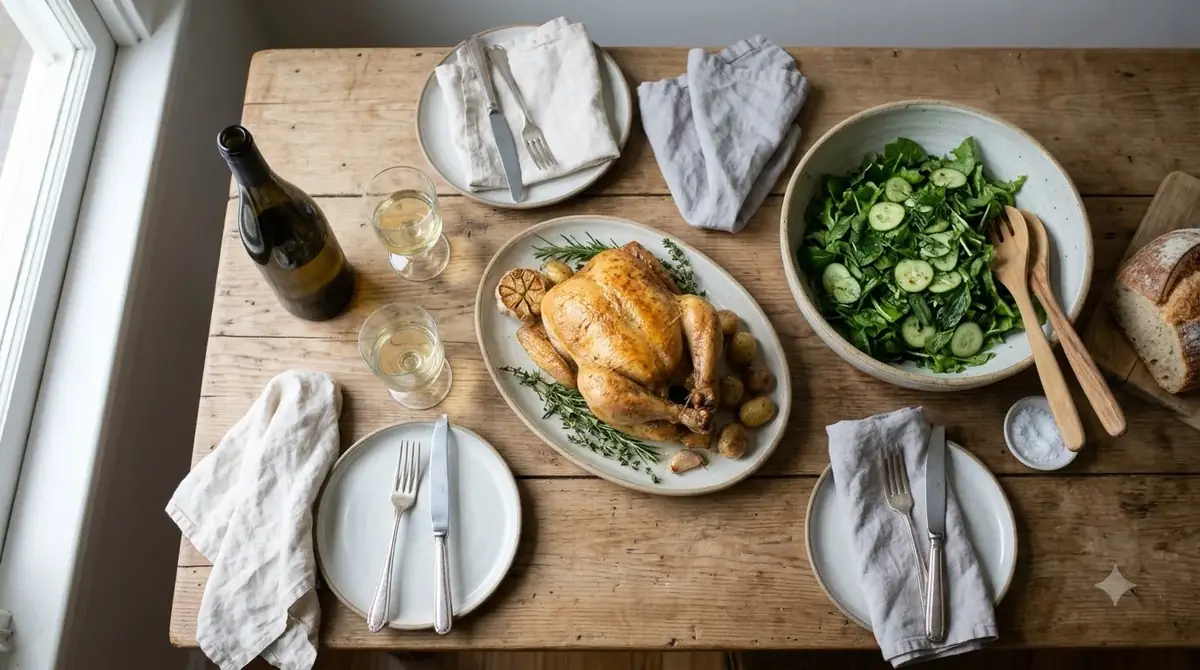
Wine Insiders names grilled or roasted lamb as a leading match for Tempranillo, because the tannins balance the richness of the meat. A leg of lamb roasted with garlic and rosemary suits a Crianza well, since the herbs pick up the wine’s savory edge. A larger roast or a rack with more fat can handle a Reserva. If you cook over coals, a sprig of rosemary on the fire adds smoke and herb notes that line up with the wine’s character.
Steak and Braised Beef
Steak is the classic partner for an older bottle. The council’s guidance points to Reserva and Gran Reserva with tender steak, and Wine Insiders adds short ribs and slow braises to the list. A seared ribeye or pan-roasted sirloin finished with coarse salt gives the wine the fat it needs. For a braise, cook onions, carrots, and beef low and slow, then open the same bottle at the table so the flavors meet on the plate.
Roast and Cured Pork
Pork is a less obvious partner, but Wine Insiders lists roasted and cured pork among the strong Tempranillo matches. A simply seasoned pork shoulder with garlic, thyme, and paprika fits a Crianza, since the herbs and smoky spice echo the wine’s savory notes. The wine’s moderate acidity also keeps the richer fat of pork shoulder from feeling heavy on the palate.
Cheese, Cured Meats, and Shared Plates
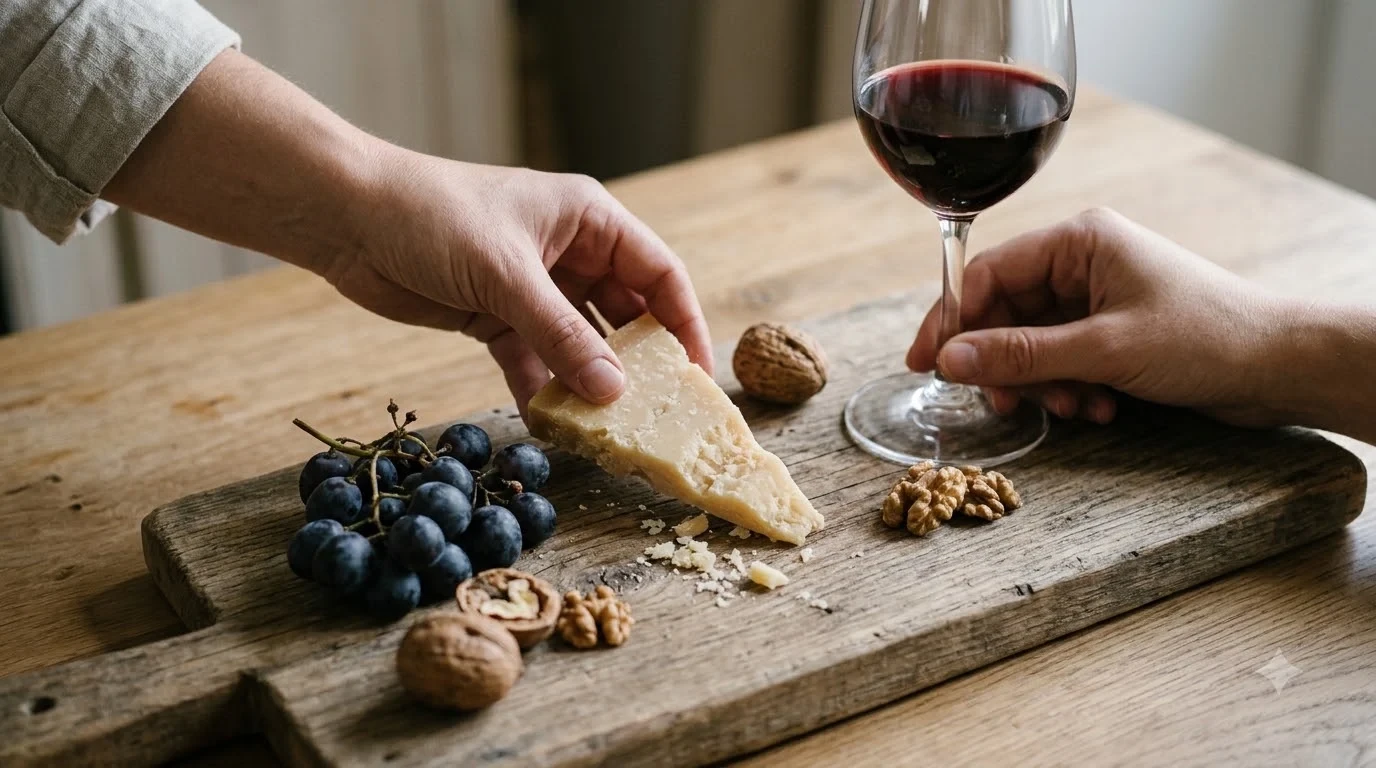
Spanish cheese and charcuterie boards are among the easiest ways to serve Ribera del Duero, because the salt and fat in these foods soften the wine’s tannins. Shared plates also let guests move between flavors without any single pairing having to carry the whole meal.
Wine Insiders lists jamón ibérico, chorizo, and aged Manchego among the best matches for Tempranillo. Aged Manchego is firm and salty, and it works well with a Crianza because its nutty depth matches the wine’s dark fruit and vanilla notes. Jamón ibérico is rich in fat and salt, which softens the tannins, so even a young Joven holds up well beside it.
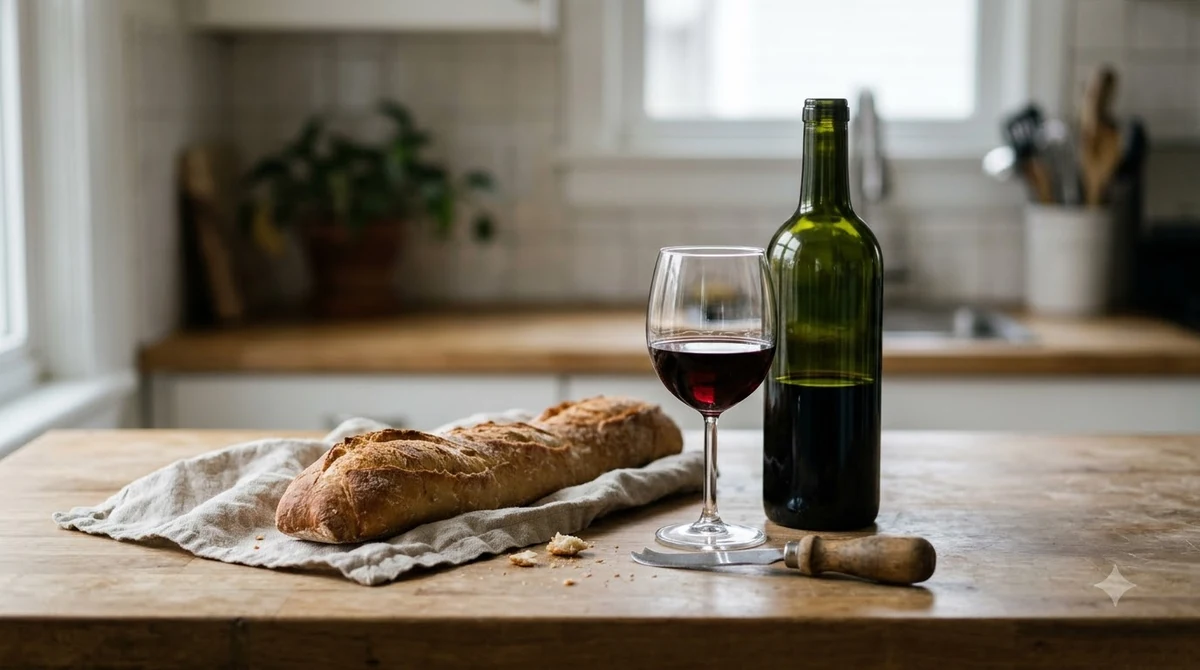
Chorizo brings paprika, smoke, and fat, and it is one of the most dependable partners on the board. Serve it warm with crusty bread and let the wine’s dark cherry and plum notes pick up the paprika. A simple board of two cheeses, two cured meats, olives, and bread is enough for a relaxed evening, and it lets each guest find their own favorite bite.
Tomato Sauces, Smoke, and Mexican-Style Dishes
Ribera del Duero handles tomato-based dishes and smoky chile flavors well, as long as the sauce is not sharply acidic and the heat stays moderate. Those two checks cover most of the decisions here.
Wine Insiders lists tomato-based dishes among the matches for Tempranillo, noting that acidity complements the sauce’s richness. A slow-simmered meat ragù or a chorizo and white bean stew suits a Crianza well. If the sauce depends on vinegar, lemon, or a sharp raw tomato salsa, the wine can taste flat beside it, and a brighter red is the better choice. The barbera food pairing guide covers the higher-acid reds that match those sauces.
Chef Rosana Rivera, culinary head of Epicure Hospitality in Tampa, pairs Ribera del Duero reds with birria queso tacos. She says the wine’s cherry, cinnamon, and smoky notes enhance the broth, which carries smoked chiles, cumin, and clove. Her approach shows the logic: match the spice in the sauce with the spice in the wine, and let the fat in the cheese and meat soften the tannin.
Tip: Alcohol and tannin both make chili heat feel stronger. Pick mild to medium peppers such as ancho or guajillo, and save the fiery chiles for a beer or a white.
Foods and Desserts That Clash With Ribera del Duero
Oily fish, fiery heat, and sweet desserts are the three pairings most likely to disappoint with this style of red. Each one exposes the wine’s firm tannins or its dry finish.
Oily fish such as salmon, mackerel, and sardines clash with tannic reds. The oil and the tannin amplify each other, so the wine tastes harsher and the fish tastes stronger. If you want a seafood course, a rosé from the appellation suits the plate better, since the regulatory council describes its rosés as a match for salads and seafood.
Dry reds need a sweeter partner for dessert. A useful rule is that the wine should be at least as sweet as the dish, so a dry Ribera beside a sugary cake will taste thin and bitter. Skip sweet finishes, or choose a dessert wine if the menu calls for something sweet.
Very hot dishes are the third trap, because the alcohol and tannin in this wine make chili heat feel sharper. If you love rich, braised dishes, the amarone food pairing guide covers another big, rich red that follows similar rules.
Serving, Decanting, and Storing Your Bottle
Serve full reds like Ribera del Duero at 60 to 65 F, decant young bottles for 30 to 60 minutes, and store unopened bottles on their side near 55 F. Those three steps do more for the glass than any single pairing.
Full reds should sit a little below room temperature, which keeps the alcohol from feeling hot and lets the fruit show. Wine Insiders recommends similarly cool service for Tempranillo, because warmer temperatures push the oak and alcohol forward. Bring the bottle up to temperature gradually rather than serving it straight from a warm room.
Young Ribera benefits from 30 to 60 minutes of air, which softens its tannins and opens the aromas. Older bottles should be decanted gently, mainly to separate sediment, because too much air can flatten a mature wine. The table below summarizes the practical numbers for serving and storage.
| Item | Typical figure |
|---|---|
| Serving temperature for full reds | 60 to 65 F |
| Decanting time for young wine | 30 to 60 minutes |
| Storage temperature | About 55 F, bottles on their side |
| Pour size | 5 oz |
| Glasses per 750 ml bottle | About 5 |
| Opened still wine in the refrigerator | 3 to 5 days |
A standard 750 ml bottle pours about five glasses at five ounces each. Opened still wine keeps about three to five days in the refrigerator, so one bottle can cover a dinner and a leftover lunch.
Frequently Asked Questions
How big is the Ribera del Duero region?
The appellation covers nearly 55,000 hectares, and about 95 percent of the harvest is Tempranillo. Most of its wineries are small producers that release only a few thousand cases a year. The appellation itself stretches roughly 70 miles along the river.
Can Ribera del Duero reds contain grapes other than Tempranillo?
Yes, within limits. Red wines must be at least 75 percent Tempranillo, and Cabernet Sauvignon, Merlot, or Malbec can fill the remaining quarter. Garnacha and Albillo can be added only up to a combined 5 percent of the blend.
Does Ribera del Duero produce white wine or rosé?
It does. White wines must use at least 75 percent Albillo Mayor, a local grape, and rosés must contain at least half of the permitted red grapes. The regulatory council describes its rosés and whites as a good match for salads and seafood.
Which wineries sit along the Golden Mile?
The Golden Mile is the stretch of road linking the towns of Peñafiel and Tudela de Duero. Along it are some of the region’s best-known estates, including Pago de Carraovejas, Vega Sicilia, Dominio de Pingus, Bodegas Protos, and Bodegas Emilio Moro. Mauro and Abadía Retuerta also sit on the route.
Who checks that a bottle really comes from Ribera del Duero?
The Regulatory Council of Ribera del Duero DO is responsible for authenticity, and it works to ensure that each bottle carrying its label has passed strict quality controls. More than 300 wineries sit within the DO, which covers the Duero river basin. That oversight is why the label is a useful signal for buyers.
Start with a Crianza and a roast, or move up to a Reserva for a steak dinner, and the pairing will largely take care of itself. Keep chilies mild, leave the oily fish off the table, and give young bottles time to breathe. Ribera del Duero rewards a slow, savory meal more than almost any other red.
More in Food & Wine Pairing
 Risotto With White Wine Recipe: Make a Creamy Dinner at HomeUpdated Nov 20, 2026
 Wassail With Wine Recipe for a Festive Spiced Holiday DrinkUpdated Nov 20, 2026
 Spritz Veneziano Recipe: Make a Classic Venetian Aperitivo at HomeUpdated Nov 20, 2026
 Summer Wine Punch Recipe for Easy Homemade EntertainingUpdated Nov 20, 2026
 Bishop Recipe: How to Make a Bright, Citrus-Forward Red Wine CocktailUpdated Nov 20, 2026
 Wine Cupcakes Recipe: Bake Rich Chocolate Cupcakes at HomeUpdated Nov 20, 2026