

We may earn a commission when you buy through links on this page, at no extra cost to you. Learn more.
The best red blend under 20 is a balanced, fruit-forward wine combining complementary grapes such as Grenache, Syrah, Carignan, Zinfandel, or Merlot without excessive sweetness or harsh tannins. The right bottle depends on whether you prefer juicy blackberry fruit, peppery spice, softer textures, or a drier, more structured finish. Understanding the grapes, growing regions, and winemaking style makes it easier to find satisfying everyday red wine without relying on an expensive label.
Red blends offer something that single-grape wines cannot always provide: the opportunity to combine different characteristics into one harmonious bottle. One grape can contribute color and structure, another can supply ripe fruit, and a third can bring freshness or aromatic complexity. That flexibility creates plenty of interesting choices for budget-conscious shoppers. The key is knowing what to look for rather than assuming every bottle labeled red blend tastes alike.
Who This Is For
A budget-friendly red blend is particularly useful for drinkers who want a versatile bottle for everyday meals, casual gatherings, and relaxed evenings. The category includes everything from soft, fruit-driven California wines to savory European combinations with noticeable acidity and firmer tannins. Understanding your preferred style helps narrow the choices considerably.
First-time red wine buyers often appreciate blends because they can offer approachable fruit and moderate structure without the intensity of a heavily tannic Cabernet Sauvignon. A combination containing Grenache and Merlot, for example, may feel softer and more immediately accessible than a wine dominated by Cabernet Sauvignon or Petite Sirah. Drinkers who enjoy blackberry, cherry, plum, and baking-spice flavors can also find plenty of options in this category.
Experienced wine drinkers should not overlook inexpensive blends either. Traditional regions such as Bordeaux and the Southern Rhône have produced blended wines for centuries, while California, Virginia, and other American regions continue to experiment with different grape combinations. VinePair’s coverage of contemporary red blends illustrates just how varied these combinations can become, including wines featuring Zinfandel, Carignan, Tannat, and Cabernet Franc.
This buying approach is especially helpful for three groups:
- Casual drinkers: People looking for a reliable red to serve with burgers, pizza, pasta, or grilled chicken.
- Fruit-forward wine fans: Drinkers who enjoy ripe cherries, blackberries, plums, and subtle vanilla.
- Value-focused shoppers: Buyers who want to compare grape combinations, regional character, and overall balance instead of paying extra for a prestigious appellation.
However, shoppers who strongly prefer one particular grape should compare blends with single-varietal alternatives. Someone who specifically enjoys Cabernet Sauvignon’s firm tannins and blackcurrant character may find that a softer Grenache-based blend does not deliver the same experience. Our guide to the best cabernet sauvignon under 20 provides another useful starting point for that preference.
Key Factors to Compare
The most useful comparison points are grape composition, sweetness, tannin, acidity, body, and alcohol. These characteristics determine whether a red blend tastes soft and juicy, bold and structured, or balanced enough to accompany a complete meal.
Start by identifying the dominant grape varieties. Grenache usually contributes ripe red fruit and a generous texture, while Syrah brings darker fruit, pepper, and more substantial structure. Carignan can add acidity and freshness, and Zinfandel often supplies concentrated berry flavors and spice. Merlot generally contributes softer tannins, while Cabernet Sauvignon provides firmer structure and a darker-fruited profile.
Next, consider the wine’s overall balance. A bottle can smell intensely fruity without tasting sweet. Fruit flavors such as blackberry, cherry, and plum are not the same thing as residual sugar. A dry wine can have a ripe, almost jam-like aroma while finishing without noticeable sweetness. If you enjoy a sweeter style, look for an explicitly off-dry or sweet description rather than assuming every fruity red blend will taste sugary.
Body and tannin deserve separate consideration. Body describes how substantial the wine feels in the mouth, while tannin creates the drying sensation associated with strong black tea. Wine.com’s full-bodied red wine guide explains that alcohol above 13.5% can contribute to a richer impression of body. Grape skins, seeds, and oak also influence tannin and texture.
Use this comparison table to organize your choices. The grape characteristics below are typical tendencies rather than guaranteed descriptions of every bottle.
| Comparison factor | What to look for | Typical characteristics | Best suited to |
|---|---|---|---|
| Grenache | Red fruit and generous texture | Medium tannin, ripe cherry | Roast chicken and pasta |
| Syrah | Dark fruit and spice | Medium-plus to high tannin | Grilled beef and lamb |
| Merlot | Softer, rounder structure | Medium tannin, plum | Burgers and meat sauce |
| Cabernet Sauvignon | Firm structure and dark fruit | High tannin, blackcurrant | Steak and rich meats |
| Pinot Noir | Lighter texture and freshness | Low-medium tannin, high acidity | Mushrooms and roasted vegetables |
| Zinfandel | Ripe fruit and pepper | Fuller body, generous fruit | Barbecue and grilled sausages |
| Carignan | Freshness and savory character | Bright acidity, firm structure | Tomato-based dishes |
These comparisons also explain why two bottles from the same country can taste completely different. A California combination built around Zinfandel and Petite Sirah may feel rich and concentrated, while a Grenache, Syrah, and Carignan blend from southern France may emphasize herbs, acidity, and savory spice. Neither style is automatically better; the right selection depends on the food and the drinker’s preferences.
For a more useful comparison, evaluate at least three characteristics together. For example, a dark-fruited wine with high tannin and modest acidity may suit fatty beef, while a lighter combination with brighter acidity may be more appropriate for tomato pasta. Choosing by a single tasting-note word rarely gives the complete picture.
Step-by-Step: How to Choose a Bottle
A simple five-step selection process makes shopping more predictable. Begin with the occasion, narrow the grape combinations, assess the wine’s sweetness and structure, compare regional styles, and finish by considering how the bottle will be served.
-
Decide how the wine will be used.
For a weeknight dinner, prioritize approachable fruit, moderate tannins, and enough acidity to work with food. For a barbecue with rich beef or pork, a fuller combination featuring Zinfandel, Syrah, or Petite Sirah may be more satisfying. For a casual glass without food, a softer Grenache or Merlot-led blend is often easier to enjoy.
-
Identify the dominant grapes.
Look for Grenache and Syrah if you enjoy Southern Rhône-inspired flavors. Choose Cabernet Sauvignon and Merlot combinations if you prefer a Bordeaux-inspired profile. Zinfandel, Carignan, Mourvèdre, and Petite Sirah point toward a more adventurous California-style selection.
-
Determine the sweetness level.
Decide whether you want a completely dry wine, a slightly off-dry style, or an unmistakably sweet red. Descriptions such as juicy, jammy, ripe, and smooth do not necessarily indicate residual sugar. A winery’s technical information may provide residual sugar measurements in grams per liter when sweetness is not obvious from the description.
-
Compare structure and intensity.
Check the tasting description for tannin, acidity, body, and alcohol. If you dislike a drying mouthfeel, avoid combinations dominated by highly tannic varieties. If you prefer a substantial red, look for darker fruit, noticeable structure, and a fuller-bodied description.
-
Match the selection to the occasion and serving conditions.
Consider whether the wine will accompany fatty steak, tomato sauce, grilled vegetables, or spicy food. Plan to serve lighter reds slightly cooler than room temperature and fuller reds at a moderate temperature. A young, particularly structured Cabernet-based blend may benefit from 30 to 60 minutes of decanting.
One additional shopping habit is particularly useful: compare the producer’s description with an independent editorial tasting note. Wine Enthusiast’s coverage of affordable reds, for example, describes Gérard Bertrand An 560 Héritage Tautavel as a Grenache, Syrah, and Carignan combination with blackberry, licorice, plum, and incense characteristics. This illustrates how grape composition and tasting descriptions can help shoppers identify a style before opening a bottle.
Tip: Choose the flavor and structure you actually enjoy rather than chasing the highest alcohol level or the darkest color. A balanced wine with fresh acidity, moderate tannins, and recognizable fruit is often more satisfying than an excessively heavy bottle.
Keep a short note on wines you enjoy. Recording the dominant grapes, region, sweetness, and food pairing makes subsequent purchases easier. After comparing three or four bottles, patterns in your preferences often become apparent. You might discover that you consistently prefer Grenache-led blends, or that Cabernet-based combinations are more appealing when paired with grilled meat.
Types or Styles Explained
Red blends are not one standardized wine style. Their flavor depends on the grape varieties, growing conditions, harvest decisions, fermentation, and aging choices. The following categories provide practical starting points for finding the best match.
Southern Rhône-inspired blends
These wines commonly combine Grenache, Syrah, and Mourvèdre, sometimes with Carignan and other permitted varieties. Grenache contributes red berry fruit and a generous palate, Syrah adds dark fruit and pepper, and Mourvèdre can contribute structure and savory depth. The result often balances ripe fruit with herbal and earthy characteristics.
Look toward Côtes du Rhône and neighboring southern French appellations if you enjoy Mediterranean flavors. These combinations can work especially well with roasted lamb, rosemary potatoes, grilled vegetables, and tomato-based pasta. A particularly fruit-forward example may also pair nicely with a simple cheeseburger.
Bordeaux-inspired blends
Cabernet Sauvignon and Merlot are the central varieties in many Bordeaux-inspired combinations. Cabernet Sauvignon generally brings firmer tannins, blackcurrant character, and structure. Merlot adds a softer texture and plum-like fruit. Cabernet Franc, Petit Verdot, and Malbec may provide additional aromatic or structural contributions.
These blends are suitable for drinkers who prefer a more structured red with savory complexity. Wine.com describes Bordeaux Left Bank wines as commonly containing 60–80% Cabernet Sauvignon, with supporting varieties making up the remainder. That regional model helps explain why a Cabernet-dominant blend can still have considerable softness and aromatic complexity.
Serve this style with grilled steak, beef stew, roasted mushrooms, or aged cheeses. If you enjoy the general character but want something specifically Cabernet-focused, compare it with a single-varietal bottle before choosing.
California fruit-forward blends
California producers have considerable freedom to combine grape varieties, which creates a wide range of styles. Zinfandel, Petite Sirah, Carignan, Mourvèdre, and Alicante Bouschet can appear together in combinations emphasizing dark berries, plum, spice, and generous texture.
VinePair highlights Cline Family Cellars Ancient Vines Red Blend as an example combining Zinfandel, Carignan, Mourvèdre, and Alicante Bouschet from Contra Costa County. Its described blackberry, raspberry, vanilla, and spice character illustrates the ripe, expressive direction that California blends can take.
These wines are worth considering for grilled ribs, barbecue chicken, smoky sausages, and dishes with roasted peppers. However, a wine with substantial alcohol and ripe fruit may make spicy food seem hotter, so particularly fiery dishes may require a softer, lower-alcohol alternative.
Italian and Spanish combinations
European red blends can offer a more savory approach. Italian wines may combine Sangiovese with other local varieties, while Spanish blends can incorporate Tempranillo and Garnacha. These combinations often emphasize cherry, dried herbs, earth, and acidity rather than simply maximizing ripe fruit.
For tomato-based pasta, pizza, and roasted vegetables, a wine with noticeable acidity can be especially useful. Spain’s Rioja region is also a useful place to explore wines that balance fruit with oak-derived notes such as vanilla, dried cherry, and spice. The exact character depends on the producer and aging approach.
Soft and slightly sweet red blends
Some drinkers prefer a smoother, sweeter profile with ripe fruit and little noticeable tannin. These wines can be enjoyable on their own or alongside barbecue, mildly spicy food, and casual snacks. They are different from traditional dry European blends, even when the tasting notes use similar fruit descriptions.
Do not confuse ripe fruit aromas with sweetness. A wine described as blackberry-forward may still be completely dry. If you specifically enjoy noticeable sweetness, explore a sweet red blend and compare the producer’s sweetness description before choosing.
Common Mistakes When Buying Affordable Red Blends
The biggest shopping mistakes involve assuming that all red blends taste alike, confusing fruitiness with sweetness, and treating alcohol or tannin as automatic indicators of quality. A better purchase comes from matching the wine’s structure to your preferences rather than choosing based on one impressive-sounding label description.
Assuming every red blend is sweet. Many shoppers associate inexpensive American red blends with jammy fruit and noticeable residual sugar. That association can be misleading. Traditional Bordeaux-inspired combinations and many Southern Rhône blends are dry, while other inexpensive bottles may be slightly off-dry or sweeter. The grape combination and winemaking approach matter more than the words red blend alone.
Choosing only by grape name. Cabernet Sauvignon and Merlot are useful indicators, but their proportions matter. A wine containing mostly Cabernet Sauvignon will often have a firmer structure than one dominated by Merlot. Similarly, a blend with Grenache as its leading variety may feel quite different from one with Syrah at its center. Read the full description rather than focusing on the first grape mentioned.
Equating high alcohol with quality. Alcohol contributes to perceived body and warmth, but it does not guarantee balance. A wine with a high alcohol level can feel heavy if acidity, fruit, and tannin are not integrated. Wine.com’s discussion of full-bodied reds identifies alcohol above 13.5% as a contributor to richness, but that figure should not become a shopping target for every drinker.
Ignoring acidity. Acidity keeps a red wine from feeling flat or excessively heavy. It is especially important when serving tomato sauce, vinaigrette, or other acidic ingredients. The Washington State Wine Commission recommends matching acidic food with wine that has equal or greater acidity. A low-acid red may taste less balanced beside a particularly tart dish. Its wine pairing cheat sheet also explains how fat, salt, and spice influence the experience of wine alongside food.
Expecting bold tannins to work with everything. Tannins are useful with rich foods, but they can make salty dishes taste harsher and overwhelm delicate ingredients. Fat and protein can soften tannin perception, which is why structured Cabernet-based blends often work with steak. The same wine may be less successful with lightly seasoned vegetables or delicate fish.
Buying by appearance alone. A deeply colored wine is not automatically more concentrated, better balanced, or more flavorful. Color is influenced by grape variety, skin contact, and winemaking techniques. A lighter-colored blend may offer more acidity and freshness, while a darker wine may emphasize fruit and tannin. Evaluate the complete profile instead.
Expecting every vintage to taste identical. Weather conditions can influence grape ripeness, acidity, and tannin. Even wines produced by the same winery may differ from one vintage to another. This is especially relevant for blends because the producer may adjust the grape proportions to maintain a consistent house style.
Care and Storage Tips
Proper storage and serving conditions help preserve a red blend’s aroma, flavor, and balance. Temperature matters both before and after opening, while exposure to oxygen gradually changes the wine’s character.
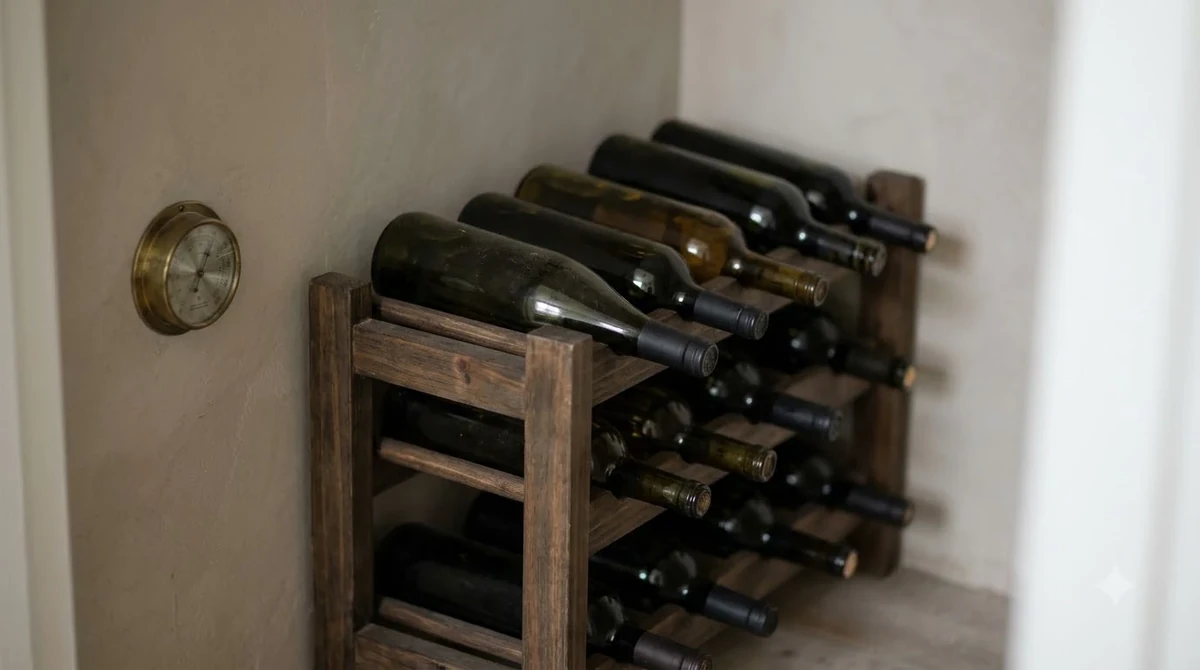
For unopened bottles, aim for a stable storage temperature near 55°F. Keep bottles away from direct sunlight, strong temperature fluctuations, and heat-producing appliances. Traditional cork-finished bottles are generally stored horizontally so the cork remains in contact with the wine. A dark cupboard or suitable wine refrigerator is preferable to a warm kitchen counter.
Serving temperature should reflect the wine’s body. Light reds are generally best around 55–60°F, while full-bodied reds are usually more enjoyable around 60–65°F. Serving a full-bodied California blend too warm can make alcohol seem more prominent and the overall texture heavier. A brief period in the refrigerator can help bring the temperature down before serving.
Decanting is optional for most everyday red blends. Soft, fruit-forward wines usually do not require extended aeration. However, a young, structured Cabernet-dominant blend may benefit from 30–60 minutes in a decanter. Pouring the wine into a decanter also helps separate sediment if a bottle has developed deposits during aging.
Preserving an opened bottle
After pouring, close the bottle with its original closure or a suitable wine stopper and place it in the refrigerator. Cooling slows oxidation even for red wine. Allow the remaining wine to warm slightly before serving again if it tastes too cold.
As a general storage guideline, opened still wines typically remain enjoyable for around 3–5 days when refrigerated and properly sealed. Actual longevity depends on the wine’s structure, freshness, and exposure to oxygen. A particularly delicate red may lose its aroma sooner, while a structured wine may retain its character somewhat longer.
For the best results, pour moderate servings rather than leaving the bottle open throughout an evening. A standard serving is approximately 5 ounces, and a 750 ml bottle provides about five standard glasses. If the bottle will not be finished within a few days, transfer the remaining wine into a smaller, tightly sealed container to reduce the amount of air inside.
These basic habits make a noticeable difference, particularly for wines intended for regular enjoyment rather than extended cellaring. An affordable bottle does not need complicated equipment or elaborate preparation, but stable storage and sensible serving temperatures can help it show its best characteristics.
Frequently Asked Questions
Can a red blend contain white grapes?
Yes, certain winemakers experiment with co-fermenting red and white grape varieties. VinePair describes a Virginia wine combining Riesling, Blaufränkisch, and Cabernet Franc, demonstrating that red blends are not always restricted to conventional red varieties. Such combinations can produce distinctive acidity and aromatic profiles.
Does the order of grapes on a wine label indicate their proportions?
Not necessarily. Labeling requirements depend on the wine’s country of origin and applicable regulations. Some labels list varieties without giving their percentages, so the order should not automatically be treated as a precise recipe. A producer’s technical information is a more useful source when exact proportions matter.
Can red blends improve with several years of bottle aging?
Some can, particularly structured blends with substantial tannin, acidity, and concentration. However, many inexpensive everyday blends are designed for relatively early consumption rather than long-term cellaring. Bottle aging is not automatically beneficial, and softer fruit-forward wines may lose their freshness if stored for too long.
What does the term field blend mean?
A field blend refers to wine made from different grape varieties grown together in the same vineyard and harvested or processed together. This differs from a conventional blend in which separately fermented wines are combined later. Field blends can reflect historical vineyard planting practices and may contain several varieties in changing proportions.
Are red blends suitable for serving in a decanter with an aerator?
Yes, a wine aerator can help introduce oxygen during pouring, although it does not replace extended decanting when a structured wine needs more time. The effect varies with the wine’s age, tannin, and style. For delicate older reds, gentle pouring is generally preferable to aggressive aeration.
The best red blend under 20 is ultimately the one that matches your preferred balance of fruit, acidity, tannin, and body. Start with familiar grapes, compare dry and sweeter styles, and consider the meals you plan to serve alongside the wine. With those basics in mind, finding an enjoyable everyday bottle becomes a much more straightforward decision.
More in Wine Buying Guides
 Riesling Gift: Choose a Bottle They’ll LoveUpdated Nov 21, 2026
 Sweet Red Wine Gift: Choose a Bottle They’ll LoveUpdated Nov 21, 2026
 Malbec Gift: How to Choose a Memorable Bottle for Any OccasionUpdated Nov 21, 2026
 Sherry Gift Ideas That Match Every Wine LoverUpdated Nov 21, 2026
 Moscato Gift: How to Choose a Sweet Wine They’ll LoveUpdated Nov 21, 2026
 Merlot Gift: How to Choose a Bottle They’ll AppreciateUpdated Nov 21, 2026