

We may earn a commission when you buy through links on this page, at no extra cost to you. Learn more.
Red blend food pairing works best with grilled meats, burgers, pizza, pasta, roasted vegetables, and aged cheeses, with the ideal match depending on the wine’s body, tannins, acidity, and dominant grape varieties. Full-bodied blends with Cabernet Sauvignon or Syrah are excellent with steak, lamb, and barbecue, while softer Merlot- or Grenache-based blends complement pork, pizza, and tomato-based dishes. Matching the wine’s intensity to the food and considering the sauce and seasoning will help you find a balanced combination.
Red blends are among the most flexible wines to serve with dinner because their flavor and structure can vary considerably. Some are rich, dark, and tannic, while others emphasize ripe berries, softer textures, and approachable acidity. Understanding these differences makes it easier to choose food that complements the bottle rather than overwhelms it.
What Makes Red Blends Different for Food Pairing?
Red blends combine two or more grape varieties to create a wine with a particular balance of fruit, acidity, tannin, and body. Their versatility comes from the different characteristics each grape contributes, making the grape composition and overall style more useful than the words red blend alone.
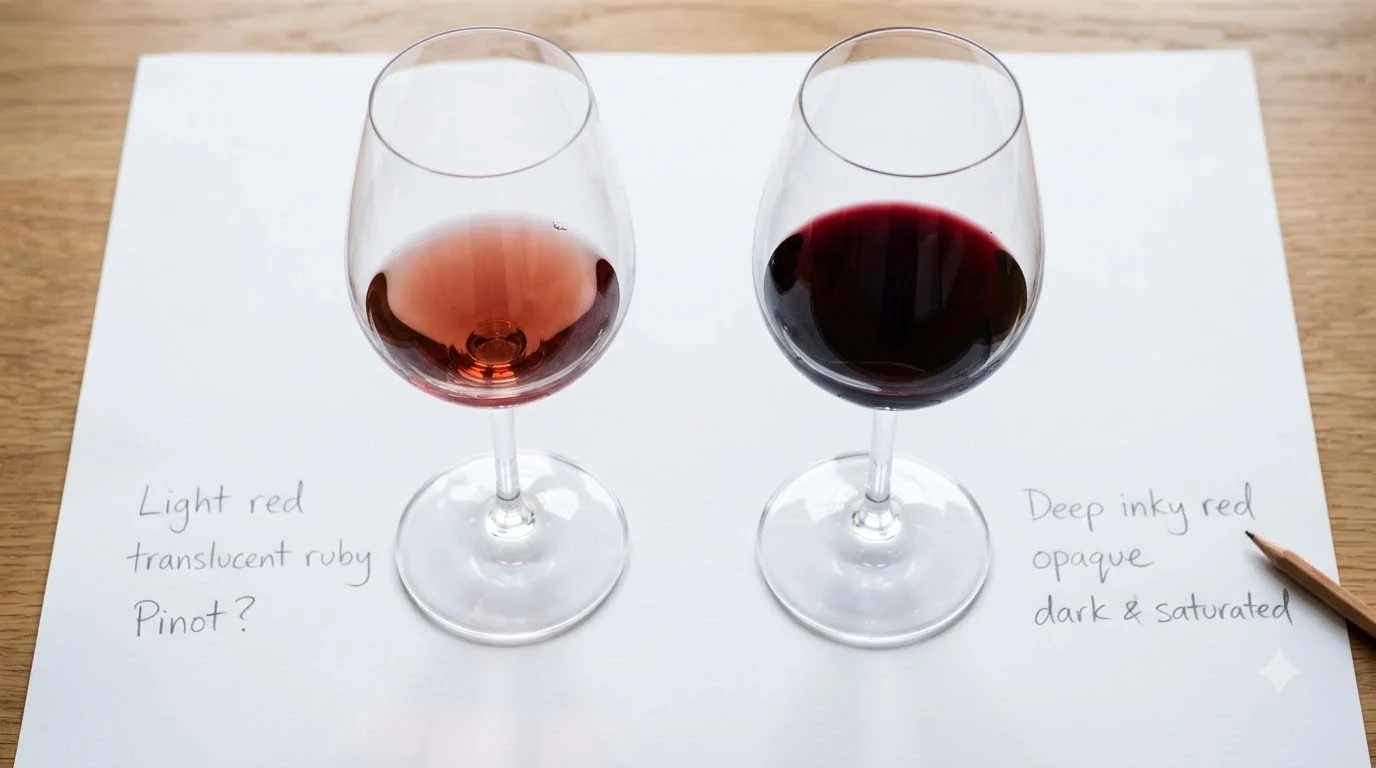
Winemakers often ferment varieties separately before combining them. According to Missouri Wines, blending can improve complexity and balance while enhancing aromas, finish, and mouthfeel. For example, Cabernet Sauvignon can contribute firm tannins and dark-fruit flavors, while Merlot adds softer textures and plum or cherry notes.
Several familiar combinations illustrate why red blends can taste so different:
- Bordeaux-style blends: Cabernet Sauvignon, Merlot, and Cabernet Franc create wines that can show blackcurrant, plum, herbal notes, and firm structure. These are natural choices for steak, roast beef, and lamb.
- GSM blends: Grenache, Syrah, and Mourvèdre combine ripe berry fruit, spice, and varying degrees of tannin. They are particularly useful with grilled meats, Mediterranean food, and seasoned barbecue.
- Merlot-based blends: These often have a softer, rounder texture, with plum, cherry, and red-fruit characteristics. Try them with pork, burgers, meatloaf, and tomato-based pasta.
- Cabernet-Syrah blends: These can be powerful, dark-fruited wines with substantial tannin and savory spice. Rich beef dishes, lamb chops, and smoked meats are suitable matches.
The proportion of each grape matters, but so do climate, ripeness, winemaking techniques, and oak aging. A warm-climate Grenache blend may have generous ripe fruit and relatively high alcohol, whereas a cooler-climate Bordeaux-style wine may emphasize freshness, herbs, and firmer tannins.
For practical pairing, think of red blends in three broad categories: light to medium-bodied, medium-bodied, and full-bodied. This approach is more useful than assuming every bottle labeled red blend belongs with steak.
How to Match Red Blend Wine with Different Foods
The most reliable approach is to match the wine’s weight and intensity with the dominant characteristics of the dish. A medium-bodied blend works with moderately rich meals, while a powerful, tannic bottle needs food with enough protein, fat, or savory flavor to balance its structure.
Start by considering four elements: body, tannin, acidity, and alcohol. Body describes how heavy the wine feels in the mouth. Tannin creates a drying sensation, acidity supplies freshness, and alcohol contributes warmth and perceived weight.
Here is a practical reference for common red blend styles and their food matches:
| Red blend style | Typical characteristics | Best food matches |
|---|---|---|
| Light-bodied | Fresh red fruit, gentle tannin, lively acidity | Roast chicken, grilled vegetables, mushroom dishes |
| Medium-bodied | Cherry, plum, moderate tannin, balanced acidity | Pizza, burgers, pork chops, tomato pasta |
| Full-bodied | Blackberry, dark plum, pronounced tannin, substantial weight | Ribeye, lamb, beef ribs, smoked brisket |
| Spicy Grenache blend | Ripe berry fruit, pepper, warm alcohol | Herb-roasted pork, grilled chicken, Mediterranean dishes |
| Cabernet-dominant blend | Blackcurrant, firm tannin, structured finish | Steak, roast beef, lamb shoulder, aged cheddar |
| Merlot-dominant blend | Plum, cherry, softer tannin, rounded texture | Meatloaf, lasagna, sausages, roasted turkey |
These are general matching suggestions rather than strict classifications. Two bottles with the same grape varieties can have noticeably different levels of ripeness, acidity, alcohol, and oak influence.
According to Wine Enthusiast’s discussion of wine and food pairing principles, the main flavor, preparation, seasoning, and texture of a dish should all influence the selection. A grilled chicken breast with lemon and herbs, for example, needs a different wine from chicken cooked with a thick barbecue glaze.
When the meal contains several ingredients, concentrate on the strongest flavor or richest component. A mushroom cream sauce may matter more than whether the protein is chicken or beef. Likewise, a tomato-heavy sauce may determine the wine more than the pasta shape.
Tip: If you are unsure which red blend to serve, choose a medium-bodied bottle with moderate tannins and balanced acidity. It is generally easier to pair with a wider range of everyday dishes than an extremely powerful, high-alcohol red.
Best Red Blend Pairings for Beef, Lamb, and Grilled Meat
Full-bodied red blends are particularly successful with beef, lamb, and grilled meat because their tannins and concentrated fruit can stand up to rich proteins and smoky cooking flavors. Cabernet Sauvignon, Syrah, and Mourvèdre are useful grape varieties to look for when planning a substantial meat-based meal.
Steak and roast beef: A Cabernet Sauvignon-based blend is a dependable choice for ribeye, sirloin, New York strip, and roasted beef. Cabernet Sauvignon generally has high tannin, which provides structure alongside the protein and fat in these dishes. Blackcurrant, dark cherry, and savory herbal flavors also complement grilled or roasted meat.
Cooking method makes a difference. A heavily seared ribeye has browned, savory flavors that work with a structured red, while a leaner filet mignon may benefit from a smoother Merlot-based blend. Peppercorn sauce, mushroom gravy, and roasted garlic can also influence which wine tastes most balanced.
Lamb: Lamb chops, roasted leg of lamb, and slow-cooked lamb shoulder are excellent matches for Syrah- or Grenache-based blends. Syrah contributes dark fruit and pepper, while Grenache often brings ripe red berries and warm spice. The herbs commonly used with lamb, including rosemary, thyme, and garlic, connect naturally with these flavors.
A Rhône-style GSM blend is especially useful with herb-crusted lamb. For a richer preparation, such as braised lamb shoulder, choose a wine with fuller body and enough concentration to match the sauce. A lighter blend may become difficult to appreciate alongside a thick, intensely flavored gravy.
Barbecue and smoked meat: Barbecue ribs, smoked brisket, pulled beef, and grilled sausages can all work with fuller red blends. The fruit of the wine complements smoky flavors, while moderate or substantial tannins provide structure against fatty meat.
However, consider the barbecue sauce. A dry, peppery rub is easier to match with a tannic Cabernet-based wine than a very sweet sauce. Sugary barbecue glaze can make a dry red seem less fruity and more bitter. A fruit-forward Grenache or Merlot blend may be more suitable when the sauce has noticeable sweetness.
Burgers and meatloaf: These everyday dishes are excellent opportunities to serve medium-bodied red blends. A Merlot-based wine works with a classic cheeseburger, while a Syrah blend can complement burgers seasoned with black pepper, grilled onions, and smoked spices.
For meatloaf, consider the glaze and accompanying vegetables. A tomato-based glaze calls for sufficient freshness in the wine, while a mushroom gravy works nicely with earthy, medium-bodied blends.
Pizza, Pasta, and Other Italian-Inspired Dishes
Medium-bodied red blends are excellent with pizza and pasta because they can combine enough fruit and structure to complement cheese, roasted ingredients, herbs, and savory sauces. Merlot, Sangiovese, and Grenache-based blends are especially useful for these meals.
Pizza: Classic pepperoni pizza is a reliable match for a medium-bodied red blend. The wine’s fruit complements tomato sauce, while moderate tannins work alongside melted mozzarella and the richness of pepperoni. A blend with Merlot or Grenache can provide enough fruit without overwhelming the dish.
For sausage pizza, try a wine with Syrah or Cabernet Franc. Their savory and peppery characteristics can complement fennel sausage, roasted peppers, and browned cheese. Mushroom pizza is another strong option, especially with blends that have earthy or herbal notes.
Tomato-based pasta: Lasagna, spaghetti with meat sauce, baked ziti, and penne with tomato sauce can all work with medium-bodied red blends. The important factor is acidity. Tomato sauce is naturally acidic, so a wine with enough acidity should be selected to prevent the wine from tasting flat.
A Merlot and Cabernet Franc blend is a useful option for meat lasagna, especially when the sauce contains ground beef, garlic, and herbs. A Sangiovese-based blend can also work well with traditional Italian tomato sauces because its fresh acidity helps balance the dish.
Creamy pasta: Fettuccine with mushrooms, sausage pasta with cream sauce, and baked pasta with béchamel need a wine with enough body to stand alongside the richness. A softer Merlot blend or a moderate Grenache blend can provide fruit and structure without making the combination feel excessively heavy.
Herb and olive oil dishes: Pasta with roasted tomatoes, basil, garlic, and olive oil often works with lighter or medium-bodied blends. These dishes do not necessarily need a powerful wine. Excessive tannin can overwhelm delicate herbs and vegetables, so a smoother red is usually a better choice.
If you are comparing different Italian wine styles, exploring Barbera food pairing can also help explain why acidity matters so much with tomato sauces. For meals featuring richer, slow-cooked sauces, Amarone food pairing offers another perspective on matching concentrated red wine with substantial food.
Cheese, Vegetables, and Vegetarian Red Blend Pairings
Red blends are not limited to meat dishes. A medium-bodied bottle can work beautifully with roasted vegetables, mushrooms, lentils, and cheese, provided the food has enough flavor and texture to stand alongside the wine.
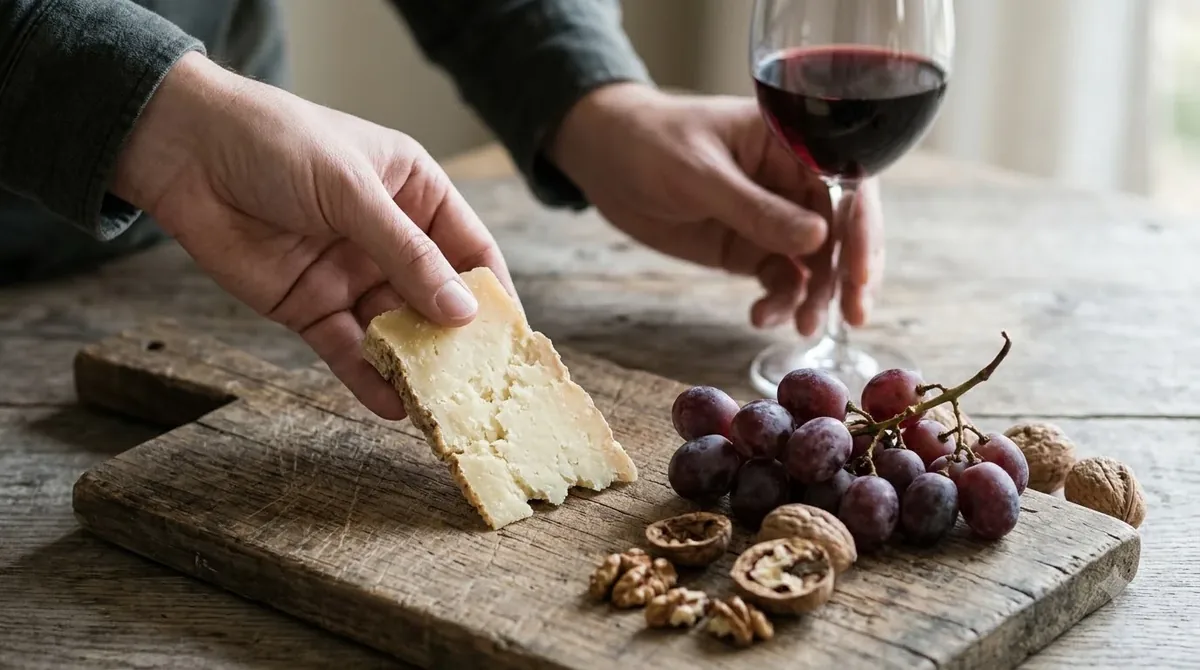
Cheese: Aged cheddar is one of the most dependable matches for structured red blends. Its richness and savory character can balance the drying sensation of Cabernet Sauvignon and Syrah tannins. Gouda, particularly aged Gouda, can also complement dark-fruited wines.
For softer cheeses, choose a less tannic blend. Brie, Camembert, and creamy semi-soft cheeses can work with Merlot-dominant or Grenache-based wines. Extremely tannic reds may overpower the delicate texture and flavor of fresh cheeses.
Hard cheeses such as Parmesan and aged Manchego are useful additions to a red wine board. Their concentrated savory character pairs well with fruit-forward wines, particularly when accompanied by nuts, roasted peppers, and cured meats.
Mushrooms: Roasted portobello, mushroom risotto, and grilled mushrooms have earthy flavors that complement Merlot, Cabernet Franc, and some Syrah blends. The savory notes of mushrooms can connect with the herbal and earthy characteristics of these grapes.
A mushroom risotto with Parmesan is particularly suitable for a medium-bodied red. The creamy rice provides richness, while the cheese contributes savory depth. Avoid extremely powerful wines if the mushroom flavor is subtle.
Roasted vegetables: Eggplant, zucchini, bell peppers, onions, and tomatoes develop deeper flavors when roasted. These ingredients can work with Grenache and Merlot blends, especially when seasoned with rosemary, thyme, paprika, or garlic.
Vegetable dishes with olive oil and herbs are often easier to pair than raw vegetables with sharp vinaigrette. Raw salads dressed with vinegar or lemon can make a red wine taste less balanced if the wine does not have sufficient acidity.
Beans and lentils: Lentil stew, white beans with tomatoes, and black bean dishes can work with medium-bodied red blends. Their earthy, savory flavors and substantial textures provide a useful foundation for red wine. A Grenache or Merlot blend is a good starting point for these meals.
For more delicate seafood dishes, a red blend is not always the best option. Tannic reds can clash with oily fish such as tuna and salmon, particularly when the preparation is simple. Consider a lighter, low-tannin alternative or explore Albarino food pairing for seafood and dishes with lemon or fresh herbs.
How Sauces, Seasonings, and Spice Change the Pairing
Sauces and seasonings can change a pairing more dramatically than the main ingredient. Tomato acidity, sugar in barbecue glaze, chili heat, and creamy fats all affect how a red blend tastes, so consider the entire dish rather than choosing wine based only on its protein.
Tomato and vinegar sauces: Acidic sauces can make low-acidity wines seem dull or flat. A tomato-based pasta, tomato salsa, or vinegar-forward dressing should be paired with a wine that has equal or higher acidity. Medium-bodied blends with good freshness are usually safer than very ripe, low-acid wines.
Sweet barbecue sauces: Honey, brown sugar, molasses, and sweet tomato glazes can make dry red wine taste more bitter and less fruity. Choose a ripe, fruit-forward blend with moderate tannin rather than a particularly austere Cabernet-dominant bottle.
Cream and butter sauces: Rich sauces can soften the perception of tannins and make fuller reds feel more balanced. A creamy mushroom sauce with beef, for example, can work with Cabernet Sauvignon or Syrah. For a delicate cream-based vegetable dish, however, a softer Merlot blend may be more appropriate.
Chili and hot spices: Be careful with powerful red blends alongside very spicy dishes. Alcohol and tannin can amplify the sensation of chili heat, making a high-alcohol, heavily structured wine feel hotter and more aggressive.
For mildly spicy grilled chicken, a fruity Grenache-based blend may work, especially when the dish includes roasted vegetables or a slightly sweet glaze. For extremely hot Thai, Sichuan, or Indian dishes, an off-dry, lower-alcohol white wine is often a better choice.
Salt and umami: Salt can soften the perception of tannin in many food and wine combinations, while savory ingredients such as mushrooms, Parmesan, and roasted meat provide depth. Nevertheless, heavily salted foods can make rough tannins seem more pronounced, so avoid excessive salt when serving a particularly young and astringent red.
These principles also explain why a wine can work beautifully with one version of a dish but not another. A grilled pork chop with rosemary and olive oil may suit a medium-bodied blend, while the same pork chop covered in a very sweet, spicy sauce may require a fruitier, softer wine.
Serving Temperature, Glassware, and Practical Pairing Tips
Serving temperature affects the balance, aroma, and texture of red blend wine. Light and medium-bodied reds generally benefit from slight cooling, while fuller-bodied blends are best served cool rather than warm.
Use these temperature ranges as a practical starting point:
- Light-bodied red blends: 55–60°F.
- Medium-bodied red blends: 55–65°F, depending on their structure and alcohol.
- Full-bodied red blends: 60–65°F.
Missouri Wines gives a general serving range of 55–65°F for red blends. This range covers many common styles, although a lighter wine can benefit from the cooler end and a powerful Cabernet-based wine from the warmer end.
A wine served too warm may emphasize alcohol and make the finish seem heavy. Excessive chilling can make tannins feel more pronounced and mute the wine’s fruit. If the bottle has been stored at room temperature in a warm kitchen, placing it in the refrigerator briefly before serving can help bring it closer to the desired temperature.
Choose suitable glassware: A standard red wine glass with a reasonably wide bowl allows aromas to collect and gives the wine room to open. Larger bowls are useful for fuller Cabernet and Syrah blends, while a standard red wine glass is sufficient for medium-bodied Merlot and Grenache wines.
Consider decanting: Young, full-bodied red blends with substantial tannin can benefit from 30–60 minutes of decanting before serving. This gives the wine time to interact with air and can make its aromas more expressive. Softer, lighter reds generally need less aeration.
Plan the pour: A standard wine serving is approximately 5 ounces. A 750 ml bottle contains about five such glasses, making it easy to estimate how much wine is needed for a dinner party. For a meal with several courses, serve lighter wines before fuller, more structured blends.
Store leftover wine correctly: Recork an opened bottle and keep it in the refrigerator. Most opened still wines retain their best qualities for approximately 3–5 days, depending on their age, storage, and exposure to oxygen. Allow a refrigerated red to warm slightly before serving again.
Finally, do not treat pairing suggestions as rigid rules. If you prefer a particular red blend with roasted chicken or a favorite cheese, personal enjoyment is a perfectly good reason to serve it. The best pairing is one in which the wine and food complement each other without either becoming overwhelming.
Frequently Asked Questions
These answers cover practical questions about red blend food pairing, including serving choices, wine characteristics, and common combinations involving specific dishes and ingredients.
Is red blend wine sweet or dry?
Most traditional red blends are dry, although ripe fruit flavors can create an impression of sweetness. Some commercial blends contain noticeable residual sugar, so sweetness varies by producer and style. A wine with blackberry or plum aromas is not necessarily sweet in terms of actual sugar content.
Can you drink red blend wine with Thanksgiving dinner?
Yes. A softer Merlot or Grenache-based blend can work with roasted turkey, herb stuffing, and cranberry accompaniments. For a traditional meal with several side dishes, choose a medium-bodied wine rather than a heavily tannic Cabernet-dominant blend. The fruit and moderate structure are generally easier to accommodate across different plates.
Does red blend wine pair with dark chocolate?
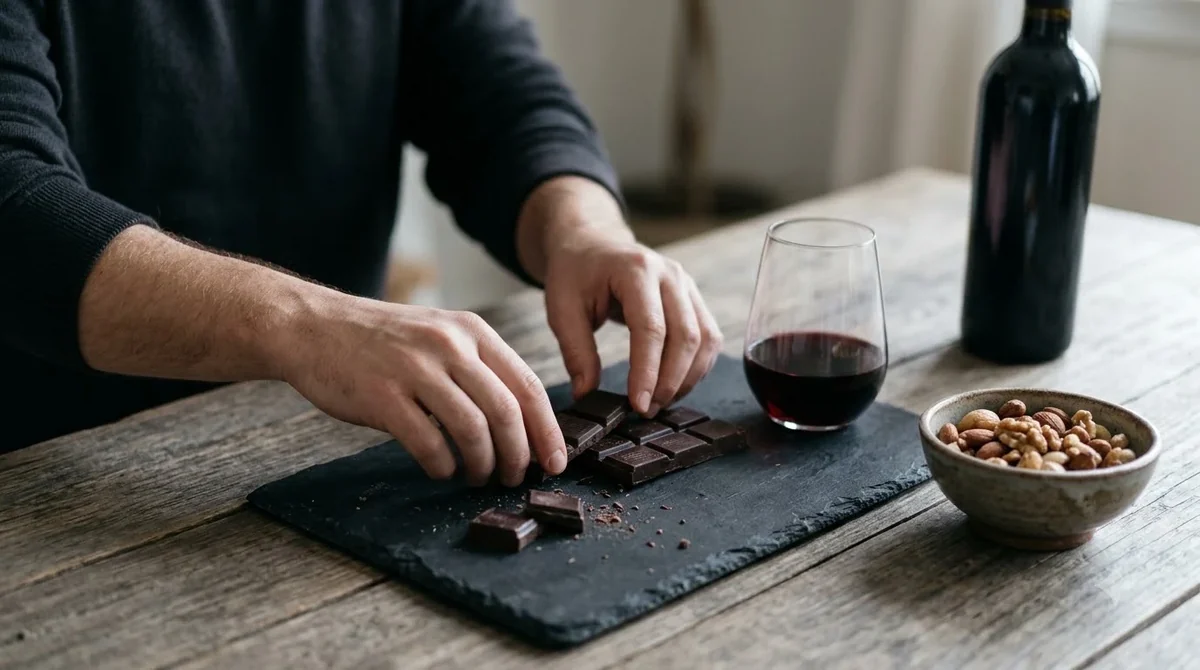
Dry red blends can be challenging with sweet dark chocolate because the dessert may make the wine seem more bitter and acidic. A sweeter red wine or a fortified wine is generally a better choice for chocolate desserts. If serving a dry red blend, choose a less-sweet chocolate preparation rather than a heavily sugared chocolate cake.
Is red blend wine suitable for outdoor barbecues?
Yes. Grenache-Syrah-Mourvèdre blends and Cabernet-based blends are useful choices for outdoor meals featuring grilled beef, sausages, and smoked vegetables. For a barbecue lasting several hours, serve the wine slightly cool so it does not become overly warm outdoors. Keep the bottle away from direct sunlight and hot serving areas.
How many grape varieties can a red blend contain?
A red blend can contain as few as two grape varieties or several more, depending on the winemaker and regional regulations. Some traditional Bordeaux-style blends use five principal red varieties, while other wines combine just Cabernet Sauvignon and Merlot. There is no universal number that defines every red blend.
Red blend food pairing becomes much easier when you consider the wine’s body, tannin, acidity, and dominant fruit characteristics alongside the meal’s preparation and seasoning. Choose medium-bodied blends for versatile everyday dishes and fuller, structured wines for rich grilled meats and aged cheeses. With a little attention to these characteristics, red blends can be excellent companions for everything from casual pizza nights to elaborate dinner parties.
More in Food & Wine Pairing
 Risotto With White Wine Recipe: Make a Creamy Dinner at HomeUpdated Nov 20, 2026
 Wassail With Wine Recipe for a Festive Spiced Holiday DrinkUpdated Nov 20, 2026
 Spritz Veneziano Recipe: Make a Classic Venetian Aperitivo at HomeUpdated Nov 20, 2026
 Summer Wine Punch Recipe for Easy Homemade EntertainingUpdated Nov 20, 2026
 Bishop Recipe: How to Make a Bright, Citrus-Forward Red Wine CocktailUpdated Nov 20, 2026
 Wine Cupcakes Recipe: Bake Rich Chocolate Cupcakes at HomeUpdated Nov 20, 2026