

We may earn a commission when you buy through links on this page, at no extra cost to you. Learn more.
The core difference in grenache vs sangiovese comes down to warm-climate red-berry plushness versus brisk, savory high-acid structure. Grenache delivers ripe strawberry, raspberry, and white pepper with medium-plus body, softer tannins, and higher alcohol, whereas Sangiovese brings tart sour cherry, dried herbs, firmer tannins, and mouthwatering acidity. Pour Grenache alongside roasted lamb, grilled sausages, or spiced dishes, and reach for Sangiovese when tomato-based pasta, pizza, or rich cured meats are on the table.
Both grapes produce translucent ruby-colored red wines that can look remarkably similar in the glass, yet they behave like opposites once food hits the palate. Understanding how climate, skin thickness, acidity, and regional winemaking shape each bottle makes choosing between Wine vs Wine matchups much easier at the shop or dinner table.
Grenache vs Sangiovese at a Glance: Key Structural Differences
Grenache is a warm-climate, late-ripening grape prized for generous red fruit, rounded tannins, and higher alcohol, while Sangiovese is an acid-driven Italian staple built on firm tannins and savory herb character. Comparing their baseline numbers and sensory profiles side by side shows why each grape excels in completely different dining scenarios.
Because both varieties have relatively thin skins compared to Cabernet Sauvignon, neither grape produces an opaque, ink-black pour. In the glass, young Grenache shows a bright garnet-ruby rim that can shift toward brick orange quickly if exposed to excess oxygen, while young Sangiovese displays a vivid translucent ruby hue with slight tawny edges as it matures. Visually, the two can fool casual tasters, which is why structure rather than color separates them.
On the palate, the contrast is immediate. Grenache accumulates high sugar levels during long, sunny growing seasons, resulting in wines that commonly sit between 14% and 15.5% alcohol by volume (ABV) with medium acidity and plush, velvety tannins. Sangiovese ripens with brisk natural acidity intact and typically lands between 12.5% and 14% ABV, backed by medium-plus to high tannins that grip the gums until paired with protein or fat.
| Attribute | Grenache (Garnacha) | Sangiovese |
|---|---|---|
| Primary Origins | Aragon & Priorat (Spain); Southern Rhône & Roussillon (France) | Tuscany & Emilia-Romagna (Italy) |
| Typical ABV Range | 13.5% – 15.5% | 12.5% – 14.0% |
| Acidity Level | Medium | High |
| Tannin Level | Low to medium (soft, rounded) | Medium-plus to high (firm, grippy) |
| Body | Medium-plus to full | Medium to full |
| Core Fruit Notes | Ripe strawberry, raspberry, red plum | Tart sour cherry, red currant, cranberry |
| Savory & Spice Notes | White pepper, dried garrigue herbs, orange peel | Dried oregano, tomato leaf, black tea, leather |
| Ideal Serving Temp | 58–62°F | 60–65°F |
Flavor and Aroma Profiles: Berry Plushness vs Savory Cherry
Grenache leads with sweet-smelling red berries, candied raspberry, and cracked white pepper, whereas Sangiovese highlights tart red cherry, wild herbs, and earthy tea leaf notes. Both wines are almost always fermented completely dry, even when Grenache’s ripe fruit gives a sweeter initial impression.
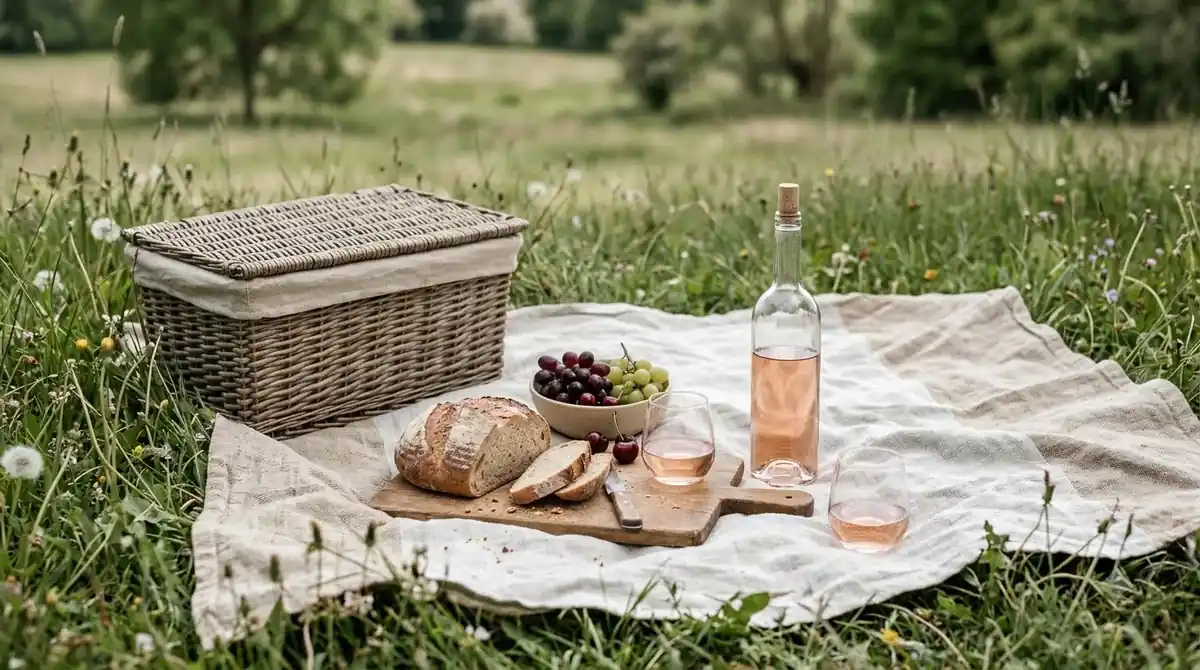
According to Wine Enthusiast’s varietal guide to Grenache, white pepper is the grape’s single most reliable aromatic signature alongside strawberry, raspberry, and tart cherry. When grown on warm, stony soils in southern France or northeastern Spain, Grenache also picks up aromas of dried rosemary, lavender, and candied orange peel. Old-vine bottlings add deeper layers of kirsch, leather, and cocoa without losing their supple mid-palate weight.
Sangiovese takes a sharper, more savory path. First documented in historical records in 1590 and named from the Latin sanguis Jovis (“the blood of Jove”), Sangiovese centers on sour Morello cherry, red plum, and cranberry. Supporting notes include dried oregano, roasted tomato, black tea, and violet petals. When aged in oak casks for two or more years, Sangiovese develops complex secondary aromas of pipe tobacco, cured leather, cedar, and autumn forest floor.
Winemaking choices also steer how each grape smells in the glass. Producers frequently ferment Grenache in concrete tanks or large neutral oak foudres so new wood vanilla does not mask its delicate floral and berry aromatics. Sangiovese winemakers use everything from stainless steel for crisp, early-drinking reds to large Slavonian oak casks or smaller French barriques for structured Tuscan bottles that trade bright fruit for spicy, balsamic depth.
Acidity, Tannins, and Alcohol: How They Feel on the Palate
Sangiovese delivers noticeably higher acidity and firmer tannins than Grenache, while Grenache brings fuller perceived weight and higher alcohol warmth. These three structural levers determine how refreshing or warming each wine feels from the first sip through the finish.
Acidity is Sangiovese’s defining backbone. In Chianti Classico, minimum total acidity is regulated at 4.5 grams per liter, creating a mouthwatering, juicy sensation that makes the palate salivate immediately. Grenache sits lower on the acid scale—typically medium—so it glides smoothly across the tongue rather than snapping with tartness. Readers who enjoy lighter, high-acid reds can explore how Grenache compares against another thin-skinned favorite in grenache vs pinot noir.
Tannin structure splits the two grapes just as cleanly. Grenache has thin skins and relatively low seed tannin extraction when handled gently, yielding a round, polished mouthfeel that rarely tastes astringent even in youth. Sangiovese packs far more phenolic grip; young Brunello di Montalcino or Chianti Classico Riserva can feel chalky and drying on its own until salt, olive oil, or meat protein softens those tannins.
Alcohol is where Grenache exerts its power. Because Grenache ripens late in hot, dry regions, grape sugars climb rapidly before harvest, regularly pushing finished wines to 14.5% or 15.5% ABV. That higher alcohol adds viscosity and subtle sweetness on the mid-palate, though serving the bottle too warm can make the finish taste hot. Sangiovese generally finishes between 12.5% and 14% ABV, keeping the wine crisp, lifted, and easy to drink over a multi-course meal.
Tip: If a bottle of Grenache tastes overly heavy or alcoholic at room temperature, place it in a standard kitchen refrigerator for 20 to 25 minutes before pouring. Dropping the serving temperature to around 58°F tightens the fruit profile and keeps 14.5% to 15% ABV wines feeling fresh.
Major Wine Regions and Classic Styles
Grenache anchors famous blends and single-varietal reds across Spain, southern France, Australia, and California, while Sangiovese defines central Italy’s premier denominations in Tuscany and Emilia-Romagna. Knowing the key regional names on the label tells you immediately which style sits inside the bottle.
Where Grenache (Garnacha) Excels
Grenache originated in Aragon in northern Spain—where it is called Garnacha—before crossing the Pyrenees into Languedoc-Roussillon and the Southern Rhône Valley. In France’s Châteauneuf-du-Pape AOC, where 18 grape varieties are legally permitted, Grenache serves as the primary grape, contributing lush red fruit, body, and alcohol to blends with Syrah and Mourvèdre. Neighboring Rhône appellations like Gigondas and Vacqueyras rely on the same formula, while Tavel and Lirac use Grenache’s thin skins to craft structured dry rosés.
Across Spain, Garnacha shifts style by elevation and soil. In Catalonia’s Priorat region, steep slate hillsides produce concentrated, dark-fruited old-vine Garnacha built for a decade or more of cellaring. Further north in Aragon’s Campo de Borja and Calatayud, high-altitude vineyards yield vibrant, value-driven varietal Garnacha, while in Rioja it is blended with Tempranillo to add aromatic lift and mid-palate generosity. Outside Europe, Australia’s Barossa and McLaren Vale and California’s Paso Robles and Santa Barbara County bottle rich single-varietal Grenache and GSM blends.
Where Sangiovese Excels
Tuscany is Sangiovese’s undisputed heartland, where strict denomination rules govern grape percentages and aging times. According to the Consorzio Vino Chianti Classico production regulations, Chianti Classico Annata requires at least 80% Sangiovese and 12 months of maturation, Riserva requires at least 80% Sangiovese and 24 months of maturation, and Gran Selezione requires at least 90% estate-grown Sangiovese aged for a minimum of 30 months.
Food Pairing: Matching Each Grape to the Right Dish
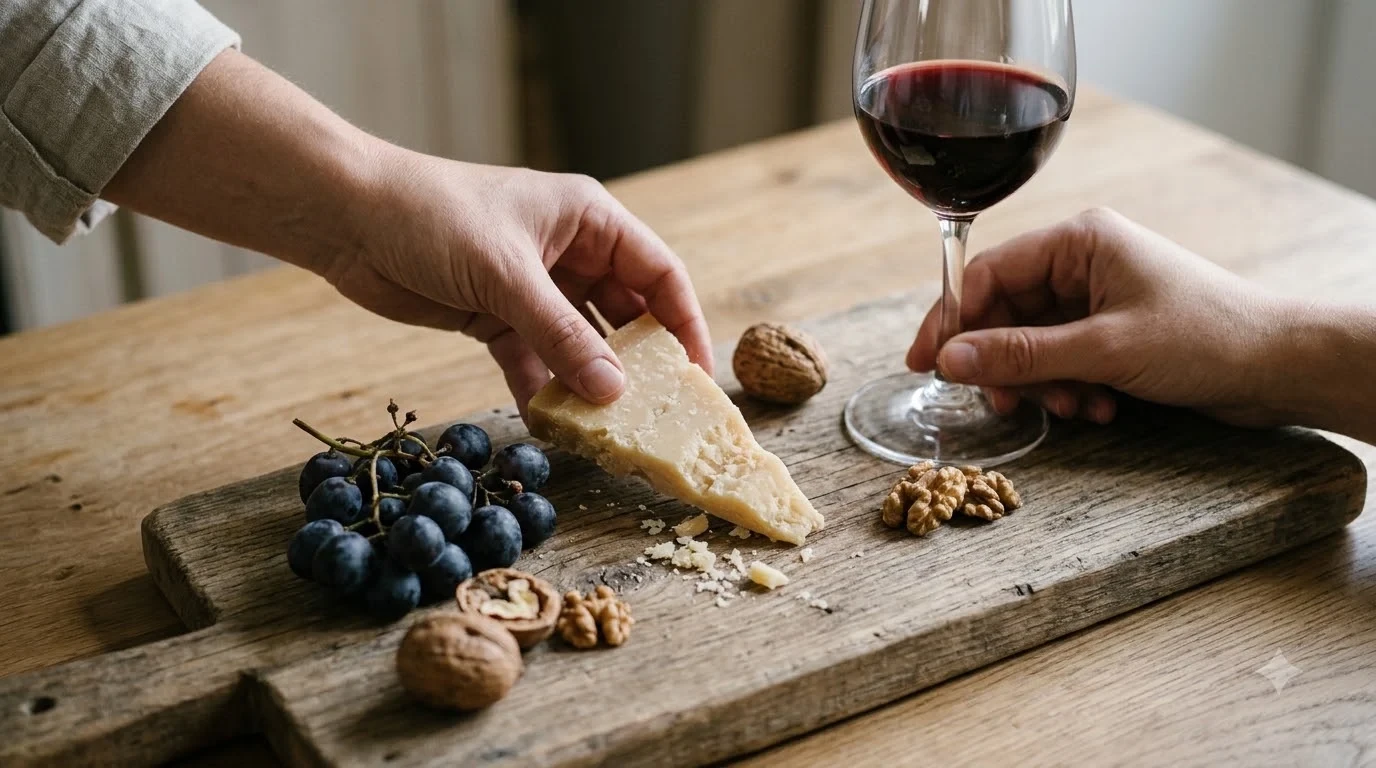
Sangiovese is built for acidic tomato sauces, hard cheeses, and fatty cured meats, while Grenache shines alongside roasted meats, warm spices, and moderately charred barbecue. Matching food acidity, fat, and spice to each wine’s structure prevents either element from overwhelming the other.
Because acidic food requires a wine with equal or higher acidity to avoid tasting flat, Sangiovese is the classic partner for Italian tomato dishes. A bowl of pasta with marinara, ragù alla Bolognese, or Neapolitan margherita pizza matches Sangiovese’s high acidity (at least 4.5 grams per liter in Chianti Classico) bite for bite. Meanwhile, the salt and fat in Pecorino Toscano, aged Parmigiano-Reggiano, prosciutto, and grilled bistecca alla Fiorentina soften Sangiovese’s firm tannins and release its sweet cherry core.
Grenache steps in where Sangiovese’s tartness and tannin would clash. Its medium acidity and plush red fruit complement herb-crusted roast lamb, pork tenderloin, duck breast, and grilled merguez sausages. In southern France and Spain, winemakers pair Grenache with ratatouille, cassoulet, and Moroccan-spiced tagines because cinnamon, cumin, and smoked paprika echo the grape’s natural white pepper and orange-peel aromatics. Keep chili heat mild to moderate with Grenache, however, since 14.5% to 15.5% ABV amplifies capsaicin burn on the palate.
Serving Temperature, Decanting, and Storage
Serve Grenache slightly cooler at 58°F to 62°F to keep its generous alcohol balanced, and pour Sangiovese at 60°F to 65°F to let its savory aromatics open up. Proper aeration and steady storage temperatures protect both grapes from premature oxidation.
Because Grenache has thin skins and low antioxidant tannin levels compared to darker grapes, it oxidizes faster once exposed to air. Young, fruit-forward Côtes du Rhône or Spanish Garnacha needs little to no decanting—simply pour into a wide-bowled Burgundy or universal red glass 15 minutes before dinner. Full-bodied, old-vine Châteauneuf-du-Pape or Priorat benefits from 30 to 45 minutes in a decanter to blow off any initial alcohol heat and reveal dried herb complexity.
Structured Sangiovese demands more oxygen to unwind. Decant young Chianti Classico Riserva, Vino Nobile di Montepulciano, or Brunello di Montalcino for 45 to 60 minutes before serving so its tight tannins relax and its sour cherry, violet, and leather notes emerge. For long-term cellaring, store both bottles horizontally at a steady 55°F and 50% to 70% humidity. According to Wine Enthusiast’s Sangiovese tasting guide, top Tuscan bottles aged 15 to 25 years evolve savory truffle, pipe tobacco, and flinty mineral aromas as their tannins soften. Once opened, recork either wine and refrigerate; still reds stay fresh for 3 to 5 days.
How to Choose Between Grenache and Sangiovese
Pick Grenache when you want a smooth, ripe, fruit-forward red with minimal astringency, and choose Sangiovese when dinner calls for crisp acidity, earthy complexity, and firm tannic grip. Your preferred wine style and menu make the decision straightforward.
Choose Grenache if you love lush berry flavors, warm spice, and a rounded mouthfeel that tastes welcoming right out of the bottle without heavy food. Look for Spanish Garnacha from Campo de Borja or Calatayud for vibrant everyday drinking, or step up to Southern Rhône blends from Gigondas and Châteauneuf-du-Pape for deeper herbal structure. If you prefer Grenache’s berry profile with even darker color and peppery grip, compare grenache vs syrah to see how those two Rhône partners differ.
Choose Sangiovese if you gravitate toward savory, food-driven reds with bright tartness and structural backbone. A Chianti Classico Annata offers immediate cherry-and-herb refreshment for weeknight pasta, while Chianti Classico Gran Selezione (aged at least 30 months from estate-grown fruit) or Brunello di Montalcino delivers serious cellar-worthy weight for special-occasion roasts.
Frequently Asked Questions
Is Grenache sweeter than Sangiovese?
Both Grenache and Sangiovese are typically fermented dry with low residual sugar, though Grenache tastes sweeter due to its ripe strawberry fruit and higher alcohol. The notable exception is French vin doux naturel such as Banyuls and Rivesaltes in Roussillon, where winemakers fortify Grenache with grape spirit to retain natural sweetness for chocolate and blue cheese pairings.
Why are Grenache and Sangiovese so often blended with other grapes?
Winemakers blend both varieties to balance color, tannin, and mid-palate weight. In the Southern Rhône and Australia, Syrah and Mourvèdre add deep purple pigment, savory meatiness, and firmer tannins to Grenache’s lush fruit, whereas in Tuscany, Canaiolo, Colorino, or small amounts of Cabernet Sauvignon and Merlot reinforce Sangiovese’s color and soften its high acidity.
What is a Super Tuscan and how does it relate to Sangiovese?
A Super Tuscan is a high-end Tuscan red produced outside traditional DOCG blending rules, often bottled under the Toscana IGT designation. Many famous Super Tuscans—such as Tignanello, Flaccianello, Le Pergole Torte, Cepparello, and Fontalloro—are built on 80% to 100% Sangiovese aged in French oak barriques rather than large traditional casks.
Which wine has more body: Grenache or Sangiovese?
Grenache typically feels fuller and more viscous on the mid-palate because its higher alcohol (often 14.5% to 15.5% ABV) increases glycerine perception and weight. Sangiovese carries medium to full body driven by structural tannins and extract rather than alcohol richness, giving it a leaner, tighter profile across the tongue.
Are Grenache and Cannonau the exact same grape?
Yes, Cannonau is the local Sardinian name for Grenache (and Spanish Garnacha), with DNA profiling confirming they are genetically identical. Grown on Sardinia’s warm granitic and limestone hills, Cannonau di Sardegna DOC wines require at least 85% Cannonau under Italian appellation rules and typically show earthy dried herbs, ripe red plum, and warming spice.
Comparing grenache vs sangiovese highlights how two thin-skinned red grapes can deliver completely different dining experiences—one built on sunny berry generosity and gentle tannins, the other on brisk Italian acidity and savory grip. Keep both styles on hand at 55°F so you always have the right bottle ready for either spiced weekend roasts or midweek tomato pasta.
More in Wine vs Wine
 Chenin Blanc vs Pinot Gris: Acidity, Body, and Pairing DifferencesUpdated Nov 20, 2026
 Chianti vs Lambrusco: How Tuscany and Emilia-Romagna Reds CompareUpdated Nov 20, 2026
 Chianti vs Primitivo: Key Differences in Taste, Body, and PairingUpdated Nov 20, 2026
 Chianti vs Rioja: Key Differences in Taste, Aging, and PairingUpdated Nov 20, 2026
 Chianti vs Shiraz: How Acidity, Body, and Food Pairings CompareUpdated Nov 20, 2026
 Chianti vs Syrah: Key Differences in Taste, Body, and Food PairingUpdated Nov 20, 2026