


We may earn a commission when you buy through links on this page, at no extra cost to you. Learn more.
This prisoner wine review finds The Prisoner Red Blend best suited to drinkers who enjoy full-bodied California reds with concentrated dark fruit, noticeable oak influence, warming alcohol, and a smooth texture. Its combination of Zinfandel, Cabernet Sauvignon, Petite Sirah, Syrah, Merlot, and Malbec creates a layered style rather than a traditional single-grape wine. Expect blackberry, cranberry, dried plum, vanilla, baking spice, and a substantial finish. It is an appealing choice for bold-flavored meals and relaxed dinners, although its 15.5% alcohol level and rich character may not suit everyone.
The Prisoner has become a recognizable name in American red wine, particularly among drinkers who appreciate California blends with generous fruit and a polished presentation. Its flagship red takes an unconventional approach to grape selection, combining varieties associated with different textures, structures, and flavor profiles. Understanding that combination makes it easier to decide whether the bottle deserves a place at your dinner table or in your wine collection.
Who This Is For: The Ideal Prisoner Wine Buyer
The Prisoner Red Blend is primarily aimed at people who prefer generous, full-bodied reds rather than delicate, restrained wines. Its six-grape combination and 15.5% alcohol content create a substantial drinking experience with concentrated fruit, soft texture, and noticeable warmth. Drinkers who enjoy California Zinfandel, modern red blends, or richer Cabernet-based wines are natural candidates.
Its flavor profile is particularly attractive to people who enjoy dark berries, ripe plum, vanilla, chocolate, and baking spices. The producer’s 2024 description highlights cranberry, blackberry, dried plum, caramelized vanilla, nutmeg, and toasted coconut. Wine Enthusiast’s assessment of the 2023 vintage also identifies crushed chocolate, dried caramel, vanilla bean, and espresso. These descriptions suggest a wine designed around intensity and approachability rather than subtle mineral or herbal characteristics.
The bottle may also appeal to shoppers who want something recognizable for a dinner party or a gift. Its distinctive illustrated label makes it easy to identify, while the recognizable brand name gives buyers a familiar starting point. The wine’s full-bodied character can work particularly well with grilled meats, hearty pasta, and dishes featuring caramelized flavors.
However, this is not necessarily the right choice for every red wine drinker. People who prefer Pinot Noir, lighter Gamay, or delicate Italian reds may find The Prisoner too concentrated and warming. Its higher alcohol content also means that the wine can feel heavier than a lighter-bodied red, especially when served too warm.
Tip: If your usual preference is lighter red wine, try a glass of Pinot Noir before committing to a full bottle of The Prisoner. If you enjoy ripe Zinfandel and full-bodied blends, its fruit-forward style is more likely to suit your palate.
Key Factors to Compare: Grapes, Alcohol, and Flavor
The most important buying considerations are the six-grape blend, the 15.5% alcohol level listed for the 2024 vintage, and the wine’s pronounced fruit-and-spice profile. These details explain why The Prisoner feels fuller and richer than many straightforward red wines. Comparing them before purchasing helps establish whether its style matches your expectations.
The producer identifies Zinfandel, Cabernet Sauvignon, Petite Sirah, Syrah, Merlot, and Malbec in the 2024 blend. Each grape contributes a different potential characteristic. Zinfandel can bring ripe fruit and body, Cabernet Sauvignon contributes structure, Petite Sirah adds color and tannic weight, and Syrah can introduce dark fruit and peppery notes. Merlot can soften the overall structure, while Malbec can contribute additional dark-fruit character.
The producer does not publish individual percentages for these grapes on the product page. That distinction matters because the wine should be understood as a proprietary blend rather than a fixed recipe with publicly specified proportions. The proportions and resulting profile may change between vintages.
| Buying factor | Published detail | What it means |
|---|---|---|
| Wine type | California red blend | Multiple grape varieties contribute to the style. |
| Grape varieties | 6 grapes | Zinfandel, Cabernet Sauvignon, Petite Sirah, Syrah, Merlot, and Malbec. |
| Alcohol | 15.5% ABV | A relatively strong red wine with noticeable warmth. |
| Bottle format | 750 ml | A standard bottle containing approximately 5 standard wine pours. |
| Fruit profile | Red and black fruits | Expect berry and dark-fruit characteristics. |
| Additional aromas | Vanilla, nutmeg, toasted coconut | A richer, spice-influenced aromatic profile. |
| Wine Enthusiast assessment | 90 points for 2023 | Falls within the publication’s Excellent category. |
Alcohol deserves particular attention. At 15.5% ABV, The Prisoner sits toward the stronger end of the typical red wine range. That does not automatically mean the wine tastes harsh, but it can create a warmer sensation, especially if the bottle is served at room temperature in a warm home.
Vintage information also deserves a careful comparison. The producer’s 2024 product listing identifies California as the appellation, while Wine Enthusiast’s 2023 review identifies Napa Valley. These descriptions refer to different vintage listings, so buyers should not assume that every bottle carries identical regional labeling or identical production details.
For an independent professional perspective, Wine Enthusiast’s 2023 Prisoner review provides a useful comparison with the producer’s own tasting description. Its 90-point assessment supports the wine’s appeal while giving buyers another perspective beyond the brand’s marketing language.
Step-by-Step: How to Evaluate and Choose a Bottle
Choosing The Prisoner is easier when you consider the vintage, bottle details, flavor expectations, and serving occasion in a consistent order. A few simple checks can help prevent disappointment, particularly if you are buying the wine as a gift or planning to serve it with a specific meal.
-
Identify the exact wine.
Start by confirming that the bottle is The Prisoner Red Blend rather than another wine in The Prisoner Wine Company’s portfolio. Saldo and Unshackled are separate red blends with different grape combinations and flavor descriptions. The flagship wine is the one associated with the familiar six-grape combination.
-
Compare the vintage and appellation.
Look at the vintage printed on the front or back label. The producer’s 2024 listing identifies California, while Wine Enthusiast reviewed a 2023 Napa Valley bottling. Vintage and appellation details help establish which product description is relevant to your purchase.
-
Consider the alcohol level.
The producer lists 15.5% ABV for the 2024 release. If you usually choose wines around 12% to 13% ABV, expect a noticeably fuller and warmer experience. This is particularly important when planning a meal or choosing a wine for guests with different preferences.
-
Decide whether you enjoy ripe fruit and oak-influenced flavors.
The Prisoner emphasizes blackberry, cranberry, dried plum, vanilla, nutmeg, and toasted coconut. If you enjoy concentrated fruit and baking-spice characteristics, this profile may be appealing. If you prefer tart cherry, earthy mushroom, and restrained oak, a lighter alternative may be more suitable.
-
Match the bottle to the food.
Choose dishes with enough flavor and richness to stand alongside the wine. Grilled beef, barbecue, mushroom burgers, and tomato-based meat sauces are sensible starting points. Avoid pairing a powerful red blend with delicate seafood or lightly seasoned dishes that can be overwhelmed.
-
Plan the serving temperature.
A temperature around 60°F to 65°F is a useful starting range for a full-bodied red. If the bottle has been stored in a warm room, a short period in the refrigerator can help bring it closer to the desired temperature.
-
Consider the occasion and bottle size.
A standard 750 ml bottle provides approximately five 5-ounce servings. This makes it practical for a small dinner gathering, although the wine’s strength and richness mean that smaller pours can be more comfortable for some guests.
These steps also help distinguish between buying for personal enjoyment and buying for a particular occasion. Someone who wants a familiar, bold California red for grilled food may be very satisfied, while someone shopping for a delicate wine to accompany a light lunch should consider a different style.
Types or Styles Explained: Understanding The Prisoner Range
The Prisoner Wine Company portfolio includes more than one red blend, and the flagship The Prisoner should not be confused with every wine carrying the same producer name. The distinction matters because the wines have different grape compositions and flavor descriptions. Understanding the main styles helps shoppers select the right bottle instead of relying exclusively on the producer’s branding.
The flagship Prisoner wine is the best-known starting point. Its signature red blend combines Zinfandel with five additional varieties. The current producer description emphasizes cranberry, blackberry, dried plum, vanilla, nutmeg, and toasted coconut. It is a full-bodied option for people who prefer a concentrated California red with a soft finish.
Prisoner Red Blend is the most useful description to look for when identifying the flagship product. Red blends are not restricted to a single grape, so winemakers can combine varieties to balance fruit, structure, color, and texture. This approach allows the producer to create a recognizable house style without relying on the characteristics of one grape alone.
Saldo Red Blend is a separate wine in the company’s portfolio. The producer’s portfolio description identifies Petite Sirah, Grenache, and Syrah as its grape combination. It emphasizes black cherry, baking spices, density, and body. Although it shares the general category of full-flavored red blends, it is not the same wine as the flagship Prisoner.
Unshackled Red Blend is another distinct portfolio wine. The producer describes raspberry, blueberry, crushed violets, spiced dried cherries, florals, and white pepper. Its profile gives buyers another option within the company’s broader red blend selection, particularly if they want to compare different fruit and spice expressions.
| Wine style | Published grape information | Described flavor direction |
|---|---|---|
| The Prisoner Red Blend | 6 varieties | Blackberry, cranberry, plum, vanilla, and sweet spice. |
| Saldo Red Blend | Petite Sirah, Grenache, Syrah | Black cherry, baking spices, and density. |
| Unshackled Red Blend | Red blend; individual composition not specified in the cited portfolio description | Raspberry, blueberry, florals, dried cherry, and white pepper. |
Buyers who want to explore more of the producer’s wines can use the broader Prisoner red wine category as a starting point. It is useful to distinguish the flagship red from other wines rather than assuming that all bottles in the portfolio taste alike.
For shoppers comparing American producers more generally, the Wine Brands section provides a wider starting point for understanding how producers approach grape selection, regional identity, and different wine styles.
Common Mistakes When Buying or Drinking The Prisoner
The most common mistakes are assuming that a red blend must taste like a traditional Cabernet Sauvignon, treating its ripe fruit as proof that it is sweet, and serving it too warm. The Prisoner’s concentrated fruit and soft texture can make it approachable, but its six-grape structure and relatively high alcohol content still deserve consideration.
Confusing fruitiness with sweetness is one of the biggest misunderstandings. Blackberry, plum, vanilla, and caramelized flavors can create a sensation of richness without necessarily making a wine technically sweet. The producer describes the flagship as a red blend with red and black fruit and sweet spice, but the aromatic description alone does not establish a residual-sugar measurement.
Assuming every vintage is identical is another mistake. The 2021 producer notes, 2023 Wine Enthusiast review, and 2024 producer listing contain related but not identical information. The producer’s current grape listing includes six varieties, while older descriptions and historical materials may contain different combinations or regional references. Treat vintage-specific information as belonging to that particular bottling.
Expecting a classic Cabernet Sauvignon experience can also lead to disappointment. Cabernet Sauvignon is only one component of the blend. Zinfandel, Petite Sirah, Syrah, Merlot, and Malbec contribute to the overall style, meaning the wine should not be evaluated as though it were a single-variety Cabernet.
Ignoring alcohol strength can make the wine seem heavier than expected. At 15.5% ABV for the 2024 vintage, the warmth may become more apparent as the wine reaches a higher serving temperature. A slightly cooler pour can help maintain freshness and make the fruit more defined.
Pairing it with delicate food is another avoidable problem. A powerful red can dominate lightly seasoned chicken, mild cheeses, or delicate fish. Its richer character generally works better with foods that have enough fat, protein, seasoning, or roasted flavor to stand alongside it.
Finally, do not assume that an expensive-looking label or recognizable producer name guarantees that the wine matches your personal taste. A buyer who prefers restrained acidity and subtle fruit may have a different opinion from someone who enjoys concentrated California blends. The most reliable approach is to compare the published tasting profile with the styles you already enjoy.
Care and Storage Tips: Serving The Prisoner at Its Best
The Prisoner is best served slightly cooler than a typical warm room temperature, with approximately 60°F to 65°F being a practical range for full-bodied red wines. Proper storage, careful opening, and suitable glassware can make the wine’s fruit, spice, and structure easier to appreciate.
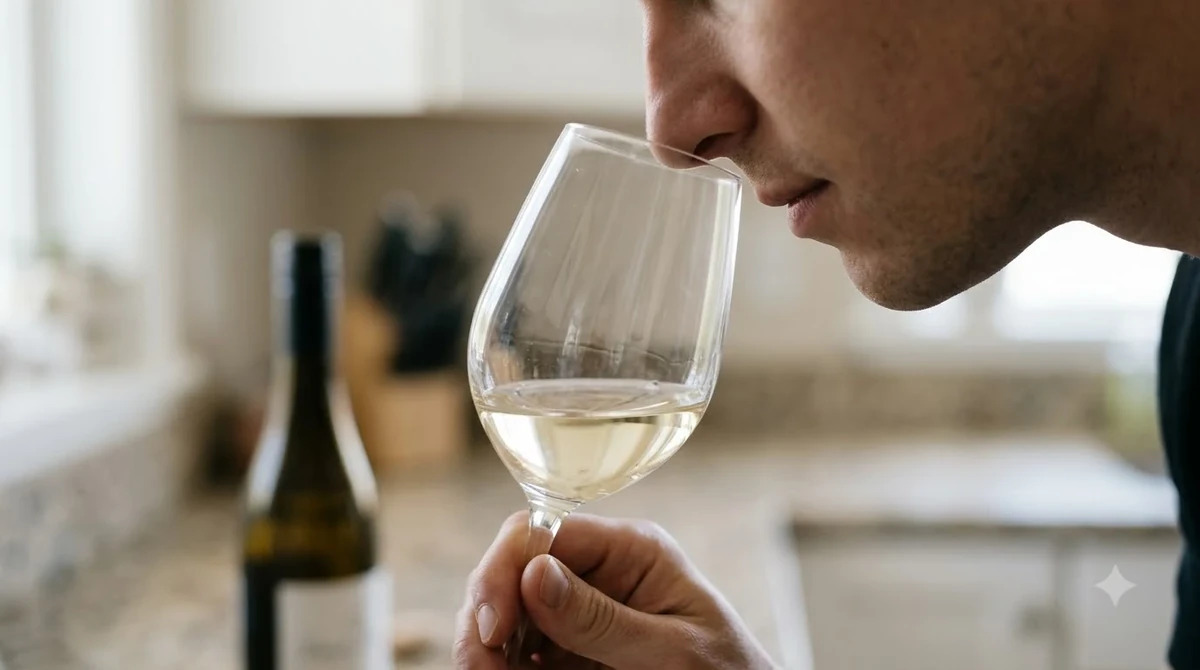
Serving temperature makes a noticeable difference. When a full-bodied red becomes too warm, its alcohol can feel more pronounced, while the fruit may seem heavy. If the bottle has been sitting in a warm kitchen, place it in the refrigerator briefly before serving. Aim for a moderate temperature rather than serving it directly from a warm cupboard.
Glassware also matters. A standard red wine glass with a reasonably wide bowl provides room for aromas to collect and develop. Pour approximately 5 ounces rather than filling the glass to the rim. A standard 750 ml bottle contains about five such servings, leaving sufficient space in each glass for swirling.
Decanting is optional rather than mandatory. For a young, concentrated red, allowing approximately 30 to 60 minutes of air exposure can help soften the initial impression and release aromas. Start with a shorter period and taste periodically. If the wine already seems open and expressive, there is no reason to extend the process.
Storage should be consistent. Keep unopened bottles away from direct sunlight, major temperature fluctuations, and heat sources. A cool storage environment near 55°F is a useful target. If the bottle has a traditional cork closure and will be stored for an extended period, placing it on its side helps keep the cork from drying out.
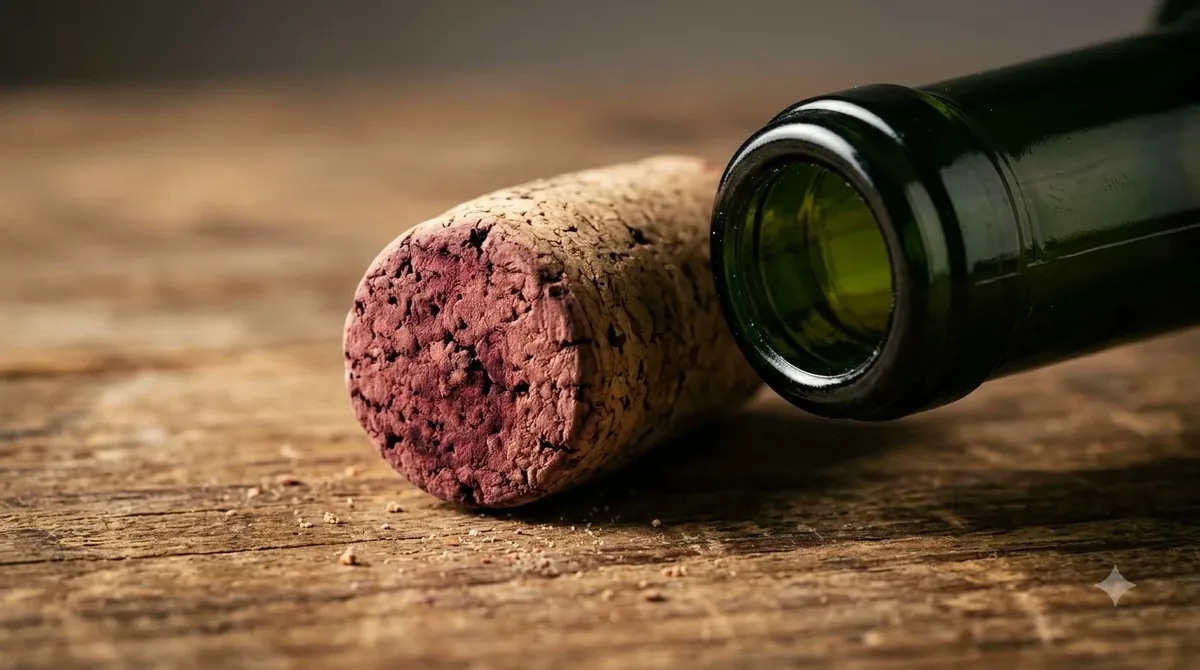
After opening, reseal the bottle and refrigerate it. Most opened still wines remain enjoyable for approximately 3 to 5 days when stored properly, although the flavor gradually changes as oxygen interacts with the wine. Bring the remaining wine back toward its preferred serving temperature before pouring another glass.
Food preparation can also influence the final experience. For example, grilled beef develops roasted and caramelized flavors that work well alongside ripe dark fruit and oak-derived spice. A tomato-based pasta sauce can also be suitable because the food has enough acidity and flavor to stand up to a full-bodied red. Rich mushroom dishes offer another useful option, especially when they include roasted herbs and savory ingredients.
For a simple dinner, serve The Prisoner with grilled steak, roasted potatoes, and mushrooms. The richness of the meat and the savory character of the vegetables create a balanced setting for the wine’s concentrated fruit and spice. If serving a larger group, offer a lighter red alongside it so guests can choose according to their preferences.
Frequently Asked Questions
Is The Prisoner Red Blend actually sweet?
The wine is generally presented as a dry-style red blend with ripe fruit and sweet-spice characteristics rather than as a dessert wine. Its vanilla, caramel-like, and dark-fruit notes can create an impression of sweetness even without a dessert-wine sweetness level. The producer does not publish a residual-sugar figure in the cited 2024 product description.
Is The Prisoner made entirely from Napa Valley grapes?
Not every vintage description identifies the same appellation. The producer lists its 2024 flagship as California, while Wine Enthusiast identifies its reviewed 2023 bottling as Napa Valley. The broader California designation should not be interpreted as a statement that every vintage comes exclusively from Napa Valley vineyards.
Who originally created The Prisoner Red Blend?
The producer’s historical account connects the wine’s inspiration to blended wines made by Italian immigrants who settled in Napa Valley. The modern flagship takes that inspiration into a contemporary multi-variety California blend. The producer describes its identity through collaboration with a network of growers rather than attributing the entire wine to a single historic recipe.
Does The Prisoner Red Blend contain sulfites?
Wine production commonly involves naturally occurring sulfites, and additional sulfur dioxide may be used during winemaking to help protect wine against oxidation and unwanted microbial activity. The precise sulfite concentration of a particular Prisoner vintage is not established by the cited tasting descriptions. Buyers who need ingredient or allergen information should consult the producer’s specific product information.
Can The Prisoner Red Blend be kept for several years?
Storage potential depends on the vintage, bottle condition, and storage environment. A full-bodied red blend can develop over time, but that does not mean every commercial release is intended for extended cellaring. Keep bottles in a consistently cool, dark location and avoid temperature fluctuations if you plan to hold one rather than drink it soon.
The Prisoner Red Blend is a strong option for drinkers who enjoy full-bodied California wines with generous fruit, noticeable spice, and a smooth, substantial finish. Its six-grape composition gives it a distinctive profile, while its 15.5% ABV makes it a better match for people comfortable with higher-alcohol reds. If you prefer concentrated blackberry and plum flavors over delicate, lighter-bodied wines, The Prisoner is a worthwhile bottle to consider.
More in Wine Brands
 Bollinger Wine Price: Compare Bottles and Choose the Right ChampagneUpdated Nov 21, 2026
 Bolla Wine Review: How to Choose the Right Italian BottleUpdated Nov 21, 2026
 Black Tower Wine Price: Compare Bottles and Find the Right StyleUpdated Nov 21, 2026
 Black Tower Wine Review: Compare Styles and Choose the Right BottleUpdated Nov 21, 2026
 Beringer Main and Vine Review: Styles, Sweetness, and Buying GuideUpdated Nov 21, 2026
 Bertani Wine Price: Compare Bottles and Find the Right ValueUpdated Nov 21, 2026