

We may earn a commission when you buy through links on this page, at no extra cost to you. Learn more.
This beringer main and vine review finds an approachable, fruit-forward lineup of ten everyday wines designed for casual weeknight pours and large gatherings rather than cellar aging. Originally rooted in Beringer Vineyards’ historic St. Helena legacy and now produced by The Wine Group under license, the series spans crisp dry whites like Pinot Grigio, medium-bodied reds like Merlot, and signature sweet styles including White Zinfandel and Moscato. Shoppers get reliable bottle-to-bottle consistency across 750 ml and 1.5-liter formats, provided they match the sweetness level on the back label to the occasion.
Walking down a supermarket wine aisle, few labels appear as consistently as Beringer Main & Vine. Because the portfolio bridges bone-dry table wines and dessert-ready sweet blushes under identical branding, picking the wrong bottle can easily surprise a dinner host. Understanding how the label is made, how its ten core bottlings differ in sugar and alcohol, and how to store open bottles ensures every pour fits the menu.
Who Beringer Main & Vine Is For
Beringer Main & Vine serves everyday wine drinkers, casual party hosts, and newcomers who want predictable, easy-drinking bottles without Napa Valley luxury markups. The line prioritizes soft textures, clean fruit aromatics, and wide grocery store availability over single-vineyard complexity or oak-heavy aging.
According to the official Main & Vine catalog, the brand maintains a focused roster of ten core varietals: White Zinfandel, Pink Moscato, White Merlot, Chardonnay, Pinot Grigio, Moscato, Chenin Blanc, Merlot, Cabernet Sauvignon, and Red Moscato. This breadth allows one shopper to fill a mixed party cooler with dry white wine for seafood appetizers, soft red wine for grilled burgers, and sweet blush wine for guests who dislike sharp tannins or high acidity.
Collectors seeking age-worthy Napa Valley cabernet or complex barrel-fermented chardonnay should look elsewhere in the broader Wine Brands landscape. As documented by Firstleaf’s Beringer winery profile, Treasury Wine Estates retained the historic St. Helena estate and Private Reserve tiers, whereas The Wine Group acquired and manages Main & Vine, Founders’ Estate, Coastal Estate, and Meridian under a licensing structure announced in 2021. That split explains why Main & Vine bottles use broad California or multi-regional sourcing to keep flavor profiles uniform year after year.
Key Factors to Compare Across the Lineup
Comparing bottles in this range comes down to three practical metrics: perceived sweetness, alcohol by volume (ABV), and bottle format. Because almost all Main & Vine releases are bottled as non-vintage blends, winemakers adjust grape sourcing and fermentation stops to hit consistent flavor targets rather than reflecting yearly weather swings.
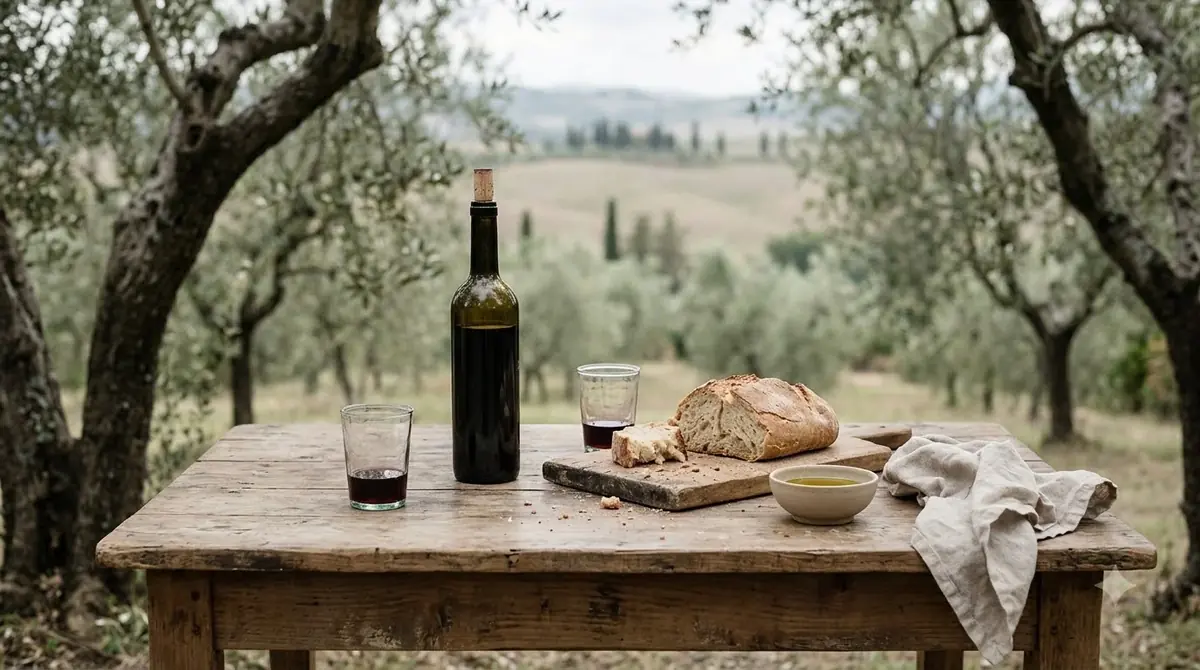
Alcohol levels separate the crisp dry table wines from the sweeter, lighter-bodied styles. Retailer technical sheets from Liquor Barn and Wine Transit list dry reds like Merlot at 13.5% ABV and Cabernet Sauvignon between 12.5% and 13.5% ABV, while Pinot Grigio sits around 12.5% to 13% ABV. By contrast, White Zinfandel drops to 10% ABV with 32 grams per liter of residual sugar according to LCBO analytical data, and Pink Moscato typically lands between 9.5% and 11.5% ABV depending on the bottling run.
| Main & Vine Varietal | Style & Color | Sweetness Level | Typical ABV | Key Tasting Notes | Ideal Serving Temp |
|---|---|---|---|---|---|
| Pinot Grigio | Dry White | Dry | 12.5%–13.0% | Lemon-lime, green apple, white peach, crisp mineral finish | 45–50°F |
| Chardonnay | Full White | Dry to Off-Dry | 13.0%–13.5% | Ripe apple, pear, tropical fruit, soft vanilla hint | 50–55°F |
| Chenin Blanc | Aromatic White | Semi-Sweet | 11.0%–11.5% | Melon, honeyed pear, bright citrus lift | 45–50°F |
| White Zinfandel | Blush / Rosé | Medium-Sweet | 10.0% | Fresh strawberry, honeydew melon, nutmeg and clove spice | 43–50°F |
| White Merlot | Blush / Rosé | Semi-Sweet | 10.0%–10.5% | Red cherry, raspberry, soft citrus finish | 43–50°F |
| Moscato | Sweet White | Sweet | 9.5%–10.0% | Honeysuckle, white peach, ripe pear, low acidity | 43–50°F |
| Pink Moscato | Sweet Rosé | Sweet | 9.5%–11.5% | Passion fruit, strawberry, caramel, floral aromatics | 43–50°F |
| Red Moscato | Sweet Red | Sweet | 10.0%–11.5% | Sweet red berries, cherry, low tannin, juicy finish | 50–55°F |
| Merlot | Medium Red | Dry | 13.5% | Ripe plum, black cherry, soft tannins, light oak spice | 60–65°F |
| Cabernet Sauvignon | Full Red | Dry | 12.5%–13.5% | Blackberry, dark currant, vanilla, rounded tannins | 60–65°F |
Checking those figures before buying prevents common table mismatches. A guest expecting a crisp dry rosé who pours White Zinfandel encounters 32 grams per liter of residual sugar—roughly equivalent to three-quarters of a teaspoon of sugar per 5-ounce glass. Reviewing the beringer main and vine alcohol content breakdown helps shoppers use ABV as a quick shelf shortcut, since bottles at or below 11.5% ABV in this brand almost always carry noticeable sweetness.
Step-by-Step: How to Pick the Right Bottle
Selecting the best bottle from a wall of identical crest labels takes less than a minute when following a clear sequence. Matching sweetness to food, choosing the proper bottle volume, and inspecting packaging dates guarantee fresh fruit flavor at the table.
- Define the drinking occasion first: Choose dry whites or dry reds for savory meals with roasted meats, pasta, or grilled seafood, and reserve Moscato or White Zinfandel for spicy takeout, fruit platters, or solo porch sipping.
- Use ABV as a sweetness gauge: Scan the front or back label for the alcohol percentage; bottlings listed at 12.5% to 13.5% ABV deliver dry table structure, whereas 9.5% to 11.5% ABV signals arrested fermentation and sweet residual sugar.
- Match bottle format to headcount: Pick a standard 750 ml bottle (five 5-ounce glasses) for two to four people over a single evening, or step up to a 1.5-liter magnum (ten 5-ounce glasses) for cookouts and holiday buffets where a single bottle empties quickly.
- Verify the appellation on the back label: While most core bottlings carry a California designation, certain runs such as Pink Moscato have used Chilean fruit; check the label once if regional origin matters to your guests.
- Inspect the capsule and fill level: Because non-vintage value wines rely on youthful fruit freshness, choose bottles stored upright away from direct fluorescent lights with clean, undamaged screw caps or cork capsules.
Tip: When hosting a mixed crowd of six or more guests, pair one 750 ml bottle of dry Pinot Grigio with one 750 ml bottle of White Zinfandel rather than buying a single 1.5-liter magnum of either style. Two smaller bottles cover both dry and sweet palates without leaving half a magnum oxidized on the counter.
Main & Vine Wine Styles Explained
The ten Main & Vine wines fall neatly into four functional categories based on grape skin contact, fermentation temperature, and residual sugar. Grouping the lineup by style clarifies how each wine behaves alongside food and why critic scores vary across the range.
Crisp and Full-Bodied Dry Whites
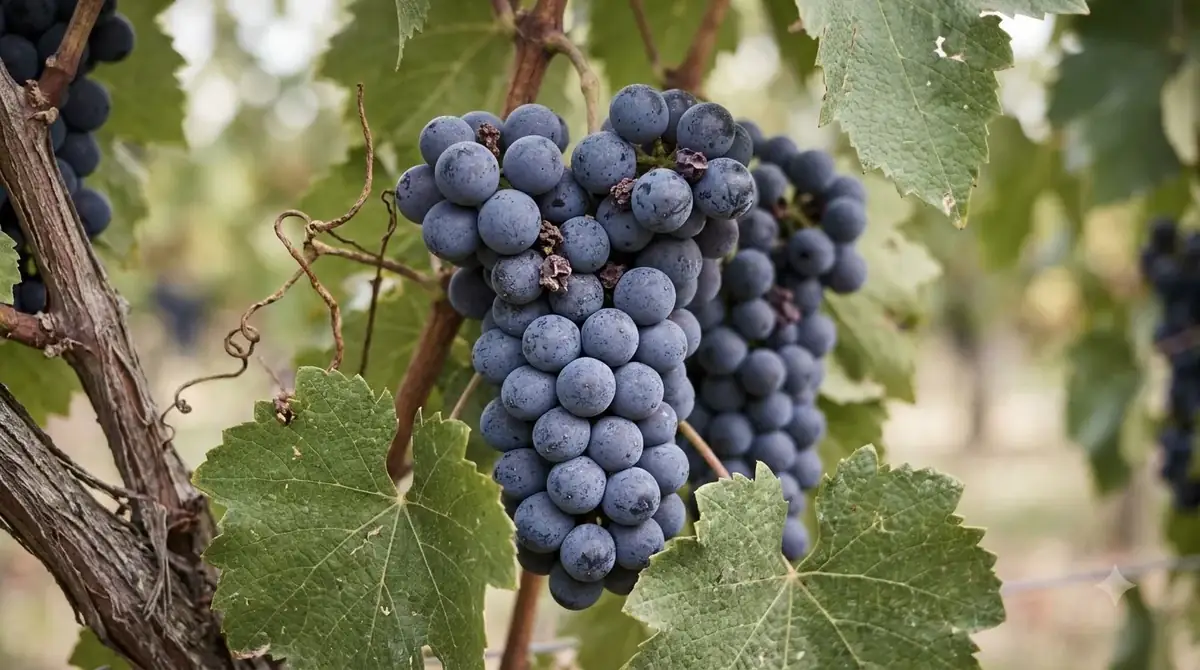
Pinot Grigio and Chardonnay anchor the dry white side of the portfolio, both relying on temperature-controlled stainless steel fermentation to protect clean orchard and citrus fruit. According to retail production notes from Liquor Barn, Pinot Grigio grapes are gently crushed and immediately pressed to avoid bitter skin phenolics, producing a taut white wine that earned 89 points from wine critic Natalie MacLean and 88 points from WSET Level 3 reviewer Jennifer Havers for its lemon-lime zest and mineral finish. Chardonnay adds broader apple, pear, and subtle oak-inspired vanilla notes with medium acidity suited to roast chicken or creamy pasta.
Signature Blush and Off-Dry Rosés
White Zinfandel remains the historical flagship of the line, made from red Zinfandel grapes whose skins soak with the juice for roughly three hours before pressing. Winemakers halt fermentation early at 10% ABV, locking in strawberry, honeydew melon, and faint nutmeg-clove spice notes balanced by bright citrus acidity. White Merlot follows a similar blush blueprint using Merlot grapes, offering slightly softer red berry tones with less overt sweetness than Moscato.
Sweet Aromatic Whites and Reds
Common Mistakes When Buying and Serving Main & Vine
Most disappointment with everyday value wines stems from serving temperature errors, sweet-and-savory clashes, or confusing Beringer tiers on the shelf. Avoiding four routine missteps dramatically improves how these bottles taste in the glass.
- Serving red wines too warm: Room temperature in modern heated homes often exceeds 72°F, which makes 13.5% ABV Merlot and Cabernet Sauvignon taste flat and alcoholic. Chilling both reds for 20 minutes in the refrigerator brings them into the ideal 60–65°F serving window, tightening their plum and blackberry fruit.
- Pouring sweet blushes alongside dry savory dishes: Serving White Zinfandel (32 g/L residual sugar per the LCBO) or Pink Moscato with plain grilled steak or bitter greens makes the wine taste syrupy and the food taste metallic. Pair sweet styles with spicy Thai curry, barbecue ribs, or salty cheeses so chili heat and salt balance the sugar, or pick dry Pinot Grigio at 45–50°F for herb-roasted poultry and seafood.
- Confusing Main & Vine with Napa Valley estate bottlings: Shoppers sometimes buy a Main & Vine Cabernet Sauvignon expecting the structure of Beringer’s St. Helena Knights Valley or Private Reserve labels. As reported by The Press Democrat at the time of the 2021 brand sale, Main & Vine represents high-volume everyday California blending under The Wine Group rather than single-vineyard Napa estate winemaking.
- Overspending on giant formats for small households: Buying a 1.5-liter magnum for one or two casual glasses leaves roughly eight 5-ounce pours exposed to oxygen, causing delicate white and blush aromatics to fade within days.
Storage, Serving, and Preservation Tips
Because Beringer Main & Vine bottlings are crafted for youthful fruit freshness rather than bottle evolution, proper short-term storage and post-opening care matter far more than multi-year cellaring. Simple temperature and closure habits keep every glass tasting bright from the first pour to the last.
Unopened bottles hold best in a cool, dark cabinet or wine refrigerator kept near 55°F, away from kitchen stoves and sunny windows that accelerate premature oxidation. Once opened, recork or tighten the screw cap immediately and place the bottle upright in a standard kitchen refrigerator at 38–40°F, even for Merlot and Cabernet Sauvignon. Cold temperatures slow acetic spoilage, preserving still whites, blushes, and reds for 3 to 5 days; simply pull red bottles out 30 minutes before pouring so they warm back toward 60°F.
For hosts comparing formats across the wider beringer main and vine lineup, standard 750 ml bottles yield five 5-ounce glasses, while 1.5-liter magnums yield ten 5-ounce glasses. If a magnum is opened for a weekend dinner and only half finished, decanting the leftover wine into a clean 750 ml bottle and sealing it tightly eliminates headspace air and extends freshness by an extra day or two. Readers looking for deeper varietal tasting notes across the full main and vine wine catalog can match each bottle’s chill time to its sugar and tannin profile before guests arrive.
Frequently Asked Questions
Where is Beringer Main & Vine bottled and managed today?
Following the 2021 sale of the Main & Vine, Founders’ Estate, Coastal Estate, and Meridian labels from Treasury Wine Estates to The Wine Group, management shifted to The Wine Group’s operations in Ripon, California. Treasury Wine Estates continues to own and operate the historic 1876 Beringer Vineyards estate in St. Helena separately.
Does Beringer Main & Vine need to be decanted before serving?
The ten Main & Vine wines do not require formal decanting because their gentle extraction and stainless-steel or light-oak aging keep tannins soft from the moment the bottle opens. Swirling Cabernet Sauvignon or Merlot in a wide-bowled glass for two minutes is enough to open up dark berry and vanilla aromatics.
How many calories and carbs are in a glass of Beringer Main & Vine White Zinfandel?
With 10% ABV and 32 grams per liter of residual sugar reported by the LCBO, a standard 5-ounce pour contains about 4.7 grams of residual grape sugar. Dry Main & Vine options like Pinot Grigio and Merlot ferment nearly all grape sugars into alcohol, leaving minimal residual sugar per glass.
Which Beringer Main & Vine wine works best for sangria or wine spritzers?
Chenin Blanc and White Merlot work especially well as spritzer bases because their semi-sweet melon or red berry notes hold up when diluted with club soda and ice. For red sangria, Red Moscato or Merlot pairs smoothly with sliced oranges, berries, and a splash of brandy without turning overly bitter.
How long can unopened bottles of Beringer Main & Vine be stored?
Non-vintage value wines are bottled ready to drink and are best consumed within one to two years of purchase while primary fruit flavors remain vibrant. Storing unopened bottles on their sides at a steady 55°F prevents corks from drying out, while screw-cap bottlings can stand upright safely in a cool pantry or wine fridge.
Beringer Main & Vine succeeds by keeping everyday wine selection simple, pairing reliable non-vintage fruit character with clear sweetness tiers across ten familiar grapes. Choosing dry red and white bottles (12.5% to 13.5% ABV per the LCBO) for savory dinners and chilled blushes or Moscatos (9.5% to 11.5% ABV per the LCBO) for spicy food and casual gatherings helps every bottle perform at its best. Keep opened bottles refrigerated between pours to enjoy fresh, balanced flavor throughout the week.
More in Wine Brands
 Beringer White Zinfandel Review: Taste, Sweetness and Buying TipsUpdated Nov 21, 2026
 Bollinger Wine Price: Compare Bottles and Choose the Right ChampagneUpdated Nov 21, 2026
 Bolla Wine Review: How to Choose the Right Italian BottleUpdated Nov 21, 2026
 Black Tower Wine Price: Compare Bottles and Find the Right StyleUpdated Nov 21, 2026
 Black Tower Wine Review: Compare Styles and Choose the Right BottleUpdated Nov 21, 2026
 Bertani Wine Price: Compare Bottles and Find the Right ValueUpdated Nov 21, 2026