


We may earn a commission when you buy through links on this page, at no extra cost to you. Learn more.
This bolla wine review finds that Bolla is a worthwhile Italian wine brand for shoppers seeking approachable Pinot Grigio, traditional Soave, versatile reds, and sparkling wines. Its range covers everything from crisp everyday whites to more substantial Valpolicella and Amarone wines. The best bottle depends on whether you prefer refreshing citrus flavors, softer red fruit, or richer Italian reds. Understanding the grape varieties and appellations makes choosing between Bolla’s different labels considerably easier.
Bolla has a history stretching back to 1883, when Alberto Bolla began selling local wine in Soave, in northeastern Italy. The producer eventually expanded into several of the Veneto region’s best-known wine styles, including Soave, Bardolino, Valpolicella, and Amarone. Its current portfolio also includes Prosecco and wines made from internationally familiar grapes such as Pinot Grigio, Merlot, and Cabernet Sauvignon. Rather than treating every Bolla bottle as the same kind of wine, shoppers should compare its individual ranges, grape varieties, and regional origins. This guide explains what to expect and how to select a bottle that fits a particular meal or occasion.
Who This Is For
Bolla is a sensible brand to investigate if you want Italian wines across several styles without limiting your shopping to one grape or appellation. Its portfolio includes crisp whites, light reds, sparkling wines, and more concentrated selections from Valpolicella.
The brand is particularly relevant to people who enjoy recognizable wine styles. Pinot Grigio offers a familiar starting point for white wine drinkers, while Soave provides another expression of northeastern Italian white wine. For red wine drinkers, Bardolino and Valpolicella offer alternatives to heavier Cabernet Sauvignon or Syrah-based bottles. The portfolio also includes Merlot and Cabernet Sauvignon, which can appeal to shoppers who prefer internationally familiar grapes.
Beginners may find the Pinot Grigio and Prosecco selections easiest to understand. Both provide relatively straightforward ways to explore Italian wine without first learning the differences between several Valpolicella classifications. More experienced drinkers may be interested in Ripasso, Recioto, and Amarone, which represent more distinctive regional winemaking traditions.
Bolla is also worth considering when selecting wines for different meals. A bottle of Pinot Grigio can accompany seafood or a light pasta dish, while Bardolino offers a lighter red option for poultry and casual dinners. A richer Amarone is better suited to a slower meal involving substantial flavors.
However, Bolla should not be approached as a single flavor profile. Its dry white wines, sparkling selections, and concentrated red wines serve different purposes. Someone looking exclusively for sweet wine, for example, should investigate the particular label rather than assuming that the entire brand produces sweet styles.
Key Factors to Compare
The most useful way to evaluate Bolla wines is to compare grape variety, appellation, body, acidity, and intended drinking occasion. These characteristics provide more meaningful buying information than the producer name alone.
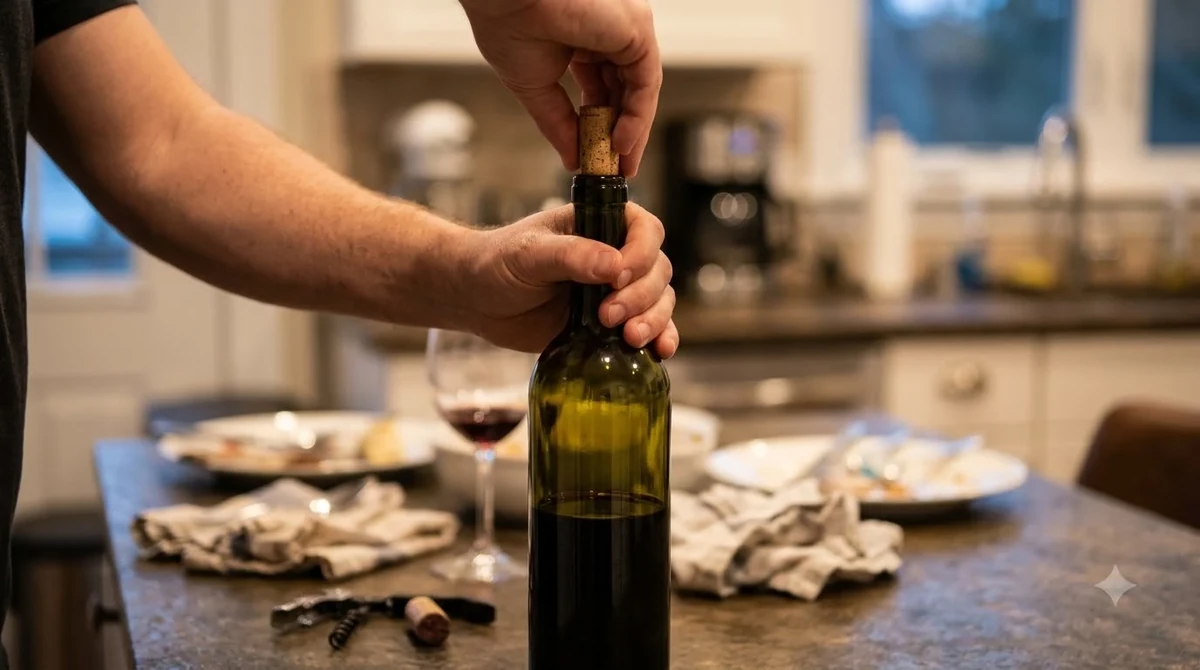
Start with the grape. Pinot Grigio is generally light-bodied, refreshing, and relatively high in acidity. Soave is another important white wine category associated with the Veneto, typically offering a different balance of fruit, texture, and freshness. For reds, Bardolino generally offers lighter fruit-driven drinking, while Valpolicella Ripasso and Amarone provide progressively more substantial experiences.
Appellation matters because Bolla produces wines from several distinct Italian regions and classifications. Delle Venezie DOC identifies the origin of its Pinot Grigio, while Valpolicella DOC and Valpolicella Classico DOC identify different regional expressions of red wine. The Classico designation refers to the traditional production area of an appellation rather than automatically indicating that a wine is superior to every non-Classico example.
Body and acidity help determine whether a bottle suits your preferences. A light white with lively acidity can work particularly well with seafood, salads, and simple pasta dishes. A fuller red is generally more appropriate for richer foods. Also consider whether you want a still wine or sparkling wine: Bolla offers both Prosecco DOC and more specialized sparkling selections.
| Bolla style | Main grape or blend | Typical character | Good food match |
|---|---|---|---|
| Pinot Grigio | Pinot Grigio | Light, crisp, citrus and orchard fruit | Fish, poultry, salads |
| Soave | Primarily Garganega | Fresh, dry, delicate fruit | Seafood, risotto |
| Bardolino | Corvina and other regional grapes | Light-bodied, red fruit | Pizza, chicken |
| Valpolicella | Corvina-based blend | Fresh red fruit, moderate structure | Pasta, roasted poultry |
| Valpolicella Ripasso | Corvina-based blend | Richer, more concentrated red fruit | Roasted meats, aged cheese |
| Amarone | Traditional Valpolicella grapes | Concentrated, full-bodied, powerful | Braised beef, mature cheese |
| Prosecco | Glera | Fresh, fruity, sparkling | Appetizers, seafood |
The table describes general characteristics of the wine styles, not guaranteed tasting notes for every Bolla bottling. Individual wines can differ according to grape composition, vintage, production methods, and appellation.
Alcohol content is another practical comparison point. Wine Enthusiast lists 12% ABV for its reviewed Bolla 2024 La Fondazione Pinot Grigio in a 750 ml bottle. That is a useful reference for that particular wine, not a universal specification for the entire Bolla portfolio.
For an independent example of the brand’s white wine profile, the importer’s Bolla Pinot Grigio description identifies peach, melon, pear, and lime as key fruit characteristics. These notes help explain why the wine is positioned as a refreshing option rather than a heavy, oak-driven white.
Step-by-Step: How to Choose a Bolla Wine
Choosing the right Bolla bottle becomes easier when you begin with the occasion and work backward to the grape variety. The following steps help narrow the selection without requiring extensive knowledge of Italian wine terminology.
-
Decide whether you want white, red, or sparkling wine.
Choose Pinot Grigio or Soave for a refreshing white, Bardolino or Valpolicella for a still red, and Prosecco for bubbles. This first decision eliminates several unrelated styles and makes the remaining comparison more manageable.
-
Identify the flavor intensity you prefer.
If you enjoy citrus, green apple, pear, and light floral notes, start with Pinot Grigio. If you prefer red cherry and other red-fruit characteristics, consider Bardolino or Valpolicella. If you enjoy concentrated flavors and a fuller structure, investigate Amarone or Ripasso.
-
Consider the food being served.
For seafood, linguine, and lighter poultry dishes, Pinot Grigio or Soave is a practical choice. For pizza and tomato-based pasta, a lighter red such as Bardolino can work well. Richer beef dishes and mature cheeses are more appropriate with a substantial Amarone.
-
Compare the appellation and label information.
Look for Delle Venezie DOC on Pinot Grigio, Soave DOC on Soave, and Valpolicella DOC or DOCG classifications on regional reds. These designations help distinguish the origin and style of the wine. They are more useful than relying on a front-label design alone.
-
Choose the appropriate level of sweetness.
Most classic Pinot Grigio and Soave bottlings are dry. Prosecco ranges from Brut to Extra Dry and other sweetness classifications. Recioto della Valpolicella is a different proposition because it is a traditional sweet red wine. Select according to your preferred sweetness rather than assuming every Italian wine is dry.
-
Consider the serving occasion and bottle size.
A 750 ml bottle provides approximately five standard 5 oz servings. The importer lists a 187 ml size for its referenced Pinot Grigio, which can be useful when a smaller serving is more appropriate. Sparkling wine is especially suitable for celebrations, while still wines can be matched more closely to the meal.
-
Check the specific bottling before purchasing.
Compare the exact wine name, vintage where applicable, grape variety, and appellation. Bolla has several similarly named products, so identifying the complete label is important when buying a particular style again.
Tip: If you are uncertain which Bolla wine to choose, start with Pinot Grigio for a light white, Bardolino for a lighter red, or Prosecco for sparkling wine. These three styles cover different occasions and make it easier to identify which direction you prefer before exploring more specialized bottles.
Types and Styles Explained
Bolla’s portfolio is broader than its best-known Pinot Grigio. Its different collections cover classic Veneto wines, sparkling selections, and more concentrated regional reds, making it useful to understand what each category offers before buying.
Pinot Grigio
Pinot Grigio is one of the most accessible starting points in the Bolla range. The producer’s Delle Venezie DOC bottling uses 100% Pinot Grigio grapes sourced from hillside vineyards in northeastern Italy. Its importer describes a pale straw-yellow color, with floral and ripe-fruit aromas including peach, melon, pear, and lime.
Wine Enthusiast also reviewed Bolla La Fondazione Pinot Grigio from Delle Venezie. Its description emphasizes lemon-lime freshness and an easy-drinking, bright palate. The publication recorded 12% ABV and a 750 ml bottle size for the reviewed wine. The review provides an independent reference point, although individual vintages may differ.
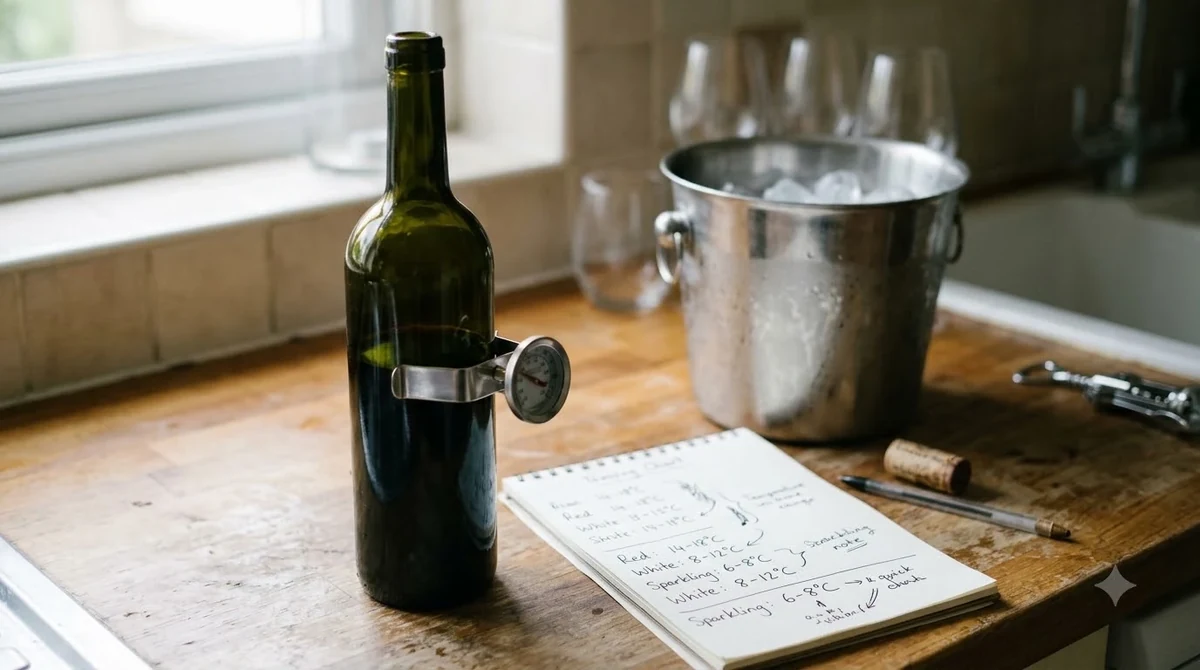
This style is particularly appropriate for people who prefer light whites without pronounced oak flavors. Serve it at 45–50°F and pair it with grilled fish, shrimp, chicken, or vegetable pasta.
Soave
Soave is central to Bolla’s history. The winery originated in the town of Soave in 1883, and its early commercial success came from selling local white wine. The current portfolio includes Soave Classico and more specialized selections such as Tufaie Soave Superiore Classico DOCG.
Traditional Soave is based primarily on Garganega, although permitted blends can include other varieties. It generally provides a dry white wine experience with fresh fruit, gentle floral character, and balanced acidity. Compared with many Pinot Grigio bottlings, Soave can offer a slightly different texture and more distinctive regional character.
Try Soave with seafood risotto, grilled vegetables, white fish, or chicken. Serve it at approximately 45–50°F if you prefer a fresher expression, or slightly warmer when the wine has more texture and complexity.
Bardolino and Valpolicella
Bardolino is a useful introduction to lighter Veneto reds. These wines are generally based on Corvina, with other permitted regional grapes contributing to the blend. Expect a more approachable, red-fruit-oriented style rather than the weight and tannin of a powerful Cabernet Sauvignon.
Valpolicella is another important regional category in Bolla’s portfolio. Classic versions tend to offer fresh red-fruit character and moderate structure. They are appropriate for tomato-based pasta, roasted chicken, pizza, and uncomplicated meat dishes.
Valpolicella Ripasso offers a more concentrated interpretation. Its production involves refermentation or renewed fermentation using the grape skins and remaining material from Amarone or Recioto production. This contributes additional richness, body, and flavor intensity compared with a straightforward Valpolicella.
Amarone and Recioto
Amarone della Valpolicella represents one of the more substantial wines associated with Bolla. The traditional production method involves drying grapes before fermentation, concentrating their sugars and flavors. The resulting wine is generally full-bodied, relatively high in alcohol, and characterized by concentrated dark fruit and dried-fruit notes.
Bolla’s Selezioni collection includes Le Origini Amarone Riserva, Le Poiane Amarone, and Rhetico Amarone. These are more specialized choices for shoppers who enjoy powerful reds and are prepared to spend more time with a substantial wine at the dinner table.
Recioto della Valpolicella is another traditional dried-grape wine, but it retains sweetness rather than fermenting to the same dry style as Amarone. It can be served with desserts containing chocolate or dried fruit. The general pairing principle is to choose a wine at least as sweet as the dessert.
Prosecco and Sparkling Wines
Bolla also produces several sparkling wines, including Prosecco DOC, Prosecco Rosé, and Conegliano Valdobbiadene Prosecco Superiore DOCG. These selections provide alternatives for aperitifs, celebrations, and occasions when a still wine is not the preferred choice.
Prosecco is made primarily from Glera grapes and typically uses the tank method for its secondary fermentation. Its style generally emphasizes fresh fruit and lively bubbles. Bolla’s listed sparkling options include Brut and Extra Dry expressions, so sweetness preference should be considered before choosing.
Serve sparkling wines at 40–50°F. Prosecco is particularly suitable for appetizers, light seafood, and informal gatherings where a refreshing sparkling wine is appropriate.
Readers comparing the different white styles can explore Bolla white wine for a closer look at its white-wine selections. Those interested in red varieties can also investigate Bolla red wine to narrow their choices by regional style and grape composition.
Common Mistakes When Buying Bolla
The most common buying mistakes involve assuming that all Bolla wines have the same sweetness, body, and flavor profile. The brand covers multiple appellations and grape varieties, so the individual label deserves more attention than the producer name alone.
Assuming Pinot Grigio is sweet: Many shoppers associate fruity aromas with sweetness. However, a wine can smell of ripe peach, pear, and melon while still tasting dry. Bolla Pinot Grigio is generally positioned as a dry, refreshing white, not a dessert wine.
Confusing Extra Dry with completely dry: Sparkling wine terminology can be counterintuitive. Extra Dry Prosecco is actually sweeter than Brut. The broad sparkling sweetness sequence moves from Brut Nature and Extra Brut through Brut, Extra Dry, Dry, Demi-Sec, and Doux, with sweetness increasing along the sequence.
Expecting all red wines to be heavy: Bardolino and standard Valpolicella are not equivalent to Amarone. The former styles generally emphasize freshness and lighter structure, while Amarone offers much greater concentration. Someone who wants an easy red for pizza may find a lighter Valpolicella more suitable.
Choosing by grape name alone: Two Pinot Grigio wines can have different textures and flavor profiles depending on growing conditions and production choices. Similarly, two Valpolicella wines can differ substantially according to their classification and winemaking approach.
Serving white wine too warm: A light white loses some of its refreshing character when served excessively warm. Pinot Grigio is best served around 45–50°F, while fuller white wines can be served closer to 50–55°F.
Pairing wine with the wrong food intensity: Delicate fish and a powerful Amarone may not provide the most harmonious combination. Likewise, a light Pinot Grigio can feel understated beside a very rich, intensely flavored beef dish. Match the wine’s weight and flavor intensity to the food rather than relying only on red-versus-white conventions.
Expecting a single Bolla bottle to represent the entire brand: A review of one Pinot Grigio cannot establish what an Amarone or Prosecco will taste like. Evaluate each wine according to its own grape variety, appellation, and production style.
Care and Storage Tips
Proper storage and serving temperature help preserve the freshness of Bolla wines. Most of its approachable whites and sparkling selections are intended to be enjoyed for their fresh character rather than stored for many years.
Store unopened still wine in a cool, dark location with a relatively stable temperature. Around 55°F is a useful storage target. Avoid placing bottles near radiators, ovens, sunny windows, or other sources of temperature fluctuations.
If a bottle has a traditional cork closure and is intended for storage, keeping it on its side helps maintain contact between the cork and wine. Bottles with screw caps can generally be stored upright without the same cork-moisture concern.
Serving temperature should reflect the style:
- Prosecco: 40–50°F.
- Pinot Grigio and other light whites: 45–50°F.
- Fuller white wines: 50–55°F.
- Light reds such as Bardolino: 55–60°F.
- Fuller reds such as Amarone: 60–65°F.
- Sweet white wines: 43–50°F.
For a standard still wine, a 750 ml bottle provides approximately five 5 oz servings. Pouring smaller amounts also leaves enough space in the glass to appreciate the wine’s aromas. A tulip-shaped white wine glass works well for Pinot Grigio and Soave, while a larger bowl can help fuller red wines release their aromas.
Young, full-bodied reds may benefit from 30–60 minutes of decanting before serving. This is more relevant to a substantial Amarone than to a light Bardolino intended for immediate enjoyment.
After opening, refrigerate still white and red wines and generally aim to finish them within 3–5 days. Sparkling wines usually retain their best qualities for approximately 1–3 days when properly resealed and refrigerated. A suitable sparkling-wine stopper can help preserve carbonation.
Storage expectations should also reflect the wine’s intended style. A fresh Pinot Grigio is generally best enjoyed while its fruit character remains lively. A more structured Amarone may have greater aging potential, but the potential depends on its particular bottling, vintage, and storage conditions.
For more background on comparing producers, grapes, and regional classifications, the Wine Brands resource provides a useful starting point for exploring other Italian and international labels. You can also visit the dedicated Bolla wine overview for additional brand-specific information.
Frequently Asked Questions
Is Bolla an Italian wine brand?
Yes. Bolla originated in Soave, in the Veneto region of northeastern Italy, in 1883. Its wines are associated with several Italian appellations, including Soave, Bardolino, and Valpolicella. The brand is currently part of Gruppo Italiano Vini.
Is Bolla Pinot Grigio made from 100% Pinot Grigio grapes?
The Bolla Pinot Grigio Delle Venezie DOC described by its importer is made from 100% Pinot Grigio. This specification applies to that particular bottling. Other Bolla wines use different grape varieties or blends according to their appellations.
Does Bolla produce organic wine?
Yes. Bolla’s portfolio lists Prosecco Extra Dry DOC Biologico, an organic sparkling wine selection. This is a specific product designation rather than evidence that every wine in the producer’s portfolio is organic.
What is the difference between DOC and DOCG on Bolla labels?
DOC means Denominazione di Origine Controllata, while DOCG means Denominazione di Origine Controllata e Garantita. Both are Italian geographical wine classifications with production requirements. DOCG represents an additional level of regulatory recognition, but the designation alone does not guarantee that a particular bottle will match every drinker’s preferences.
Is Bolla Amarone made using dried grapes?
Yes. Traditional Amarone della Valpolicella is made using grapes that undergo a drying process before fermentation. This concentrates their sugars and flavor components, contributing to the wine’s characteristic intensity. The method is known as appassimento and is an important part of the region’s winemaking identity.
Overall, Bolla is a versatile Italian producer with options for shoppers who enjoy crisp whites, accessible reds, sparkling wines, and more concentrated regional specialties. Pinot Grigio is a practical starting point, while Soave, Bardolino, Ripasso, and Amarone offer different ways to explore the Veneto’s wine traditions. Choosing according to grape variety, appellation, sweetness, and food pairing will help you find the Bolla bottle that best suits your preferences.
More in Wine Brands
 Blue Nun Wine Review: Find the Right Style for Your TasteUpdated Nov 21, 2026
 Borsao Wine Review: Find the Right Spanish Garnacha for Your TableUpdated Nov 21, 2026
 Beringer White Zinfandel Review: Taste, Sweetness and Buying TipsUpdated Nov 21, 2026
 Bollinger Wine Price: Compare Bottles and Choose the Right ChampagneUpdated Nov 21, 2026
 Black Tower Wine Price: Compare Bottles and Find the Right StyleUpdated Nov 21, 2026
 Black Tower Wine Review: Compare Styles and Choose the Right BottleUpdated Nov 21, 2026