

We may earn a commission when you buy through links on this page, at no extra cost to you. Learn more.
This borsao wine review finds that Borsao is a strong choice for drinkers seeking expressive Spanish Garnacha, approachable fruit flavors and food-friendly reds from Campo de Borja. The winery offers several styles, from straightforward everyday bottles to more concentrated wines such as Tres Picos. Its strengths include a long regional connection to Garnacha, varied vineyard sites and a range of winemaking approaches that give shoppers meaningful choices.
Borsao is a Spanish winery worth knowing if you enjoy ripe red fruit, moderate to substantial tannins and reds that work particularly well alongside grilled food. Based in Aragón, in northeastern Spain, the producer draws on vineyards around Campo de Borja, an area closely associated with Garnacha. Understanding its wine styles, regional character and differences between entry-level and premium bottlings makes choosing a bottle much easier.
Who Should Buy Borsao Wine?
Borsao is particularly appealing to red wine drinkers who enjoy fruit-forward Spanish wines with enough structure to accompany substantial meals. Garnacha is the central attraction, although the winery also works with Syrah, Tempranillo, Cabernet Sauvignon and several other varieties.
The producer has an established connection to Campo de Borja. Its history began with the founding of the Borja Cooperative in 1958, and the first bottled Borsao wines entered the market in 1981. The winery subsequently expanded through cooperation with neighboring growers, building a larger operation while maintaining its regional identity. Its official winery history provides useful background on that development.
Garnacha is generally a good starting point for shoppers who like generous fruit flavors without the firm, sometimes drying tannins associated with Cabernet Sauvignon. Borsao’s more substantial reds can still have considerable weight, but Garnacha often combines ripe cherry and berry character with enough acidity to keep the wine lively.
Different shoppers may prefer different bottles. Someone looking for an uncomplicated red to accompany pizza, pasta or burgers may find a basic Borsao bottling more suitable than a concentrated, oak-influenced wine. A drinker who prefers richer flavors, more structure and a longer finish may be more interested in Tres Picos or another premium selection.
Borsao is also worth considering if you are exploring Spanish wine beyond the familiar regions of Rioja and Ribera del Duero. Campo de Borja offers a different expression of Spanish red wine, with Garnacha playing a much more prominent role than Tempranillo.
However, Borsao is not automatically the right choice for everyone. People who primarily enjoy delicate Pinot Noir, very light-bodied reds or restrained wines with minimal ripe-fruit character may find some of its Garnacha bottlings too generous. Likewise, shoppers seeking a very low-alcohol red should pay attention to individual bottling specifications rather than assuming all Garnacha is light.
Key Factors to Compare When Choosing Borsao
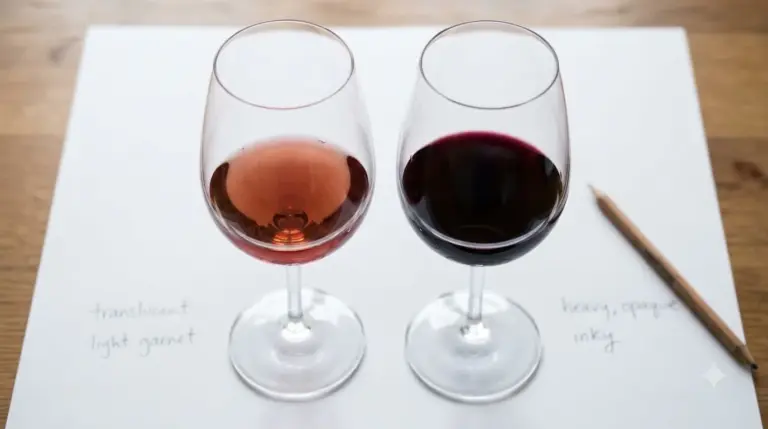
The most useful comparisons involve grape composition, body, acidity, tannin, oak influence and intended drinking occasion. These factors help explain why two wines from the same producer can feel quite different despite sharing the same regional identity.
Garnacha is the defining grape to investigate first. Borsao reports that its vineyard holdings are approximately 60% Garnacha, followed by 17% Syrah, 9% Tempranillo and 9% Cabernet Sauvignon, with the remaining 5% comprising other varieties. This composition illustrates the importance of Garnacha without suggesting that every Borsao bottle has the same blend.
| Factor | What to look for | What it means in the glass |
|---|---|---|
| Grape variety | Garnacha, Syrah, Tempranillo or blends | Fruit character, structure and overall style |
| Body | Light-medium to full-bodied | How substantial the wine feels |
| Acidity | Freshness and lively fruit | Helps balance ripe flavors and richer meals |
| Tannin | Soft, moderate or firm | Influences texture and food compatibility |
| Oak influence | Little oak or noticeable barrel character | Can contribute vanilla, spice and toast |
| Alcohol | Individual bottle specification | Contributes warmth and perceived weight |
| Serving temperature | 55–60°F for lighter reds; 60–65°F for fuller reds | Helps preserve fruit, balance and aroma |
Body and alcohol deserve particular attention. Garnacha from warm, sunny growing conditions can produce wines with generous fruit and noticeable alcohol. Wine Enthusiast’s review of the 2022 Tres Picos, for example, lists 14.5% ABV. That specification belongs to that particular wine and vintage, not every bottle carrying the Borsao name.
Oak is another important distinction. The winery describes its approach as preserving fruit through controlled fermentation temperatures and moderate wood use. It also works with French and American oak barrels. Consequently, shoppers should distinguish between wines intended to emphasize immediate fruit and those in which barrel aging contributes additional spice, vanilla and texture.
Regional origin matters as well. Campo de Borja has vineyards across different elevations and soil types, including red clay, limestone, sandy ground and stony terrain. These differences help explain the range of fruit concentration, freshness and structure found across the region’s wines.
For shoppers who want to compare Borsao with other familiar supermarket selections, it helps to understand the difference between a Spanish Garnacha and a broadly accessible American-market brand such as Barefoot wine. The former emphasizes a specific grape and regional identity, while the latter offers a much wider selection of familiar wine categories.
How to Choose Borsao Wine Step by Step
A simple buying process can prevent confusion between everyday bottles and more ambitious Garnacha releases. Start with the occasion, identify your preferred flavor intensity and then select a wine whose structure suits the food you plan to serve.
-
Decide how you will serve the wine.
For casual dinners, pizza nights and weekday pasta, begin with an approachable red. For a roast dinner, grilled beef or a special meal, investigate a more concentrated Garnacha such as Tres Picos.
-
Start with the grape variety.
Choose Garnacha if you enjoy cherry, raspberry, plum and generous red-fruit flavors. Consider a blend containing Syrah or Cabernet Sauvignon if you prefer darker fruit, additional structure or a more pronounced tannic impression.
-
Identify your preferred body.
Drinkers accustomed to lighter reds should begin with the more approachable styles. Those who enjoy fuller-bodied reds can explore the more concentrated selections, particularly wines with noticeable oak influence.
-
Consider the vintage and alcohol level.
Look at the individual bottle information rather than assuming every vintage tastes identical. The 2022 Tres Picos reviewed by Wine Enthusiast, for example, was listed at 14.5% ABV, demonstrating the substantial style that some Borsao releases can offer.
-
Match the wine to the meal.
Garnacha is particularly useful with grilled meats, tomato-based dishes and roasted vegetables. Choose a fresher, less tannic red for lighter dishes and a more structured selection for richer meals.
-
Plan the serving temperature.
Serve lighter reds around 55–60°F and fuller reds around 60–65°F. A slightly cooler serving temperature can help prevent a ripe, higher-alcohol red from seeming overly warm.
-
Allow the wine to breathe if necessary.
Young, concentrated reds may benefit from 30–60 minutes of decanting. More approachable bottlings can often be poured directly, especially when their fruit-forward style is intended for immediate enjoyment.
These steps are useful whether you are buying your first Spanish Garnacha or comparing several bottles from the same winery. The important point is to select a wine for its actual style rather than relying solely on the producer’s name or the appearance of the label.
Tip: If you are unfamiliar with Borsao, start with an approachable Garnacha before moving to Tres Picos. Comparing the two styles alongside the same meal makes differences in concentration, oak and tannin easier to recognize.
For broader background, the Wine Brands resource can help put Borsao into context alongside producers from other countries and wine regions.
Borsao Wine Types and Styles Explained
Borsao’s range covers more than one expression of Garnacha, and understanding the broad differences is more useful than assuming every bottle offers the same flavor profile. The producer’s selection includes approachable wines and more concentrated releases, with different grape combinations and winemaking choices.
Garnacha-led reds are the natural starting point. Garnacha, also known internationally as Grenache, commonly produces wines with red cherry, raspberry, strawberry and plum flavors. Depending on the growing conditions and production choices, the wines can range from relatively easygoing and fresh to rich, concentrated and substantial.
The variety generally has medium tannin and good fruit intensity. This makes it versatile at the dinner table, particularly with tomato-based dishes, roasted poultry, pork and grilled vegetables. The grape’s natural fruit character can also make it appealing to drinkers who find more heavily structured Cabernet Sauvignon too firm.
Tres Picos is among Borsao’s best-known Garnacha releases. It represents the winery’s more concentrated side and is a useful choice for people who want a fuller, more expressive red. Wine Enthusiast’s review of the 2022 bottling describes cherry blossom, mixed berries, cherries, tobacco and vanilla, along with integrated tannins and balancing acidity. The publication awarded that vintage 91 points.
The 2021 Tres Picos received 92 points from Wine Enthusiast. Its tasting description included cassis, black cherry, cedar and toasted spice. The differences between the two published descriptions illustrate why vintage variation should be considered when comparing individual bottles rather than treating all Tres Picos releases as identical.
Blended reds provide another direction for shoppers. Borsao’s vineyard portfolio includes Syrah, Tempranillo and Cabernet Sauvignon alongside Garnacha. These grapes can contribute darker fruit, additional tannic structure and different aromatic characteristics, depending on the wine’s actual composition.
Syrah can add peppery and dark-fruit character, while Cabernet Sauvignon is associated with firmer tannins and a more structured impression. Tempranillo can contribute red and dark fruit, savory notes and additional depth. The precise result depends on the proportions and winemaking decisions used in each bottling.
Other wine styles also deserve consideration. Borsao’s broader range includes wines beyond its familiar Garnacha reds, so shoppers interested in exploring the producer should consider the individual wine category and grape composition rather than assuming everything is a full-bodied red.
For a shopper primarily interested in sparkling wine rather than still Spanish reds, a different buying category may be more appropriate. For example, La Marca Prosecco offers a completely different drinking experience, based on Italian Glera and the tank method rather than Borsao’s Garnacha-centered regional identity.
Common Mistakes When Buying Borsao
The most common purchasing mistakes involve treating all Garnacha as interchangeable, confusing ripe fruit with sweetness and assuming that a premium label necessarily means a wine will suit every occasion. Paying attention to the actual grape blend, alcohol and structure helps avoid these problems.
Assuming Garnacha means sweet wine is a frequent misunderstanding. Many Borsao Garnacha reds are made in a dry style. Ripe cherry, blackberry and plum flavors can create a sweet impression, but that fruit character does not mean the wine contains significant residual sugar.
A dry red can taste generous and rounded without being sweet. The difference becomes clearer when considering acidity, tannin and finish. A wine with fresh acidity and a savory or spicy finish may be completely dry despite having pronounced ripe-fruit aromas.
Choosing a wine only by alcohol percentage is another mistake. Alcohol contributes to perceived body and warmth, but it does not independently determine quality. A higher-alcohol Garnacha can still have balancing acidity, while a lower-alcohol wine can feel substantial if its fruit and tannins are concentrated.
Expecting every vintage to taste the same can also lead to disappointment. Weather, grape maturity and production decisions affect the final wine. The differences between Wine Enthusiast’s 2021 and 2022 Tres Picos descriptions demonstrate how the balance of fruit, spice and structure can vary.
Ignoring food compatibility is another avoidable error. A substantial Garnacha can be excellent with grilled beef or lamb, but its alcohol and tannin may seem aggressive alongside very spicy dishes. Chili heat is amplified by alcohol and tannin, so a heavily seasoned meal may call for a fresher, softer wine.
Oily fish is another difficult match for tannic red wines. For seafood dishes, a crisp white or a lighter, less tannic red is usually a more suitable choice than a powerful Garnacha.
Serving the wine too warm can make a concentrated red seem heavy and alcoholic. Full-bodied reds are generally better served at 60–65°F rather than at the warmer room temperatures common in heated homes. This small adjustment can make a noticeable difference to the balance of the wine.
Serving, Storage and Food Pairing Tips
Borsao Garnacha is most enjoyable when its serving temperature, glassware and food pairing suit the particular wine. A few simple adjustments can bring out fruit character, keep alcohol warmth under control and make fuller styles feel more balanced.
Best serving temperature
For a lighter, fresher Borsao red, aim for approximately 55–60°F. Fuller-bodied Garnacha and more concentrated releases generally benefit from 60–65°F. Avoid serving a substantial red straight from a warm room if the temperature is significantly higher than that range.
Place the bottle in the refrigerator briefly if necessary, then pour a small amount and allow the wine to warm naturally in the glass. This is often easier than trying to reach an exact temperature with a complicated serving routine.
Food pairings
Garnacha’s fruit-forward character makes it a flexible companion for food. The best matches typically involve savory flavors, roasted ingredients and moderate fat, which can soften tannins and complement the wine’s ripe fruit.
- Grilled beef: A concentrated Garnacha works well with burgers, steak and grilled beef kebabs.
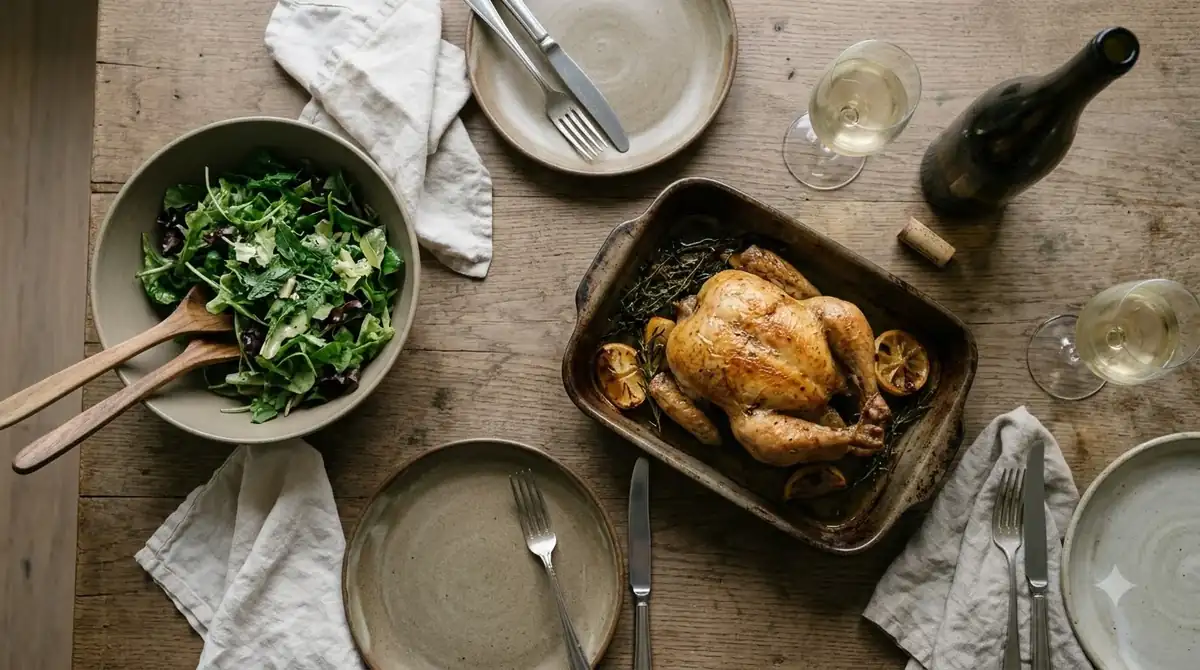
- Lamb: Roasted lamb with rosemary, garlic and black pepper complements the grape’s fruit and savory character.
- Pork: Grilled pork chops and slow-roasted pork work particularly well with medium- to full-bodied Garnacha.
- Tomato-based pasta: The acidity of tomato sauce benefits from a red wine with equally lively acidity.
- Pizza: Tomato, roasted vegetables, sausage and moderate amounts of cheese provide easy pairing opportunities.
- Roasted vegetables: Eggplant, peppers, mushrooms and onions complement Garnacha’s savory side.
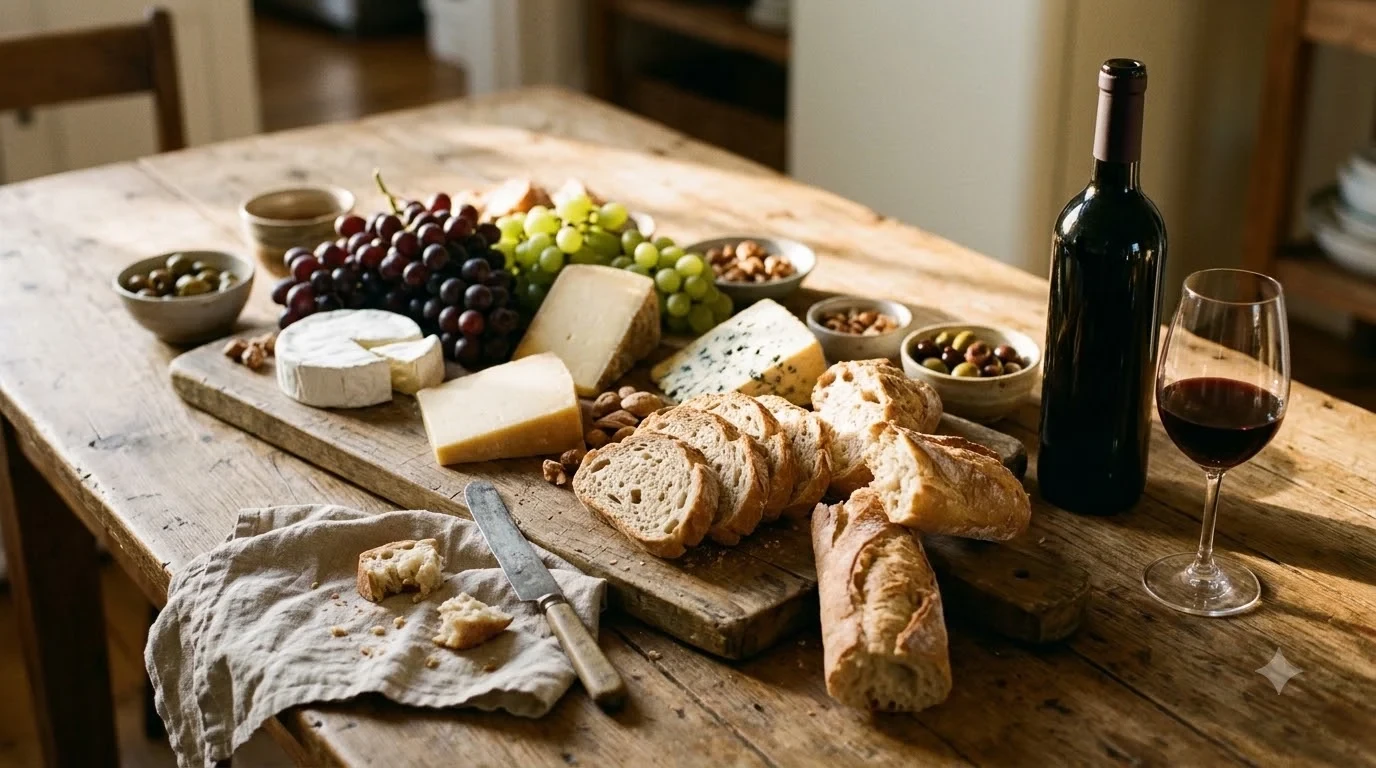
- Aged cheese: Firm cheeses can work well with structured red wine, as salt and fat soften the perception of tannin.
Be more careful with very hot chili sauces. Alcohol can intensify the burning sensation, while tannins can make the overall combination seem harsher. If the meal is particularly spicy, a lower-alcohol wine with softer tannins may be more comfortable.
Decanting and glassware
A young, concentrated red may benefit from 30–60 minutes in a decanter. This gives the wine time to release its aromas and can make its structure feel more approachable. An everyday Garnacha does not necessarily require this treatment, so decanting should be based on the wine’s concentration and character.
A medium-to-large red wine glass is a practical choice. It provides enough room for the wine to develop aromas while allowing the drinker to assess fruit, spice and oak without rushing.
Storage after opening
Store unopened bottles on their sides in a cool, dark location near 55°F when using cork closures. Avoid substantial temperature changes, direct sunlight and locations close to ovens or heating equipment. Consistent storage conditions are more useful than constantly moving bottles between warm and cold locations.
After opening, reseal the bottle and keep it in the refrigerator. Most still wines remain suitable for drinking for approximately 3–5 days, although their fruit and aromatic freshness can decline during that period. Allow a refrigerated bottle to warm toward its recommended serving temperature before pouring.
There is no need to finish an opened bottle immediately. Good closure and refrigeration help preserve the remaining wine, particularly if the bottle is stored upright with minimal air exposure.
Frequently Asked Questions
Where exactly does Borsao wine come from?
Borsao comes from Borja in Zaragoza province, within Aragón in northeastern Spain. The winery’s registered business address is Camino del Tejar, Borja, Zaragoza. The surrounding wine-growing area is associated with the Moncayo foothills and the Huecha Valley.
How many families are involved in Bodegas Borsao?
Bodegas Borsao identifies 375 winegrowing families as part of its winery organization. This cooperative background is an important part of the producer’s identity and distinguishes its development from that of a small, single-estate winery.
Does Borsao make wine using traditional cement tanks?
Yes. The winery says that the original cooperative cellars retain their cement tanks, which remain part of its production approach. This provides another winemaking option alongside its use of modern temperature-control technology and oak barrels.
Does Borsao export its wine internationally?
Yes. The producer reports that its first exports began in 1991. Its international distribution subsequently expanded, and the winery describes its wines as reaching more than 60 countries.
How much wine can Bodegas Borsao store in its facilities?
The winery states that its facilities have capacity for up to two million units of wine. This figure describes facility capacity rather than the annual production of any individual wine or the number of bottles in a particular vintage.
Borsao is a worthwhile producer to explore if Spanish Garnacha is your preferred style of red wine. Start with an approachable bottling for everyday meals, or choose Tres Picos when you want greater concentration, richer fruit and more structure. Understanding the differences between its wines makes it easier to find a bottle that fits both your meal and your personal taste.
More in Wine Brands
 Black Box Pinot Grigio Price: Compare the 3-Liter ValueUpdated Nov 21, 2026
 Bota Box Nighthawk Review: Choose the Right Bold WineUpdated Nov 21, 2026
 Blue Nun Wine Review: Find the Right Style for Your TasteUpdated Nov 21, 2026
 Beringer White Zinfandel Review: Taste, Sweetness and Buying TipsUpdated Nov 21, 2026
 Bollinger Wine Price: Compare Bottles and Choose the Right ChampagneUpdated Nov 21, 2026
 Bolla Wine Review: How to Choose the Right Italian BottleUpdated Nov 21, 2026