

We may earn a commission when you buy through links on this page, at no extra cost to you. Learn more.
This bota box nighthawk review finds that Nighthawk by Bota Box is a convenient choice for wine drinkers who prefer richer fruit flavors, accessible styles, and practical boxed packaging. The collection includes Cabernet Sauvignon, Pinot Noir, Malbec, Chardonnay, Sauvignon Blanc, and two distinctive red blends. Its main appeal is the combination of bold wine profiles, several available varieties, and a package designed to preserve freshness after opening.
Bota Box Nighthawk occupies a different position from the brand’s more approachable everyday wines. Its emphasis is on concentrated fruit, oak influence, fuller textures, and distinctive flavor combinations. However, the eight selections do not taste alike, and choosing between them requires more than simply picking a red or white. This guide explains the differences, compares important buying factors, and helps match each style with the right occasion and food.
Who Should Choose Bota Box Nighthawk?
Nighthawk is worth considering for drinkers who enjoy expressive, fruit-forward wines and want the convenience of a larger format. Its collection offers both familiar grape varieties and more distinctive barrel-influenced options, making it suitable for households, casual dinners, and gatherings where several glasses may be served over time.
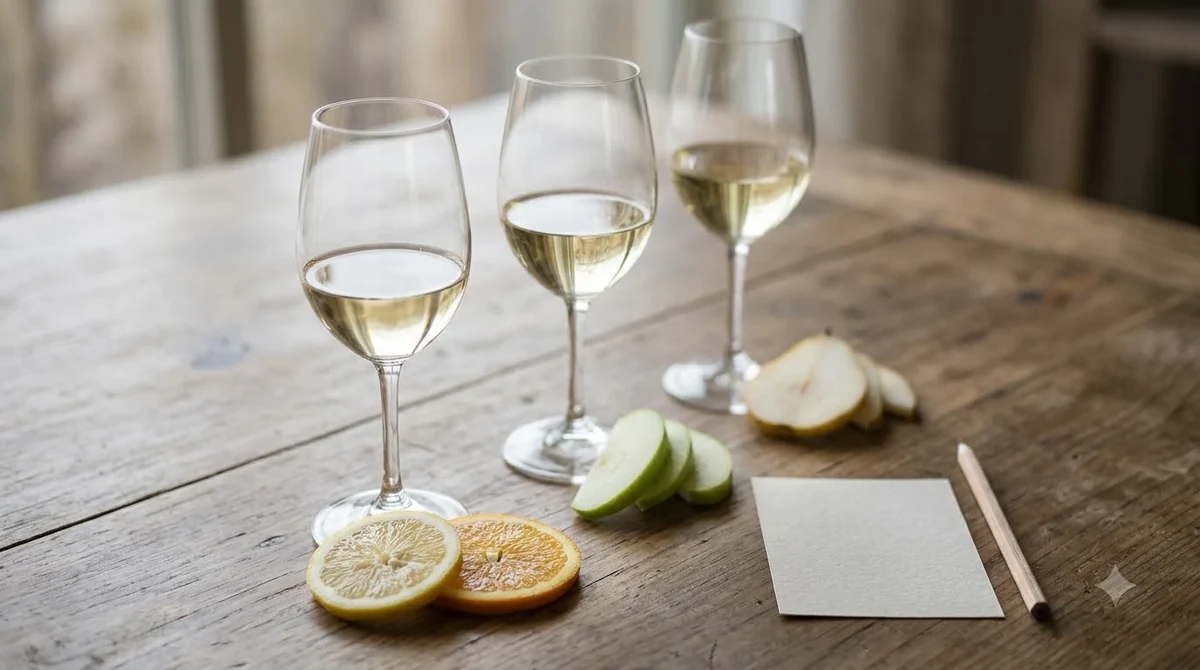
The collection is particularly relevant to people who enjoy California-style Cabernet Sauvignon, ripe red blends, and oak-influenced Chardonnay. The manufacturer’s descriptions emphasize dark berries, black cherries, caramel, toasted oak, butterscotch, and baking spices. These characteristics suggest a preference for generous flavor rather than delicate, restrained wine.
It is also useful for people who do not finish a bottle in one sitting. Bota Box says its Nighthawk packaging and spout limit exposure to light and air, helping the wine remain fresh for up to one month after opening. That is a manufacturer claim rather than a guarantee that every wine will retain identical quality for that entire period.
There are some important exceptions. Drinkers who prefer high-acid, mineral-driven whites, delicate traditional Pinot Noir, or restrained Cabernet Sauvignon may find certain Nighthawk selections too ripe, soft, or oak-forward. The Bourbon Barrel Cabernet, for example, has a notably different flavor direction from a more traditional expression of the grape.
For shoppers comparing the broader Bota Box wine collection, Nighthawk is best understood as the richer-flavored branch rather than a direct replacement for every wine in the standard range. The regular collection offers familiar everyday styles, while Nighthawk puts greater emphasis on pronounced flavors and distinctive finishes.
Consider these general buyer profiles:
- Fans of bold reds: Bold Cabernet Sauvignon, Dark Malbec, and Rich Red Wine Blend are natural starting points.
- Oak and barrel enthusiasts: Bourbon Barrel Cabernet Sauvignon and Buttery Chardonnay emphasize oak-related flavors.
- People who prefer lighter red styles: Lush Pinot Noir offers a different structure from the collection’s fuller Cabernet selections.
- White wine drinkers: Vibrant Sauvignon Blanc provides a citrus-focused alternative to the richer Chardonnay.
- Hosts and frequent wine drinkers: The 3-liter format and dispensing spout make serving multiple glasses practical.
People looking for a traditional fine-wine experience centered on a specific vineyard, vintage, or appellation should compare other options as well. Nighthawk is primarily an accessible, convenience-oriented collection, not a substitute for every premium regional wine.
Key Factors to Compare Before Buying
The most useful buying criteria are grape variety, flavor intensity, oak influence, alcohol content, packaging size, and intended food pairing. These details help distinguish wines that might otherwise appear similar because they share the same brand and packaging.
The following comparison uses manufacturer descriptions and published Wine Enthusiast reviews. Alcohol figures are tied to the particular reviewed wines, not guaranteed specifications for every future package or bottling.
| Nighthawk style | Flavor direction | Published ABV | Reviewed or listed size |
|---|---|---|---|
| Bold Cabernet Sauvignon | Cherry, cassis, dark fruit, spice | 13.5% | 3 liters |
| Bourbon Barrel Cabernet Sauvignon | Black cherry, plum, caramel, oak | 14.5% | 3 liters |
| Buttery Chardonnay | Apple, butterscotch, oak, honey | 14.5% | 3 liters |
| Lush Pinot Noir | Blackberry, cherry, toasted oak | Not specified here | 3 liters |
| Rich Red Wine Blend | Berry, fig, chocolate, baking spice | Not specified here | 3 liters |
| Vibrant Sauvignon Blanc | Lemon, lime, grapefruit, grass | 12.5% listed in a separate review | 3 liters listed by producer |
| Dark Malbec | Blueberry, blackberry, spice | Not specified here | 3 liters |
| Rum Barrel Red Wine Blend | Toasted oak, sweet spice | Not specified here | 3 liters |
The table highlights a significant difference between the two Cabernet options. The standard Bold Cabernet is listed at 13.5% ABV in Wine Enthusiast’s review, while the reviewed Bourbon Barrel version is 14.5%. That one-percentage-point difference can matter to shoppers who compare alcohol levels, although grape character and barrel influence also shape the overall impression.
Packaging deserves similar attention. A 3-liter box contains four times the volume of a standard 750 ml wine bottle. Using a conventional 5-ounce serving, it provides approximately 20 glasses, compared with about five glasses from a 750 ml bottle. This makes the larger format particularly practical for gatherings or households that regularly serve wine.
Some Nighthawk selections have also appeared in smaller formats. Bota Box lists 500 ml packaging for selected Bourbon Barrel Cabernet Sauvignon and Buttery Chardonnay offerings. Availability can vary, so the smaller package should be treated as an option to look for rather than an assumption about every variety.
For a closer look at the collection’s official descriptions and available varieties, consult the Bota Box Nighthawk collection page. It is the most direct source for identifying the styles currently presented by the manufacturer.
Step-by-Step: How to Select the Right Nighthawk Wine
The easiest way to select a Nighthawk wine is to begin with the flavors you enjoy rather than the most dramatic product description. A simple comparison of grape, body, oak character, and serving occasion can narrow the collection to one or two suitable choices.
-
Decide between red and white wine.
Start with the basic category. Choose a red if you generally enjoy dark berries, cherry, plum, or richer textures. Choose a white if you prefer citrus, apple, melon, or refreshing acidity. Nighthawk offers several options in both categories, so this first decision removes a substantial amount of guesswork.
-
Choose your preferred fruit profile.
For black cherry and cassis, begin with Bold Cabernet Sauvignon. For blueberry and blackberry, consider Dark Malbec. People who prefer citrus and grapefruit should look at Vibrant Sauvignon Blanc, while those who enjoy apple and orange notes may prefer Buttery Chardonnay.
-
Determine how much oak influence you like.
Oak can contribute aromas and flavors associated with vanilla, toast, caramel, and baking spices. The Bourbon Barrel Cabernet and Buttery Chardonnay are especially relevant for people who enjoy these characteristics. If oak is not a priority, Vibrant Sauvignon Blanc offers a more citrus-led direction.
-
Consider the wine’s body and tannin.
Cabernet Sauvignon generally has high tannin, while Pinot Noir usually has lower to medium tannin and higher acidity. Malbec can provide substantial dark-fruit character, and a red blend may offer a softer, more rounded impression. Match the structure to the meal instead of assuming that all dark-colored wines behave alike.
-
Think about how many people will drink it.
A 3-liter box is practical when several people will share wine over multiple servings. A 500 ml package, where available, makes more sense when trying a particular style or serving a smaller group. Remember that a 3-liter package holds approximately four standard 750 ml bottles.
-
Match the wine to the occasion.
Bold Cabernet works well for a steak dinner or barbecue. Sauvignon Blanc is a sensible choice for seafood and fresh salads, while Chardonnay suits richer poultry and creamy dishes. For casual gatherings, the red blends provide an approachable option for a range of substantial foods.
-
Compare the specific package before purchasing.
Check the variety name, bottle or box volume, and alcohol percentage of the actual selection. Different Nighthawk wines have different compositions and may have different package availability. Do not assume that the specifications of one Cabernet apply to another Cabernet in the collection.
Tip: If you are undecided between Bold Cabernet and Bourbon Barrel Cabernet, start by asking whether you prefer classic cassis and dark-cherry fruit or additional caramel, vanilla, and barrel-related sweetness. That distinction is more useful than choosing based on the shared Cabernet Sauvignon name.
For shoppers who already know they enjoy Cabernet Sauvignon, the Bota Box Cabernet range is another useful comparison point. It can help clarify whether the richer Nighthawk treatment is preferable to a more straightforward Cabernet style.
Nighthawk Wine Types and Flavor Styles Explained
The Nighthawk collection covers eight distinct styles, including varietal wines, a barrel-influenced Cabernet, and two red blends. Understanding the differences helps avoid choosing a wine solely because its name suggests a particular level of richness.
Bold Cabernet Sauvignon
This is the straightforward choice for people who want an expressive Cabernet Sauvignon with substantial fruit character. Bota Box describes it as intensely fruity, with smooth, velvety tannins. Wine Enthusiast’s published review identifies cherry, cassis, violet, lavender, boysenberry, cinnamon, and clove, with a smoky aroma and a long finish.
The reviewed wine contains 13.5% ABV and comes in a 3-liter format. It suits people who enjoy dark-fruit flavors and want a red wine for burgers, grilled beef, roasted mushrooms, or hard cheeses. Cabernet Sauvignon’s naturally higher tannin also makes it a reasonable match for fatty meat, since fat can soften the perception of astringency.
Bourbon Barrel Cabernet Sauvignon
This selection takes Cabernet in a sweeter-seeming, more barrel-influenced direction. The producer highlights dark, jammy fruit alongside caramel, toasted oak, and vanilla. Wine Enthusiast’s review adds black cherry, plum, raisin, prune, and dried fig, describing a full-bodied wine with soft tannins and a hint of sweetness.
The reviewed 3-liter wine has 14.5% ABV. It is a better fit for drinkers who like pronounced oak-related flavors than for those seeking a crisp or restrained Cabernet. Pair it with barbecue ribs, smoked brisket, or grilled sausages, especially when the food includes savory seasoning and some fat.
It is important not to confuse barrel-related flavor with proof of residual sugar. Vanilla, caramel, ripe fruit, and sweet spice can create a sweet impression even when the wine finishes relatively dry.
Buttery Chardonnay
Buttery Chardonnay provides a richer alternative to Nighthawk’s citrus-focused Sauvignon Blanc. Bota Box describes toasted oak, butterscotch, and honey, while Wine Enthusiast’s review identifies baked apple, quince, orange peel, orange marmalade, cardamom, floral notes, and a dry finish.
The reviewed wine is 14.5% ABV and comes in a 3-liter package. This style is appropriate for people who enjoy fuller whites with noticeable oak influence. Consider serving it with roast chicken, creamy pasta, baked salmon, or dishes containing mushrooms and butter.
Lush Pinot Noir
Pinot Noir offers a different red-wine structure from Cabernet Sauvignon. Bota Box describes blackberry pie, black cherries, and toasted oak. Pinot Noir generally has lower to medium tannin and higher acidity than Cabernet, so it often feels less gripping and more flexible at the dinner table.
It is a useful option for people who like red fruit and a softer texture. Try it with roast chicken, mushroom risotto, grilled pork, or salmon prepared without a heavily sweet sauce. Its lower tannin profile also makes it more suitable than a powerful Cabernet for some fish dishes.
Rich Red Wine Blend
The Rich Red Wine Blend is designed around concentrated flavors rather than a single named grape. Its manufacturer description includes deep berry, fig jam, dark chocolate, toasted marshmallow, and baking spices. This combination suggests a substantial, fruit-forward style with a dessert-like aromatic impression.
Serve it with barbecue brisket, baked rigatoni, mushroom pizza, or aged hard cheese. The blend is particularly useful for groups where some people prefer ripe fruit and others enjoy chocolate or spice-related notes. It is less suitable for delicate dishes that could be overwhelmed by concentrated flavors.
Rum Barrel Red Wine Blend
The Rum Barrel Red Wine Blend offers a distinctive alternative to the Cabernet-based wines. Bota Box describes smooth hints of toasted oak and sweet spice on the finish. Wine Enthusiast’s published review of Nighthawk Black Rum Barrel Aged Red identifies rich black and blue fruit with subtle sweetness associated with rum-barrel aging.
This is an interesting choice for people who enjoy unusual barrel influences. It pairs naturally with smoked meats, grilled sausages, barbecue dishes, and richly seasoned pasta. The added sweetness impression means it may be less suitable for people who want a very dry, restrained red wine.
Vibrant Sauvignon Blanc
Vibrant Sauvignon Blanc provides the collection’s more refreshing white-wine direction. Its manufacturer description highlights lemon-lime, grapefruit, and fresh-cut grass. Sauvignon Blanc generally has high acidity, which makes it useful with foods that benefit from a crisp contrast.
Consider serving it with shrimp, grilled white fish, goat cheese, green salads, or herb-seasoned chicken. Its citrus character can work particularly well with dishes containing lemon, lime, or fresh herbs. It is a better choice than Buttery Chardonnay for someone who prefers freshness over pronounced oak.
Dark Malbec
Dark Malbec is aimed at drinkers who enjoy ripe dark-fruit character and a smooth finish. Bota Box identifies jammy blueberry and ripe blackberry followed by a subtle suggestion of spice. Compared with a highly tannic Cabernet, Malbec can offer a different balance of dark fruit and texture, although its actual structure depends on the wine.
Pair it with grilled lamb, beef burgers, roasted eggplant, or hard cheeses. It can also work with black-bean dishes and smoky vegetable preparations. People who enjoy fruit-forward reds but want something other than Cabernet should consider this option.
For broader comparisons of wine varieties and producers, the site’s Wine Brands resource provides a useful starting point for understanding how different collections are positioned.
Common Buying and Serving Mistakes
Several mistakes can make Nighthawk seem less suitable than it really is. The biggest problems are treating all eight styles as interchangeable, serving them at unsuitable temperatures, and confusing ripe fruit character with actual sweetness.
Assuming every Nighthawk red tastes alike
Bold Cabernet, Bourbon Barrel Cabernet, Lush Pinot Noir, Dark Malbec, and the two red blends have different flavor and structural profiles. Cabernet typically brings higher tannin, while Pinot Noir is generally less tannic and more acidic. Barrel influence also changes the flavor direction of the Bourbon Barrel Cabernet compared with the standard Bold Cabernet.
Choose by grape and flavor description instead of assuming that the Nighthawk label guarantees one consistent taste. Someone who likes smooth fruit-forward wine may enjoy several selections, but that does not mean the wines will taste identical.
Confusing ripe flavors with sugar content
Terms such as jammy, caramel, vanilla, butterscotch, and toasted marshmallow describe aromas or flavor impressions. They do not automatically establish how much residual sugar a wine contains. The Bourbon Barrel Cabernet review mentions a hint of sweetness, but this should not be interpreted as a precise sweetness measurement.
Likewise, the Rich Red Wine Blend’s fig and chocolate descriptions do not prove that it is a dessert wine. If you prefer very dry wine, pay attention to the overall finish and the specific wine rather than judging from one aromatic descriptor.
Serving red wine too warm
Full-bodied reds are often served too close to room temperature, particularly in warm kitchens. A temperature around 60 to 65 F is a useful starting point for fuller reds such as Cabernet Sauvignon and Malbec. Slightly cooling the wine can help keep ripe fruit, alcohol, and oak flavors in better balance.
Light reds such as Pinot Noir generally benefit from a cooler serving temperature of approximately 55 to 60 F. A short period in the refrigerator can help bring a warm bottle or boxed wine closer to its ideal serving range.
Pairing bold reds with delicate seafood
Cabernet Sauvignon’s higher tannin can clash with oily fish, making some combinations taste metallic or harsh. It is generally better with grilled beef, lamb, or dishes with enough fat and protein to soften the tannic impression.
For fish and shellfish, Vibrant Sauvignon Blanc is usually a more natural starting point because its acidity and citrus character complement lighter seafood preparations. Pinot Noir can work with some salmon dishes when the preparation is not excessively rich or heavily seasoned.
Choosing the largest package without considering consumption
A 3-liter box is convenient for regular serving, but it is not automatically the right choice for every household. It contains about 20 standard 5-ounce pours, so occasional drinkers may prefer a smaller format when one is available.
Consider how frequently the wine will be served and how quickly it will be consumed. The manufacturer’s one-month freshness statement is useful, but actual freshness depends on handling, storage temperature, and how effectively the dispensing system is used.
Storage, Freshness, and Serving Tips
Proper handling helps preserve Nighthawk’s fruit character and balance. The box is designed to reduce exposure to light and air, but serving temperature, refrigeration, and dispensing habits still matter after opening.
Store unopened wine in a cool location
Keep unopened Nighthawk packages away from direct sunlight, heaters, and large temperature fluctuations. A cool storage area around 55 F is a useful general target for wine storage. Avoid leaving the package in a hot car or near an oven, since excessive heat can damage wine aromas and flavors.
Unlike a traditional cork-finished bottle, a boxed wine does not need to be stored on its side. The dispensing package should remain in the position recommended by the manufacturer, with the spout accessible for clean serving.
Refrigerate white wines after opening
Chardonnay and Sauvignon Blanc should be refrigerated after opening. Serve Buttery Chardonnay at approximately 50 to 55 F to preserve its fuller texture without making the oak and buttery flavors seem excessively heavy. Vibrant Sauvignon Blanc is generally more refreshing at around 45 to 50 F.
For red wines, refrigeration after opening is also useful. Take the wine out shortly before serving if it becomes too cold. Bold Cabernet and Malbec can be served around 60 to 65 F, while Pinot Noir generally benefits from 55 to 60 F.
Use the dispensing spout correctly
Open the dispensing mechanism according to the package instructions and pour slowly into a clean glass. Close the spout properly after each serving. Avoid leaving it open between pours, and keep the package in a stable position to reduce unnecessary handling.
Bota Box states that its Nighthawk packaging and spout are designed to keep wine fresh for up to one month after opening by limiting light and air exposure. This is an advertised storage capability, not a reason to ignore changes in aroma, flavor, or appearance.
Recognize changes in freshness
Fresh wine should retain recognizable fruit and varietal character. If a red begins smelling strongly of vinegar, bruised fruit, or stale aromas, or if a white loses its fresh fruit character and develops unpleasant oxidized notes, its quality may have deteriorated.
As a general wine-storage reference, opened still wines often remain enjoyable for approximately three to five days in the refrigerator, although packaging type and wine style can change that expectation. Boxed wine is a special case because its dispensing system is designed to reduce oxygen exposure. The manufacturer’s one-month claim should therefore be understood as specific to its packaging system rather than a universal rule for every opened wine.
Pour appropriate serving sizes
A standard wine serving is approximately 5 ounces. A 750 ml bottle provides roughly five such servings, while a 3-liter Nighthawk box provides about 20. This simple calculation helps estimate how much wine is needed for a dinner or gathering.
For a casual dinner, use smaller pours when serving several wines. That makes it easier to compare Cabernet with Malbec or Sauvignon Blanc with Chardonnay without filling every glass to the rim. It also allows the wine to develop in the glass as it warms slightly toward its preferred serving temperature.
Frequently Asked Questions
Is Bota Box Nighthawk the same as regular Bota Box wine?
No. Bota Box presents Nighthawk as a collection of bolder, richer expressions of familiar wine varieties. The standard range and Nighthawk have different product selections and flavor positioning, even though they share the same parent brand. The Nighthawk collection also includes barrel-influenced styles that provide a more distinctive flavor direction.
Does Bota Box Nighthawk contain sulfites?
Wine naturally contains sulfites, and many commercial wines also have sulfites added during production to help preserve quality. The exact sulfite concentration for each Nighthawk selection is not established by the general collection description. Consult the specific product labeling or manufacturer information for applicable ingredient and allergen details.
Can Bota Box Nighthawk be used for cooking?
Yes. Bold Cabernet and Rich Red Wine Blend can be used in beef braises, tomato-based sauces, and reductions, while Chardonnay can contribute flavor to creamy sauces and poultry dishes. Sauvignon Blanc works in lighter seafood sauces and herb-based preparations. Use wine that is still pleasant to drink rather than wine that has developed unpleasant spoilage aromas.
Does the Nighthawk box need a special wine dispenser?
No additional wine dispenser is needed for the standard boxed package. Bota Box describes Nighthawk as having an integrated dispensing spout, so the wine can be poured directly from its package. Keep the dispensing area clean and follow the package instructions when opening, closing, and storing the box.
Is Bota Box Nighthawk suitable for wine cocktails?
Some selections can work in simple wine-based mixed drinks. Sauvignon Blanc can be combined with citrus and sparkling water for a refreshing spritzer, while a fruit-forward red blend can be used in a red-wine punch. Avoid using a strongly oak-influenced Chardonnay in recipes where delicate citrus or floral flavors are the main focus.
Bota Box Nighthawk is a practical collection for people who enjoy generous fruit flavors, accessible wine styles, and convenient boxed packaging. Bold Cabernet is the clearest starting point for traditional red-wine drinkers, Bourbon Barrel Cabernet suits oak enthusiasts, and Vibrant Sauvignon Blanc or Buttery Chardonnay provides two contrasting white-wine choices. Compare the individual styles rather than treating the collection as one uniform wine, and the right Nighthawk selection becomes much easier to identify.
More in Wine Brands
 Franzia Chardonnay Price: Compare Box Sizes and Find Better ValueUpdated Nov 21, 2026
 Fess Parker Wine Review: Find the Right Santa Barbara BottleUpdated Nov 21, 2026
 Château Mouton Rothschild Wine Price: What to Expect Before BuyingUpdated Nov 21, 2026
 Fonseca Port Price: Compare Bottles, Styles, and ValueUpdated Nov 21, 2026
 Faustino Wine Review: Compare Rioja Styles and Find Your Ideal BottleUpdated Nov 21, 2026
 Fetzer Gewurztraminer Wine Review: Flavor, Sweetness and Food PairingsUpdated Nov 21, 2026