

We may earn a commission when you buy through links on this page, at no extra cost to you. Learn more.
Black Box Pinot Grigio price is typically about $16 to $20 for the standard 3-liter box at U.S. retailers, making it a value-oriented option with the equivalent of four 750 ml bottles. That package serves about 20 five-ounce pours, so the cost per glass can be lower than buying four separate bottles. The exact shelf price depends on location, retailer, taxes, and promotions, and the lower-calorie version is a different product with a different alcohol level.
For shoppers comparing boxed white wine, the useful question is not just what the carton costs. It is how much wine it holds, how long it stays fresh after opening, what the standard bottling tastes like, and whether that style fits the meal or occasion. The guide below focuses on the regular Black Box Pinot Grigio 3-liter package and explains how to compare its value without confusing it with a separate lower-calorie bottling.
Who This Is For
Black Box Pinot Grigio is best suited to shoppers who want a dry, approachable white wine in a format large enough for several dinners or a casual gathering. Its 3-liter carton contains four standard 750 ml bottles, or roughly 20 five-ounce servings, which makes it more practical than opening several bottles when a group is pouring the same wine.
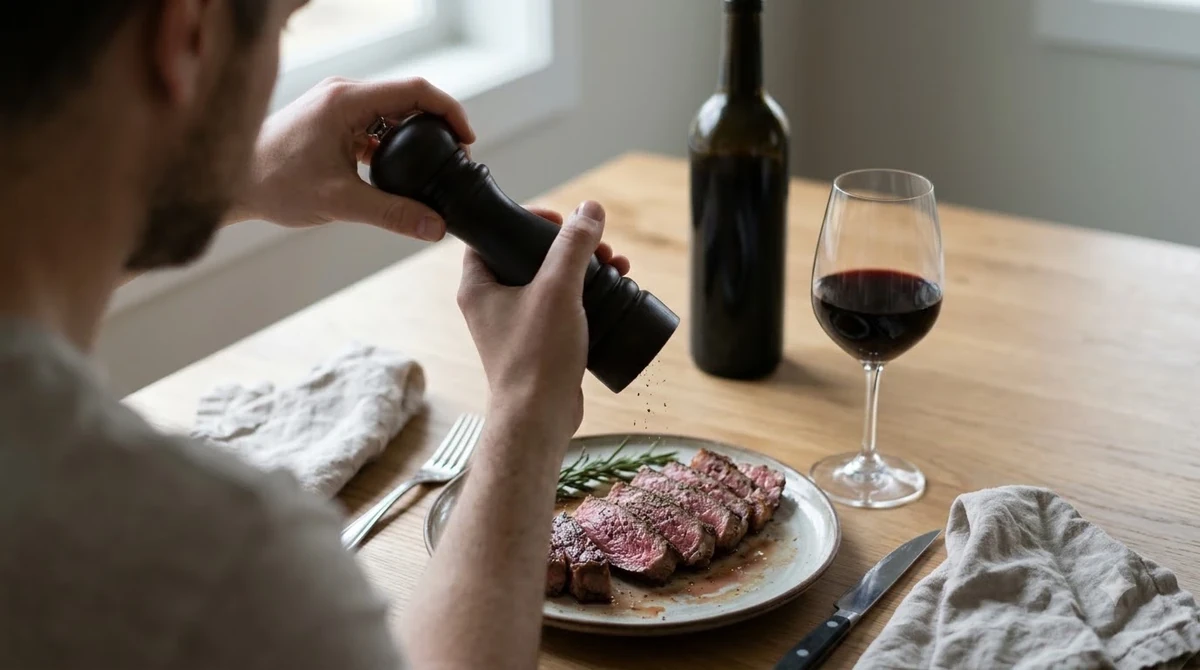
The format makes particular sense for people who pour a glass with weeknight meals, host backyard cookouts, or want a white wine on hand without finishing a bottle within a few days. Retail descriptions place the flavor in a familiar lane: pear, citrus, and honeydew, with a clean finish. Wine Enthusiast’s review also describes citrus peel and orchard-fruit flavors, with peach, apricot, pear, and lime zest. Those details suggest an everyday, fruit-forward Pinot Grigio rather than a rich, oak-driven white.
It is less compelling for a buyer who wants a complex single-vineyard wine, a special-occasion bottle with a known vintage, or a tiny quantity for one dinner. A 3-liter box is a commitment to a larger volume, even though the tap makes it convenient to pour gradually. Shoppers considering the standard bottling can use this Black Box Pinot Grigio overview to check the wine’s basic style, then use the pricing and serving calculations here to decide whether the larger format makes sense.
Key Factors to Compare
Compare the carton’s price with its volume, the approximate number of pours, the alcohol listing, and the freshness window after opening. Those details explain more about value than the shelf tag alone.
Listings from Kroger, Lunds & Byerlys, Binny’s, and Marketview Liquor put the standard 3-liter carton at roughly $16 to $20 in the U.S.; the current Kroger listing and Lunds & Byerlys listing are examples within that observed range. Prices vary by state and retailer, and local taxes, promotions, and stock can change the checkout total.
| Factor | Published or calculated detail | What it means for the buyer |
|---|---|---|
| Box size | 3 liters / 3,000 ml | A large format suited to repeat pours and groups. |
| Bottle equivalent | 4 x 750 ml bottles | Compare the box with the combined cost of four standard bottles. |
| Five-ounce servings | About 20 pours | Use about 20 servings for simple cost-per-glass math. |
| Typical U.S. shelf range | About $16 to $20 per 3-liter box | Roughly $4 to $5 per 750 ml equivalent before tax. |
| Alcohol listing | About 12% to 12.5% ABV on standard-wine listings | Retailer and review entries are not completely uniform. |
| Freshness after opening | About 4 to 6 weeks in retailer and producer descriptions | Use the shorter end as a practical planning window. |
| Serving temperature | 45°F to 50°F for a light white | Chilling keeps the wine crisp and refreshing. |
For a quick comparison, divide the full box price by four to estimate the cost of each 750 ml equivalent, or by about 20 to estimate the cost of a five-ounce pour. At the observed $16 to $20 range, that works out to approximately $4 to $5 per bottle equivalent or $0.80 to $1 per serving before tax. These are volume-based calculations, not a promise that every pour will be exactly five ounces or that every store will carry the same price.
Check that the listing is for the regular 3-liter Pinot Grigio, not a lower-calorie bottling or another Black Box grape variety. Retailers list the standard wine at approximately 12% to 12.5% ABV, while the brand’s separate Lower Calorie Pinot Grigio page lists 6.5% ABV. That difference changes the product you are comparing, so it is important not to use a price or alcohol figure from one variant to describe the other.
Step-by-Step: How to Judge the Price
A useful price check takes only a few minutes: confirm the exact product, normalize the volume, estimate servings, and consider how quickly the household will use the carton. Follow these steps before choosing a store or stocking up.
Start with the product name and size on the shelf listing. The regular Black Box Pinot Grigio is commonly shown as a 3-liter box; do not compare it with a 500 ml package, a 750 ml bottle, or the distinct lower-calorie version as though the containers were equal. Confirming the size first prevents a misleading comparison between a low-looking number and a much smaller quantity of wine.
- Confirm the style. Look for the standard Black Box Pinot Grigio 3-liter carton. Make sure the listing is not for Lower Calorie Pinot Grigio, Pinot Noir, Chardonnay, or another varietal in the brand’s range.
- Record the full shelf price. Compare the standard package across at least two retailers in your area. Include any required local taxes or delivery charges when estimating what you will actually pay, and remember that a temporary promotion may not be the everyday shelf price.
- Convert the volume. Divide 3,000 ml by 750 ml to get four bottle equivalents. This is the clearest way to compare the box with four individual bottles of a similar everyday Pinot Grigio.
- Estimate servings. A five-ounce pour is about 148 ml, so 3,000 ml provides roughly 20 servings. Divide the box price by 20 for a simple per-glass estimate, allowing for larger pours or a little wine left in the bag.
- Think about the opening schedule. If the wine will be shared across several meals over a few weeks, the box format may be useful. If only one or two glasses will be poured and the rest may sit for months, a smaller bottle is a better fit.
Once the arithmetic is done, compare the wine itself with the intended use. A low price per serving is not automatically good value if the style is too light, too simple, or too fruit-forward for the buyer’s taste. The standard bottling is positioned as an easygoing white for chicken, white fish, and grilled vegetables, not as a substitute for every style of white wine.
For a second boxed-wine reference, compare the format and flavor details on the Bota Box Pinot Grigio page. The useful comparison is the same: look at the volume, listed ABV, freshness claim, and flavor description, then calculate cost per 750 ml rather than choosing from the front-of-box price alone.
Types and Styles Explained
There are two product distinctions shoppers should keep separate: the standard Black Box Pinot Grigio and the brand’s Lower Calorie Pinot Grigio. The regular 3-liter wine is described by retailers as a light- to medium-bodied, dry California white, while the lower-calorie version is a different wine-based beverage with its own stated alcohol level and flavor description.
The standard bottling’s published tasting notes commonly mention pear, citrus, and honeydew. Wine Enthusiast describes a fresh style with kiwi, guava, orange peel, apple, peach, apricot, pear, and lime zest, finishing very dry. Those descriptors point toward a straightforward, fruit-led profile that works well chilled and alongside simply prepared food. They do not imply a sweet wine; the review specifically describes a very dry finish.
The separate Lower Calorie Pinot Grigio page from Black Box lists 6.5% alcohol and 70 calories per five-ounce serving, with pear and pineapple notes. Those numbers should not be applied to the standard 3-liter Pinot Grigio, whose retail listings show roughly 12% to 12.5% ABV. For the alcohol details and product distinction, see the dedicated Black Box Pinot Grigio alcohol content explanation before comparing labels.
For serving, treat the standard wine as a light white and chill it to about 45°F to 50°F. A glass that is too warm can make the alcohol seem more prominent and soften the crisp impression; a wine served very cold may seem muted at first. Pour a small amount, allow it a minute in the glass, and decide whether it needs a little time to open before serving the next round.
Common Mistakes When Comparing Boxed-Wine Prices
The biggest mistake is comparing package prices without comparing package sizes. A 3-liter box holds four 750 ml bottles, so a carton that costs more than one bottle may still be substantially less expensive per equivalent bottle. The other common mistake is assuming every Black Box Pinot Grigio listing describes exactly the same bottling.
Be careful with alcohol figures and product names. Standard-wine entries from retailers and wine reviewers show figures around 12% to 12.5% ABV, whereas the manufacturer’s Lower Calorie version is listed at 6.5%. If a retailer search page combines both products under a Pinot Grigio heading, read the item title and format details rather than relying on a category thumbnail or a generic search snippet.
Another mistake is treating the longest freshness claim as a guarantee for every home. Black Box’s 3-liter product information describes freshness for up to six weeks after opening, while a Lunds & Byerlys product description gives a four-week figure. That variation is a reason to plan around the earlier end, keep the wine cool after opening, and pay attention to changes in aroma or flavor rather than assuming every carton will remain at peak quality for the full advertised window.
Do not assume a dry, light-bodied white will pair equally well with every dish. The retailer suggestions include chicken, white fish, and grilled vegetables; creamy sauces and salty foods can also be comfortable partners for crisp white wine. Very sweet desserts are a poor match for a dry Pinot Grigio because the dessert can make the wine taste sharper and less fruity. For strongly acidic dishes, choose a wine with enough acidity to keep the pairing balanced.
Care, Serving, and Storage Tips
Keep the unopened box in a cool place away from direct sun or a hot kitchen appliance, then chill it before serving. For a light white wine such as Pinot Grigio, 45°F to 50°F is a useful serving range; it is cool enough to feel refreshing without suppressing every aroma.
After opening, store the carton in the refrigerator or another consistently cool place, with the tap closed between pours. The bag-in-box design dispenses wine while limiting the amount of air that enters the remaining wine, which is why the format can stay usable longer than an opened standard bottle. Product information commonly gives a four- to six-week window, but the exact claim differs between descriptions, so aim to finish it closer to four weeks for the best chance of preserving freshness.
Use a measured five-ounce pour when estimating servings, especially when planning a dinner or group event. A full 3-liter carton gives about 20 such pours, but casual home servings can easily run larger. Put the carton where the tap can be reached without lifting or tipping it, keep the spout clean, and avoid leaving the opened package beside a warm stove or in direct sun during a meal.
Tip: Chill the box before the first pour, write the opening date on the top flap, and plan to finish it within about four weeks. That simple routine makes it easier to monitor freshness even when the product description gives a longer maximum window.
For a broader view of how boxed wine fits into the category, the site’s Wine Brands resource can help put brand format, grape variety, and intended use into context. The main decision is practical: buy the 3-liter carton when the household or gathering can use roughly 20 pours over a few weeks, rather than choosing the larger package only because the shelf price looks appealing.
Frequently Asked Questions
These quick answers cover label details and terms that can help identify the right product. They add a few points that are not part of the price calculation or serving advice above.
Does Black Box Pinot Grigio have a vintage year?
Wine Enthusiast lists its reviewed California bottling as NV, meaning non-vintage. That label convention identifies a wine not presented as one specific harvest year, rather than promising that every box uses an identical blend from one vintage.
Is Pinot Grigio the same grape as Pinot Gris?
Yes. Pinot Grigio is the Italian name for the grape, while Pinot Gris is its French name. The same variety is also known as Grauburgunder in Austria and Ruländer in Germany.
What UPC identifies the 3-liter Black Box Pinot Grigio at Kroger?
Kroger lists the product UPC as 0008143400022. That number can help distinguish the 3-liter package from other Black Box wines when searching a retailer’s catalog or checking a pickup order.
Can the 3-liter box remain on a countertop?
Black Box says its 3-liter packaging can be kept in the refrigerator or on the countertop. The manufacturer also describes the box as resealable and shatterproof, making the format practical for casual gatherings where guests pour their own glasses.
Is Pinot Grigio usually aged in oak?
Pinot Grigio is commonly aged and stored in stainless steel rather than oak. This approach helps preserve the variety’s fresh fruit flavors and acidity instead of adding the vanilla or coconut characteristics associated with oak-aged whites.
Black Box Pinot Grigio is most compelling when its 3-liter format matches the pace of consumption: four bottle equivalents, roughly 20 standard pours, and a freshness window measured in weeks rather than months. Compare the local shelf range with the volume and the standard-versus-lower-calorie distinction, then buy the carton that fits the way the wine will actually be served.
More in Wine Brands
 Fess Parker Wine Review: Find the Right Santa Barbara BottleUpdated Nov 21, 2026
 Château Mouton Rothschild Wine Price: What to Expect Before BuyingUpdated Nov 21, 2026
 Fonseca Port Price: Compare Bottles, Styles, and ValueUpdated Nov 21, 2026
 Faustino Wine Review: Compare Rioja Styles and Find Your Ideal BottleUpdated Nov 21, 2026
 Fetzer Gewurztraminer Wine Review: Flavor, Sweetness and Food PairingsUpdated Nov 21, 2026
 Fetzer Wine Review: Find the Right Bottle for Your TasteUpdated Nov 21, 2026