

We may earn a commission when you buy through links on this page, at no extra cost to you. Learn more.
Bolla red wine spans several Veneto styles, from fresh Valpolicella and richer Ripasso to concentrated Amarone and sweet Recioto. The label is associated with the Verona area of northeastern Italy, where native grapes such as Corvina, Corvinone, and Rondinella shape wines with cherry fruit, savory notes, and lively acidity. The best bottle for a meal depends less on the Bolla name alone than on the appellation and style printed beneath it.
Bolla is a historic Italian producer with a portfolio that includes several expressions of Valpolicella as well as other Veneto reds. Understanding the difference between a light, food-friendly Valpolicella and a more substantial Ripasso or Amarone makes it easier to choose a bottle, serve it at the right temperature, and pair it confidently with dinner.
What Bolla Red Wine Includes
Bolla’s red-wine range is not one uniform blend or flavor profile: its portfolio includes Valpolicella DOC, Valpolicella Ripasso DOC Classico Superiore, and several Amarone della Valpolicella DOCG bottlings. Those names signal meaningful differences in grape handling, concentration, body, and the kind of food each wine suits.
The producer’s current wine listing places Le Origini Amarone della Valpolicella Classico DOCG Riserva, Le Poiane Amarone della Valpolicella Classico DOCG, Recioto della Valpolicella Classico DOCG, and Rhetico Amarone della Valpolicella Classico DOCG among its selections. It also lists Valpolicella Ripasso DOC Classico Superiore in two portfolio entries and a Valpolicella DOC in the La Villa line. This gives shoppers several ways to explore the same regional family, from a younger, more direct red to a wine made with dried grapes or a second fermentation.
Other Bolla portfolio entries include Bardolino Classico DOC, Cabernet Sauvignon Trevenezie IGT, and Merlot Trevenezie IGT. These are different regional or varietal categories, not interchangeable names for Valpolicella. For a dependable starting point, identify the appellation first: Valpolicella usually signals freshness, Ripasso signals added depth, and Amarone signals the most concentrated dry red style in this group. The producer’s Bolla wine portfolio is useful for checking which named bottlings sit in each category.
Bolla’s History in Veneto
Bolla’s story begins in Soave in 1883, but its red-wine identity became closely linked with Valpolicella after the family opened a winery in Pedemonte in 1931. That location placed the producer in the heart of the Valpolicella Classica zone, north of Verona in the Veneto region.
According to the company history, Alberto Bolla founded the winery after selling local Soave wine from his family’s tavern, Al Gambero. In 1902, he and his brothers opened a restaurant in Venice; the family business later expanded beyond its original white-wine focus. When Alberto recognized the potential of the area for quality reds, the Pedemonte winery began producing Recioto and Valpolicella, followed subsequently by Amarone. The development matters because the Bolla name connects two well-known Veneto wine areas: Soave for white wine and Valpolicella for red.
Gruppo Italiano Vini completed its acquisition of Bolla in 2006. The company says the aim was to preserve the values associated with the family’s generations of work, including respect for the territory. That history helps explain why Bolla’s current range continues to emphasize traditional Veneto names instead of relying only on international grape varieties. Readers comparing established Italian producers can also explore Antinori red wine, whose Tuscan identity offers a useful contrast to Bolla’s Veneto-centered portfolio.
Valpolicella Grapes and the Ripasso Method
Most classic Valpolicella reds are built around Corvina and Corvinone, with Rondinella as an important supporting grape; the regional rules set Corvina and/or Corvinone at 45–95% and Rondinella at 5–30% for the Ripasso blend. These native varieties explain much of the wine’s recognizable sour-cherry, red-fruit, spice, and savory character.
The Consorzio Tutela Vini Valpolicella’s Ripasso description identifies Corvina as the backbone of the blend, contributing structure, aromas, and softness. Corvinone can bring spicy morello-cherry character and added structure, while Rondinella contributes color and flavor. Molinara is a complementary local variety associated with freshness and flavor, though it is used less prominently in many contemporary blends. The exact proportions can vary within the appellation rules, so two Valpolicella wines need not taste identical even when they share the same DOC name.
Ripasso means “re-passed.” A producer first makes a dry base wine from Valpolicella grapes, then referments it in contact with grape pomace left after Amarone or Recioto production. The second fermentation extracts additional flavor, phenolic material, and alcohol, giving Ripasso more body and depth than a standard Valpolicella. The regional consortium describes it as medium-bodied with good alcohol content; its recommended serving range is 15–18°C, or about 59–64°F. The process does not turn Ripasso into Amarone: the wines have different appellations and production methods, even though they share grape varieties and some flavor notes.
Amarone takes another route. Selected grapes are dried after harvest before fermentation, concentrating sugar and flavor compounds. Decanter explains that Veneto producers commonly dry Corvina, Corvinone, and Rondinella in ventilated rooms for about three to four months for Amarone; the resulting wine is then fermented as a dry red. That concentration helps account for Amarone’s fuller body, higher alcohol, and dried-fruit character. Recioto uses a related drying process but stops fermentation while substantial natural sweetness remains, so it is a sweet red rather than a dry table wine.
How the Main Bolla Red Styles Compare
The clearest way to choose among Bolla’s classic reds is to compare how the grapes are handled and how much weight the finished wine brings to the table. The numbers below describe the regional styles, not a guarantee for every individual Bolla bottling or vintage.
| Style | Production cue | Typical character | Useful number |
|---|---|---|---|
| Valpolicella DOC | Fresh grapes; classic red-wine fermentation | Fresh cherry, herbs, lively acidity, lighter body | Serve at 14–16°C (57–61°F) |
| Valpolicella Ripasso DOC | Base wine refermented on Amarone or Recioto pomace | Riper cherry, spice, more extract, medium body | Serve at 15–18°C (59–64°F) |
| Amarone della Valpolicella DOCG | Fermentation of appassimento-dried grapes | Concentrated dark fruit, dried fruit, firm structure | Minimum 14% ABV; maximum 12 g/L residual sugar |
| Recioto della Valpolicella DOCG | Dried grapes; fermentation stopped with sugar remaining | Sweet, dense red-fruit and dried-fruit profile | Minimum 46 g/L residual sugar; minimum 12% ABV |
For an everyday meal, a Valpolicella DOC is often the most straightforward choice because its freshness and lighter structure suit appetizers, simple pasta, and white meats. Ripasso is a logical step up for richer sauces, roasted meat, and a cheese course. Amarone is more intense and can stand beside a substantial dish such as steak or a long-braised beef preparation. Recioto belongs in a different place in the meal: it is a sweet red for dessert or a cheese pairing, not a dry substitute for Ripasso.
The regional serving figures in the table come from the Valpolicella consortium for Valpolicella DOC and Ripasso, while the Amarone and Recioto production figures reflect Decanter’s explanation of the appellation styles. A specific Bolla bottle can differ in alcohol, extraction, and maturity, so use the style as a guide rather than assuming all wines bearing the same producer name have the same weight.
Flavor, Texture, and Choosing a Bottle
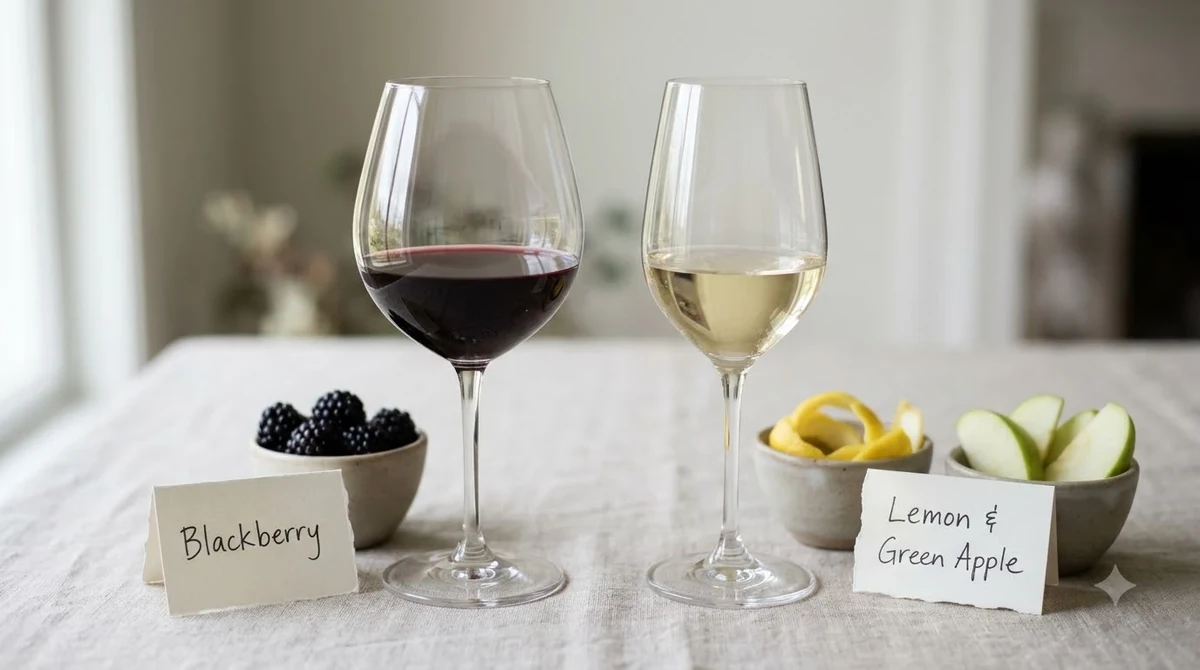
Expect cherry to be a recurring theme in Bolla’s Valpolicella family, but the type of cherry and the surrounding flavors change with the style. A standard Valpolicella tends toward fresh or sour cherry and herbs; Ripasso often adds darker fruit, spice, and a rounder texture; Amarone layers dried fruit, darker berries, and more pronounced structure.
A Wine Enthusiast review of Bolla’s 2007 Le Poiane Valpolicella Classico Superiore Ripasso described a deep-ruby wine with red cherry, cola, spice, and leather, followed by sweet and spicy nuances. The review listed that particular bottle at 13.5% alcohol. It is a useful historical example of the house’s Ripasso profile, not a tasting guarantee for every current release. A more recent or differently named Bolla wine may show fresher fruit, firmer acidity, more oak influence, or greater concentration depending on its production and age.
When choosing, match the label category to the weight of the food and the intensity you enjoy. Choose Valpolicella for a red with lift and moderate structure; choose Ripasso if you want fuller texture without moving all the way to Amarone’s power; choose Amarone for a long dinner with beef, game, or aged cheese. If you generally prefer softer reds, start with a lighter Valpolicella rather than assuming every Italian red has the firm tannins of Cabernet Sauvignon. For another example of a fuller-bodied American red, the profile of Austin Hope red wine provides a contrast in region and grape focus.
Vintage, vineyard source, bottle age, and winemaking choices can shift the balance within each category. A young Ripasso may emphasize ripe cherry and baking spice, while a bottle with some age can develop more savory notes. Amarone’s concentrated fruit can feel plush, but its alcohol and structure mean that it generally works best with food rather than with delicate dishes. If you want to explore how a producer organizes a broader portfolio, the site’s overview of wine brands gives useful context for reading labels across different regions.
Serving, Pairing, and Storing Bolla Reds
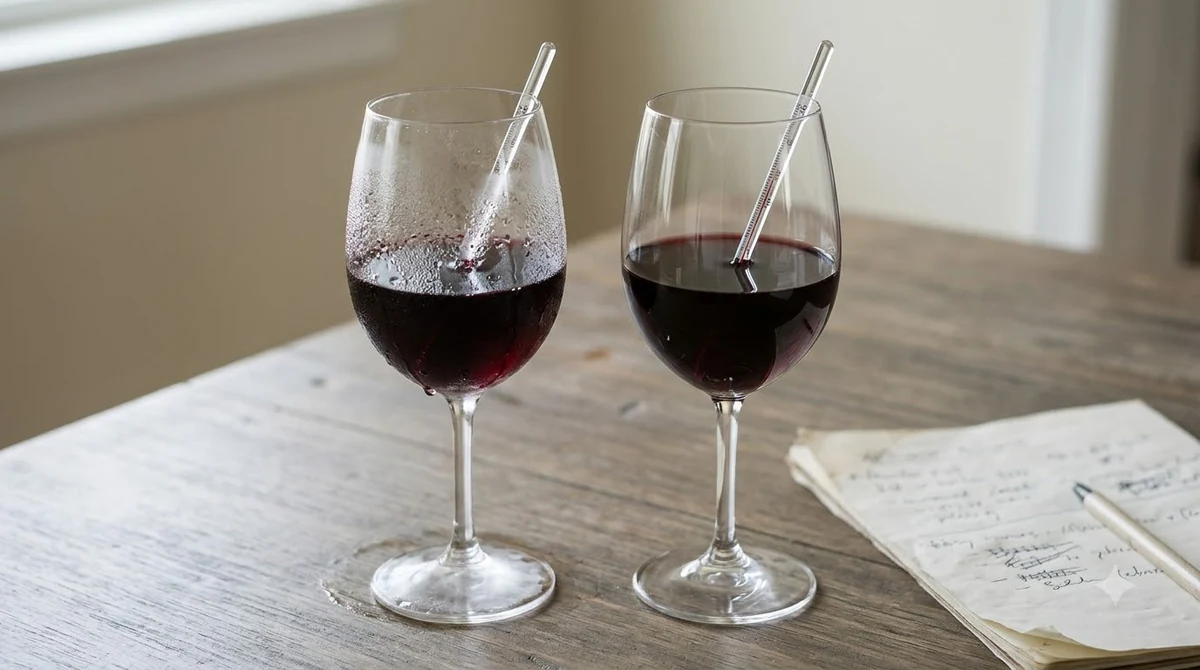
Temperature has a direct effect on how the fruit, acidity, alcohol, and tannin register. A light Valpolicella is best served slightly cool at about 55–60°F, while fuller Ripasso and Amarone generally show better around 60–65°F; overly warm service can make alcohol seem more prominent and mute freshness.
For food, use the wine’s weight as a guide. Fresh Valpolicella can accompany tomato-based pasta, pizza, roast chicken, grilled vegetables, and lighter cured meats. Its acidity helps it work with tomato sauce, while its moderate tannin is less demanding than a highly structured red. Ripasso has more depth for lasagna, pork shoulder, grilled sausages, beef ragù, braised short ribs, or medium-aged cheeses. Amarone is suited to grilled steak, roast beef, game, and slow-cooked dishes such as brasato served with polenta.
Keep the basic pairing rules in mind. Acidic food needs a wine with equal or higher acidity, so a fresh Valpolicella is usually more comfortable beside tomato sauce than a soft, low-acid red. Salt and fat can soften the impression of tannin, making Ripasso more forgiving with cured meats and richer cuts. Chili heat is amplified by alcohol and tannin, so a high-alcohol Amarone is rarely the easiest partner for very spicy food; oily fish can also clash with tannic reds. For dessert, choose Recioto only when the food is at least as sweet as the wine.
Tip: Chill a light Valpolicella for 15–20 minutes before serving if the room is warm, and let a young Amarone breathe for 30–60 minutes after opening if it seems tight. Avoid serving a full-bodied red at room temperature in a warm kitchen; aim for 60–65°F instead.
Use a standard 5-ounce pour; a 750 ml bottle yields about five glasses. Store unopened bottles on their side in a cool, dark place near 55°F, away from heat and strong temperature swings. Once opened, reseal the bottle and refrigerate it: most still wines keep their best character for about three to five days, although the fruit may soften over time. Bring a chilled red back toward its serving temperature before pouring, and avoid leaving the bottle beside a stove, sunny window, or heater.
Frequently Asked Questions
These distinctions clarify how Bardolino differs from Valpolicella, what the Classico and Valpantena qualifiers tell you, and why Ripasso Superiore has its own minimum strength.
Where does Bolla’s Bardolino red wine come from?
Bardolino DOC comes from the morainic hills on the eastern shore of Lake Garda, an area shaped by glacial deposits. Its protection consortium identifies more than 60 soil types there, many of them gravelly, which makes it a distinct origin from the Valpolicella hills.
What does “Classico” mean on a Valpolicella label?
It identifies the historic heart of Valpolicella, which includes Marano, Fumane, Negrar, Sant’Ambrogio, and San Pietro in Cariano. The term is a geographic indication, not a grape variety or a sweetness level.
Can a Valpolicella Ripasso label say “Valpantena”?
Yes. The Ripasso DOC rules allow the additional designations “Classico” and “Valpantena,” as well as the qualifier “Superiore.” Valpantena is the recognized subzone in the eastern part of the wider Valpolicella denomination.
What is the minimum alcohol level for Ripasso Superiore?
Regional appellation information lists a minimum of 12.5% ABV for Valpolicella Ripasso and 13% ABV for the Superiore category. That legal floor is a useful label detail, although the finished wine can be stronger.
How long can a bottle of Bolla red wine age?
It depends on the category and bottling. VinePair’s regional overview suggests standard Valpolicella and Ripasso are generally best enjoyed within the first five years after release, while well-made Amarone and Recioto can develop for 10 years or longer under suitable cellar conditions.
Bolla offers more than one expression of Veneto red wine, so the appellation is the most useful starting point: Valpolicella for freshness, Ripasso for added depth, and Amarone for concentrated structure. Match the bottle to the food, serve it a little cooler than a warm room, and the differences between these classic styles become much easier to appreciate.
More in Wine Brands
 Underwood Wine Price: Compare Bottles, Cans, and Pack SizesUpdated Nov 21, 2026
 Zenato Wine Price: Compare Styles and Choose the Right BottleUpdated Nov 21, 2026
 Zuccardi Wine Price: Compare Bottles and Find the Right RangeUpdated Nov 21, 2026
 Yellow Tail Moscato Review: Taste, Sweetness and Serving TipsUpdated Nov 21, 2026
 Wolf Blass Yellow Label Review: Choose Your Best StyleUpdated Nov 21, 2026
 Wolffer Estate Rose Review: Choose the Right Bottle for Your TableUpdated Nov 21, 2026