

We may earn a commission when you buy through links on this page, at no extra cost to you. Learn more.
Bolla white wine is an Italian wine collection best known for approachable, refreshing whites such as Soave and Pinot Grigio, offering fresh fruit flavors, balanced acidity, and versatile food-pairing options. The Bolla winery began in Soave, Veneto, in 1883 and has developed a long-standing reputation for producing wines connected to northeastern Italy. Its Soave typically features Garganega grapes, while its Pinot Grigio offers a lighter, fruit-forward alternative. These wines are useful choices for casual meals, seafood, appetizers, and relaxed gatherings.
Bolla is a historic Italian wine producer whose identity is closely connected to the vineyards and winemaking traditions of the Veneto region. Although the winery also makes several red and sparkling wines, its white wine selection deserves particular attention because it covers different preferences, from crisp Pinot Grigio to more characterful Soave. Understanding the grapes, regional classifications, and production methods makes it easier to select a bottle that suits a particular meal or occasion.
Bolla’s Italian Heritage and Winery History
Bolla’s story began in the Veneto town of Soave in 1883, when Alberto Bolla started selling locally produced white wine. The business developed from a family hospitality tradition into an internationally recognized Italian wine name, with its early identity strongly associated with the white wines of Verona.
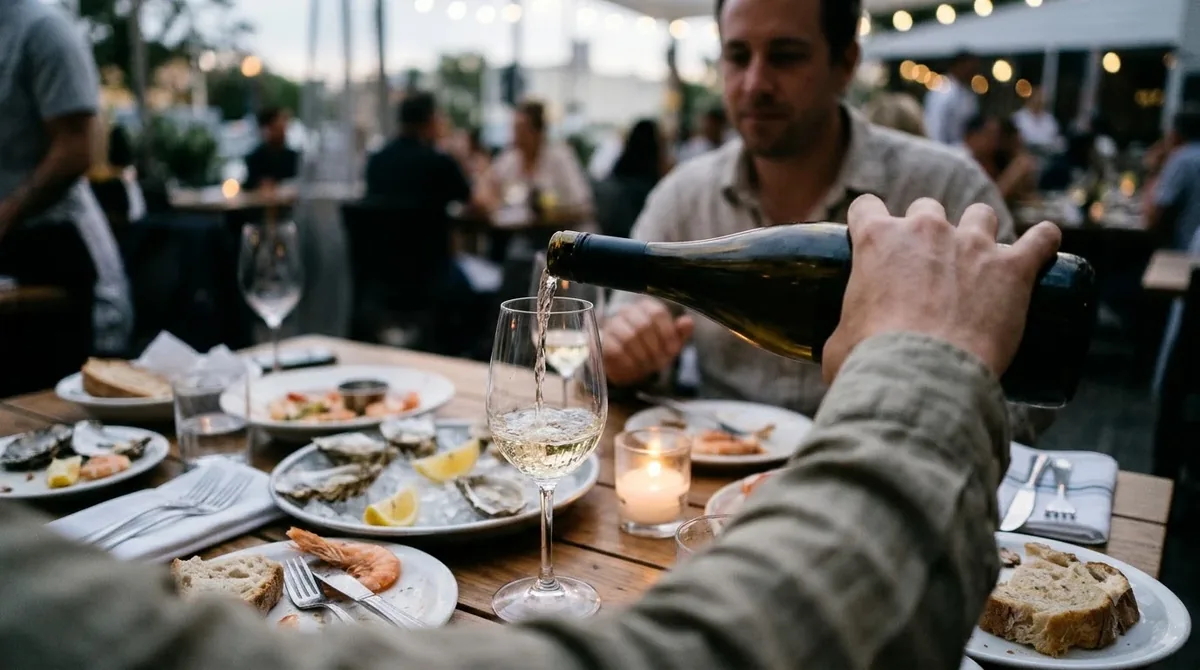
Alberto Bolla developed his interest in wine while spending time in the cellar of his parents’ tavern, Al Gambero. His parents, Abele and Giulia, operated the establishment, where wine was an important part of everyday hospitality. Alberto eventually began supplying local white wine to other taverns in Soave. The business expanded beyond the immediate town, reaching Verona and Venice. In 1902, he and his brothers also opened a restaurant near the church of San Salvatore in Venice, extending the family’s involvement in Italian food and wine culture.
The next major development came in 1931, when Alberto established a winery in Pedemonte, in the heart of the Valpolicella Classica area. This allowed the company to expand beyond its original white wine focus and produce regional reds, including Recioto and Valpolicella, followed by Amarone. The original Soave operation continued producing white wine, maintaining the connection between Bolla and the vineyards around Verona.
The brand subsequently expanded into international markets, particularly the United States, where Italian wines became increasingly familiar to consumers. Gruppo Italiano Vini completed its acquisition of Bolla in 2006. The stated purpose included preserving the values of quality, passion, and respect for the territory associated with the family’s history.
This background helps explain why Bolla offers more than one recognizable white wine style. Its range reflects the wider diversity of Veneto, where Garganega and Pinot Grigio have distinct roles. Readers interested in comparing producers can also explore our overview of Wine Brands to understand how regional identity and winemaking traditions influence different labels.
Grapes and Regions Behind Bolla White Wines
The grapes and geographical origin determine much of the difference between Bolla’s white wine styles. Soave centers on Garganega from the hills around Verona, while Pinot Grigio represents a different expression of northeastern Italy’s white wine tradition.
Garganega is the principal grape associated with Soave. It is known for producing wines with fresh acidity, delicate floral character, and flavors that can include citrus, orchard fruit, and almond. In the Bolla Soave DOC specification provided by its US importer, the blend contains 95% Garganega and 5% Trebbiano di Soave. This combination gives the wine a strong regional identity while maintaining an approachable profile.
Soave’s geographical identity is protected by its DOC designation. According to the Soave Consortium, the production zone lies in the eastern hills of Verona province and includes areas around Soave, Monteforte d’Alpone, Illasi, and San Bonifacio. The denomination received official DOC protection in 1968.
The production regulations require Soave DOC wines to contain at least 70% Garganega. The remaining portion can include Trebbiano di Soave or Chardonnay, subject to the denomination’s rules. This means that a Bolla blend containing 95% Garganega fits comfortably within the traditional requirements.
The word Classico has a specific geographical meaning. It refers to wine made from grapes harvested and vinified in the original historical production area around Soave and Monteforte d’Alpone. It does not simply mean that a wine is traditional, old-fashioned, or made using an older production technique.
Pinot Grigio offers a different experience. This grape generally produces light-bodied white wines with citrus, pear, apple, and sometimes floral notes. Its naturally approachable character makes it a popular option for people who prefer uncomplicated wines with refreshing acidity. Bolla’s Pinot Grigio provides an alternative to its Garganega-based Soave.
The distinction between the grapes matters when choosing a bottle. Garganega-based Soave often has a broader orchard-fruit character and can show subtle almond or mineral notes. Pinot Grigio usually emphasizes fresh citrus and pear, making it a natural choice for lighter meals and simple aperitifs.
For more detail on the appellation’s geographical boundaries and grape requirements, the Soave Consortium’s production regulations explain the distinction between Soave DOC, Classico, and Superiore DOCG.
Tip: Look for the grape or appellation on the front label. Soave points toward a Garganega-led wine from Veneto, while Pinot Grigio identifies a different grape variety and a generally lighter fruit profile.
Soave, Pinot Grigio, and Other White Wine Styles
Bolla’s white wine selection is not a single uniform style. Soave, Soave Classico, and Pinot Grigio offer different combinations of grape character, regional identity, and drinking occasions.
Bolla Soave DOC is one of the clearest introductions to the winery’s historic white wine identity. The 2024 specification published by US importer Frederick Wildman & Sons identifies a blend of 95% Garganega and 5% Trebbiano di Soave. Its profile is light-bodied and refreshing, with melon, ripe apple, and pear aromas. The wine is designed to retain freshness rather than develop a heavy oak-influenced character.
Bolla Soave Classico carries a more specific geographical designation. The Classico area represents the historic heart of the appellation. Individual bottlings can differ in their grape composition and classification, so it is important to distinguish ordinary Soave DOC from Soave Classico and Soave Superiore DOCG. These names describe regulated categories rather than interchangeable marketing terms.
Bolla Pinot Grigio is an alternative for drinkers who favor clean fruit flavors and a straightforward finish. Its typical appeal comes from pear, apple, lemon, and subtle floral notes. It works particularly well as an aperitif or alongside salads, seafood, and uncomplicated pasta dishes.
The range also illustrates the broader diversity of Italian white wine. A shopper comparing Bolla Pinot Grigio with another widely distributed Italian-style Pinot Grigio can consult our article on Black Box Pinot Grigio alcohol content for a separate discussion of alcohol levels and serving considerations.
The following comparison summarizes the principal distinctions between these styles. Alcohol levels and grape percentages refer to specific documented bottlings, not universal specifications for every Bolla white wine.
| Wine style | Main grape | Typical character | Documented details |
|---|---|---|---|
| Bolla Soave DOC | Garganega | Melon, apple, pear, refreshing acidity | 95% Garganega, 5% Trebbiano di Soave |
| Bolla Soave Classico | Garganega | Orchard fruit, citrus, mineral character | Historic Soave production area |
| Bolla Soave Superiore Classico | Garganega | Dry, light-bodied, apple and lemon | 85% Garganega, 15% Trebbiano di Soave; 12.5% ABV in the listed bottling |
| Bolla Pinot Grigio | Pinot Grigio | Fresh pear, citrus, light fruit | Varietal white wine style |
One useful distinction concerns the Soave Superiore DOCG classification. DOCG is a separate, more demanding appellation category, not simply another name for Soave DOC. A listing from the Société des alcools du Québec identifies one Bolla Soave Superiore Classico bottling with 85% Garganega, 15% Trebbiano di Soave, and 12.5% alcohol. These figures describe that particular wine and should not be automatically applied to the producer’s other Soave bottlings.
Taste, Aroma, Sweetness, and Alcohol Content
Most Bolla white wine drinkers can expect a dry, refreshing style with moderate fruit intensity rather than a sugary or heavily oaked profile. Soave generally offers a little more texture and complexity, while Pinot Grigio tends to emphasize crisp citrus and orchard fruit.
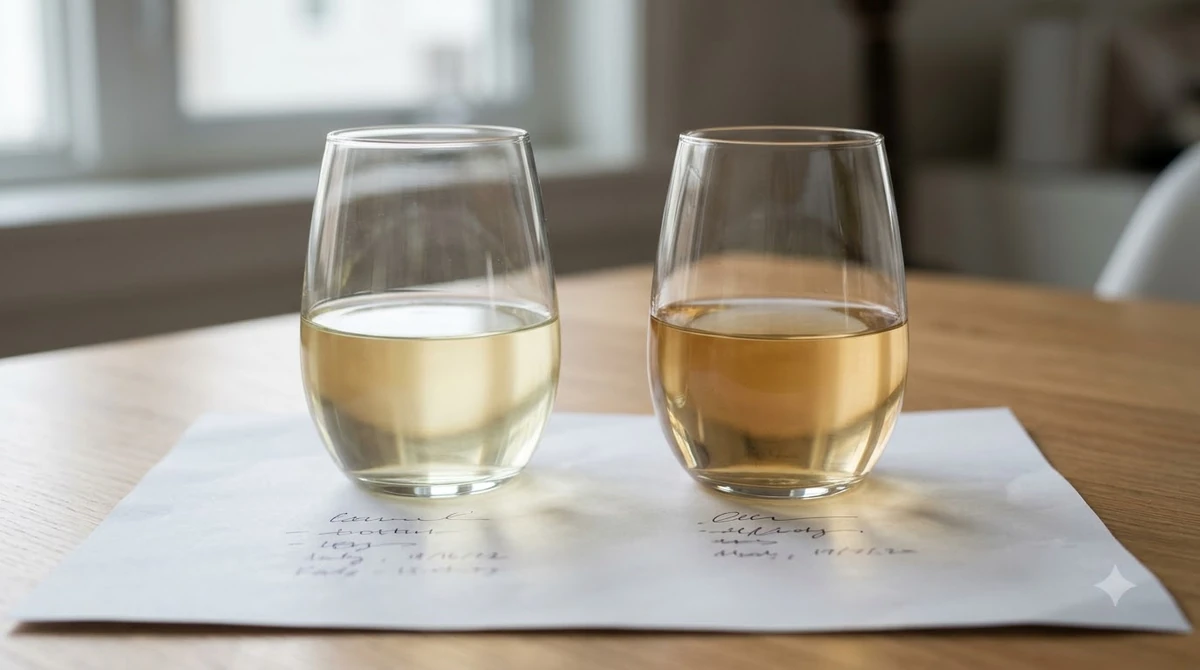
The producer’s description of Bolla Soave DOC identifies a pale yellow color with greenish highlights. On the nose, the wine presents melon, ripe apple, and pear. The palate is light-bodied, fresh, crisp, and balanced. These characteristics make it suitable for drinking on its own or alongside food without overwhelming delicate flavors.
A Bolla Soave Classico listing from the SAQ provides another useful reference point. Its tasting description identifies apple, lemon, mineral notes, and white pepper. It is classified as dry and light-bodied, with noticeable acidity and no oak character in the listed tasting profile. This combination gives the wine a slightly different impression from a fruit-focused Pinot Grigio.
Pinot Grigio typically offers citrus, green apple, pear, and sometimes white floral notes. Its body is generally light to medium-light, and its acidity helps maintain a clean finish. The exact balance depends on the growing area, vintage, grape maturity, and winemaking decisions.
Is Bolla white wine sweet? The main Soave and Pinot Grigio styles discussed here are generally dry rather than sweet. Dry wine can still taste fruity because aromas of ripe pear, melon, and apple create an impression of sweetness even when the wine contains little residual sugar. Fruitiness and actual sugar content are different characteristics.
Alcohol content also varies between individual bottles. The documented Bolla Soave Superiore Classico listing contains 12.5% ABV. This is a useful reference for that particular bottling, but it should not be treated as a fixed alcohol percentage for every Bolla white wine. Different varieties, vintages, and appellations can produce different alcohol levels.
For readers comparing labels, the difference between dry and sweet is often more important than the intensity of the fruit aromas. Someone who enjoys crisp, refreshing wines but dislikes noticeable sweetness will generally find the dry Soave and Pinot Grigio styles more suitable than a sweet dessert wine.
How Bolla White Wine Is Produced
Bolla’s Soave production emphasizes gentle grape handling, temperature-controlled fermentation, and freshness-preserving cellar techniques. These decisions help maintain the delicate fruit and aromatic character associated with Garganega.
According to the producer information published by Frederick Wildman & Sons, grapes for Bolla Soave DOC are hand-harvested before being crushed and gently pressed. Gentle pressing helps extract juice while limiting the extraction of unwanted bitter components from skins and seeds. Harvesting decisions also influence the balance between ripe fruit character and acidity.
Fermentation takes place in stainless-steel tanks under controlled temperatures for three weeks. Stainless steel is useful for white wine production because it does not introduce the vanilla, toast, or spice characteristics associated with oak barrels. Instead, it allows the natural grape aromas to remain prominent.
After fermentation, the wine remains on its lees for as long as possible before bottling, according to the producer’s description. Lees are the spent yeast cells and other fine particles that settle after fermentation. Contact with fine lees can contribute additional texture and a slightly fuller mouthfeel without requiring extensive oak aging.
The wine is bottled young to preserve its freshness. This approach suits a white wine intended to emphasize lively fruit, clean acidity, and immediate drinkability rather than extended maturation in a cellar. For many everyday white wine styles, preserving aromatic freshness is more important than developing substantial bottle-aged complexity.
Soave’s regional environment also plays a role in the final wine. The hills of Verona include volcanic and limestone-influenced soils. The Soave Consortium identifies tufaceous volcanic terrain and substantial limestone outcrops as important features of the production area. These geological conditions form part of the region’s identity, although soil alone does not determine the flavor of a finished wine.
The distinction between regional production rules and individual winery choices is important. The DOC regulations establish the permitted grape composition and geographical boundaries. Bolla’s specific decisions about harvesting, pressing, fermentation, and lees contact determine the style of its individual wines within those rules.
For a producer-level description of the grape blend, fermentation, and tasting profile, consult Frederick Wildman & Sons’ Bolla Soave DOC profile.
Best Food Pairings and Serving Temperature
Bolla white wine works especially well with seafood, light appetizers, salads, white meats, and mild cheeses. Its refreshing acidity and relatively light body complement dishes that benefit from freshness instead of heavy tannin or strong oak flavors.
Seafood and fish: Bolla Soave is a natural partner for grilled white fish, shrimp, scallops, and steamed shellfish. Its acidity helps balance the delicate richness of seafood, while the apple and pear notes complement mild natural sweetness. Pinot Grigio is equally suitable for simple fish preparations, particularly those involving lemon, herbs, or olive oil.
Pasta and risotto: Try Soave with risotto primavera, pasta with clams, or a light vegetable pasta. The wine’s acidity helps balance creamy textures without overwhelming the food. Pinot Grigio is another useful choice for pasta dishes featuring zucchini, peas, asparagus, or light seafood sauces.
Chicken and turkey: Roasted chicken, grilled turkey breast, and herb-seasoned poultry are good matches for both styles. The light body of Soave makes it particularly suitable for dishes with lemon, parsley, and olive oil. Richer preparations with cream sauces may benefit from a fuller white wine, but a fresh Soave can still work when the seasoning remains delicate.
Cheese and appetizers: Fresh mozzarella, ricotta, mild goat cheese, bruschetta, and vegetable antipasti pair comfortably with Bolla’s white wines. Salt and fat in food can soften certain sensations in wine, making moderately rich appetizers especially pleasant alongside crisp acidity.
There are a few pairings that require more care. Very spicy food can make alcohol seem hotter and acidity more pronounced. Extremely sweet dishes can make dry wine taste sour or thin, so a dessert wine should generally be at least as sweet as the dessert. Strongly flavored sauces may also overwhelm the delicate fruit of a light Soave or Pinot Grigio.
Serving temperature matters because excessive warmth can make a white wine seem less refreshing, while extreme cold can mute its aromas. The following ranges provide practical starting points for serving:
- Bolla Pinot Grigio: Serve at approximately 45–50°F for fresh citrus and pear aromas.
- Bolla Soave DOC: Serve at approximately 45–50°F to balance freshness and aromatic expression.
- More structured Soave: A temperature around 50–55°F can allow additional texture and complexity to emerge.
The SAQ recommends 6–8°C for its listed Bolla Soave Classico, which is approximately 43–46°F. This is a relatively cold serving range and suits someone who prefers a particularly crisp presentation. Allowing the wine to warm slightly in the glass can reveal more of its fruit and mineral character.
For a typical dinner, a 750 ml bottle provides approximately five standard 5-ounce glasses. Pouring moderate servings also gives the wine room to develop in the glass without becoming too warm before it is finished.
Buying, Storing, and Enjoying Bolla White Wine
The best Bolla bottle depends on the intended meal, preferred grape variety, and desired level of regional character. Soave is a useful starting point for someone interested in traditional Veneto white wine, while Pinot Grigio suits drinkers who prefer an especially straightforward, fruit-focused style.
When selecting a bottle, start by identifying the appellation and grape variety. A Soave DOC label indicates a wine produced under the Soave denomination’s regulations. Soave Classico identifies the historical production zone, while Soave Superiore DOCG represents a separate classification with additional production requirements.
For an uncomplicated aperitif, Pinot Grigio is a practical choice. Its lighter profile pairs easily with olives, fresh vegetables, mild cheeses, and simple seafood appetizers. Soave is particularly useful when the meal includes grilled fish, chicken, or a delicate risotto and the wine needs enough character to accompany the food.
Storage conditions influence how well white wine retains its freshness. Keep unopened bottles in a cool, dark place with a relatively stable temperature. Around 55°F is a useful general storage target. Avoid placing wine near radiators, ovens, direct sunlight, or other sources of repeated temperature changes.
Bottles sealed with natural cork are generally stored on their sides during longer-term storage to help keep the cork from drying out. However, everyday young white wines are not normally intended for extensive aging. Bolla’s freshness-oriented Soave style is best enjoyed while its fruit and acidity remain lively.
Once opened, reseal the bottle securely and place it in the refrigerator. Most opened still white wines retain their best qualities for approximately three to five days when properly refrigerated. A vacuum stopper may help limit oxidation, although it cannot preserve the wine indefinitely.
Before serving a refrigerated bottle again, allow it a few minutes outside the refrigerator if it has become excessively cold. This helps the aromas become more expressive. If the wine develops noticeably stale aromas, loses its fresh fruit character, or tastes flat, it may have passed its best drinking condition.
Bolla also makes wines beyond its white selection. Readers interested in exploring how other established producers express their regional traditions can compare Baron Philippe de Rothschild wine or explore the contrasting red wine style discussed in our article about Campo Viejo red wine.
Frequently Asked Questions
Who owns Bolla winery?
Bolla belongs to Gruppo Italiano Vini, which completed its acquisition of the winery in 2006. The company was originally established as a family wine business by Alberto Bolla in Soave. Its historic identity remains connected to the Veneto region and the traditional wines of Verona.
What does the word Soave mean on an Italian wine label?
Soave is the name of a protected wine denomination in the province of Verona, rather than simply a description of a wine’s taste. The denomination received DOC recognition in 1968. Its geographical production rules distinguish it from other Italian white wines made with similar grape varieties.
Can Bolla Soave be made as sparkling wine?
Yes. The Soave DOC regulations allow both still and sparkling versions of the denomination. The existence of a sparkling category does not mean every Bolla Soave bottle is sparkling, so the specific wine style should be identified before serving.
What is Recioto di Soave, and is it the same as regular Bolla Soave?
Recioto di Soave is a distinct sweet wine denomination made primarily from Garganega grapes that are dried for several months before pressing. This drying process concentrates the grapes’ natural sugars and flavors. It differs substantially from the dry, freshness-oriented Soave DOC style.
What does DOCG mean on a Bolla wine bottle?
DOCG stands for Denominazione di Origine Controllata e Garantita, an Italian designation for wines subject to defined geographical and production requirements. Soave Superiore and Recioto di Soave are examples of DOCG denominations. The classification identifies a regulated wine category, not a guarantee that every consumer will prefer its taste.
Bolla white wine offers an accessible introduction to the traditional white wines of Veneto, with Soave and Pinot Grigio providing two distinct drinking experiences. Choose Soave for its Garganega character and regional identity, or Pinot Grigio for a lighter, fruit-forward option. Serve either style properly chilled and pair it with fresh seafood, poultry, or light Italian dishes to enjoy its natural balance.
More in Wine Brands
 Bertani Wine Price: Compare Bottles and Find the Right ValueUpdated Nov 21, 2026
 Beringer Main And Vine Price: Compare Bottles and Find ValueUpdated Nov 21, 2026
 Argyle Wine Price: Compare Bottle Costs and Find the Right StyleUpdated Nov 21, 2026
 Barefoot Sweet Red Review: Taste, Sweetness and Buying TipsUpdated Nov 21, 2026
 Aveleda Wine Price: Compare Bottles and Find the Right ValueUpdated Nov 21, 2026
 Apothic Dark Wine Review: Find a Style That Fits Your TableUpdated Nov 21, 2026