

We may earn a commission when you buy through links on this page, at no extra cost to you. Learn more.
apothic dark wine review: Apothic Dark is a California red blend for drinkers who enjoy concentrated black-fruit flavors, mocha, and a plush, full-bodied feel. The producer highlights black cherry, plum, and lightly roasted oak, with grilled meats, aged cheeses, and spiced desserts as pairing ideas. The main buying detail is that grape and alcohol information can differ by vintage or market, so compare the specific bottle rather than treating one older description as universal.
Apothic Dark sits in the dark-fruit, oak-accented corner of the California red-blend shelf. It is not a single-grape Cabernet or a delicate Pinot Noir; its appeal is the combination of ripe fruit, roasted notes, and a weighty profile that can stand up to a savory meal. The guide below explains who is likely to enjoy it, what to check before choosing a bottle, and how to serve it so the fruit stays in focus.
Who This Is For
Apothic Dark is a sensible choice for red-wine drinkers who want obvious dark-fruit character rather than delicate red berries, herbal lift, or pronounced freshness. Expect the flavor family to lean toward black cherry and plum, with roasted-oak aromas; more detailed published descriptions add blackberry, blueberry, dark chocolate, coffee, and baking spice. It suits an evening meal or a relaxed glass with cheese better than a tasting focused on subtlety and site expression.
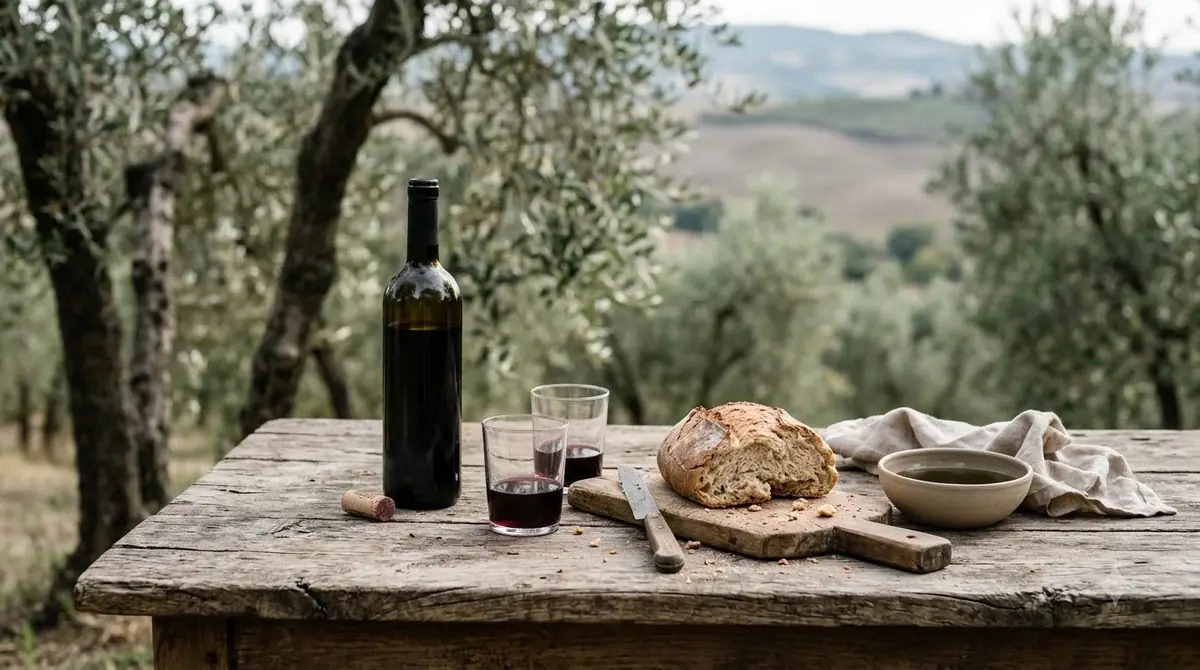
The producer’s US product page calls it a bold blend and identifies black cherry, plum, and lightly roasted oak. That is a helpful starting point, not a promise that every vintage will taste identical. In its review of the 2023 California bottling, Wine Enthusiast described a darker, more layered set of details, including dried florals, black olive, star anise, bitter chocolate, toasted oak, blackberry pie, blueberry jam, and cinnamon. The same review mentions grippy tannins on the finish, a reminder that “smooth” should not be read as “tannin-free.”
Choose it if you enjoy a red with enough body for grilled food, burgers, roast beef, or aged cheese, and if coffee or chocolate notes appeal in a dry table wine. It can suit drinkers moving from softer blends toward reds with a firmer finish. Pass if you mainly drink crisp whites, light-bodied reds, or tart, high-acid styles. Very hot chili is also a poor match because alcohol and tannin can sharpen the heat.
Key Factors to Compare
Compare the wine on style, vintage, alcohol, structure, and food fit instead of relying on the word “Dark” alone. The most useful documented figures are tied to particular bottlings: Wine Enthusiast lists 13.9% alcohol and a 750 ml bottle for its 2023 entry, while the producer’s US page focuses on the flavor profile and pairings.
| Factor | What is documented | How to use it when choosing |
|---|---|---|
| Wine category | California red blend | Expect a blended house style, not a single-variety expression. |
| Bottle size | 750 ml for the 2023 Wine Enthusiast listing | A standard bottle provides about five 5-ounce pours. |
| Alcohol | 13.9% ABV for the 2023 listing | Use the figure for that listing as a reference, not a guarantee for every vintage. |
| Core fruit | Black cherry and plum on the US producer page | Look for a ripe, dark-fruit profile rather than a light red-fruit style. |
| Oak and savory notes | Lightly roasted oak; published notes also mention chocolate, coffee, and spice | Useful if you enjoy toast, mocha, or baking-spice accents. |
| Structure | The 2023 review notes grippy tannins | Pair with protein, fat, and savory flavors that can soften tannin. |
| Producer pairing ideas | Grilled meats, aged cheeses, and spiced desserts | Build the meal around savory flavors, and keep dessert sweetness in check. |
| Serving temperature | 60–65°F is a useful range for a full-bodied red | Serve slightly cool rather than warm from a heated room. |
Alcohol influences how the wine feels at the table. A 13.9% ABV listing sits toward the fuller end of many everyday red blends, and warmth can become more obvious if it is served too hot. Read the figure as a reference for the 2023 entry, then use the number printed on the bottle in front of you when comparing a different release. For more detail on the subject, see this page on Apothic Dark alcohol content.
Blend transparency is another comparison point. The US producer page identifies the wine as a red blend but does not list a grape formula there. A product page for the 2021 bottling describes that vintage as primarily Petite Sirah and Teroldego, with other dark-skinned varieties supporting the blend. Treat that as vintage-specific information, not a definitive recipe for every bottle sold under the name.
Step-by-Step: How to Choose a Bottle
A short buying process helps separate the wine’s established style from details that can change. Start with the flavor profile you want, then check the particular release and the meal you plan to serve.
- Decide whether the style fits. If black cherry, plum, blackberry, coffee, and dark chocolate sound appealing, Apothic Dark is in the right lane. If you prefer tart cranberry, high acidity, or a lighter frame, compare it with a lighter red instead.
- Identify the exact bottling. Note the vintage when one is shown and compare its alcohol figure with the product information for that same release. A 2023 listing at 13.9% ABV should not be used as a fixed specification for every vintage.
- Read the blend information cautiously. The US producer page gives a broad red-blend description, while other market and vintage pages can provide more specific grape details. Do not assume a grape list from a Canadian page or a 2021 listing is the formula for a current US bottle.
- Match the wine to food. Grilled steak, beef burgers, roast pork, smoky mushrooms, and aged cheddar make more sense than delicate fish or very hot chili dishes. If dessert is planned, choose a spiced option that is not sweeter than the wine.
- Plan the serving. Aim for 60–65°F, use a medium-to-large red-wine glass, and allow a young, full-bodied red 30–60 minutes to open if its aromas seem closed or the tannins feel firm.
For context on the label’s range, compare it with Apothic Red rather than assuming two wines from the same producer will taste alike. The point is not to pick the darker name automatically; it is to select the bottle whose body, fruit, and finish suit your palate. The Apothic Dark overview can also help distinguish the specific wine from general references to the brand.
Start with one bottle before buying several. It is enough to learn whether the dense fruit and oak accents work with your usual meals; a second bottle for another dinner is more useful than stocking up on the label description alone.
Types or Styles Explained
Apothic Dark is best understood as a branded California red blend with a deep, dark-fruit profile, rather than as a wine defined by one grape variety. Its character sits closer to full-bodied, ripe-fruited reds than to lighter, high-acid styles, although the balance of fruit, oak, and tannin can shift between bottlings.
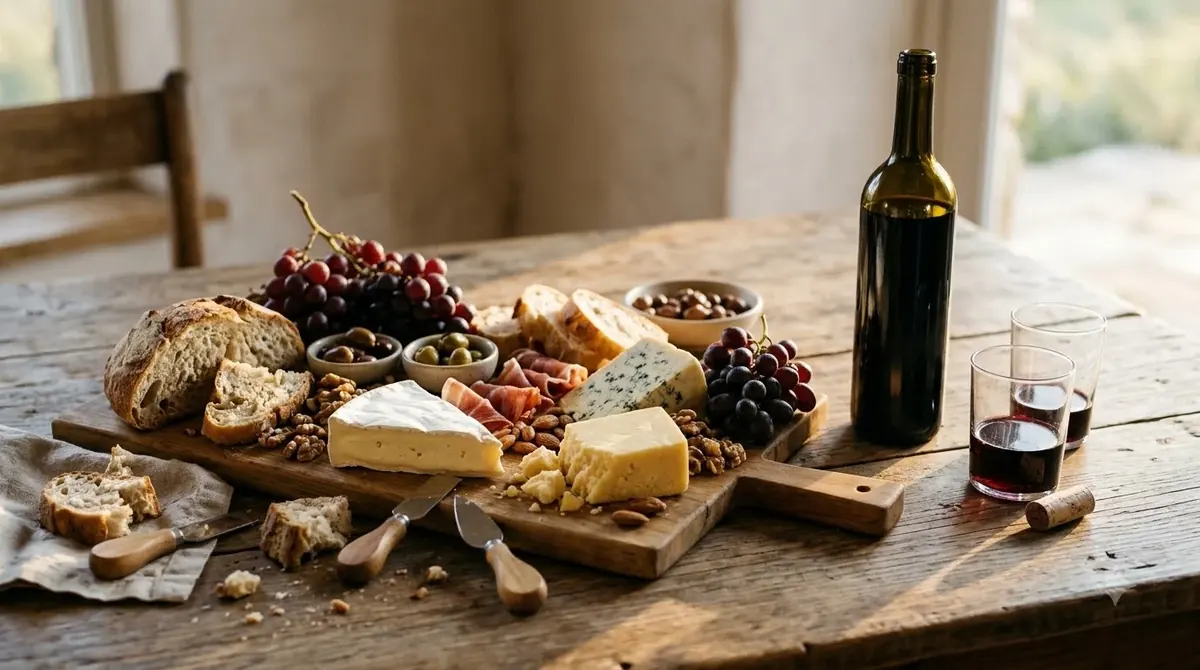
The producer’s US description centers on black cherry, plum, and lightly roasted oak. The 2021 product listing gives a more specific example of how a past release was assembled: it identifies Petite Sirah and Teroldego as the principal varieties, with other dark-skinned grapes in supporting roles. That listing also describes blueberry, blackberry, plum, dark chocolate, spice, coffee, and mocha. These details help explain the wine’s style, but they should not be presented as a permanent blend formula. The regional producer page for Canada gives a longer list of six varieties, which is another reason to avoid treating one source’s recipe as universal.
Compare it with familiar grape-based categories. Cabernet Sauvignon generally brings high tannin; Pinot Noir tends to be lighter, with lower-to-medium tannin and higher acidity; Merlot is often medium in tannin and softer. Apothic Dark’s published 2023 review mentions grippy tannins, while its producer description emphasizes dark fruit and roasted oak. If you want a soft red with minimal grip, it may feel firmer than expected; if you like a weightier red for grilled food, that structure can be an advantage.
Do not confuse dark color with sweetness. A wine can show ripe plum, blackberry, mocha, and chocolate-like aromas while still functioning as a dry red at the table. The sensory impression of fruit does not mean it will match an intensely sweet dessert. For a dessert pairing, choose a dish whose sweetness is modest enough that the wine does not taste sour or harsh beside it. For a deeper introduction to the category and how producers use blends, see this guide to wine brands.
Common Mistakes
Common errors include expecting a single-grape wine, assuming every vintage has identical alcohol and blend details, and serving the bottle too warm. Attention to the vintage, meal, and glass temperature makes it easier to assess.
Expecting one fixed grape recipe. Blended wines can be adjusted to achieve a target style, and published details can describe different vintages or markets. The 2021 listing that names Petite Sirah and Teroldego is useful background, but it does not establish the contents of every later release. Treat broad style notes as the reliable starting point and vintage-specific blend details as additional context.
Confusing fruit intensity with sweetness. Black cherry, plum, blueberry, and chocolate-like notes can make a wine seem rich, but those descriptors do not establish that the wine is sweet. A very sweet dessert can make a dry red seem thinner and more bitter by comparison. Grilled meats, savory sauces, aged cheeses, and lightly spiced dishes are safer matches than syrupy desserts.
Pairing it with very hot food or delicate fish. Alcohol and tannin can amplify chili heat, while tannic red wine can clash with oily fish. Choose moderate seasoning and savory foods instead. Salt and fat in steak, burgers, or aged cheese can soften tannin and make the pairing feel more balanced.
Pouring it at room temperature without thinking. A warm kitchen or dining room can push a full red above its useful serving range and make alcohol more noticeable. Start around 60–65°F, then let the glass warm gradually if needed. A cooler serving temperature is not the same as serving the wine ice-cold; the aim is to preserve fruit while keeping the finish balanced.
Care and Storage Tips
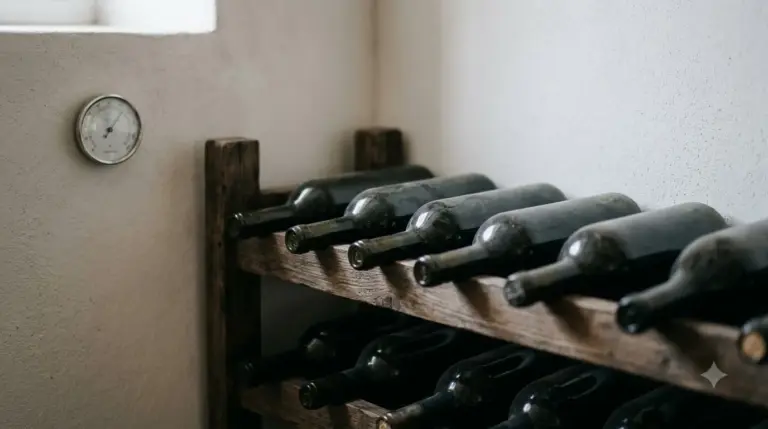
Store an unopened bottle in a cool, dark place near 55°F, ideally on its side if it has a traditional cork. For serving, aim for 60–65°F and consider 30–60 minutes of air for a young, full-bodied red if the first pour seems tight.
Tip: If the room is warm, place the bottle in the refrigerator briefly before serving, then pour a small taste. It is easier to let a cool glass warm slightly than to correct a wine that has become hot and alcohol-forward.
Keep the bottle away from direct sun, a warm counter, and repeated temperature swings. A steady storage environment matters more than elaborate equipment for everyday drinking. If the bottle has a cork, horizontal storage keeps the cork in contact with the wine; if it has a screw cap, upright storage is also practical. Do not store it beside an oven, radiator, or sunny window simply because the bottle is dark glass.
Once opened, reseal the bottle and refrigerate it. Still red wines generally keep for about 3–5 days in the refrigerator after opening, although the fruit and aromas gradually fade as air works on the wine. Bring the remaining portion back toward 60–65°F before serving again; there is no need to leave an opened bottle on the counter overnight. A 750 ml bottle gives roughly five standard 5-ounce pours, so serving smaller glasses can help preserve what remains for another meal.
Decanting is optional. Give a young bottle 30–60 minutes of air when aromas seem muted or tannins feel firm, but do not assume longer is better. Pour a small glass first, reassess after 10 minutes, and decant only if the wine benefits.
Frequently Asked Questions
These answers separate details tied to a specific vintage or market from the broader style cues that are useful across the range. They also clarify a few practical questions that can affect a bottle choice.
Which grapes are used in Apothic Dark?
The Canadian Apothic product page names Petite Sirah, Teroldego, Cabernet Sauvignon, Zinfandel, Petit Verdot, and Merlot. A separate listing for the 2021 US bottling describes Petite Sirah and Teroldego as the primary varieties. Those descriptions refer to different market or vintage contexts, so neither list should be treated as a guaranteed formula for every US bottle.
Is Apothic Dark always 13.9% alcohol?
No single alcohol figure should be assumed for every release. Wine Enthusiast lists 13.9% ABV for its 2023 California entry, while an independent review of an earlier bottle reported 14.1% ABV. Use the printed figure on the specific bottle when comparing alcohol levels.
Are the grapes for Apothic Dark grown in Lodi?
The product page for the 2021 vintage says the majority of grapes for that release came from Lodi in California’s Delta region. That is useful provenance for that particular vintage, but it does not establish that every later bottling uses the same sourcing pattern.
Is Apothic Dark the same wine as Apothic Red?
No. Apothic’s UK product page describes Apothic Red as a California blend led by Zinfandel, with Syrah, Merlot, and Cabernet Sauvignon also contributing to its profile. The Dark label has its own darker-fruit, chocolate, and coffee emphasis, so choose between them by flavor preference rather than assuming they are interchangeable names for one blend.
Does the producer confirm that Apothic Dark is vegan?
The product pages consulted describe the wine’s region, style, and tasting profile but do not provide a vegan certification or a clear statement about fining agents. A person who needs verified vegan production details should contact the producer with the exact vintage and bottling information rather than infer production methods from the front label.
Apothic Dark is worth considering for a drinker who likes concentrated dark fruit, roasted-oak character, and a fuller red that can accompany grilled food and aged cheese. Compare the vintage-specific details, serve it slightly cool, and choose it for its bold blend style—not because the name promises one fixed recipe.
More in Wine Brands
 Eroica Riesling Price: What to Pay and How to ChooseUpdated Nov 21, 2026
 Elk Cove Wine Price: Compare Bottles and Find Your Best FitUpdated Nov 21, 2026
 Emilio Moro Wine Review: Find the Right Spanish Red for Your TableUpdated Nov 21, 2026
 Dr Loosen Wine Price: Compare Styles Before You BuyUpdated Nov 21, 2026
 Dreaming Tree Wine Review: Find the Right Bottle for Your TasteUpdated Nov 21, 2026
 Dreaming Tree Wine Price: Compare Bottles and Find Good ValueUpdated Nov 21, 2026