

We may earn a commission when you buy through links on this page, at no extra cost to you. Learn more.
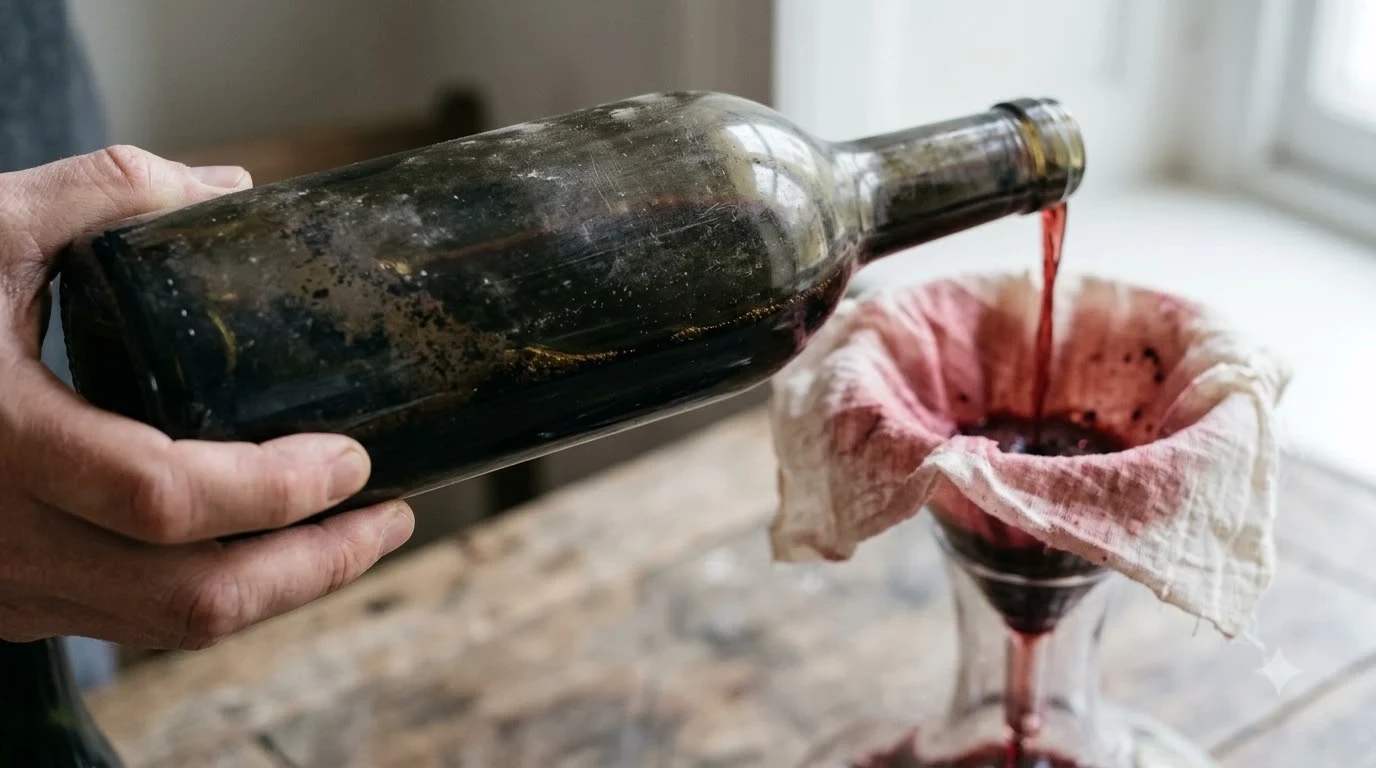
Apothic dark wine is a California red blend known for its smooth body and dark, sweet-leaning fruit flavors. It is made by Gallo, the large family-owned winery based in Modesto, California. Retailers describe its profile with notes of prune, floral aromas and a smoky finish.
This guide explains what Apothic Dark tastes like, who makes it, and how it compares with other popular red blends. It also covers food pairings, serving temperature and storage, so you can decide whether this bottle suits your table.
What Is Apothic Dark Wine?
Apothic Dark is a red wine blend sold in the American market as a smooth, full-bodied option. It sits within the broad family of red blends, which combine several grape varieties rather than relying on one. Blends like this are popular because a winemaker can balance fruit, structure and softness across the bottle.
The product listings for Apothic Dark Red describe it as full-bodied and smooth, with flavors that include floral, prune and smoky notes. The listing also states that the wine is made in California, United States. Those descriptors give you a clear starting point before you open a bottle.
Because the name uses the word dark, many shoppers expect a heavy, inky wine. In practice, the brand aims for a rounder, softer style. If you prefer very dry or very tannic reds, you may find it more approachable than you expected, though taste is personal.
Who Makes Apothic Dark and Where It Comes From
Apothic Dark is produced by Gallo, which also makes many other familiar wine labels. Knowing the producer helps you understand the brand’s approach to consistency and wide distribution across the country.
According to the Gallo winery entry on Wikipedia, the company was founded in 1933 and is headquartered in Modesto, California. It describes Gallo as the largest family-owned winery in the United States. The same entry notes that the company markets wine under more than 100 labels beyond its main family brand.
The grape sourcing for Apothic Dark is not spelled out in the product listings used for this guide. Labels on the bottle and the producer’s own website are the best places to confirm the vintage, region and grape breakdown. Stores also post current details that can change from year to year.
Flavor Profile and Sweetness Level
Apothic Dark is generally described as dark-fruited and smooth, with a soft mouthfeel. The flavor descriptors in retail listings point to prune, floral aromas and smoky notes. Together, these give the wine a rich character without the sharp edges some dry reds have.
Sweetness is the question many buyers ask first. Retail listings do not state a residual sugar figure, so the safest way to describe the wine is as sweet-leaning compared with classic dry reds. Expect ripe fruit and a round finish rather than a tart, drying sensation on the palate.
Compare this with the sister wine from the same family. The LCBO listing for Apothic Red lists dark fruit, fig and floral flavors. Both wines share a plush, smooth style, but the dark and red bottlings lean toward different fruit notes.
How Apothic Dark Compares to Other Red Blends
Apothic Dark sits in the crowded middle of the American red blend category. It is usually more fruit-forward and softer than a traditional dry Bordeaux-style blend, and it is less austere than many reds from cooler regions.
| Feature | Apothic Dark | Typical dry red blend | Typical sweet-leaning red |
|---|---|---|---|
| Main flavor notes listed | Floral, prune, smoky | Dark fruit, earth, oak spice | Jammy fruit, red berry |
| Body and texture | Full-bodied and smooth | Medium to full with firm tannin | Soft and round |
| Sweetness impression | Sweet-leaning | Dry | Sweet |
| Best first use | Relaxed evenings and casual dinners | Serious food pairings and aging | Dessert-style or party pours |
The table is a general guide rather than a ranking. If you like wines that feel velvety and fruit-driven, Apothic Dark fits that preference. If you want a firm, dry red for steak or aged cheese, a different style will serve you better.
Shoppers who enjoy the brand often explore the wider Apothic range next. The Apothic White bottling offers a lighter, fruit-forward option for warmer days. You can also read about other family-produced labels in the wine brands guide.
Food Pairings for Apothic Dark
Pairing works best when the wine’s sweetness and smoky notes meet food with some richness or salt. The smoothness of the wine means it rarely overwhelms milder dishes, but it can clash with very delicate seafood.
- Grilled or barbecued meats, where the smoky notes echo the char on the food
- Burgers, sausages and roasted pork shoulder
- Aged cheddar, gouda and salty cured meats
- Mushroom pasta or savory tomato-based sauces
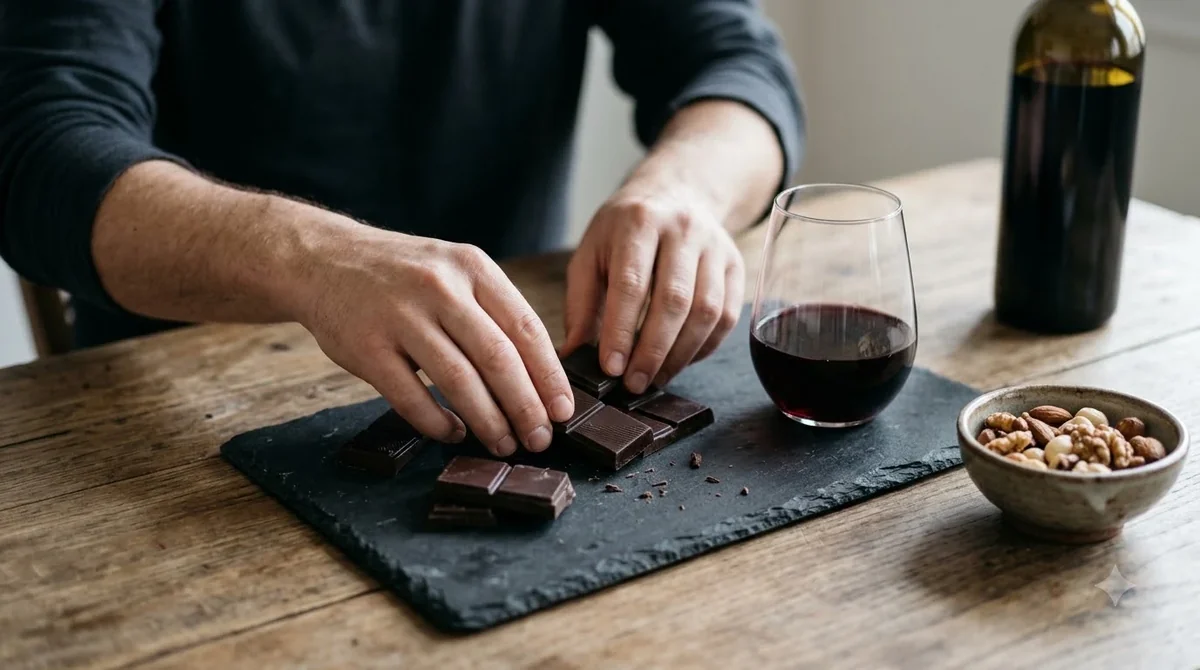
- Dark chocolate desserts, where the prune and dark fruit flavors feel natural
Keep spicy dishes in mind as well. A sweeter red can soften heat from chili, but very hot food can make any wine taste flat. Try a small pour with your meal, then adjust your choices based on how the flavors interact.
When you serve the wine with dessert, choose a rich dark chocolate or a fruit-based dish. Avoid pairing it with very sour foods, since acidity can make a smooth red taste thin. Drinking with food also helps you pace yourself and enjoy the wine responsibly.
Serving Temperature and Storage Tips
Serving temperature changes how a red tastes, and the right approach depends on the style. A slightly cool red shows freshness, while a red served too warm can taste heavy and alcoholic. For a smooth, fruit-forward blend, a light chill is often a good target.
- Store the bottle on its side in a cool, dark place if you plan to keep it for a short time.
- About 30 minutes before serving, move the bottle to the refrigerator if it has been sitting in a warm room.
- Pour into a medium-sized glass with room to swirl, which helps the aromas open.
- Let the wine rest in the glass for a few minutes so the flavors settle.
- Recork any leftover wine and keep it refrigerated, then drink it within a few days for the best flavor.
Check the bottle label or the producer’s website for storage guidance specific to your vintage. Storage advice for red wine is generally similar across styles, but labels sometimes include details you should follow. Avoid leaving the bottle in a hot car or near a heat source.
Tip: If the wine tastes heavy, a short chill in the refrigerator often brings the fruit forward. Serve smaller pours and drink water alongside, so the evening stays enjoyable.
Frequently Asked Questions
Is Apothic Dark a sweet wine?
Apothic Dark is generally described as sweet-leaning and smooth rather than bone dry. Its flavor notes of prune and floral aromas add to that impression. If you prefer very dry reds, taste a small pour first to see whether the style suits you.
Who makes Apothic Dark wine?
Apothic Dark is made by Gallo, a family-owned winery based in Modesto, California. The company was founded in 1933 and produces many wine labels. Check the bottle for the exact producer and bottling details.
Should Apothic Dark be served chilled or at room temperature?
A light chill is often the better choice for a smooth, fruit-forward red. Serving it too warm can make the wine taste heavy. A short time in the refrigerator before pouring usually gives a balanced glass.
What foods go well with Apothic Dark?
Grilled meats, burgers, aged cheddar and mushroom pasta are good matches. Dark chocolate desserts also pair well with its dark fruit notes. Avoid very sour dishes, since acidity can make a smooth red taste thin.
Apothic Dark suits anyone who wants a smooth, fruit-driven red for casual meals. Compare it with the brand’s other bottlings, and confirm details on the label before you buy. For more background, explore the 14 Hands Hot to Trot wine guide to see how another popular red compares.
More in Wine Brands
 Underwood Wine Price: Compare Bottles, Cans, and Pack SizesUpdated Nov 21, 2026
 Zenato Wine Price: Compare Styles and Choose the Right BottleUpdated Nov 21, 2026
 Zuccardi Wine Price: Compare Bottles and Find the Right RangeUpdated Nov 21, 2026
 Yellow Tail Moscato Review: Taste, Sweetness and Serving TipsUpdated Nov 21, 2026
 Wolf Blass Yellow Label Review: Choose Your Best StyleUpdated Nov 21, 2026
 Wolffer Estate Rose Review: Choose the Right Bottle for Your TableUpdated Nov 21, 2026