

We may earn a commission when you buy through links on this page, at no extra cost to you. Learn more.
The picolit grape is an ancient white wine variety native to northeastern Italy’s Friuli-Venezia Giulia region, celebrated for producing rare, golden sweet wines under the Colli Orientali del Friuli Picolit DOCG designation. Because the vine suffers from a natural pollination issue called floral abortion, its grape clusters develop with only a few tiny, sugar-concentrated berries. Winemakers typically dry these hand-harvested bunches after picking to craft aromatic dessert wines layered with acacia honey, apricot, white flowers, and toasted almond.
Once poured at the tables of European royalty and clergy, Picolit nearly vanished after phylloxera devastated vineyards across Europe in the late nineteenth century. Today, dedicated growers in the hills around Udine keep this low-yielding variety alive, producing small-format bottles prized by collectors and sommeliers who appreciate sweet wines with vibrant acidity rather than cloying heaviness.
What Is the Picolit Grape?
Picolit is a white-berried Vitis vinifera grape indigenous to Friuli, taking its name from the Friulian and Italian word for “small” in reference to both its tiny berries and minuscule yields. Viticulturists have cultivated the variety in northeastern Italy since at least Roman times, and by the eighteenth century, Picolit dessert wines were prized across royal courts in Vienna, Paris, and London.
What sets the picolit grape apart biologically is a genetic tendency toward floral abortion, known in viticulture as coulure. During flowering, many blossoms fail to fertilize properly and drop off the vine before fruit set. Instead of forming tight, heavy bunches, each cluster ends up sparse and straggly, carrying only a fraction of the berries found on neighboring varieties like Friulano or Ribolla Gialla.
While low yields challenge growers economically, they create extraordinary natural concentration in the remaining fruit. Every berry receives a disproportionate share of the vine’s energy, ripening with thick skins, intense aromatic precursors, and high natural sugar levels alongside firm structural acidity. When browsing Wine by Type, Picolit stands apart as one of Italy’s most distinctive traditional sweet white grapes.
Flavor Profile and Winemaking Styles
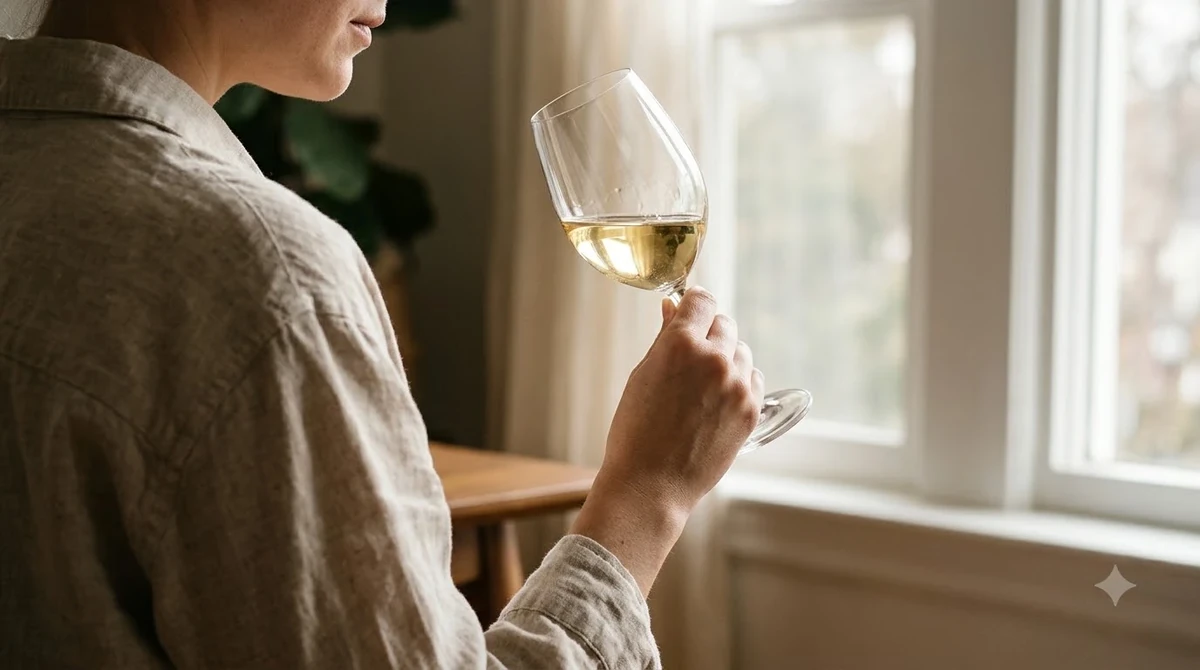
In the glass, Picolit pours a luminous straw-gold to deep amber hue, offering an expressive bouquet of wildflowers, acacia honey, dried apricot, and sweet almond. Unlike syrupy fortified wines, its sweetness is framed by lively acidity and a subtle savory, mineral edge that keeps the finish clean and focused.
Most producers craft Picolit using the passito method, also called appassimento. Because the grapes are delicate and prone to damage, workers harvest the sparse clusters by hand in October and lay them out in well-ventilated drying rooms on wooden racks or ventilated crates. Over several weeks, the berries slowly dehydrate, losing water weight while concentrating sugars, acids, and floral compounds.
After gentle pressing and temperature-controlled fermentation, winemakers take two main approaches to aging. Stainless-steel fermentation and maturation preserve crisp white-blossom aromas of jasmine, freesia, and golden apple. Other estates age the wine in small French oak or acacia barrels, introducing warm notes of vanilla, caramel, dried fig, and roasted chestnut. Critics at VinePair have highlighted top examples for balancing notes of caramel, pear brandy, and almonds with a focused, vibrant palate.
Across the border in Slovenia’s Goriška Brda region—where the grape is spelled Pikolit—a handful of winemakers also experiment with dry, full-bodied table wines. In Friuli itself, however, regulatory rules and tradition keep the focus firmly on sweet styles, with standard bottlings reaching around 13 percent to 14 percent alcohol by volume.
Where the Picolit Grape Grows
The picolit grape is overwhelmingly concentrated in the eastern hills of Friuli-Venezia Giulia, particularly within the Colli Orientali del Friuli zone near the Slovenian border. Here, vineyards climb steep, terraced slopes situated between the Julian Alps to the north and the Adriatic Sea to the south.
This geography creates an ideal microclimate for late-ripening, delicate white varieties. Cool Alpine breezes sweep down at night to lock in crisp natural acidity, while warm, dry Adriatic air circulates through the hillsides during the day, reducing the risk of rot as grapes hang late into autumn. Beneath the vines lies Friuli’s signature ponca soil—an Eocene-era marl and sandstone flysch that drains quickly and forces vine roots deep underground, imparting a distinct stony minerality.
Recognizing its historical prestige and singular terroir, Italian authorities elevated the wine to Colli Orientali del Friuli Picolit DOCG status starting with the 2006 harvest, making it the second DOCG appellation in Friuli-Venezia Giulia. Under DOCG rules, wines must contain at least 85 percent Picolit—though most producers bottle 100 percent varietal expressions—and cannot be released until September 1 of the year following harvest.
Within the appellation, the tiny Cialla subzone in the commune of Prepotto holds special distinction. Cialla regulations mandate 100 percent Picolit fruit, a higher minimum potential alcohol level of 14 percent, and strict geographic boundaries. Only wines from Cialla may carry the Riserva designation, which requires at least four years of maturation before release. Neighboring Collio Goriziano DOC also permits Picolit bottlings, though total annual production across all of Friuli remains tiny—roughly 130,000 to 150,000 bottles a year, mostly in 375ml or 500ml formats.
How to Serve Picolit
Serving Picolit at the proper temperature allows its delicate floral aromatics to shine without letting sweetness overwhelm the palate. Aim for a cool cellar chill of 50°F to 56°F (10°C to 14°C), slightly warmer than you would serve a crisp, dry Pinot Grigio.
If a bottle comes straight out of a standard kitchen refrigerator, let it sit on the counter for 15 to 20 minutes before pouring. Serving Picolit ice-cold mutes its nuanced notes of acacia honey, white blossoms, and stone fruit, while serving it at room temperature can make the alcohol and residual sugar feel heavy. A small tulip-shaped white wine glass or dedicated dessert wine glass works best to concentrate the bouquet.
Tip: Picolit rarely needs decanting, though giving a young vintage 10 to 15 minutes in the glass helps layered aromas of dried apricot, almond, and wildflower open up gradually.
Because Picolit is rich in natural sugar and acidity, an opened bottle keeps remarkably well compared to dry white wines. Re-cork the bottle tightly and store it upright in the refrigerator, where it will stay fresh and expressive for up to one to two weeks.
Best Food Pairings for Picolit
Picolit excels alongside savory, salty foods where its honeyed richness creates a classic sweet-and-salty contrast, as well as lightly sweet desserts that do not overpower the wine. In Friuli, locals frequently pour Picolit as a “vino da meditazione”—a contemplative wine sipped slowly on its own at the end of a meal—or pair it with regional cheeses and pastries.
| Pairing Category | Recommended Dishes | Why It Works |
|---|---|---|
| Blue and Aged Cheeses | Gorgonzola Dolce, Roquefort, aged Montasio, Parmigiano-Reggiano | Saltiness and sharp umami cut through residual sugar while creamy textures mirror the wine’s velvety mouthfeel. |
| Rich Savory Starters | Foie gras, chicken liver pâté, San Daniele prosciutto with figs | High acidity cleanses the palate after rich fats, while honey and apricot notes echo savory-sweet charcuterie flavors. |
| Nutty and Fruit Pastries | Almond biscotti, apple strudel, apricot tart, Friulian gubana | Toasted almond and stone-fruit aromatics match the baked nuts and dried fruits without clashing in sweetness. |
| Custards and Cream Desserts | Vanilla panna cotta, zabaglione, ricotta tart | Delicate dairy sweetness complements oak-aged vanilla notes while bright acidity prevents palate fatigue. |
When pairing Picolit with dessert, follow a fundamental sommelier rule: ensure the wine is at least as sweet as the dish on the plate. Avoid pairing Picolit with dark chocolate, bitter espresso desserts, or heavily frosted cakes, as intense bitterness or excessive sugar can make the wine taste thin and overly tart.
How to Choose a Bottle of Picolit
Because total production is small and yields are naturally restricted, shopping for Picolit requires paying close attention to appellation details, bottle size, and producer style. Most reputable bottles carry the Colli Orientali del Friuli Picolit DOCG neck strip, which guarantees authentic origin, strict yield limits, and adherence to aging minimums.
Start by checking the label for subzone and aging cues. Bottlings labeled simply Colli Orientali del Friuli Picolit DOCG tend to highlight pure floral, citrus-blossom, and fresh apricot character, especially when aged primarily in stainless steel or neutral vessels. If you prefer deeper complexity with notes of dried fig, caramel, and toasted hazelnut, look for oak-aged expressions or a Picolit Riserva from the Cialla subzone.
Pay attention to bottle format as well. Picolit is most commonly bottled in 375ml half-bottles or 500ml bottles rather than standard 750ml formats, making it easy to serve a four- to six-person dinner party without leftover wine. Look for respected Friulian estates known for indigenous varieties—such as Livio Felluga, Ronchi di Cialla, Rocca Bernarda, Vigna Petrussa, Perusini, and Girolamo Dorigo—as these producers consistently balance concentration with crisp regional acidity.
Just as carricante grape wines reflect the volcanic slopes of Mount Etna and baga grape reds showcase the Atlantic-cooled clay of Bairrada, a well-made Picolit captures the steep marl hillsides of eastern Friuli in every glass.
Frequently Asked Questions
Is Picolit always a sweet wine?
In Italy, virtually all Picolit is made as a sweet wine, and Colli Orientali del Friuli Picolit DOCG regulations apply exclusively to sweet styles. A very small number of producers across the border in Slovenia’s Goriška Brda make dry versions labeled Pikolit, though they are rare outside the region.
Why is Picolit so rare compared to other Italian white grapes?
Picolit suffers from floral abortion, a natural viticultural trait where most blossoms drop off the vine before forming berries. The resulting clusters are sparse and tiny, yielding a fraction of the juice produced by standard grapes and requiring careful hand-harvesting on steep hillsides.
How long can you age a bottle of Picolit?
Thanks to its high natural sugar concentration and brisk Friulian acidity, quality Picolit ages gracefully for 10 to 15 years in a cool, dark cellar. Over time, primary aromas of white flowers and fresh peach evolve into richer layers of dried apricot, honeycomb, caramel, and toasted nuts.
What is the difference between Picolit and Vin Santo?
Both are traditional Italian sweet wines often made by drying harvested grapes, but they differ in grape varieties, geography, and aging methods. Picolit comes from northeastern Friuli using the Picolit grape and emphasizes bright floral and stone-fruit purity, whereas Tuscan Vin Santo relies mainly on Trebbiano and Malvasia aged for years in small, sealed caratelli barrels that encourage oxidative, nutty flavors.
Whether poured alongside aged blue cheese or savored on its own after dinner, the picolit grape offers a direct taste of Friuli’s winemaking heritage. Seeking out a DOCG bottle from Colli Orientali del Friuli rewards curious wine drinkers with an unforgettable balance of floral perfume, honeyed depth, and vibrant mountain freshness.
More in Wine Types & Grapes
 Zinfandel Sugar Content: Dry Red vs. White Zinfandel GramsUpdated Nov 21, 2026
 Best Zinfandel Substitute Options for Sipping and CookingUpdated Nov 21, 2026
 Zweigelt Food Pairing: Best Dishes, Cheeses, and Serving TipsUpdated Nov 21, 2026
 Zinfandel Tannins Explained: How Structure Shapes Every BottleUpdated Nov 21, 2026
 Zinfandel Sweetness Level: Dry Red vs. Sweet White Zin ExplainedUpdated Nov 21, 2026
 Xinomavro Food Pairing: Best Dishes, Styles, and Serving TipsUpdated Nov 21, 2026