


We may earn a commission when you buy through links on this page, at no extra cost to you. Learn more.
This penfolds wine review finds that Penfolds is a strong choice for drinkers seeking structured Australian wines, generous fruit flavors and bottles with genuine aging potential. Its collection ranges from approachable Shiraz and Cabernet blends to prestigious wines such as Grange, alongside Chardonnay, Riesling and Pinot Noir. The best bottle depends on your budget, preferred grape variety, desired drinking window and willingness to cellar wine.
Penfolds is one of Australia’s most recognizable wine producers, with a history dating to 1844 and a portfolio that extends well beyond its famous Shiraz. Its reputation rests on consistent winemaking, careful grape selection and a distinctive house style that combines concentrated fruit with structure and oak influence. However, the collection is large enough that choosing a bottle without understanding the different ranges can be confusing. This guide explains what distinguishes the major wines, which bottles make sensible starting points and what to consider before purchasing.
Who This Is For: Understanding the Penfolds Wine Collection
Penfolds is particularly suitable for wine drinkers who appreciate expressive Australian fruit, recognizable grape varieties and wines that offer more structure than simple everyday reds. Its collection includes options for casual dinners, special occasions, serious collectors and people exploring premium Australian wine for the first time.
The winery began in 1844 when Dr. Christopher and Mary Penfold established their vineyard at Magill Estate near Adelaide in South Australia. Its early production included fortified wines, reflecting the drinking preferences of the period. Over time, the business developed a broader portfolio, with dry red wines becoming central to its international reputation. The producer’s official history of Penfolds documents the development from its original vineyard through the introduction of its famous Bin wines.
A major turning point came through winemaker Max Schubert and his development of Grange. Following a research trip to Bordeaux in 1950, Schubert pursued the idea that Australian red wine could achieve exceptional complexity and age for decades. His experiments helped establish the philosophy that connects many Penfolds wines today: carefully selected fruit, purposeful blending and a consistent stylistic identity.
That history matters because Penfolds is not simply a Shiraz producer. Its portfolio includes Cabernet Sauvignon, Cabernet-Shiraz blends, Grenache-based wines, Pinot Noir, Chardonnay, Riesling, fortified wines and Champagne. Different bottles serve different purposes, so the producer’s reputation alone should not determine your purchase.
The collection is especially relevant to four types of buyers:
- New Australian wine drinkers: Those interested in discovering concentrated Shiraz and recognizable South Australian blends.
- Everyday premium wine buyers: People looking for a dependable bottle for weekend dinners, entertaining or gifts.
- Cabernet and Shiraz enthusiasts: Drinkers who enjoy firm tannins, dark fruit, oak influence and structured finishes.
- Collectors: Buyers interested in Grange, Bin 707 and other wines with established aging reputations.
Penfolds also makes sense for Chardonnay and Riesling drinkers who want to explore Australian white wine. The Adelaide Hills and Eden Valley contribute to different parts of its white wine portfolio, demonstrating that the producer’s approach is not restricted to warm-climate reds.
One important distinction is that Penfolds has multiple quality and stylistic categories. A relatively accessible bottle and a flagship wine may share recognizable house characteristics, but they are not intended to deliver the same level of concentration, complexity or cellar development. Choosing the right category is more useful than automatically reaching for the most prestigious label.
Key Factors to Compare Before Buying Penfolds Wine
The most useful comparisons are grape variety, blend composition, regional sourcing, oak influence and intended drinking window. These factors explain why two Penfolds bottles can taste substantially different despite sharing the same producer name.
The following table summarizes the principal wines and styles that help buyers understand the collection. These are established wine identities rather than a ranking in which a larger Bin number automatically means better quality.
| Wine or range | Main grape or style | Typical character | Best suited to |
|---|---|---|---|
| Koonunga Hill | Shiraz and Cabernet-based wines | Approachable fruit and everyday structure | Casual drinking and first purchases |
| Bin 28 | Shiraz | Ripe dark fruit, firm tannins and warm-climate richness | Shiraz enthusiasts and hearty meals |
| Bin 389 | Cabernet Sauvignon and Shiraz | Structured, generous and oak-influenced | Special dinners and cellar development |
| Bin 407 | Cabernet Sauvignon | Concentrated Cabernet fruit and firm structure | Cabernet drinkers |
| Bin 707 | Cabernet Sauvignon | Flagship-style Cabernet with substantial structure | Collectors and special occasions |
| Grange | Shiraz-led red wine | Concentrated fruit, complexity and aging potential | Premium collectors and milestone occasions |
| St Henri | Shiraz | Distinctive Shiraz expression with a different oak approach from Grange | Drinkers seeking an alternative premium Shiraz style |
| Bin 311 | Chardonnay | White wine with fruit definition and freshness | Chardonnay enthusiasts |
| Bin 51 | Eden Valley Riesling | Fresh, aromatic and high in acidity | Seafood and lighter meals |
| Bin 23 | Pinot Noir | Red-fruited, lighter-bodied profile | Drinkers who prefer less tannic reds |
These categories offer a useful starting point, but the individual vintage still matters. Weather conditions influence ripeness, concentration and acidity, while blending decisions can change the proportions of different vineyard sources. A particular release may therefore feel more structured, fruit-forward or immediately approachable than another release of the same wine.
For example, a professional review of the 2024 Bin 389 describes a blend containing 53% Cabernet Sauvignon and 47% Shiraz. The wine draws fruit from Coonawarra, Barossa Valley, McLaren Vale and Padthaway. Its reviewed maturation included 13 months in American oak hogsheads, with 34% new oak. Those details illustrate why Bin 389 can combine Cabernet structure with Shiraz richness rather than tasting like a straightforward single-variety wine.
Regional sourcing is another important consideration. Barossa Valley is associated with several prominent Penfolds reds, while Coonawarra is particularly relevant to Cabernet Sauvignon. Cooler Adelaide Hills conditions support Chardonnay and Pinot Noir, while Eden Valley is known for Riesling.
Penfolds uses multi-region sourcing to pursue a particular wine style rather than requiring every bottle to express one vineyard alone. This approach helps explain the consistency associated with its house style, although it means buyers looking specifically for a single-vineyard expression should pay attention to the wine’s regional designation.
For further background on the range, the Penfolds wine collection overview provides another useful starting point before comparing individual labels.
Oak influence also deserves attention. American oak can contribute vanilla, sweet spice and toasted characteristics, while new and previously used barrels affect the intensity of those flavors. Penfolds does not use one identical maturation recipe across every wine, so a Cabernet-Shiraz blend and a premium Shiraz should not automatically be expected to have the same oak profile.
Step-by-Step: How to Choose the Right Penfolds Bottle
A sensible buying process starts with the flavor profile you already enjoy, then narrows the selection according to occasion, food and drinking timeline. You do not need to begin with Grange to appreciate the producer’s winemaking identity.
-
Decide whether you want red or white wine.
Start with Shiraz or Cabernet Sauvignon if you enjoy substantial red wines. Choose Chardonnay for a fuller white wine experience, Riesling for more pronounced acidity or Pinot Noir for a lighter red. This first decision eliminates a large part of the portfolio.
-
Choose the grape variety according to your taste.
Cabernet Sauvignon generally provides firmer tannins and blackcurrant character. Shiraz tends to offer richer dark fruit and spice. Pinot Noir usually has lower to medium tannin and higher acidity, making it a useful alternative for drinkers who find powerful Australian reds too heavy.
-
Set the occasion.
For an ordinary dinner, a more accessible Penfolds red can be sufficient. For a celebration, Bin 389 or another premium selection may offer more complexity. Grange is better approached as a deliberate special-occasion or collecting purchase rather than an automatic choice for every meal.
-
Consider your food pairing.
Shiraz works particularly well with grilled beef, lamb and smoky barbecue. Cabernet Sauvignon suits roasted beef and hard cheeses. Chardonnay can accompany roast chicken and creamy dishes, while Riesling is useful with seafood and spicy food because its acidity refreshes the palate.
-
Consider whether you want to drink the bottle soon.
Some Penfolds wines are intended for relatively early enjoyment, while others benefit from extended cellaring. If you want to open the bottle within days of purchasing it, favor an approachable release rather than buying a structured wine solely because it has a strong reputation for aging.
-
Compare the vintage and bottle condition.
Vintage differences influence wine quality and development. For older bottles, storage history, fill level, cork condition and provenance can matter as much as the producer’s reputation. A poorly stored collectible bottle is not necessarily a better purchase than a properly preserved younger release.
-
Match the wine to your experience level.
If you are unfamiliar with concentrated Australian reds, begin with a more approachable Shiraz or Cabernet blend. Once you understand how you respond to tannin, fruit intensity and oak, move toward more structured wines such as Bin 389, Bin 707 or Grange.
This process prevents a common purchasing mistake: confusing prestige with personal preference. A collector may appreciate Grange’s complexity and long-term development, while another drinker may consistently prefer the more immediately generous character of Bin 28.
Tip: If you are buying your first Penfolds bottle, start by comparing Bin 28 and Bin 389. Both demonstrate the producer’s recognizable red wine identity, but Bin 28 focuses on Shiraz while Bin 389 combines Cabernet Sauvignon and Shiraz. This is a practical way to discover which structure and flavor profile you prefer before moving into the flagship category.
For someone who already enjoys Australian Shiraz, comparing the different Penfolds red wine options is particularly helpful. It allows you to move from a familiar grape toward more complex blends without treating every premium label as interchangeable.
Types and Styles Explained: Bin 28, Bin 389, Grange and Beyond
Penfolds wines cover several distinct styles, from approachable Shiraz to structured Cabernet and premium blended reds. Understanding the differences between the major labels is the easiest way to identify which bottles match your preferences.
Bin 28: A Shiraz-Focused Introduction
Bin 28 is one of the most recognizable Penfolds Shiraz wines. First made in 1959, it originally drew on the Kalimna vineyard in the Barossa Valley. Its modern identity is based on multi-region sourcing, with Barossa fruit remaining an important part of the blend.
The style emphasizes warm-climate Shiraz character. Expect a general profile built around dark berries, ripe fruit, spice and firm tannins. Its generous palate makes it a natural match for grilled steak, roasted lamb and dishes with rich sauces.
Bin 28 is particularly useful for buyers who want a recognizable Australian Shiraz without immediately entering the highest-priced collectible categories. It also offers a straightforward introduction to Penfolds’ blending philosophy.
Bin 389: Cabernet Structure Meets Shiraz Richness
Bin 389 is among the most distinctive wines in the collection because it combines two important Australian red wine varieties. Cabernet Sauvignon contributes structure and tannin, while Shiraz provides dark fruit richness and a fuller mid-palate.
First produced in 1960 by Max Schubert, Bin 389 is frequently called Baby Grange. The nickname partly reflects the use of barrels that previously held Grange for portions of the wine’s maturation. However, Bin 389 has its own identity and should not be treated as a cheaper version of precisely the same wine.
Its structure makes it suitable for grilled beef, roast lamb, venison and mature hard cheeses. A young, particularly structured bottle may benefit from 30 to 60 minutes of decanting, allowing the wine to open before serving.
A useful example of the vintage-specific differences is the 2024 release. K&L Wine Merchants’ 2024 Bin 389 review describes a Cabernet-dominant blend with dark berry fruit, baking spice, licorice and dark chocolate characteristics. Its review also discusses the wine’s structured tannins and potential for further development in the cellar.
For a more detailed look at this important wine, the Penfolds Grange comparison can help explain how the flagship differs from other members of the collection.
Grange: The Flagship Shiraz
Grange occupies the most prestigious position in the Penfolds collection. Its origins are connected to Max Schubert’s ambition to create Australian red wine capable of developing over many years in the bottle.
The wine is Shiraz-led and follows a multi-region philosophy, with fruit selected according to the vintage and desired style. Its profile is generally associated with substantial concentration, dark fruit, integrated oak, firm structure and considerable aging potential.
Grange is most appropriate for experienced drinkers, collectors and special occasions. Its reputation does not mean every buyer should choose it. Those who prefer lighter reds, immediate drinkability or simple fruit-driven wines may find it unnecessarily powerful.
Bin 407 and Bin 707: Cabernet Sauvignon Options
Penfolds also has a significant Cabernet Sauvignon portfolio. Bin 407 offers buyers a Cabernet-focused alternative to Shiraz and Cabernet-Shiraz blends. Its appeal is based on the variety’s recognizable structure and dark fruit character.
Bin 707 occupies a more prestigious position. First produced in 1964, it is a 100% Cabernet Sauvignon wine associated with a winemaking approach related to Grange. It is intended for drinkers who appreciate concentrated Cabernet rather than Shiraz-led richness.
St Henri: An Alternative Premium Shiraz
St Henri deserves attention because it provides a different interpretation of premium Penfolds Shiraz. Although it shares the broader producer identity, it should not be confused with Grange or assumed to follow an identical oak and maturation approach.
It is an interesting choice for experienced Shiraz drinkers who want to compare different expressions of the same grape. Comparing St Henri and Grange side by side can help reveal how winemaking decisions influence texture, fruit expression and the relationship between oak and wine.
White Wines and Lighter Reds
Penfolds also offers alternatives for drinkers who do not want a powerful red. Bin 311 Chardonnay represents its white wine portfolio, while Bin 51 highlights Eden Valley Riesling. Bin 23 Pinot Noir provides a lighter-bodied red option.
These wines are important because they show that Penfolds is not limited to the rich Shiraz style for which it is most famous. A Riesling drinker may appreciate the freshness and acidity of Bin 51, while Pinot Noir enthusiasts may prefer Bin 23 to a heavily structured Cabernet.
The broader wine brands category is useful for comparing Penfolds with other established international producers and understanding how Australian wine styles differ from those of Bordeaux, Burgundy and other regions.
Common Mistakes When Buying Penfolds Wine
Most disappointing purchases happen because buyers assume all Penfolds wines taste alike or choose a bottle based only on its label and reputation. Paying attention to grape variety, vintage and drinking window can prevent these mistakes.
Assuming Every Bin Number Indicates a Quality Ranking
The word Bin comes from historical cellar storage identification. It is not a universal grading system in which Bin 707 must always be better than Bin 28 or Bin 389. The numbers identify individual wines with their own histories and intended styles.
For example, Bin 28 is a Shiraz, while Bin 389 is a Cabernet-Shiraz blend. Their different compositions explain their different drinking experiences. Choosing between them should begin with flavor preference rather than the numerical label.
Thinking Bin 389 and Grange Are the Same Wine
The Baby Grange nickname can create unrealistic expectations. Bin 389 shares historical connections with Grange, including the use of previously used Grange barrels, but it is a separate wine with a different blend and its own production identity.
Grange is a flagship Shiraz-led wine, whereas Bin 389 combines Cabernet Sauvignon and Shiraz. Buyers who prefer Cabernet structure may actually find Bin 389 more appealing, even if Grange has greater prestige.
Ignoring Vintage Differences
Wine is an agricultural product, and growing conditions change between harvests. Temperature, rainfall and harvest timing influence grape ripeness, acidity and concentration. Consequently, two vintages of Bin 28 or Bin 389 may show noticeable differences.
Older bottles also require more attention to storage history. A wine that has spent years in excessive heat can lose freshness and develop prematurely. Buying an older vintage without knowing how it was stored introduces unnecessary uncertainty.
Choosing a Powerful Red for the Wrong Meal
Full-bodied Shiraz and Cabernet can overwhelm delicate dishes. A heavily tannic red is generally less suitable for oily fish, lightly seasoned seafood and subtle vegetable dishes than a fresher white wine.
Salt and fat can soften the perception of tannin, which is why rich meat dishes work well with structured reds. However, strong chili heat can become more pronounced with alcoholic, tannic wines. For spicy meals, a fresher Riesling may provide a more comfortable pairing.
Opening a Collectible Wine Too Early or Too Late
A wine’s ability to age does not mean it should remain unopened indefinitely. Some bottles develop additional complexity over decades, while others are designed for earlier drinking. Buyers should distinguish between the wine’s potential and their personal preference for mature flavors.
Young, concentrated reds can initially seem firm and closed. Decanting may improve their immediate presentation, but it does not replace years of bottle development. Older wines can also be fragile, so extended exposure to air is not automatically beneficial.
Buying Based Only on Prestige
A famous label can be appealing, especially when choosing a gift, but the recipient’s taste remains important. Someone who enjoys light Pinot Noir may not appreciate a powerful Grange, while a Cabernet enthusiast may find a Shiraz-only wine less satisfying.
For a gift, consider the recipient’s preferred grape, food preferences and interest in collecting. A thoughtfully chosen bottle from a less prestigious category can be more enjoyable than an expensive wine that does not suit the occasion.
Care and Storage Tips for Penfolds Wines
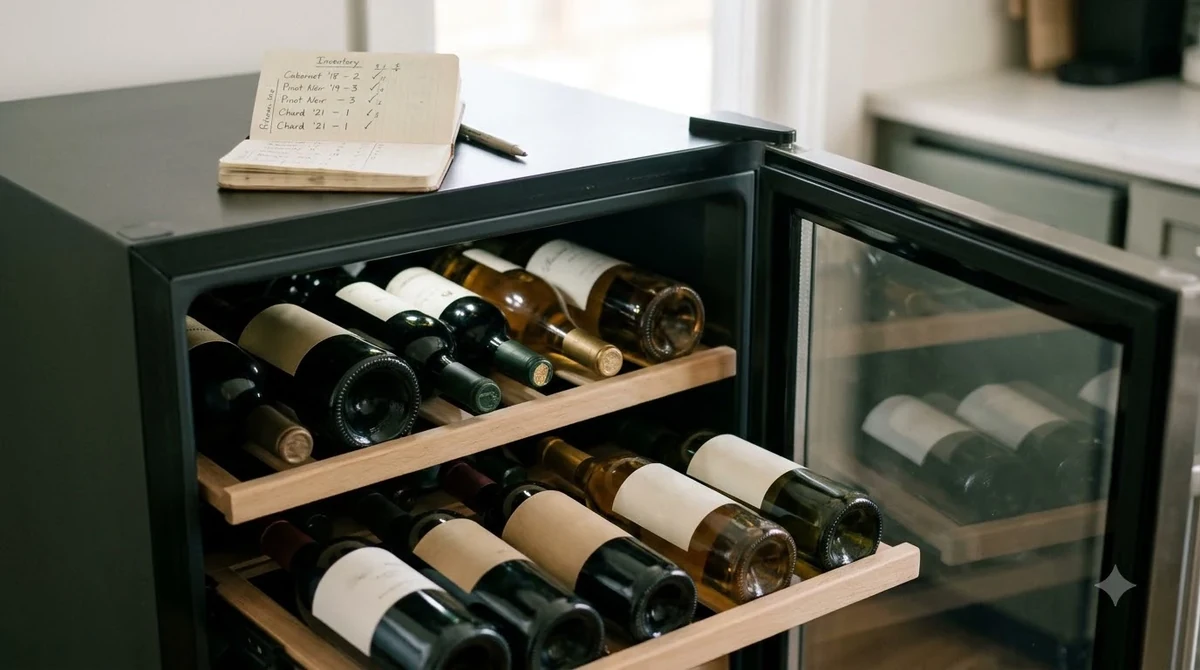
Proper storage protects the fruit, structure and aging potential that make Penfolds wines attractive to collectors. Temperature stability, limited light exposure and careful serving are more important than complicated cellar equipment.
Store Bottles at a Stable Temperature
A storage temperature near 55°F is a useful target for long-term wine storage. Avoid locations that experience repeated temperature changes, such as kitchen cupboards near ovens, garages exposed to summer heat or shelves beside heating equipment.
Excessive heat can accelerate wine development and damage freshness. Temperature stability is more important than trying to reproduce a perfect cellar environment for a short period.
Keep Bottles Away From Light and Vibration
Direct sunlight and strong artificial light can negatively affect wine quality. Store bottles in a dark cupboard, wine refrigerator or suitable cellar away from windows and direct heat sources.
Repeated vibration is also undesirable for wines intended for extended storage. Choose a stable shelf or wine rack rather than a location near equipment that produces continuous movement.
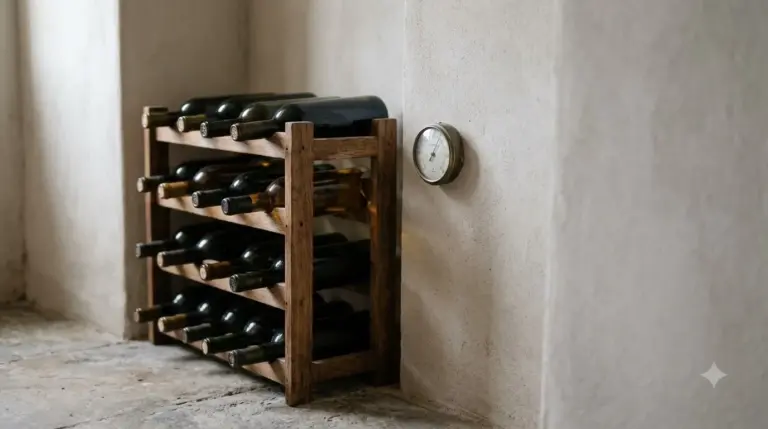
Store Cork-Sealed Bottles on Their Sides
For long-term storage, traditional cork-sealed bottles are generally kept horizontally so the cork remains in contact with the wine. This helps reduce the risk of the cork drying out.
Closure type can vary across Penfolds releases, so storage arrangements should take the actual bottle closure into account. Screw-cap wines do not require the same cork-moisture considerations.
Serve at the Appropriate Temperature
Temperature has a significant effect on the way wine expresses fruit, acidity, tannin and alcohol. Serving a full-bodied red too warm can make alcohol feel more pronounced, while serving it too cold can make tannins seem harder.
- Full-bodied reds: Serve around 60–65°F.
- Light-bodied reds: Serve around 55–60°F.
- Full-bodied whites: Serve around 50–55°F.
- Light whites: Serve around 45–50°F.
For a bottle of Bin 28, Bin 389 or Grange, serving around 60–65°F is a useful starting point. If the room is warm, briefly chilling the bottle before pouring can help maintain balance.
Use Suitable Glassware and Pour Sensible Servings
A large red wine glass gives structured reds room to release their aromas. Pour approximately 5 ounces at a time rather than filling the glass to the rim. A standard 750 ml bottle contains approximately five such servings.
Allowing room in the glass makes it easier to swirl and assess the wine. It also prevents the wine from warming too quickly in your hand.
Handle Opened Bottles Carefully
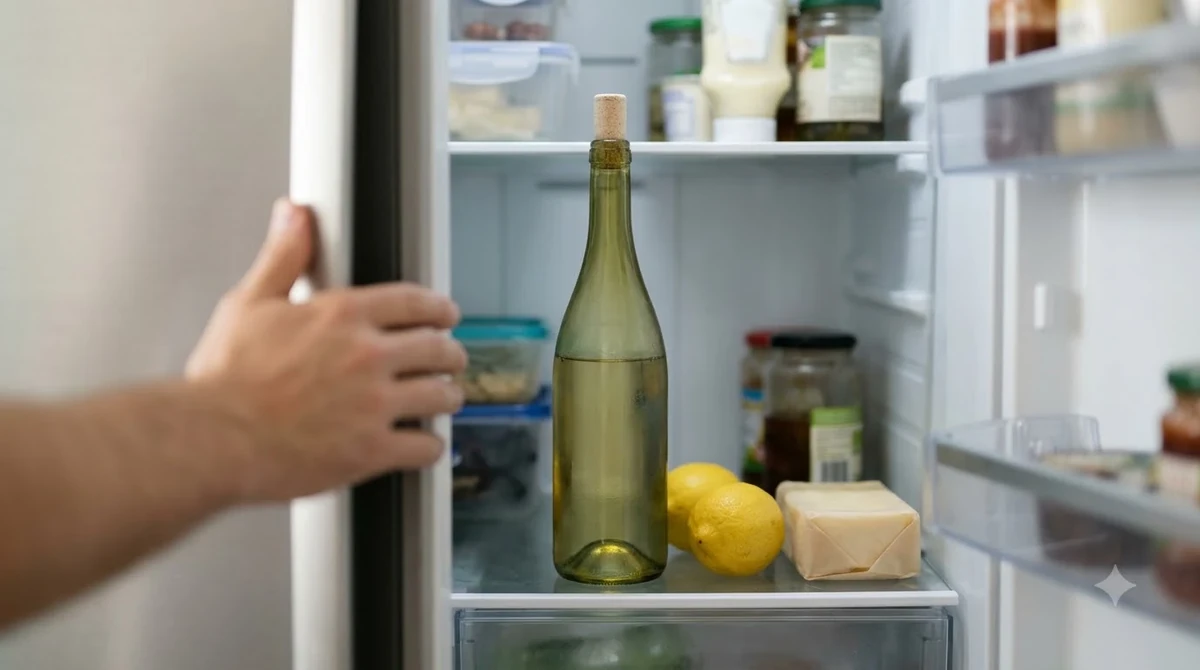
Once opened, still wines generally retain their best qualities for approximately three to five days when properly resealed and refrigerated. Even red wines benefit from refrigeration after opening because cooler temperatures slow oxidation.
Use a reliable stopper, return the bottle to the refrigerator and allow the wine to approach its appropriate serving temperature before pouring again. A wine preservation system can be useful for expensive bottles that will not be finished in one evening.
For collectors, storage records are also useful. Recording the purchase date, vintage, storage location and opening date makes it easier to manage a small collection and avoid leaving wines beyond their preferred drinking windows.
Frequently Asked Questions
Is Penfolds an Australian wine brand?
Yes. Penfolds was established in South Australia in 1844, with its original vineyard at Magill Estate near Adelaide. Its portfolio has since expanded internationally, including wines connected to France, the United States and China. Australia remains central to the producer’s identity.
What does the Penfolds red stamp represent?
The red stamp is a recognizable visual element of the Penfolds identity. The producer associates its label design with the shared house style connecting wines across its collection. It is not a separate quality certification or a guarantee that every bottle has the same flavor profile.
What is the difference between Magill Estate and Grange?
Magill Estate refers to Penfolds’ historic vineyard property near Adelaide, while Grange is a flagship wine produced using a broader fruit-selection philosophy. The Magill vineyard is associated with Shiraz, and selected parcels can contribute to Grange in suitable vintages. The two names therefore refer to different things: a vineyard and a wine.
Does Penfolds use screw caps?
Yes, closure choices can vary across the collection and individual releases. Some Penfolds bottles use cork, while others use screw caps. The closure is a practical purchasing consideration for buyers who have preferences about opening, storage or collecting wine.
Can Penfolds wine be purchased as a gift?
Yes. Penfolds offers several wine categories suitable for gifting, including recognizable red blends, premium Shiraz and white wine selections. Gift presentation can vary by release, and some wines are offered in special packaging. For a recipient who enjoys Australian red wine, Bin 389 is a particularly recognizable option.
Penfolds offers a broad collection of Australian wines, with Bin 28, Bin 389, Grange and its Cabernet Sauvignon selections providing distinct experiences for different preferences. Start with the grape variety and drinking occasion that suit you, then explore more prestigious bottles as your understanding of the house style develops. A well-matched Penfolds wine is a more rewarding purchase than simply choosing the most famous label.
More in Wine Brands
 Yellow Tail Big Bold Red Price and What Buyers GetUpdated Nov 21, 2026
 Winc Wine Price: Compare Bottle Costs and Membership PlansUpdated Nov 21, 2026
 Wolf Blass Wine Price: Compare Labels and Find the Right BottleUpdated Nov 21, 2026
 Winc Wine Review: Is Its Personalized Wine Subscription Worth Trying?Updated Nov 21, 2026
 Weinbach Wine Price: Compare Alsace Wines and Find the Right BottleUpdated Nov 21, 2026
 Trimbach Wine Price: Compare Styles and Bottle CostsUpdated Nov 21, 2026