

We may earn a commission when you buy through links on this page, at no extra cost to you. Learn more.
Orin Swift Papillon wine is a full-bodied California red blend built around the five classic Bordeaux grape varieties—Cabernet Sauvignon, Merlot, Cabernet Franc, Malbec, and Petit Verdot—crafted by Napa Valley winemaker Dave Phinney. Known for its unmistakable black-and-white label showing the word “PAPILLON” tattooed across a grape grower’s weathered knuckles, the bottle pairs a delicate French name meaning butterfly with dense, opulent dark fruit and velvety structure. Most vintages sit around 15.4% to 16.1% ABV and spend 13 months aging in French oak barrels.
Among contemporary California red blends, few bottles attract as much visual curiosity on a dining table or wine list as Papillon. While the label catches attention first, the wine inside reflects a deliberate winemaking philosophy rooted in Napa Valley mountain and valley-floor vineyards, blending structure, ripeness, and barrel spice into a rich, cellar-worthy style.
What Is Orin Swift Papillon Wine?
Orin Swift Papillon wine is a flagship Bordeaux-style red blend produced by Orin Swift Cellars in St. Helena, California, designed to unite all five traditional red Bordeaux cultivars in a single Napa Valley bottling. Rather than spotlighting a single grape, the blend relies on Cabernet Sauvignon as its structural backbone while weaving in Merlot, Cabernet Franc, Malbec, and Petit Verdot for aromatics, mid-palate plushness, and color.
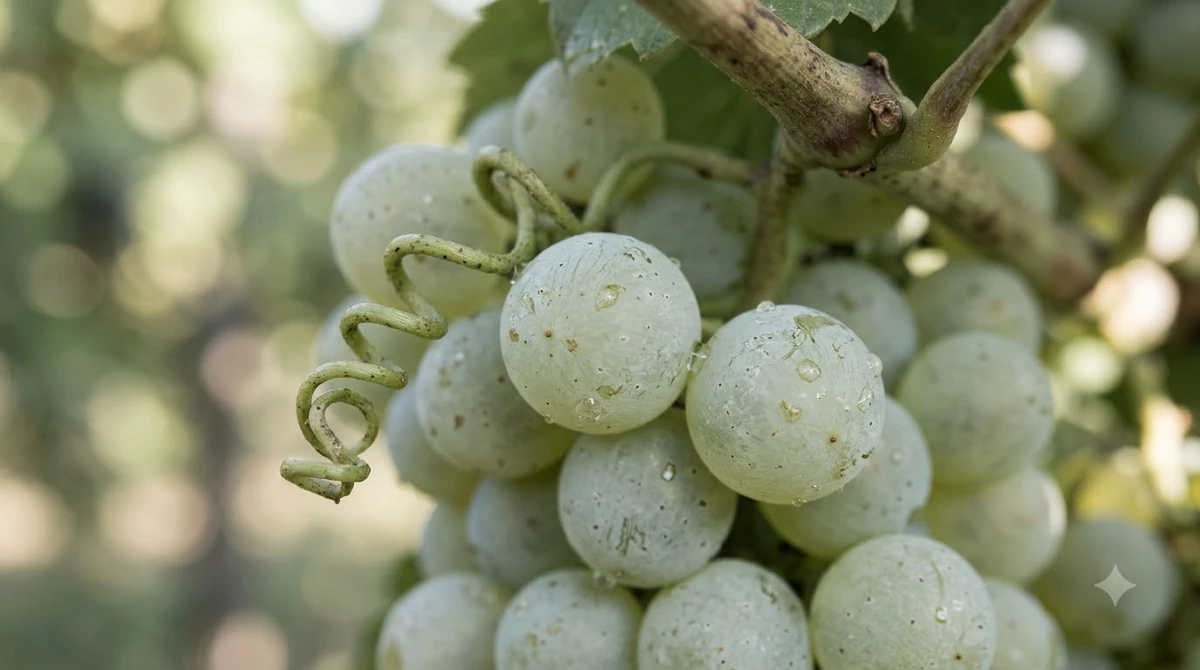
Winemaker Dave Phinney founded Orin Swift Cellars in 1998 and later sold the brand to E. & J. Gallo Winery in 2016 while remaining closely involved with the creative direction and winemaking vision. According to the official Orin Swift Papillon page, a true five-varietal Bordeaux blend is uncommon in modern California winemaking, yet sourcing across Napa Valley allows the winery to bring together the raw strength of Cabernet Sauvignon with the opulence of Merlot, the spice of Cabernet Franc, the depth of Malbec, and the richness of Petit Verdot.
The bottle’s visual identity is just as intentional as its cellar composition. “Papillon” is the French word for butterfly, a name inspired when Phinney heard his young daughter use the French term, which also happened to contain eight letters—four for each hand. Photographer Greg Gorman shot the black-and-white label featuring the weathered hands of a third-generation grape grower with the letters tattooed across his knuckles, creating a visual contrast between rugged agricultural labor and an airy, delicate name.
Grapes, Vineyards, and Winemaking
Fruit for Papillon is sourced primarily from high-elevation and hillside sites across Napa Valley, supplemented in select vintages by small parcels just across the county line in Sonoma’s Moon Mountain District. This multi-vineyard sourcing strategy gives the winemaking team distinct flavor components to assemble during blending trials.
According to producer technical sheets, key vineyard contributors include Stagecoach Vineyard high on Pritchard Hill and Atlas Peak, gravelly valley-floor sites in St. Helena, and the historic Monte Rosso Vineyard on Moon Mountain. Mountain fruit from volcanic and rocky soils tends to yield small berries with thick skins, concentrated dark pigments, and firm tannins, while valley-floor parcels contribute plush berry fruit and a supple entry on the palate.
| Vintage | Appellation | Blend Composition | Oak Aging | ABV |
|---|---|---|---|---|
| 2019 | Napa Valley | Cabernet Sauvignon, Malbec, Merlot, Petit Verdot, Cabernet Franc | 13 months in French oak (47% new) | 16.1% |
| 2021 | Napa Valley | Cabernet Sauvignon, Cabernet Franc, Malbec, Merlot, Petit Verdot | 13 months in French oak (44% new) | 15.5% |
| 2022 | Napa County | Cabernet Sauvignon, Cabernet Franc, Malbec, Merlot, Petit Verdot (with a touch of Syrah noted in trade releases) | 13 months in French oak (40% new) | 15.4% |
In the cellar, individual vineyard lots and grape varieties are fermented separately so each block expresses its site character before final assembly. Across recent vintages, the wine matures for 13 months in French oak barrels—typically 40% to 47% new oak—which integrates the alcohol warmth, polishes the tannins, and adds subtle layers of cedar, vanilla, and baking spice without masking the core fruit.
Flavor Profile and Tasting Notes
Papillon sits firmly in the full-bodied, richly textured camp of California red blends, offering layers of dark berry fruit balanced by savory earth, dried herbs, and sweet French oak. Even at alcohol levels between 15.4% and 16.1% ABV, reviewers highlight its velvety mouthfeel and polished finish.
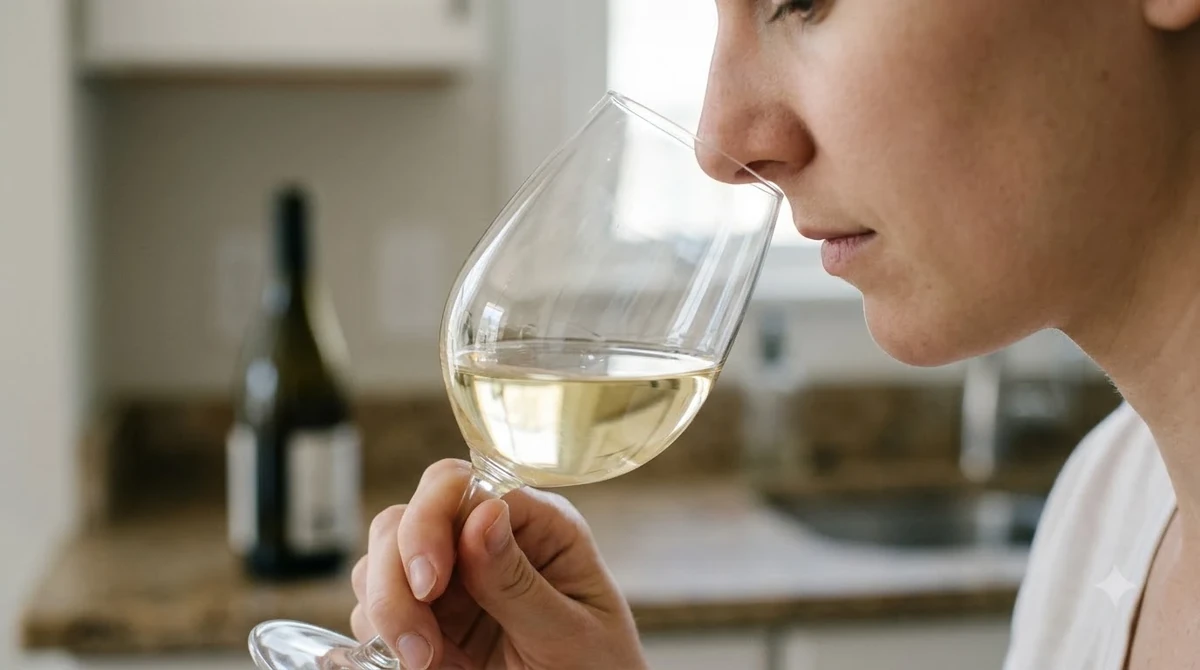
In the glass, the wine pours an opaque, deep crimson with a dark purple or cardinal rim. Winemaker tasting notes and critic reviews from Wine Spectator and Robert Parker’s Wine Advocate describe intense aromatics of cassis, blackberry jam, boysenberry, and black cherry, interwoven with cedar box, coastal chaparral, violet, and graphite. Beneath the ripe fruit sits an herbal and savory undercurrent—fennel bulb, crushed stone, and a hint of mint or bay leaf.
On the palate, Papillon enters with considerable weight and plush dark fruit flavors like pluot, blueberry, and mixed berry pie before transitioning into fine, chalky tannins that recall dark chocolate and black tea. Oak maturation leaves lingering notes of Madagascar vanilla, toffee, mocha, and sweet tobacco on a long, warming finish. Compared with broader supermarket wine brands or lighter everyday reds like Main and Vine wine, Papillon delivers far higher concentration, structural grip, and cellaring potential.
How to Serve and Store Papillon
Proper serving temperature and aeration make a noticeable difference with a concentrated, high-alcohol Bordeaux blend like Papillon. Serving the wine slightly cooler than warm room temperature keeps the fruit crisp and prevents the alcohol from feeling heavy on the nose.
Aim to serve Papillon at 60°F to 65°F (15°C to 18°C), which translates to about 15 to 20 minutes in the refrigerator if the bottle has been kept in a warm kitchen. Pouring into large-bowled Bordeaux-style red wine glasses gives the dense aromatics of cassis, cedar, and cocoa space to open up with every swirl.
Tip: Decant young vintages of Orin Swift Papillon for 45 to 60 minutes before serving so the firm mountain tannins soften and the savory herb and cedar notes emerge.
For longer-term storage, keep unopened bottles on their side in a dark, vibration-free space maintained around 55°F with steady humidity. While Papillon is crafted to be approachable upon release thanks to its silky mid-palate, critic drinking windows regularly extend 8 to 12 years past the vintage date, allowing the primary berry fruit to evolve into leather, dried fig, and forest-floor complexity.
Food Pairings for Orin Swift Papillon
Rich, tannic red blends call for dishes with substantial protein, fat, and savory depth to match the weight of the wine. The natural astringency of Cabernet Sauvignon and Petit Verdot binds with proteins and fats, making each bite feel cleaner while softening the wine’s grip on the palate.
Classic steakhouse cuts—such as a charred ribeye, prime New York strip, or barbecued beef tri-tip—mirror the wine’s smoky oak and dark fruit character. Slow-braised meats like beef short ribs, lamb shanks, or roasted duck breast also work well, especially when seasoned with rosemary, thyme, black pepper, or a dark demi-glace that echoes Papillon’s herbal and cocoa undertones.
For non-meat options, earthy dishes built around roasted portobello mushrooms, wild mushroom risotto, or aged hard cheeses like aged Gouda, sharp white cheddar, and Manchego stand up comfortably to the wine’s full body. Avoid delicate white fish, bright citrus salads, or heavily spiced chili dishes, as delicate flavors get overwhelmed and high capsaicin heat amplifies the wine’s alcohol warmth.
How Papillon Compares to Other Orin Swift Reds
Within Dave Phinney’s broader portfolio, Papillon occupies a middle ground between Napa Valley Cabernet bottlings and multi-appellation California red blends. As noted in an interview with VinePair on Dave Phinney’s label design and winemaking, each wine in the lineup carries a distinct visual and structural identity while sharing the house signature of bold concentration.
Alongside Papillon, Orin Swift produces Palermo (a more approachable Napa Valley Cabernet Sauvignon blend), Mercury Head (a flagship 100% Cabernet Sauvignon topped with a real Liberty dime), Machete (a Petite Sirah-driven California blend), and 8 Years in the Desert (a Zinfandel-led red blend). Whereas Machete and 8 Years in the Desert lean into Rhône and Zinfandel spice from diverse California regions, Papillon stays rooted in classic Bordeaux varieties from Napa and neighboring Moon Mountain, appealing to drinkers who enjoy Old World blending architecture expressed in a lush California style—much like collectors who appreciate structured Italian reds such as Zenato wine or bold, dark-fruited blends like Apothic Brew.
Frequently Asked Questions
What type of wine is Orin Swift Papillon?
Orin Swift Papillon is a full-bodied California red blend modeled after classic Bordeaux wines. It combines all five traditional red Bordeaux grape varieties—Cabernet Sauvignon, Merlot, Cabernet Franc, Malbec, and Petit Verdot—sourced primarily from Napa Valley vineyards.
Why is the wine called Papillon and what does the label mean?
“Papillon” is the French word for butterfly, inspired by winemaker Dave Phinney hearing his daughter use the word. Because the word has eight letters, it fit across two sets of four knuckles in photographer Greg Gorman’s black-and-white portrait of a grape grower’s weathered hands, symbolizing the contrast between rugged farm work and delicate beauty.
How high is the alcohol content in Orin Swift Papillon?
Depending on the vintage, Orin Swift Papillon typically ranges between 15.4% and 16.1% ABV. Extended French oak aging and ripe mountain fruit help integrate the alcohol so the wine reads as plush and velvety rather than sharp.
Should you decant Orin Swift Papillon before drinking?
Yes, decanting young vintages for 45 to 60 minutes allows the dense dark fruit, cedar, and baking spice aromas to open up while softening the wine’s chalky mountain tannins. Older bottles past seven or eight years of age generally need only 20 to 30 minutes of air.
Whether poured alongside a grilled ribeye or cellared for several years to let its secondary cedar and cocoa notes deepen, Orin Swift Papillon wine remains a distinctive study in Napa Valley blending. Understanding its five-grape foundation, mountain vineyard sources, and serving needs makes it easier to appreciate everything happening behind its iconic label.
More in Wine Brands
 Underwood Wine Price: Compare Bottles, Cans, and Pack SizesUpdated Nov 21, 2026
 Zenato Wine Price: Compare Styles and Choose the Right BottleUpdated Nov 21, 2026
 Zuccardi Wine Price: Compare Bottles and Find the Right RangeUpdated Nov 21, 2026
 Yellow Tail Moscato Review: Taste, Sweetness and Serving TipsUpdated Nov 21, 2026
 Wolf Blass Yellow Label Review: Choose Your Best StyleUpdated Nov 21, 2026
 Wolffer Estate Rose Review: Choose the Right Bottle for Your TableUpdated Nov 21, 2026