

We may earn a commission when you buy through links on this page, at no extra cost to you. Learn more.
Organic white wine is white wine made from grapes grown without synthetic fertilizers, pesticides, fungicides, or herbicides, and in the United States a certified organic version also limits added sulfites. The word organic can mean different things in different countries, and it does not describe the flavor of the wine. Knowing what the rules cover helps you read a label with confidence before you buy.
This guide explains what organic means on a white wine label, how the rules differ between the United States and Europe, what to expect from the taste of organic whites, and how to choose a bottle that fits the food you plan to serve.
What organic means for white wine
Organic wine starts in the vineyard. Under organic farming principles, the grapes are grown without artificial chemical fertilizers, pesticides, fungicides, and herbicides. A white wine made from those grapes is organic at the vine, which is the first of the two things the label is really describing. The second is the cellar, where the winemaking rules apply.
In the United States, organic certification covers every stage of production. That includes harvesting, the types of yeast that can be used, and how the wine is stored. The organic wine overview on Wikipedia describes these differences across countries and notes that the rules are not the same everywhere.
The European Union sets harmonized rules for its member countries, while the United Kingdom defines organic wine as wine made from organic grapes. Other countries have their own standards, and some have no separate standard at all. A bottle that says organic in one market may follow different rules from a bottle with the same word in another, so the country of origin on the label matters as much as the word itself.
Sulfites and the label
Sulfites are the part of organic wine that confuses most buyers. Winemakers use them to protect wine from oxidation and spoilage, and white wine can show oxidation quickly if it is handled poorly. Because of that, sulfites are one of the first things people ask about when they look at an organic bottle. The rules are not identical in every market, so the wording on the label carries most of the information.
In the United States, a wine can carry the USDA organic seal only if it contains no added sulfites and total sulfite levels stay below 20 parts per million. A wine labeled “Made with Organic Grapes” is held to a looser standard. It can contain added sulfites up to 100 parts per million, and it can use non-native yeasts. In the European Union, sulfites are allowed in organic wine, but the maximum levels are lower than the limits for conventional wine.
| Label | What the rule says about sulfites and cellar practice |
|---|---|
| USDA Organic (United States) | No added sulfites, total sulfites below 20 parts per million, full organic cellar standards |
| Made with Organic Grapes (United States) | Added sulfites up to 100 parts per million, non-native yeasts allowed |
| Organic (European Union) | Sulfites allowed, at lower maximum levels than conventional wine |
When you compare labels, the simplest rule is to read the exact wording. The seal and the phrase “Made with Organic Grapes” are different promises, and a bottle that carries one does not automatically meet the standard of the other.
How organic white wine tastes
Organic status describes how the grapes were farmed and handled. It does not set a flavor. An organic Chardonnay can be crisp and lean or rich and toasty, depending on the vineyard, the climate, and the winemaker’s choices. Organic white wines are made from the same grapes as conventional whites, so if you already like Sauvignon Blanc or Riesling, you will find organic versions of those styles.
Many drinkers describe organic whites as fresh and clearly tied to their place. Growers who avoid synthetic inputs often manage the soil and the canopy closely, and tasting notes for organic bottles frequently mention bright acidity and a clean, transparent fruit character. That is a general pattern rather than a rule, so the best way to judge a bottle is to read the producer’s description and try a few different styles before you settle on one.
Sweetness is a separate question from organic status. A white can be bone dry, off-dry, or sweet, and the label or the producer’s notes will usually say which. If you are unsure, look for words such as dry, semi-sweet, or late harvest, and treat organic as a separate filter for how the grapes were grown.
Common white grapes to look for
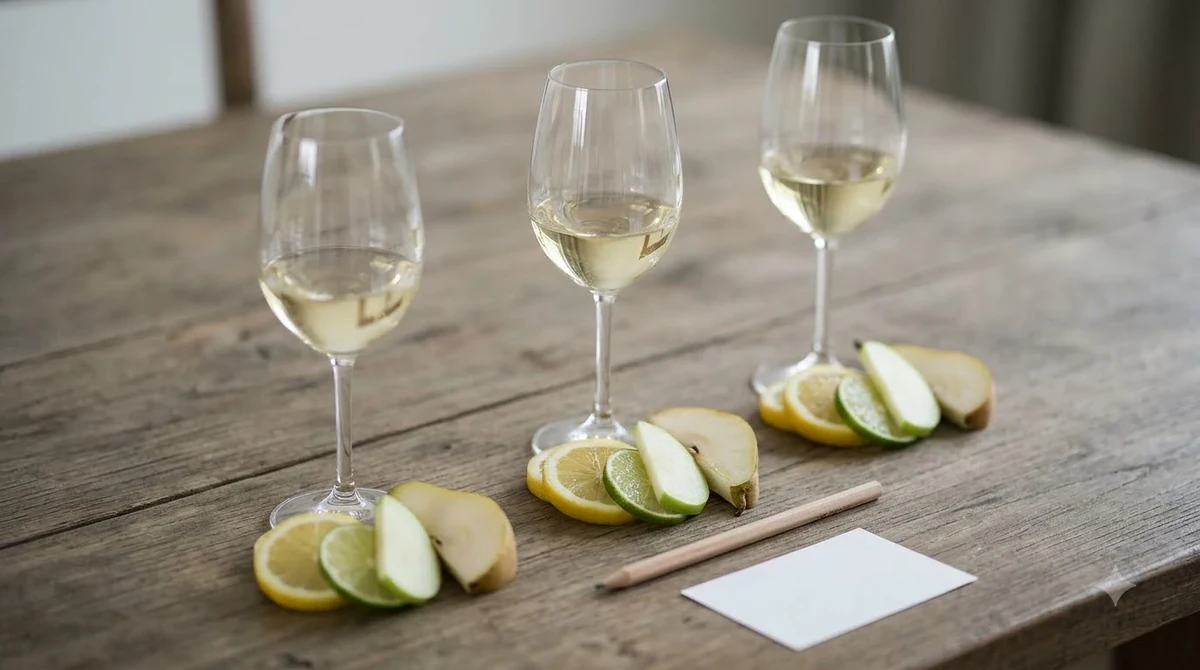
Organic labels appear across many white grapes. Chardonnay, Sauvignon Blanc, Riesling, Pinot Grigio, and Albariño are all common choices. Each grape gives a different profile. Sauvignon Blanc is usually herbal and citrusy, Riesling can range from bone dry to sweet, and Chardonnay can be lean or full depending on how it was made. Albariño is a different case: it is a high-acid white from Galicia in Spain and Portugal’s Vinho Verde region, known for lemon zest, grapefruit, and a saline note. If you are new to organic wine, start with a grape you already know and compare the organic version with a conventional bottle of the same grape.
Organic options also exist in sparkling styles. If you like bubbles, a sparkling wine from an organic producer is a good next step, and our guide to organic sparkling wine covers that category in more detail.
Serving and food pairing
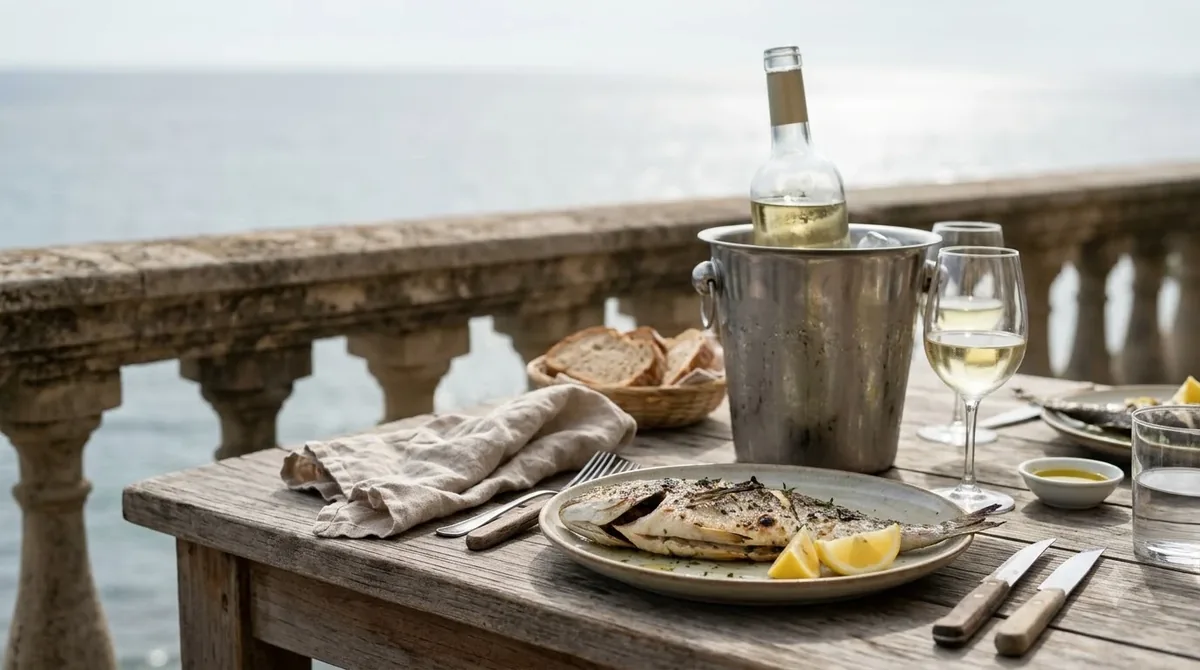
White wine is usually served chilled, and organic whites are no different. Serving them too cold can mute the aromas and make the wine taste thinner, so a cool glass rather than an icy one usually shows the most fruit.
Wine Folly’s Albariño profile gives a serving range of 38 to 45°F (3 to 7°C) for that high-acid style, which is a useful reference point for crisp whites in general. Lighter whites suit salads, seafood, and soft goat cheese. Fuller, oaked whites pair well with roast chicken, pork, or creamy pasta sauces.
If you want a softer option with a pink color and a fruity finish, the style is worth a look. Our guide to sweet rose explains that category. For a drier, celebratory choice, you can compare the profile of a dry champagne with a still organic white and decide which suits the meal.
How to choose a bottle
Start with the label. Look for the USDA organic seal if you want the strictest standard in the United States, or read the “Made with Organic Grapes” wording if you accept a looser rule. Then check the back label or the producer’s website for details about the vineyard and the winemaking. Producers who describe their farming methods clearly give you more reason to trust the label.
Price does not tell you much about quality here. The cost of an organic bottle depends on the region, the grape, and the producer, and a higher price does not guarantee a better wine. A more useful approach is to decide what style you want, such as crisp and light or rich and rounded, and then find a bottle that matches it. For background on reading labels and comparing styles, the Wine Buying Guides section covers the basics.
Frequently Asked Questions
Is organic white wine free of sulfites?
No. A USDA organic wine can contain no added sulfites, and its total sulfite level must stay below 20 parts per million. A wine labeled “Made with Organic Grapes” can contain added sulfites up to 100 parts per million.
Does organic white wine taste different from conventional white wine?
Organic status describes how the grapes were farmed and handled, not a set flavor. An organic Chardonnay can be as rich or as crisp as a conventional one, so the style depends on the grape, the climate, and the winemaking.
What does “Made with Organic Grapes” mean?
The label means the grapes were grown organically, but the wine does not meet the full organic cellar standard. The wine can contain added sulfites and can use non-native yeasts, so it is a looser promise than the USDA seal.
How should I serve organic white wine?
Serve it chilled rather than icy. A cool glass lets the aromas come through. Lighter whites suit seafood and salads, while fuller whites pair well with roast chicken or cream sauces.
Organic white wine is less about one particular flavor than about how the grapes were grown and how the wine was made. Read the label closely, decide which style you want, and choose from there. If you want to keep learning, the buying guides are a good place to continue.
More in Wine Buying Guides
 Riesling Gift: Choose a Bottle They’ll LoveUpdated Nov 21, 2026
 Sweet Red Wine Gift: Choose a Bottle They’ll LoveUpdated Nov 21, 2026
 Malbec Gift: How to Choose a Memorable Bottle for Any OccasionUpdated Nov 21, 2026
 Sherry Gift Ideas That Match Every Wine LoverUpdated Nov 21, 2026
 Moscato Gift: How to Choose a Sweet Wine They’ll LoveUpdated Nov 21, 2026
 Merlot Gift: How to Choose a Bottle They’ll AppreciateUpdated Nov 21, 2026