

We may earn a commission when you buy through links on this page, at no extra cost to you. Learn more.
Oakville wine tasting introduces visitors to some of Napa Valley’s most distinctive Cabernet Sauvignon, with opportunities to compare acclaimed estate wines, explore historic vineyards, and understand how different vineyard sites shape the finished wine. Located in central Napa Valley, Oakville combines warm sunshine, cooling morning fog, and varied gravelly and volcanic soils. Its wineries range from established family estates to internationally recognized producers, making the appellation especially rewarding for visitors interested in structured red wines and vineyard character. Reservations and a little advance planning help make the most of a visit.
Oakville occupies a relatively small stretch of Napa Valley, but its reputation extends far beyond its geographic boundaries. The area’s historic To Kalon vineyard, famous Cabernet Sauvignon producers, and distinctive growing conditions have helped establish it as one of California’s best-known wine districts. Whether you are planning your first Napa Valley trip or returning to explore individual vineyard expressions, understanding Oakville’s wines and tasting experiences will help you choose wineries that suit your interests.
What Makes Oakville Wine Country Distinctive?
Oakville stands out for its combination of warm valley-floor conditions, cooling marine influences, and varied vineyard soils. These factors allow Cabernet Sauvignon to develop ripe fruit flavors while retaining freshness and structure, giving the appellation a recognizable identity within Napa Valley.
The Oakville American Viticultural Area received official recognition in 1993. It occupies the central part of Napa Valley, between the neighboring wine-growing communities of Rutherford and Yountville. According to Napa Valley Vintners’ Oakville AVA profile, vineyards in the appellation extend from approximately 130 to 1,000 feet in elevation. The region includes valley-floor vineyards and hillside properties, creating meaningful differences in sunlight, drainage, and growing conditions.
Oakville’s climate is moderately warm. Summer temperatures commonly reach the mid-90s Fahrenheit, but evening and early morning fog bring cooler conditions that help preserve grape acidity. This combination is important for Cabernet Sauvignon, which needs sufficient warmth to ripen its thick skins and develop concentrated fruit flavors without losing all its freshness.
Soils also contribute to the area’s diversity. Western Oakville contains sedimentary gravelly alluvial soils, while the eastern side features heavier volcanic material mixed with gravel and loam. The western hillsides receive greater protection from afternoon sunlight, while eastern vineyards experience warmer afternoon exposure. These differences can influence ripening patterns and the resulting wines.
Oakville’s history is equally important. H.W. Crabb purchased 240 acres near the Napa River in 1868 and established the To Kalon vineyard. By the late 1870s, his property included 130 planted acres and produced more than 50,000 gallons of wine annually. The name To Kalon is generally translated as the highest beauty, reflecting the estate’s ambitions for the land.
The area’s development continued through other pioneering properties. John Benson purchased 400 acres in 1873, planted an 84-acre vineyard, and named his estate Far Niente. His winery building was completed in 1885. Today, Napa Valley Vintners reports that Oakville has more than 5,000 acres planted to grapevines and over 50 wineries sourcing fruit from the appellation.
These historical and environmental factors explain why Oakville deserves attention beyond its famous winery names. For visitors exploring different regions, the broader Wine Regions collection offers useful context for comparing Napa with other established wine-growing areas.
Which Wines Should You Expect to Taste?
Cabernet Sauvignon is the central attraction of Oakville wine tasting, but the appellation offers more than powerful red blends. Merlot, Cabernet Franc, and Sauvignon Blanc provide useful comparisons, while individual wineries may also feature Chardonnay and limited-production bottlings.
Oakville Cabernet Sauvignon typically combines ripe dark fruit with firm tannins and noticeable structure. Common aromas and flavors include blackcurrant, blackberry, plum, cedar, dark chocolate, and baking spice. Depending on the vineyard site and winemaking choices, the wine may also show graphite, dried herbs, tobacco, or earthy characteristics.
Cabernet Sauvignon naturally has high tannin. This structure gives the wine its grip and helps explain why Oakville Cabernet often works particularly well with rich foods. Many examples receive oak aging, which can introduce vanilla, toast, clove, and additional texture. However, oak influence varies between producers, so tasting several wines side by side is more informative than assuming every bottle tastes alike.
Merlot is another useful grape to explore. It generally has medium tannin and a softer texture than Cabernet Sauvignon, often showing plum, black cherry, and chocolate notes. Cabernet Franc can bring red fruit, herbal character, and aromatic complexity to blends or appear as a standalone wine.
Sauvignon Blanc offers a refreshing contrast to Oakville’s reds. Its higher acidity makes it suitable for visitors who prefer crisp white wines, with possible citrus, melon, green apple, and herbal flavors. Chardonnay may also appear on winery tasting lists, offering a different perspective on how Napa Valley producers work with white grapes.
The following table summarizes the principal varieties visitors may encounter and what to notice in the glass.
| Grape variety | Typical style | What to look for | Food pairing |
|---|---|---|---|
| Cabernet Sauvignon | Full-bodied, high tannin | Blackcurrant, blackberry, cedar | Grilled steak, lamb |
| Merlot | Medium tannin, softer texture | Plum, black cherry, chocolate | Roasted chicken, pork |
| Cabernet Franc | Medium-bodied, aromatic | Red fruit, herbs, spice | Roasted vegetables, duck |
| Sauvignon Blanc | Fresh, higher acidity | Citrus, green apple, herbs | Seafood, goat cheese |
| Chardonnay | Medium acidity, varied body | Apple, pear, citrus, oak | Roast chicken, creamy dishes |
When comparing Cabernet Sauvignon, pay attention to more than fruit intensity. Notice how the tannins feel, whether acidity keeps the wine fresh, and how long the flavors remain after swallowing. A wine with concentrated fruit and firm structure may feel very different from one with similar fruit aromas but softer tannins.
Oakville’s range also provides opportunities to compare regional styles with other wine destinations. For example, Bolgheri wine tasting offers another perspective on Cabernet-led wines, particularly the Bordeaux varieties grown along the Tuscan coast.
Oakville Wineries Worth Considering
Oakville has a mixture of historic estates, established family wineries, and producers with distinctive tasting programs. Choosing two or three contrasting visits is generally more rewarding than trying to visit every recognizable winery in one afternoon.
Groth Vineyards & Winery is a useful starting point for visitors interested in Oakville Cabernet Sauvignon. The family-owned winery offers a Reserve Cabernet, classic Oakville Cabernet, and limited-production winery exclusives. Its tasting experience takes place at its Oakville estate, and visits are offered daily by appointment. The winery is located at 750 Oakville Cross Road.
Groth is particularly suitable for visitors who want to understand how different bottlings from one producer can express varying levels of selection and winemaking ambition. Comparing the standard Cabernet with a Reserve bottling can reveal differences in concentration, structure, oak treatment, and overall balance.
Robert Mondavi Winery is another prominent name associated with Oakville and Napa Valley wine tourism. A visit can provide historical and practical insight into vineyard management, cellar operations, and barrel aging. Its connection with the To Kalon vineyard also makes it relevant to visitors interested in the appellation’s history.
Far Niente is an appealing choice for visitors interested in historic winery architecture and estate wines. Its history reaches back to John Benson’s original vineyard purchase in 1873 and the construction of the winery building in 1885. The estate’s long association with Oakville gives it a distinctive place in the region’s story.
Opus One is another recognizable Oakville producer. Its Bordeaux-inspired approach makes it particularly interesting to visitors who enjoy blends built around Cabernet Sauvignon. Comparing a structured Bordeaux-style blend with a single-variety Oakville Cabernet can help illustrate the different ways producers approach the same growing region.
B Cellars offers another type of experience, particularly for visitors who appreciate the relationship between food and wine. Its Oakville tasting experiences include guided food pairings, estate visits, and a 90-minute Oakville Trek featuring five wines alongside seasonal small bites. Reservations are required, making advance planning important.
These wineries represent different aspects of the appellation rather than an exhaustive list. Availability, tasting formats, and visitor policies vary, so consult individual winery websites before planning a route. For a first visit, prioritize one producer with a strong Cabernet focus and another that offers a contrasting style or food-pairing experience.
How to Plan an Oakville Wine Tasting Visit
A successful Oakville visit begins with realistic scheduling and confirmed reservations. The region’s wineries are spread across vineyard properties rather than concentrated in a large downtown tasting district, so transportation and appointment times deserve attention before departure.
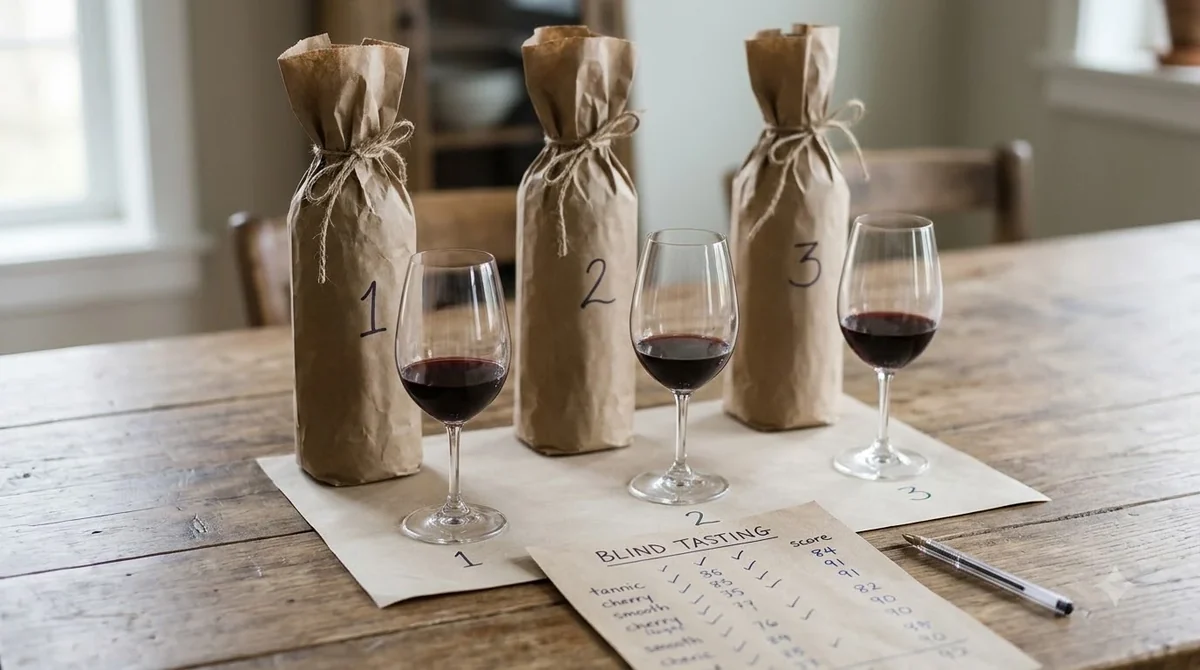
Start by selecting two or three wineries that match your interests. A visitor primarily interested in Cabernet Sauvignon might choose Groth and Opus One, while someone interested in history and architecture could consider Far Niente. A food-focused visitor may prefer to include B Cellars for a different style of tasting.
Advance reservations are advisable, particularly for structured estate experiences and private tastings. Groth specifically states that its tastings are offered daily by appointment. B Cellars also requires reservations for its tasting experiences and specifies a minimum advance booking period of 24 hours.
Allow approximately 90 minutes for a typical winery appointment, with additional time for a longer tour or food-pairing experience. Between visits, leave at least 20 to 30 minutes for driving, parking, and arriving at the next property. These are planning estimates rather than guaranteed tasting durations or travel times.
A comfortable schedule might look like this:
| Time | Activity | Suggested focus |
|---|---|---|
| 10:00 AM | First winery visit | Estate Cabernet Sauvignon |
| 11:30 AM | Travel and break | Allow 20–30 minutes |
| 12:00 PM | Second winery visit | Reserve wines or vineyard comparison |
| 1:30 PM | Lunch | Oakville Grocery or a nearby restaurant |
| 3:00 PM | Optional third visit | Food pairing or white wine tasting |
This schedule is an example, not a promise of appointment availability. Adjust it to match the actual reservations you secure. Two well-planned tastings often leave more room for meaningful conversations than three appointments scheduled too closely together.
Transportation also matters. Oakville is situated along Highway 29, and visitors generally need a car or arranged transportation to move between estate properties. If several people are traveling together, arrange a designated driver or professional transportation before the first tasting. Do not assume that winery appointments are within walking distance of one another.
Oakville Grocery is a useful stop for provisions and a break between winery visits. Visit Napa Valley highlights its sandwiches, cheeses, breads, salads, and other picnic-friendly options. Confirm current opening hours and any applicable picnic restrictions before planning to eat at a particular winery.
Tip: Make no more than two winery appointments before lunch if you want time to compare wines carefully. Reserve the third visit for an experience that differs from the first two, such as a food pairing, a white wine flight, or a vineyard-focused tour.
The Best Time of Year to Visit Oakville
Oakville is a year-round wine destination, but spring, summer, and harvest season offer different experiences. The best timing depends on whether you prefer vineyard scenery, warmer weather, or the activity associated with Cabernet Sauvignon harvest.
Spring, from March through May, is appealing for visitors who want to see the vineyards during the growing season. Temperatures are generally comfortable for outdoor activities, and the landscape becomes increasingly green as vines develop. Spring can also be a good time to arrange appointments before the busiest parts of the summer travel season.
Summer, from June through August, brings warm and sunny conditions. Oakville’s summer temperatures commonly reach the mid-90s Fahrenheit, although morning fog and evening cooling moderate the growing environment. Morning tasting appointments are often a sensible choice for visitors who prefer cooler outdoor conditions.
Harvest season, generally from August through October, offers a particularly interesting perspective on wine production. Cabernet Sauvignon grapes are harvested according to ripeness and vineyard conditions rather than one fixed regional date. Winery staff may be especially busy during this period, so visitors should make reservations early and understand that some experiences may be affected by harvest operations.
Fall, from September through November, can be rewarding for visitors interested in the changing vineyard landscape and the transition from harvest into cellar work. It is also a good period for focusing on Cabernet Sauvignon and asking winemakers or tasting-room staff about vintage differences and vineyard selection.
Winter, from December through February, generally offers a quieter atmosphere. The vines are dormant, and the landscape looks different from the green growing season. This can be a good opportunity for visitors who prefer a less crowded experience and are more interested in tasting than vineyard photography.
Regardless of the season, check weather conditions and confirm appointments before setting out. Oakville’s warm summer afternoons make comfortable clothing, water, and sensible scheduling useful, while winter visits may require an additional layer for outdoor vineyard activities.
How to Taste Oakville Cabernet Sauvignon Like an Expert
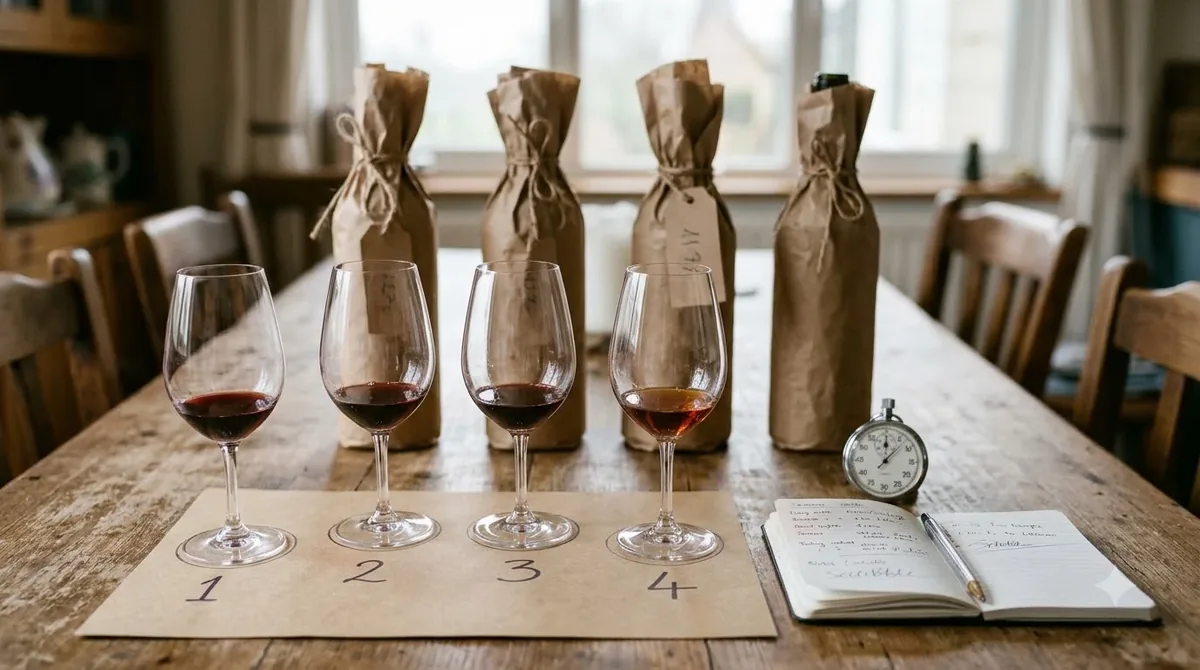
The most useful way to approach an Oakville tasting is to compare wines systematically. Rather than focusing only on whether a wine seems powerful or expensive, consider its aroma, acidity, tannin, alcohol, oak influence, and finish.
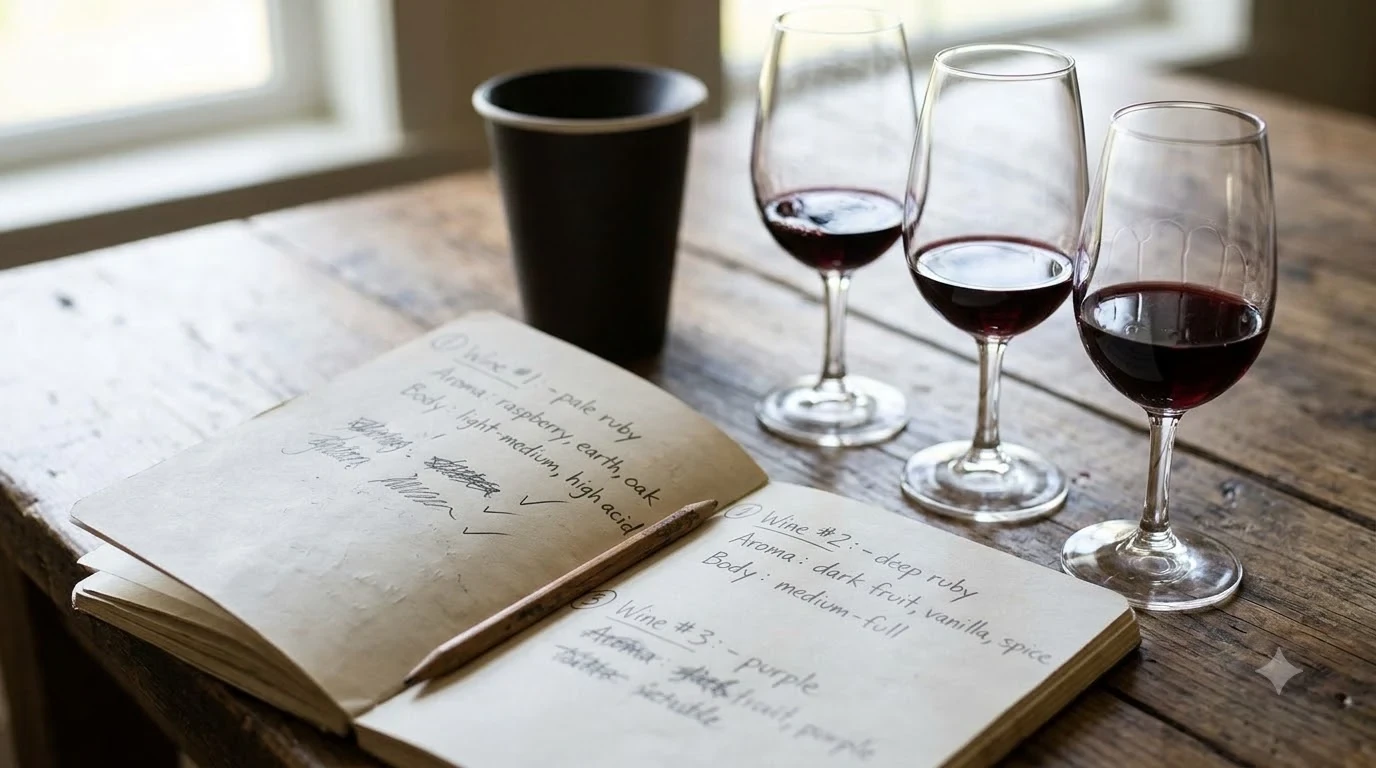
Begin by observing the color. Cabernet Sauvignon is typically deep ruby to purple in its youth, although older wines can develop garnet tones. Swirling the glass gently releases aromas, making it easier to identify black fruit, herbs, spice, and oak-related characteristics.
Next, smell the wine before tasting. Look for blackcurrant, blackberry, plum, cedar, tobacco, or vanilla. Not every wine will show all these characteristics. Differences in vineyard conditions, ripeness, fermentation, and barrel aging can produce substantially different aromatic profiles.
When tasting, pay attention to the interaction between fruit and tannin. Cabernet Sauvignon generally has high tannin, which creates a drying sensation along the gums and inside the cheeks. Oakville examples can be concentrated and structured, but the best comparison is not necessarily the wine with the strongest tannins. Look for a balance between fruit, acidity, alcohol, and texture.
Acidity is another important feature. Even full-bodied Cabernet Sauvignon needs sufficient freshness to keep its ripe fruit from seeming heavy. Notice whether the wine leaves your mouth refreshed or whether the flavors feel overly dense. The finish is also useful: a longer finish can reveal additional layers of fruit, spice, or savory character.
Try comparing two wines from different producers before moving to another grape variety. If both are Cabernet Sauvignon, you can focus on differences in vineyard sourcing, blending, oak treatment, and structure. If one is a Merlot or Cabernet Franc, notice how the tannin and aromatic profile change.
Serving temperature can influence your perception. Full-bodied reds are generally best served around 60–65°F rather than warm room temperature. Excessive warmth can emphasize alcohol, while wines served too cold may seem more austere and less expressive.
Food also changes how a wine feels. Cabernet Sauvignon pairs well with grilled beef, lamb, and dishes with rich, savory flavors. Salt and fat soften the perception of tannin, making a structured red seem more approachable. Strong chili heat, however, can be amplified by alcohol and tannin, so heavily spiced dishes are not always ideal companions.
For a practical comparison, ask the tasting-room staff to explain whether a Cabernet is estate-grown, sourced from several vineyards, or built around a particular vineyard selection. These details help explain why two wines from the same appellation can have different textures and flavor profiles.
Frequently Asked Questions
What does the name To Kalon mean?
To Kalon is a Greek expression commonly translated as the highest beauty or the beautiful. H.W. Crabb chose the name for his Oakville vineyard estate after purchasing land near the Napa River in 1868. The historic vineyard remains one of the most recognized names associated with Oakville’s wine identity.
Is Oakville considered a subregion of Napa Valley?
Yes. Oakville is a nested American Viticultural Area within the larger Napa Valley AVA. This designation identifies a geographically defined grape-growing area with recognized characteristics. Wines labeled Oakville must satisfy the applicable federal appellation requirements, including the requirement that at least 85% of the grapes come from the named AVA.
What is the difference between Oakville and Rutherford Dust?
Rutherford Dust is a commonly used expression associated with Rutherford’s distinctive Cabernet Sauvignon character, particularly its earthy and dusty impressions. Rutherford is a separate Napa Valley AVA immediately north of Oakville. The two appellations have different vineyard sites, soil compositions, and growing conditions, so tasting them side by side can be an interesting regional comparison.
Does Oakville produce sparkling wine?
Oakville is primarily recognized for its still wines, especially Cabernet Sauvignon and other Bordeaux varieties. Sparkling wine is more strongly associated with cooler California wine-growing areas and dedicated sparkling-wine producers. Visitors interested in sparkling wine can ask individual Napa wineries whether they offer any sparkling selections as part of their tasting programs.
What is Oakville Station at UC Davis?
Oakville Station is a University of California, Davis research vineyard and laboratory facility covering approximately 40 acres. It supports viticulture and wine-related research in the Napa Valley region. Its presence illustrates the area’s importance not only to commercial wine production but also to agricultural research and education.
Oakville offers a distinctive Napa Valley experience built around historic vineyards, diverse growing conditions, and outstanding Cabernet Sauvignon. Plan two or three contrasting winery visits, allow time to appreciate the wines, and explore how vineyard location and winemaking choices shape each bottle. With thoughtful reservations and a manageable schedule, Oakville can become one of the most memorable stops on a Napa Valley wine trip.
More in Wine Regions
 Willcox Wine Trail: Discover Arizona’s High-Elevation Wine CountryUpdated Nov 20, 2026
 Yakima Valley Wine Region: Find the Best Styles to TryUpdated Nov 20, 2026
 Vosne Romanee Wine Tasting: Identify Aromas and Choose Better PairingsUpdated Nov 20, 2026
 Yakima Valley Wine Festival: Find the Best Seasonal Wine EventsUpdated Nov 20, 2026
 Wales Vineyards: Discover Cool-Climate Wines and Where to VisitUpdated Nov 20, 2026
 Yountville Wine Festival: Discover Napa Wines and Local FoodUpdated Nov 20, 2026