

We may earn a commission when you buy through links on this page, at no extra cost to you. Learn more.
Cabernet sauvignon color is typically deep, dark and inky, and the depth comes mostly from the grape skins, the fermentation temperature and the winemaking choices made after harvest. Color is extracted from the skins during fermentation, so longer skin contact and warmer fermentation usually produce a darker wine.
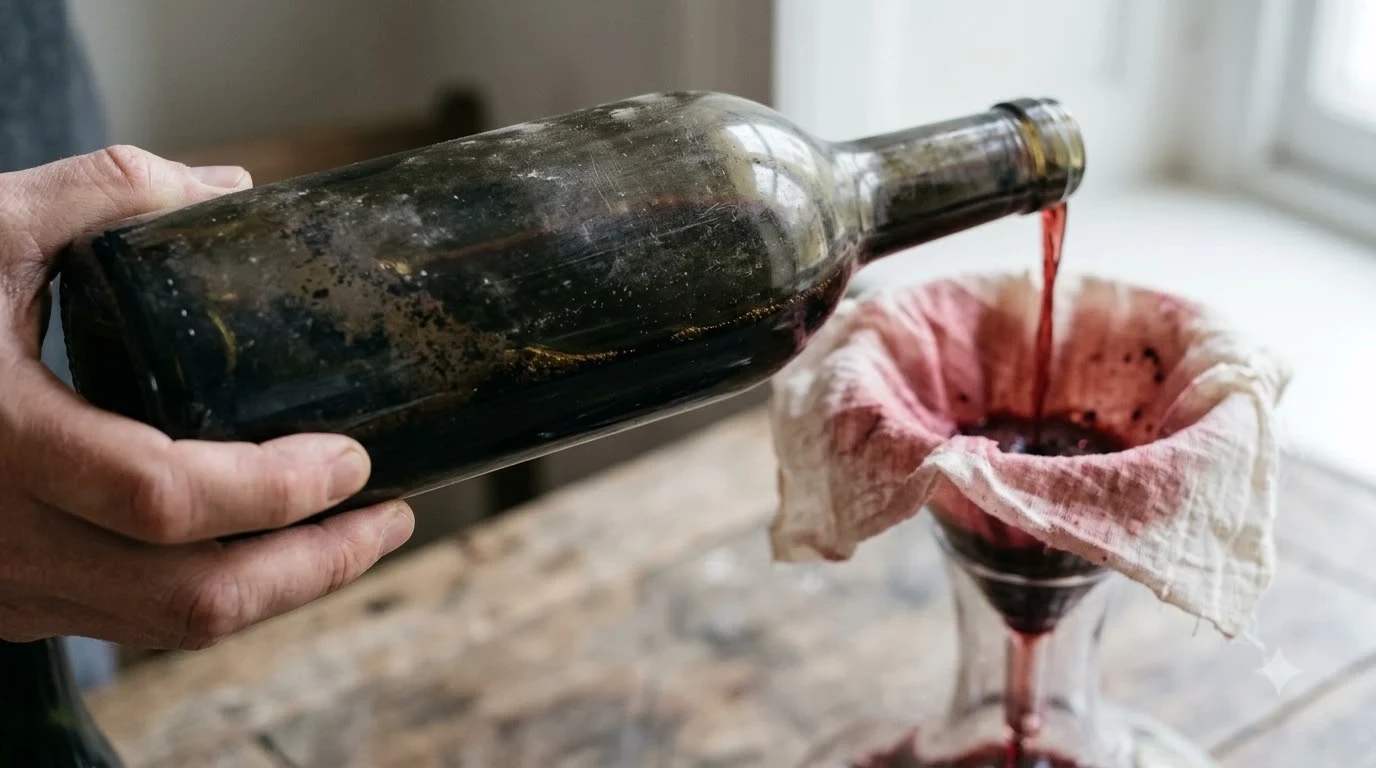
Few red wines look as dark in the glass as cabernet sauvignon. Pour a typical bottle and the color often looks almost opaque at the center, with a rim that stays deep rather than fading to pale pink. That darkness is one of the first things people notice, and it connects directly to the grape’s thick skins and the way the wine is made.
This guide explains what gives cabernet sauvignon its color, how winemakers adjust it, and what the color can and cannot tell you about the wine in your glass.
Why Cabernet Sauvignon Looks So Dark
Cabernet sauvignon is a red grape, and red wine color comes from the skins rather than the juice. Wine is made from red grapes by fermenting the juice together with the skins, which lets pigments and other compounds move into the liquid. Because cabernet sauvignon produces a dense, concentrated wine, the color tends to look especially deep.
The grape’s general profile is also worth noting. The encyclopedia entry on the variety describes its wines with the traits “dense, dark, tannic,” which helps explain why many bottles look so intense. Tannins and color often come from the same source, the skins, so a wine that looks dark is often also firm in structure.
What Determines the Color in the Winery
The most important factor is skin contact. According to the Wikipedia entry on cabernet sauvignon, color, flavor and tannins are all extracted from the skins during winemaking. A winery that leaves the juice on the skins for a longer period will usually get a darker, more structured wine, while a shorter contact time produces a lighter color.
Fermentation temperature also matters. The same source notes that deeper colors and more flavor components are extracted at higher temperatures. This is one reason the color of two wines made from the same grape can differ noticeably. A producer that ferments warmer may get more pigment into the wine, while a producer that ferments cooler may aim for a lighter, brighter style.
| Factor | Effect on color | Why it matters |
|---|---|---|
| Skin contact time | Longer contact gives a deeper color | Pigments and tannins come from the skins |
| Fermentation temperature | Warmer fermentation extracts more color | Higher temperatures pull out more compounds |
| Grape ripeness | Ripe grapes darken on the vine | Skins turn bluish-purple as they mature |
| Blending | Small additions can deepen a lighter wine | Petit Verdot is used for this in some regions |
Color Support From Blending
Some Cabernet-based wines come out lighter than their owners want, and blending is one of the main ways winemakers correct that. The Wikipedia entry on cabernet sauvignon notes that Cabernet-based wines from Margaux can lack color, which can be fixed by blending in Petit Verdot. Petit Verdot is a dark-skinned variety that adds intensity without taking over the flavor.
This practice is common in Bordeaux and in other regions where blends are the norm. It means that a dark bottle is not always a pure cabernet sauvignon in the sense of a single grape, and the label or producer notes will tell you the actual blend. If you see the words “Bordeaux blend” or a list of grapes on the back label, the color may reflect those partners as well.
Regional Styles and Color
Where the grapes are grown shapes both the color and the overall style. The Wikipedia entry describes the wines of mountainside sites in Napa as having “deep inky colours.” That description fits a wine from a warm, sunny site where the grapes ripen fully and the skins develop plenty of pigment.
Cooler sites may produce wines that look a little lighter, though the difference depends on the producer and vintage. A winemaker in a cool year may choose a gentler extraction to preserve freshness, while a warm year may encourage a darker, richer style. Reading the label for the region and vintage is often the best clue to what the color will look like.
How Color Relates to Taste and Structure
Color can hint at the structure of a wine, but it is not a reliable guide to quality or to sweetness. A dark cabernet sauvignon is usually more tannic and concentrated, because the same compounds that give color also add grip and body. A paler wine from the same grape often feels lighter, with more emphasis on fruit and acidity.
Still, judging a wine only by its color can mislead you. Vintage, producer style and oak treatment all affect taste, and two bottles with similar color can feel quite different on the palate. Use the color as one clue among several, along with aroma, alcohol level and the producer’s tasting notes.
Serving and Glassware
Because cabernet sauvignon is intensely colored, glassware makes a visible difference. A wide bowl lets the wine breathe and shows the color clearly against a white background. Hold the glass over a white tablecloth or a sheet of paper to see the depth at the center and the edge of the wine.
Temperature also changes how you see the color. A very cold glass can make the wine look darker and more closed, while a wine served slightly below room temperature shows more aroma and a clearer color. The best temperature depends on the style of the bottle, so a fuller, older wine may show its color differently from a young one at the same temperature.
Reading the Color of a Cabernet Sauvignon
When you pour a glass, look at three things: the depth at the center, the color at the rim, and the clarity. A deep center with a rim that still shows some purple suggests a young, fruit-forward wine. A rim that looks a little brick or brown can point to a wine with some bottle age, though that depends on the vintage and the bottle’s history.
Clarity is simpler. A clean, bright color is what most winemakers aim for, and a cloudy wine may indicate that it has not been filtered or that it has been stored in a way that affected it. Those observations do not replace tasting, but they give you a useful starting point before you smell and sip.
Frequently Asked Questions
Why is cabernet sauvignon so dark?
The color comes from the grape skins, which are extracted during fermentation. Longer skin contact and warmer fermentation can produce a deeper wine, and the variety’s dense, concentrated style adds to the effect.
Does a darker cabernet sauvignon taste sweeter?
Not necessarily. Color indicates extraction and structure more than sweetness. A dark cabernet sauvignon is usually dry and tannic, and sweetness depends on how much residual sugar the wine keeps.
Why do some cabernet sauvignons look lighter?
Shorter skin contact, cooler fermentation, or a blend that includes lighter partners can all produce a paler wine. Some regions and vintages also naturally give lighter styles.
What is Petit Verdot used for in cabernet blends?
Petit Verdot is a dark-skinned grape that winemakers add in small amounts to deepen the color and add intensity. It is a common practice in Bordeaux-style blends where a Cabernet-based wine needs more color.
Cabernet sauvignon color is one of the easiest things to observe and one of the most informative. Start with the depth and the rim, then combine what you see with the aroma and palate. For more on the grape’s taste profile, read the guide to cabernet sauvignon tasting notes, or check how the wine works with food and drink in cabernet sauvignon sangria and cabernet sauvignon sugar content. The full Wine by Type guide covers other styles as well.
More in Wine Types & Grapes
 Zinfandel Sugar Content: Dry Red vs. White Zinfandel GramsUpdated Nov 21, 2026
 Best Zinfandel Substitute Options for Sipping and CookingUpdated Nov 21, 2026
 Zweigelt Food Pairing: Best Dishes, Cheeses, and Serving TipsUpdated Nov 21, 2026
 Zinfandel Tannins Explained: How Structure Shapes Every BottleUpdated Nov 21, 2026
 Zinfandel Sweetness Level: Dry Red vs. Sweet White Zin ExplainedUpdated Nov 21, 2026
 Xinomavro Food Pairing: Best Dishes, Styles, and Serving TipsUpdated Nov 21, 2026