

We may earn a commission when you buy through links on this page, at no extra cost to you. Learn more.
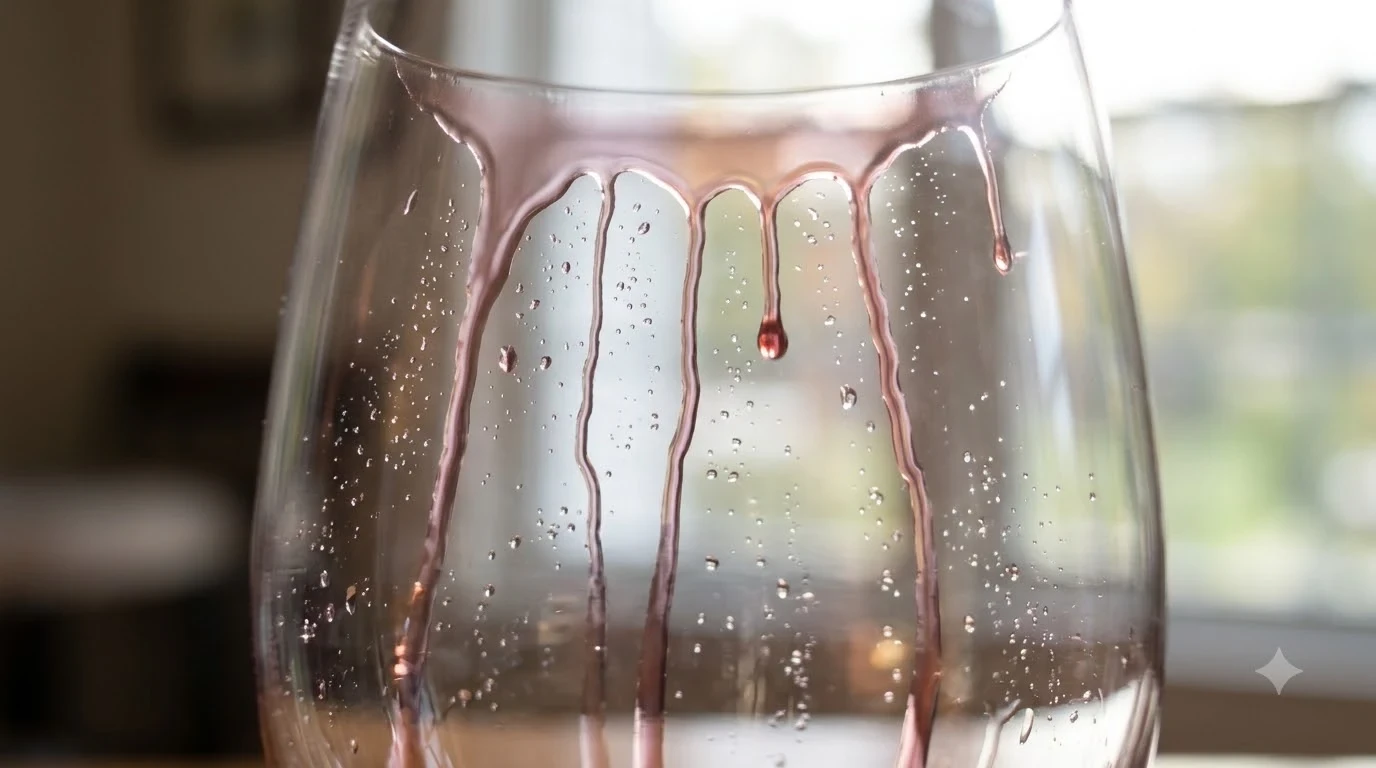
Cabernet sauvignon sugar content is low, because the wine is normally made dry and most of the grape sugar becomes alcohol during fermentation. The sources list the grape as dry but do not publish a residual sugar figure in grams per liter. Fruit ripeness can make a Cabernet taste sweet even when little sugar remains, so the flavor and the chemistry are not the same thing.
People who pay attention to sugar often ask whether a red wine like Cabernet sauvignon holds much sugar, especially when they compare it with a sweet dessert wine or a sparkling style. The short answer is that Cabernet is a dry red, but the full picture depends on how the wine was made, how ripe the grapes were, and what the label does and does not say. This guide explains those points without guessing at numbers that the sources do not give.
What “dry” means for a red wine
A wine is called dry when yeast has fermented almost all of the grape sugar into alcohol. Wine Folly lists Cabernet sauvignon as a dry wine, which places it in the same category as most reds on the shelf. A winemaker who wants a sweeter red usually stops fermentation early or adds sweet grape juice after the fact, and those choices are not typical for Cabernet.
The word dry describes the finished wine, not the grape. Grapes contain sugar at harvest, and ripeness is what drives the sugar level in the juice. Fermentation then converts that sugar into alcohol and carbon dioxide, and the remaining sugar in the bottle is called residual sugar. For a dry Cabernet, that residual figure is expected to be small.
Why the sugar figure is hard to pin down
Here is where the information gets thin. The Wine Folly page on Cabernet sauvignon describes the wine as dry, but it does not give a residual sugar number. The Wikipedia article on the grape makes a related point: New World examples made from very ripe fruit may be perceived as sweet. That statement refers to the fruit character, meaning jammy blackberry and ripe plum, not to residual sugar in the glass.
This is a common source of confusion. A wine can taste round and soft, with plenty of dark fruit, and still be dry. Many drinkers read ripe fruit as sweetness, then assume the wine has added sugar. In most cases the difference comes from ripeness and oak, not from the wine’s sugar content.
How Cabernet compares with other dry wines
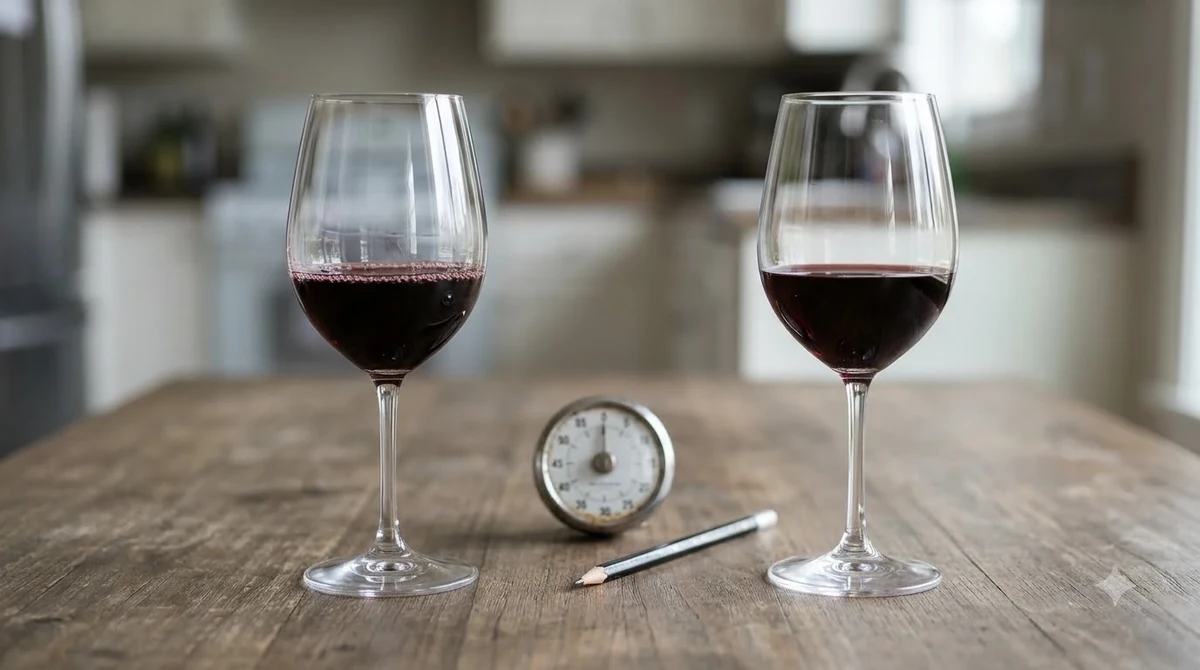
Comparing Cabernet with a white wine helps clarify the category. Wine Folly describes Sauvignon Blanc as dry, and says that Marlborough examples in New Zealand carry “a gram or two of residual sugar,” which the site considers normal because the wines have high acidity. That is a useful reference point: even a crisp, dry white can contain a small amount of leftover sugar, and a dry red is likely to be in the same low range.
The table below sets out the main factors that influence how sweet a Cabernet tastes, based on the descriptions in the sources.
| Factor | Effect on sugar | Effect on taste |
|---|---|---|
| Dry fermentation | Converts grape sugar into alcohol | Leaves the wine tasting dry |
| Grape ripeness | Riper fruit starts with more sugar | Dark fruit can read as sweet |
| Warm growing climate | Often produces riper, higher-alcohol fruit | Jammy, rounder texture |
| Oak aging | Does not add sugar | Adds vanilla and spice notes |
| Label wording | Dry is the standard style term | Check the producer’s description |
Tip: If you want a red with noticeably less sugar, a dry Cabernet is a good fit. If you want a sweet red, look for a wine that is labeled sweet or off-dry, not a standard Cabernet.
Why sugar is only part of the picture
Sugar, alcohol, acidity, and tannin all combine to shape how a wine feels in the mouth. A dry Cabernet with high tannin and noticeable acidity can taste firm even though its sugar is low. Sweetness is easy to notice, but structure is what keeps a red from tasting thin, so the balance between these elements matters more than any single number.
Acidity plays a role as well. Cabernet has medium-high acidity, which keeps the wine fresh at the table and makes its fruit taste brighter. That freshness can create the impression of dryness even when the wine is rich, while a sweeter red often tastes softer and rounder.
Oak aging adds another layer. Barrels contribute vanilla, toast, and spice, and these flavors can read as sweetness to some tasters. The wine itself has not gained sugar. When a bottle tastes especially sweet, look at the oak treatment on the back label or the producer’s notes before assuming the wine has been sweetened.
Alcohol and calories are the bigger factor
For most people counting what they drink, alcohol matters more than residual sugar. Cabernet is a strong wine. Wine Folly lists its alcohol at 13.5 to 15 percent ABV, which is higher than many lighter reds. Alcohol contributes calories on its own, so a Cabernet with a high ABV carries a larger energy load than a lighter wine of similar sweetness.
That means the sugar question and the calorie question are related but not identical. A dry Cabernet is unlikely to contribute much sugar, but its alcohol still counts. If you are comparing bottles, the ABV on the label is often the more useful number.
Reading labels and asking the producer
Most wine labels do not print sugar in grams per liter, so the best tools are the style word and the producer’s technical sheet. Dry is the standard term for a red, and a producer who wants to highlight a sweeter style will usually say so. Technical sheets, when a producer publishes them, sometimes list residual sugar, pH, and alcohol, and they are the most reliable source for a specific bottle.
If a number matters for your plans, contact the producer or check the winery’s website. Many producers will answer a simple question about residual sugar, and the answer will be more accurate than a general estimate.
Practical tips for a lower-sugar red
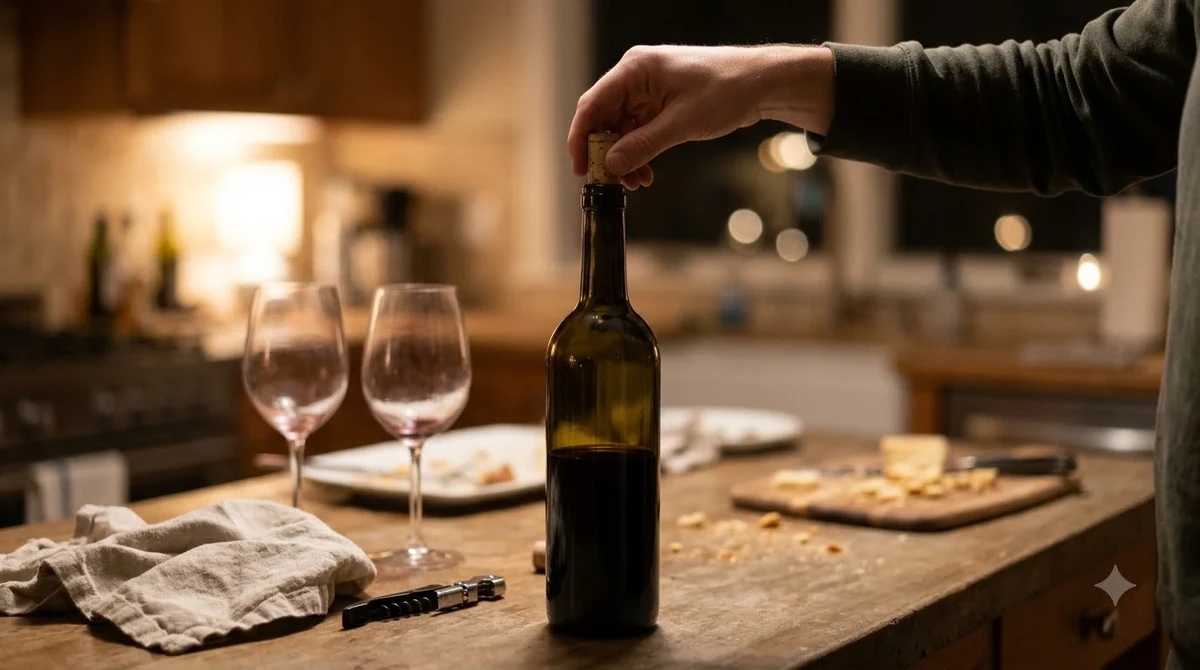
If you want to keep sugar intake low, dry Cabernet fits the goal. Choose a bottle that describes itself as dry, avoid wines that mention added sweetness, and be cautious with labels that stress jammy or dessert-like character. Those words usually describe ripe fruit, but they can also signal a sweeter style.
Portion control matters as much as the wine. A standard pour is easy to exceed, and a generous glass of Cabernet adds more alcohol and energy than many people expect. Pour a measured serving and pair it with food, which slows the pace of drinking and makes the wine feel more balanced.
Frequently Asked Questions
Does Cabernet sauvignon have sugar in it?
A dry Cabernet sauvignon has very little residual sugar, because fermentation turns most grape sugar into alcohol. Wine Folly describes the wine as dry, though it does not publish a specific sugar figure.
Why does Cabernet taste sweet if it is dry?
Ripe, dark fruit flavors such as blackberry and jammy plum can read as sweetness. The Wikipedia entry on the grape notes that very ripe New World examples may be perceived as sweet, which refers to fruit character rather than sugar.
Is Cabernet sauvignon lower in sugar than Sauvignon Blanc?
Both are dry wines. Wine Folly notes that a Marlborough Sauvignon Blanc may carry a gram or two of residual sugar, and the sources do not give a comparable figure for Cabernet, so the two are best treated as similarly dry.
Where do you find the sugar content of a specific bottle?
Check the producer’s technical sheet or website. Labels rarely print sugar, so a direct question to the winery is often the most reliable way to get the number.
Cabernet sauvignon is a dry red, and its sugar is a small part of the story. To see how the grape tastes and how to serve it, read the Cabernet sauvignon tasting notes guide, or compare the white style in the Sauvignon blanc sugar content article.
More in Wine Types & Grapes
 Zinfandel Sugar Content: Dry Red vs. White Zinfandel GramsUpdated Nov 21, 2026
 Best Zinfandel Substitute Options for Sipping and CookingUpdated Nov 21, 2026
 Zweigelt Food Pairing: Best Dishes, Cheeses, and Serving TipsUpdated Nov 21, 2026
 Zinfandel Tannins Explained: How Structure Shapes Every BottleUpdated Nov 21, 2026
 Zinfandel Sweetness Level: Dry Red vs. Sweet White Zin ExplainedUpdated Nov 21, 2026
 Xinomavro Food Pairing: Best Dishes, Styles, and Serving TipsUpdated Nov 21, 2026