

We may earn a commission when you buy through links on this page, at no extra cost to you. Learn more.
Oakville wine comes from a small, celebrated appellation in the middle of Napa Valley, best known for full-bodied Cabernet Sauvignon and Bordeaux-style red blends. The town gives its name to the Oakville AVA, a roughly 5,760-acre federal appellation approved in 1993, where about 5,000 acres are planted to vineyards. Most bottles labeled Oakville are red, but the district also grows white varieties such as Chardonnay.
This guide explains what the Oakville label means, where the vineyards sit, which grapes and styles define the district, and how to choose and serve a bottle. It is written for readers who are new to Napa Valley wine and want a clear starting point before they open a bottle or plan a tasting visit.
What Oakville Wine Actually Means
Oakville is a legal place name, not a grape or a house style. When a bottle says Oakville on the label, the grapes must come from the appellation, which is centered on the small town of Oakville about 10 miles northwest of the city of Napa. The rule matters because it tells you where the fruit was grown, which strongly shapes how the wine tastes.
Many people encounter the name through a single producer’s bottle, but Oakville is better understood as a district with its own climate and soils. Wine writers often treat it as one of the core reference points for Napa Valley reds, alongside better-known sub-regions such as Rutherford and Stags Leap District.
Where Oakville Sits in Napa Valley
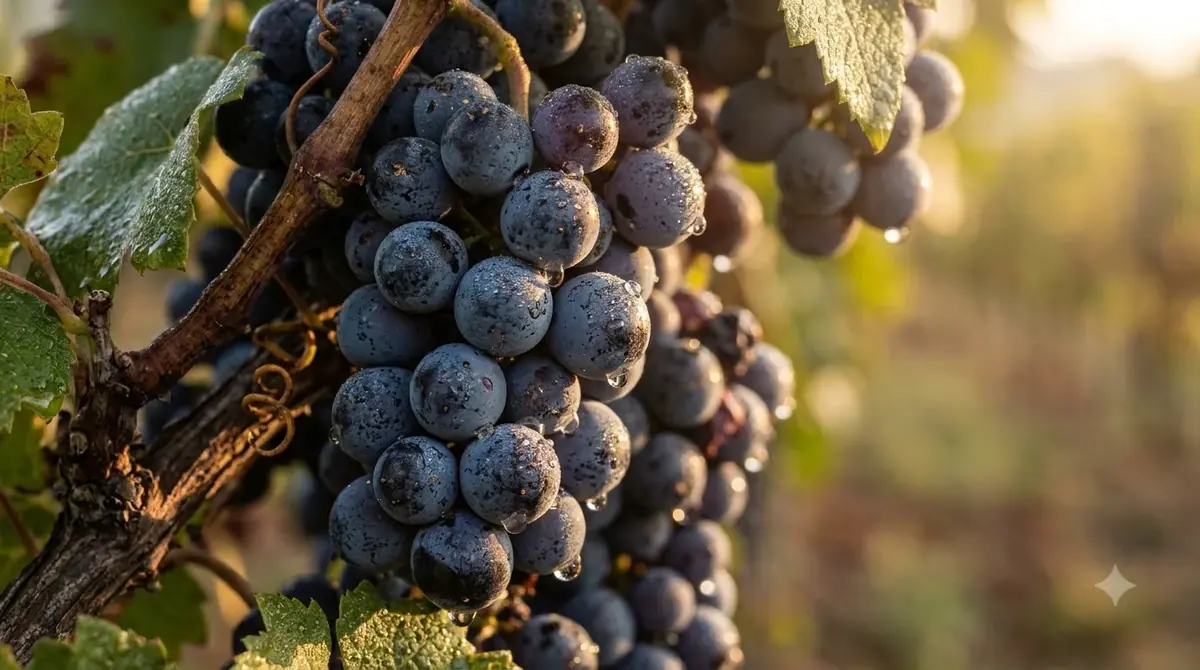
The Oakville AVA lies in the south-central part of the Napa Valley, in Napa County, California. The entry for the appellation describes it as covering about 9 square miles in total, with around 5,000 acres under vines and more than 50 wineries operating in or near the district. Those numbers help explain why the area feels so concentrated: a relatively small footprint holds a large share of the valley’s most prized vineyard land. Visitors often find that many estates sit within a short drive of one another, which makes a single day of tasting practical for people who want to compare several producers without long transfers between them.
The district’s identity is closely tied to its history. The historic To Kalon Vineyard is one of the reasons the area carries such a strong reputation for quality, and that legacy still shapes how the region is discussed today. If you want a broader map of the valley before you narrow down to Oakville, the Wine Regions guide on this site lays out the major districts and how they differ.
Grapes and Styles You Will Find
Oakville is most closely associated with Bordeaux varieties, especially Cabernet Sauvignon and Merlot. Cabernet Sauvignon is the flagship, and the typical profile is dark and concentrated, with black cherry, black currant, cedar, and baking spices. Wine Folly’s overview of the grape describes Cabernet Sauvignon as dry and full-bodied, with medium-high tannins and acidity, and notes that California Cabernets tend toward black currant, blackberry, pencil lead, and mint. Those notes match the way many Oakville reds are described by critics and producers.
The appellation also grows a wider range of varieties than most visitors expect. Chardonnay, Zinfandel, and Syrah appear in the district’s plantings, though the reds are the names most people associate with it. The table below gives a quick overview of the styles you are most likely to see on shelves and wine lists.
| Style | Main grapes | Typical character | Good first pick when |
|---|---|---|---|
| Cabernet Sauvignon | Cabernet Sauvignon | Black fruit, cedar, firm tannin, long finish | You want the classic Oakville expression |
| Bordeaux-style blend | Cabernet with Merlot and other Bordeaux varieties | Softer edges, more layered fruit, polished texture | You want a rounder red for a dinner |
| Merlot | Merlot | Plum and cherry, plush body, lower tannin | You prefer a smoother, fruit-forward red |
| White styles | Chardonnay | Citrus, stone fruit, and a range from crisp to richly textured | You want a white from the same district |
Notable Producers You Will See on Labels
Oakville’s reputation rests on a group of estates that appear again and again in critics’ lists and collector conversations. Harlan Estate, Screaming Eagle, and Spoto Wines are among the names most often cited for the district. Robert Mondavi Winery is also linked with the area through the historic To Kalon Vineyard, which many readers will recognize from the wider valley story.
Prices for these labels vary widely, and the best source for current availability is the producer or a licensed retailer. A name on a list does not guarantee that a particular vintage will suit your taste, so use producer names as starting points for research rather than as a ranking. Reading a few tasting notes from the same producer across different years is often the quickest way to learn their house style.
How to Serve and Pair Oakville Reds
Oakville Cabernet Sauvignon shows best at a cellar-like temperature, typically about 60 to 65 degrees Fahrenheit, rather than at room temperature in a warm kitchen. Give a young, tannic bottle about an hour in the glass, or decant it for 30 to 60 minutes if the wine is young and firmly structured. A large Bordeaux-style glass helps concentrate the aromas and lets the wine open.
The wines pair well with rich, savory dishes. Grilled red meat, roast lamb, braised short ribs, and aged cheeses all complement the structure and fruit of a well-made Oakville red. Lighter Merlot or the white styles suit roasted chicken, pork, and seafood with butter-based sauces. Matching weight is the simplest rule: heavier wines need heavier food, and lighter wines need dishes that will not overwhelm them. Acidity matters too. A wine with bright acidity can cut through fatty foods, while a very tannic red benefits from protein and fat, which soften the grip of the tannin on the palate.
Tip: Serve red wines in small pours with food. Enjoying them slowly, with a meal and plenty of water, is the best way to appreciate the structure.
How to Choose an Oakville Bottle
Start with the style you want, then look at the vintage and producer. Young Oakville Cabernets can be powerful and closed when first released, so a bottle that has had a few years in the cellar often shows more balance. Check the producer’s technical sheet or tasting notes if you want details on the vintage conditions and grape blend, since those vary from year to year.
Price is a poor guide on its own, because the district includes everything from modestly priced bottles to rare, allocation-only wines. A helpful approach is to buy a bottle from a Bordeaux-style blend first, then move toward single-vineyard Cabernets once you know which profile you prefer. Ask your retailer which vintage they would serve at dinner, and look for staff who can describe the wine in plain language. If you plan a trip rather than a purchase, the Illinois wine trail guide on this site shows how a regional tasting route can be planned around a few tasting rooms, a useful model for building a day in any wine district.
Frequently Asked Questions
Is Oakville wine always red?
No, although red wines are the best known. The district grows white varieties such as Chardonnay, but Cabernet Sauvignon and Bordeaux-style blends dominate the reputation and the labels most people see.
Where is the Oakville AVA located?
It sits in the south-central part of Napa Valley, in Napa County, California, centered on the town of Oakville about 10 miles northwest of the city of Napa. It is one of the valley’s best-known appellations.
Is Oakville Cabernet a good wine for beginners?
It can be, but the firm tannins and concentrated fruit of young Cabernet are an acquired taste. Many beginners find a Bordeaux-style blend or a Merlot easier at first and move to Cabernet once they are comfortable with fuller reds.
How long should I age an Oakville red?
Aging depends on the producer, vintage, and style. Many structured Cabernets benefit from several years in the cellar, while lighter Merlot-based wines are often ready sooner. Check the producer’s recommendations and taste a bottle before committing to long storage.
Oakville is a compact district with a wide reputation, and its wines reward patient reading and tasting. Start with the grape and style you enjoy, pick a vintage that suits your schedule, and visit the valley’s broader wine regions to see how Oakville compares with its neighbors. Always drink responsibly and plan your transport before a tasting day.
More in Wine Regions
 Willcox Wine Trail: Discover Arizona’s High-Elevation Wine CountryUpdated Nov 20, 2026
 Yakima Valley Wine Region: Find the Best Styles to TryUpdated Nov 20, 2026
 Vosne Romanee Wine Tasting: Identify Aromas and Choose Better PairingsUpdated Nov 20, 2026
 Yakima Valley Wine Festival: Find the Best Seasonal Wine EventsUpdated Nov 20, 2026
 Wales Vineyards: Discover Cool-Climate Wines and Where to VisitUpdated Nov 20, 2026
 Yountville Wine Festival: Discover Napa Wines and Local FoodUpdated Nov 20, 2026