

We may earn a commission when you buy through links on this page, at no extra cost to you. Learn more.
The oakville wine region is a celebrated Napa Valley appellation in California, best known for producing structured, elegant Cabernet Sauvignon with concentrated dark-fruit flavors and distinctive vineyard character. Officially recognized as an American Viticultural Area (AVA) in 1993, Oakville benefits from warm summer afternoons, cooling morning fog, and a remarkable range of volcanic and alluvial soils. Its historic vineyards, including To Kalon, and renowned producers have helped establish the district as one of California’s most important sources of premium Cabernet Sauvignon.
Located between Yountville and Rutherford in the central part of Napa Valley, Oakville occupies a relatively small geographical area with considerable differences in terrain and growing conditions. Cabernet Sauvignon dominates its reputation, but Sauvignon Blanc, Merlot, and Cabernet Franc also contribute to the appellation’s identity. Understanding Oakville means looking beyond famous labels to the combination of climate, soil, vineyard history, grape varieties, and winemaking decisions that shape its wines.
Where Oakville Sits Within Napa Valley
Oakville occupies a central position in Napa Valley, where northern warmth meets cooling marine influences from the San Pablo Bay area. Its location creates conditions suitable for Cabernet Sauvignon while allowing differences between individual vineyards to remain important.

The Oakville AVA is situated between Yountville to the south and Rutherford to the north. Highway 29 and the Silverado Trail provide two important north-south routes through this part of Napa Valley. The appellation extends across the valley floor and onto the lower slopes of the surrounding mountain ranges, including the Vaca Mountains to the east and the Mayacamas Mountains to the west.
Oakville is a relatively compact district, approximately two miles wide according to the Oakville Winegrowers organization. Its elevation ranges from approximately 130 to 1,000 feet above sea level, creating meaningful differences in exposure, temperature, and drainage. Vineyards on the valley floor experience different conditions from properties positioned higher on the surrounding slopes.
The neighboring appellations help explain Oakville’s identity. Rutherford, immediately north, is another major Cabernet Sauvignon district, while Yountville to the south experiences somewhat cooler conditions influenced by marine air. Oakville combines the advantages of a relatively warm central valley location with overnight cooling that helps retain freshness.
The appellation became officially recognized in 1993, giving its producers a geographical identity distinct from the broader Napa Valley designation. An Oakville AVA designation identifies where the grapes were grown, rather than guaranteeing a particular winemaking method, aging period, or flavor profile.
This distinction matters when buying wine. A bottle labeled Napa Valley may contain grapes from multiple parts of the larger region, whereas an Oakville designation identifies a more specific growing area. The narrower geographical origin can help consumers understand the environmental influences behind the wine.
Oakville’s position also makes it an important reference point for understanding Napa Cabernet Sauvignon. Comparing an Oakville bottle with wines from Rutherford, St. Helena, or Howell Mountain reveals how relatively small geographical differences can influence ripeness, tannin, acidity, and overall structure.
For broader comparisons, readers interested in how smaller appellations develop distinct identities can also explore the Wine Regions collection, which examines the relationship between geography, grape varieties, and wine styles across established growing areas. The contrast with the Savoie wine region in the French Alps is particularly interesting because its mountain vineyards produce a very different range of wines and growing conditions.
Climate, Fog, and Growing Conditions
Oakville has a moderately warm Mediterranean climate, with summer temperatures commonly reaching the mid-90s Fahrenheit. Evening and early-morning fog provide an important cooling influence, helping grapes retain acidity while developing mature fruit flavors.
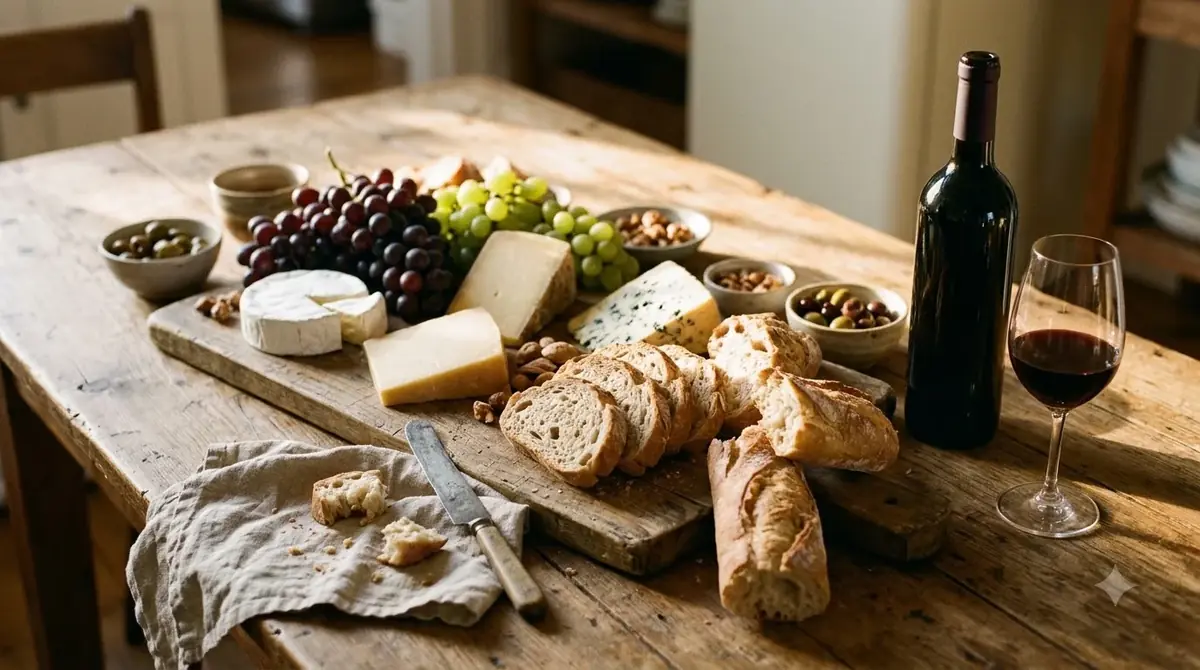
Summer warmth gives Cabernet Sauvignon sufficient opportunity to ripen in Oakville. During the growing season, long periods of sunshine support the development of dark-fruit characteristics, mature tannins, and concentrated flavors. These conditions are particularly suitable for Cabernet Sauvignon, a grape that generally needs a relatively long growing season to achieve full ripeness.
However, Oakville is not simply a hot growing area. Fog moving inland from the Pacific and San Pablo Bay region can influence overnight and early-morning temperatures. This cooling effect slows the rate of ripening and provides a useful contrast to warm daytime conditions.
The temperature difference between afternoon and nighttime conditions is important for grape development. Warm days encourage sugar accumulation and phenolic ripening, while cooler nights help preserve acidity. The resulting balance can give Oakville Cabernet Sauvignon both ripe fruit character and a firm structural framework.
According to Napa Valley Vintners, summer temperatures in Oakville commonly reach the mid-90s Fahrenheit, and evening and early-morning fog help maintain acidity. The eastern side receives warmer afternoon sunshine, while western locations may benefit from greater afternoon shade. Its Oakville AVA regional profile provides additional detail about these climatic and geographical characteristics.
Annual rainfall is approximately 34 to 36 inches. Most of this precipitation arrives during the cooler part of the year rather than the dry summer growing season. Vineyard managers therefore pay close attention to soil water retention, irrigation, canopy management, and the timing of seasonal rainfall.
The relatively dry summer conditions help reduce some moisture-related vineyard pressures, although growers must still manage heat exposure, water availability, and the risk of uneven ripening. Different vineyard blocks may require different approaches because soil depth, slope, and sunlight exposure are not uniform throughout the appellation.
Harvest timing varies according to grape variety, vineyard location, growing-season weather, and the winemaker’s preferred style. Cabernet Sauvignon generally ripens later than many white varieties, so producers monitor sugar levels, acidity, seed development, and skin maturity before deciding when to pick.
These conditions explain why Oakville can produce wines with considerable concentration without necessarily sacrificing freshness. The combination of warm afternoons and cooler nights is central to the appellation’s reputation for balanced, age-worthy Cabernet Sauvignon.
Oakville’s Soils and Vineyard Terroir
Oakville contains several distinct soil environments, including western gravelly alluvial deposits, central loam-based soils, and eastern volcanic material. These differences influence water drainage, vine growth, and the character of grapes harvested from individual vineyard sites.
The western side of the appellation is particularly associated with gravelly alluvial fans. These deposits formed through geological processes involving material carried down from the surrounding mountains. Gravel and coarse sediments create relatively free-draining conditions, although the deeper soil profile can still retain useful amounts of moisture.
These western benchland soils are associated with important vineyard names such as To Kalon and Martha’s Vineyard. Their gravelly composition and location have helped establish the western part of Oakville as an influential source of Cabernet Sauvignon.
In the central valley, soils tend to be deeper and darker, with loam-based compositions. These soils can provide a different balance of water retention and drainage compared with the western gravelly deposits. The resulting vineyard conditions influence how vines develop throughout the growing season.
Eastern Oakville contains a greater influence from volcanic material. Some soils are rust-red and iron-rich, with volcanic components mixed into gravel and loam. These heavier soils differ from the more gravelly western benchland and can create different conditions for root development and water availability.
The distinction between eastern and western vineyards is more than a geological curiosity. According to Napa Valley Vintners, western hillside sites that receive protection from afternoon sunshine can produce wines described as more brooding and mineral in character. Eastern volcanic hillside vineyards, which receive warmer afternoon exposure, are associated with dusty, savory, and dried-fruit characteristics.
These descriptions are broad tendencies rather than rules that apply to every bottle. Vineyard elevation, vine age, grape selection, harvest timing, fermentation, and barrel aging all influence the finished wine. Two neighboring vineyards can produce noticeably different Cabernet Sauvignon even when they share the same general soil category.
Oakville’s terroir is therefore best understood as a combination of environmental factors rather than a single soil type. Temperature, sunlight, rainfall, drainage, slope, and vineyard management work together to determine how grapes mature.
The appellation’s geographical diversity also explains why producers often emphasize individual vineyard sources. A wine made from a specific site may express a recognizable combination of fruit concentration, acidity, tannin, and savory character that differs from a broader regional blend.
Tip: When comparing two Oakville Cabernet Sauvignons, look for vineyard or subregional information on the producer’s website. A western benchland source and an eastern volcanic hillside source can offer different expressions even when both wines are made primarily from Cabernet Sauvignon.
Principal Grapes Grown in Oakville
Cabernet Sauvignon is the defining grape of Oakville, supported by Merlot, Cabernet Franc, and Sauvignon Blanc. These varieties reflect the appellation’s warm growing conditions and its ability to produce both powerful red wines and distinctive white wines.
Cabernet Sauvignon dominates Oakville’s international reputation. The grape develops concentrated dark-fruit flavors in the area’s warm conditions, commonly showing blackcurrant, blackberry, plum, and dark cherry. Depending on the producer, additional aromas may include cedar, tobacco, graphite, herbs, and baking spices.
Cabernet Sauvignon naturally has high tannin, giving Oakville reds a firm structure and the potential to develop additional complexity with bottle aging. Many examples have substantial body, persistent finishes, and sufficient acidity to balance ripe fruit. Oakville Cabernet is therefore frequently associated with premium Napa Valley wines intended for both immediate enjoyment and cellaring.
Merlot offers a softer alternative. It generally has medium tannin and can show plum, black cherry, red fruit, and chocolate-like notes. In Oakville, Merlot may be bottled independently or blended with Cabernet Sauvignon to add roundness and complementary fruit character.
Cabernet Franc contributes another dimension to the district’s red wine production. It can provide aromatic complexity, red and dark fruit, herbal notes, and additional structural detail in Bordeaux-inspired blends. The grape is particularly useful when producers want to build complexity without relying entirely on Cabernet Sauvignon.
Sauvignon Blanc demonstrates that Oakville’s identity is not limited to red wine. This variety generally has high acidity and can show citrus, grapefruit, green apple, tropical fruit, and herbal characteristics. Oakville examples vary according to harvest timing, fermentation temperature, and whether the producer uses stainless steel, oak, or a combination of vessels.
Some Sauvignon Blanc producers emphasize freshness and citrus-driven aromas, while others create richer styles through lees contact or barrel fermentation. The grape’s natural acidity can provide a refreshing contrast to the region’s warm climate.
The following table summarizes the main varieties and their typical characteristics. The flavor descriptions are general expectations, not fixed characteristics of every Oakville bottle.
| Grape variety | Typical structure | Common flavor characteristics | Main role |
|---|---|---|---|
| Cabernet Sauvignon | High tannin, full body | Blackcurrant, blackberry, cedar | Signature red wine |
| Merlot | Medium tannin, medium to full body | Plum, cherry, chocolate | Blending and varietal red wines |
| Cabernet Franc | Medium to high tannin | Red berries, herbs, spice | Blending and aromatic complexity |
| Sauvignon Blanc | High acidity, light to medium body | Citrus, grapefruit, green apple | Signature white wine option |
Oakville’s grape selection reflects both climate and market identity. Cabernet Sauvignon remains the most recognizable variety, but the other grapes demonstrate how the appellation can produce wines with different textures and aromatic profiles. Readers interested in another cool-climate European wine culture can compare these varieties with those found in the Switzerland wine region, where alpine geography and local grape traditions create a very different regional identity.
Oakville Cabernet Sauvignon: Flavor, Structure, and Aging
Oakville Cabernet Sauvignon typically combines ripe dark fruit, substantial tannin, balanced acidity, and a long finish. Its character can range from polished and approachable to deeply concentrated wines designed for extended bottle aging.
Blackcurrant and blackberry are common fruit references, often accompanied by plum, black cherry, and darker fruit preserves. Some bottles also show violet, dried herbs, tobacco, graphite, or cedar. These secondary characteristics depend on the vineyard, fermentation choices, oak program, and time spent in bottle.
Oakville’s warm climate encourages ripe fruit expression, but the cooling influence of morning fog can help prevent the wines from becoming excessively heavy. This combination contributes to the appellation’s reputation for Cabernet Sauvignon with both power and finesse.
Tannin is an important part of the style. Cabernet Sauvignon naturally has high tannin, which creates a drying sensation along the gums and gives the wine structure. Young Oakville examples can feel firm, especially when they have been aged in new oak barrels or made with concentrated fruit.
Acidity provides another essential component. Although Cabernet Sauvignon is generally less acidic than Sauvignon Blanc or Riesling, balanced acidity helps keep the wine from feeling overly broad or heavy. Oakville’s cooler nights contribute to this balance by moderating the effects of daytime warmth.
How oak aging affects the wine
Many Oakville Cabernet Sauvignons spend time in oak barrels. New French oak can introduce aromas of vanilla, toast, cedar, clove, and baking spices, while older barrels contribute less obvious wood character and allow the fruit to remain more prominent.
Oak aging also influences texture. During maturation, gradual oxygen exposure can help integrate tannins and bring greater harmony between fruit, acidity, and structural components. The length of aging and the proportion of new oak vary considerably between producers.
Barrel aging should not be confused with grape quality or geographical identity. Two wines from the same vineyard can taste different because of fermentation temperature, extraction, blending decisions, barrel selection, and time in bottle.
Should Oakville Cabernet Sauvignon be aged?
Many premium examples have the structure to develop over several years, and some carefully made wines can evolve over a decade or longer under suitable storage conditions. However, not every bottle requires extended aging. Some producers create wines that are enjoyable relatively young, with softer tannins and more immediately accessible fruit.
For a young, full-bodied Cabernet Sauvignon, decanting for approximately 30 to 60 minutes can help the wine open up. Older bottles require more careful handling because extended aeration can sometimes diminish delicate aromas. A gentle pour and a short settling period may be preferable when sediment is present.
Serve Oakville Cabernet Sauvignon at approximately 60 to 65 degrees Fahrenheit. This temperature range helps preserve its aromatic complexity without emphasizing alcohol or making the wine feel overly warm.
Store unopened bottles on their sides in a cool, dark environment near 55 degrees Fahrenheit, with relatively stable temperature and limited vibration. Consistent storage conditions are more important than occasional fluctuations in an otherwise cool location.
Notable Vineyards, Producers, and Oakville’s History
Oakville’s reputation rests on a long history of vineyard development, influential producers, and celebrated vineyard sites. To Kalon, H.W. Crabb, Robert Mondavi, Opus One, and Harlan Estate are important names associated with the appellation’s development and modern identity.
The area’s early wine history is closely connected to George C. Yount, who received the Rancho Caymus land grant in 1836. Yount was an important early landowner in Napa Valley and planted Mission grapes in the area. His agricultural activity helped establish the foundations for later commercial grape growing.
The village of Oakville developed during the 1860s as a water stop for the Napa Valley Railroad Company. The name is associated with the native valley oak trees that once grew throughout the district. The arrival of transportation infrastructure helped connect the developing wine community with other commercial centers.
A particularly important figure was H.W. Crabb, who purchased 240 acres near the Napa River in 1868. He established his To Kalon winery, using a Greek name translated as “The Highest Beauty.” By the late 1870s, his operation was producing more than 50,000 gallons of wine annually from 130 planted acres.
To Kalon remains one of the appellation’s most recognized vineyard names. Its historical importance and location on Oakville’s western bench have helped make it a reference point in discussions about Napa Valley Cabernet Sauvignon.
Other well-known producers associated with Oakville include Robert Mondavi, Joseph Heitz, Groth, Far Niente, Opus One, Dalla Valle, Harlan Estate, and Screaming Eagle. Their presence illustrates the range of approaches represented within the appellation, from established Napa Valley producers to highly sought-after Cabernet Sauvignon specialists.
These names should not be treated as interchangeable examples of one uniform style. Each producer has its own vineyard sources, blending preferences, barrel program, and approach to ripeness. Some emphasize concentrated, powerful Cabernet Sauvignon, while others place greater emphasis on freshness, texture, and site expression.
The University of California, Davis also maintains Oakville Station, a 40-acre research vineyard and laboratory facility in the appellation. Its presence highlights the area’s importance not only as a commercial wine-producing district but also as a location for viticultural research and education.
Today, Oakville has more than 5,000 acres planted to grapevines and more than 50 wineries sourcing grapes from the AVA, according to Napa Valley Vintners. This combination of vineyard concentration, historic sites, and experienced producers has helped maintain its prominent position within California wine.
Its development also demonstrates how geographical identity can become closely connected to wine reputation. The Oakville name represents more than a particular grape variety; it communicates a specific growing location with a long history of vineyard cultivation and distinctive environmental conditions. The Oakville Winegrowers historical overview provides further information about H.W. Crabb, To Kalon, and the area’s early wine industry.
Food Pairings and Serving Oakville Wines
Oakville Cabernet Sauvignon pairs especially well with grilled beef, lamb, aged cheeses, and other savory foods that can balance its substantial tannin. Sauvignon Blanc offers a different pairing direction, working particularly well with seafood, vegetables, and dishes that benefit from refreshing acidity.
For Cabernet Sauvignon, grilled ribeye is a classic choice. The protein and fat in the beef soften the perception of tannin, while the wine’s dark-fruit flavors complement the rich, savory character of the meat. A grilled New York strip or slow-roasted beef roast also makes a strong match.
Roasted lamb with rosemary and garlic is another suitable pairing. Lamb has enough flavor and richness to stand alongside full-bodied Cabernet Sauvignon without overwhelming the wine. The herbal seasoning also complements the savory notes that can develop in aged examples.
For a vegetarian pairing, consider grilled portobello mushrooms, roasted eggplant, or lentil dishes with herbs. Their earthy flavors can complement the darker fruit and savory characteristics of Cabernet Sauvignon. A dish with substantial texture and moderate richness is generally more successful than delicate vegetables served without seasoning.
Aged cheddar, Gouda, and hard sheep’s-milk cheeses are also suitable options. Salt and fat soften tannin, making rich cheeses useful partners for Cabernet Sauvignon. Very mild fresh cheeses may be less satisfying alongside a concentrated Oakville red.
Sauvignon Blanc works better with a different range of foods. Grilled shrimp, oysters, goat cheese, lemon-seasoned vegetables, and fresh salads are useful choices. Its high acidity can refresh the palate between bites and complement foods containing citrus or herbal ingredients.
Merlot provides additional flexibility because its tannins are generally softer than those of Cabernet Sauvignon. Roast chicken with mushrooms, pork tenderloin, meatloaf, and moderately seasoned pasta dishes can all work well, depending on the wine’s weight and oak influence.
Serving temperature matters. Cabernet Sauvignon is best served at approximately 60 to 65 degrees Fahrenheit, while Sauvignon Blanc generally benefits from a cooler 45 to 50 degrees Fahrenheit. Merlot can be served at approximately 55 to 60 degrees Fahrenheit when made in a lighter style, or slightly warmer when fuller-bodied.
Pouring approximately 5 ounces per glass allows room for aromas to develop and makes it easier to evaluate the wine. A standard 750-milliliter bottle provides approximately five such servings.
Oakville Cabernet Sauvignon is not an ideal match for every dish. Highly spicy food can make its alcohol and tannins feel more pronounced, while delicate oily fish can clash with its tannic structure. For chili-heavy meals, a lower-alcohol, less tannic wine is generally a more comfortable choice.
When pairing with dessert, sweetness is particularly important. The wine should be at least as sweet as the dessert to avoid tasting harsh or overly dry. Most Oakville Cabernet Sauvignon is dry, so it is generally better suited to savory courses than sweet desserts.
For a complete meal, a useful approach is to serve Oakville Sauvignon Blanc with a seafood starter, Merlot with a roasted poultry course, and Cabernet Sauvignon with grilled beef or lamb. This progression allows the wines to become more structured as the meal develops.
Frequently Asked Questions
Is Oakville an official wine appellation?
Yes. Oakville is a federally recognized American Viticultural Area within Napa Valley. Its AVA boundary is established through the United States wine appellation system, which defines geographical growing areas rather than guaranteeing a specific quality grade. Producers must follow applicable appellation and labeling regulations when identifying the origin of their wines.
Is To Kalon a winery or a vineyard?
To Kalon is a historically important vineyard name associated with H.W. Crabb’s original Oakville property. Crabb established his winery there in 1868, and the name became closely connected with the area’s early premium wine production. It is now recognized as one of the most significant historical vineyard names in Napa Valley.
Does Oakville produce sparkling wine?
Oakville is primarily associated with still wines, particularly Cabernet Sauvignon, but the broader Napa Valley produces sparkling wines from several grape varieties. Traditional-method sparkling wines undergo their second fermentation in the bottle. For sparkling wine, Brut Nature is drier than Extra Brut, Brut, Extra Dry, Dry, Demi-Sec, and Doux.
What does AVA mean on an American wine label?
AVA stands for American Viticultural Area, a defined grape-growing region recognized by the United States government. An appellation name on a qualifying wine label indicates geographical origin under federal labeling requirements. For an Oakville AVA designation, at least 85% of the grapes must come from within that appellation.
What is the difference between Oakville and Napa Valley Cabernet Sauvignon?
Napa Valley is the larger appellation, while Oakville is one of its geographically defined sub-appellations. A Napa Valley Cabernet Sauvignon may contain grapes from multiple Napa growing districts, whereas an Oakville-designated wine must meet the specific grape-origin requirements for that smaller area. This distinction helps buyers identify a more precise geographical source.
The Oakville wine region combines a favorable Cabernet Sauvignon climate, diverse vineyard soils, and an important history of California winemaking. Its wines provide an excellent way to understand how individual vineyard locations influence Napa Valley’s most recognizable red grape. Whether choosing a structured Cabernet Sauvignon, a softer Merlot, or a refreshing Sauvignon Blanc, Oakville offers a distinctive expression of Napa Valley wine culture.
More in Wine Regions
 Willcox Wine Trail: Discover Arizona’s High-Elevation Wine CountryUpdated Nov 20, 2026
 Yakima Valley Wine Region: Find the Best Styles to TryUpdated Nov 20, 2026
 Vosne Romanee Wine Tasting: Identify Aromas and Choose Better PairingsUpdated Nov 20, 2026
 Yakima Valley Wine Festival: Find the Best Seasonal Wine EventsUpdated Nov 20, 2026
 Wales Vineyards: Discover Cool-Climate Wines and Where to VisitUpdated Nov 20, 2026
 Yountville Wine Festival: Discover Napa Wines and Local FoodUpdated Nov 20, 2026