


We may earn a commission when you buy through links on this page, at no extra cost to you. Learn more.
Nerello mascalese tasting notes center on bright red fruit like sour cherry and wild strawberry layered with orange zest, dried thyme, sweet tobacco, and unmistakable crushed volcanic rock. Grown primarily on the mineral-rich slopes of Mount Etna in Sicily, this light- to medium-bodied red wine combines pale ruby color with brisk acidity and firm, gripping tannins. Reviewers often compare its aromatic lift to Pinot Noir and its structural backbone to Nebbiolo.
Because Nerello Mascalese ripens late in high-altitude volcanic vineyards, the resulting wines balance delicate floral perfumes with savory earthiness. Understanding how soil, elevation, and blending shape each bottle will help you recognize what to expect in the glass and choose the right meal to serve alongside it.
What It Is
Nerello Mascalese is an indigenous Sicilian red wine grape named after the Mascali plain situated between Mount Etna and the Ionian coast, with “nerello” referring to the dark hue of its grape skins. Despite its dark berries, the variety produces translucent, pale-to-medium ruby wines that punch far above their visual weight in structure and complexity.
Genetic research shows that Nerello Mascalese is an ancient native crossing involving Sangiovese, which helps explain its naturally high acidity and savory herbal edge. While small plantings exist in Calabria on the Italian mainland, the grape’s spiritual and commercial home is eastern Sicily, where roughly 7,400 acres are cultivated across steep terraced hillsides. Many surviving parcels feature traditional alberello bush vines, including rare pre-phylloxera plantings that yield concentrated, expressive fruit.
In regional appellations such as Etna DOC and Faro DOC, Nerello Mascalese serves as the dominant varietal backbone. Winemakers frequently blend it with a smaller percentage of Nerello Cappuccio, a softer, darker-pigmented partner grape that adds deeper color and plushness to temper Nerello Mascalese’s naturally taut tannins. However, single-varietal bottlings have surged in popularity as producers highlight distinct single-vineyard sites, known locally as contrade.
Flavor and Styles
On the nose and palate, Nerello Mascalese delivers a striking contrast between high-toned red fruit and brooding volcanic minerality. Young examples open with crisp sour cherry, cranberry, red plum, and blood orange peel before shifting into dried herbs, allspice, crushed gravel, and faint woodsmoke.
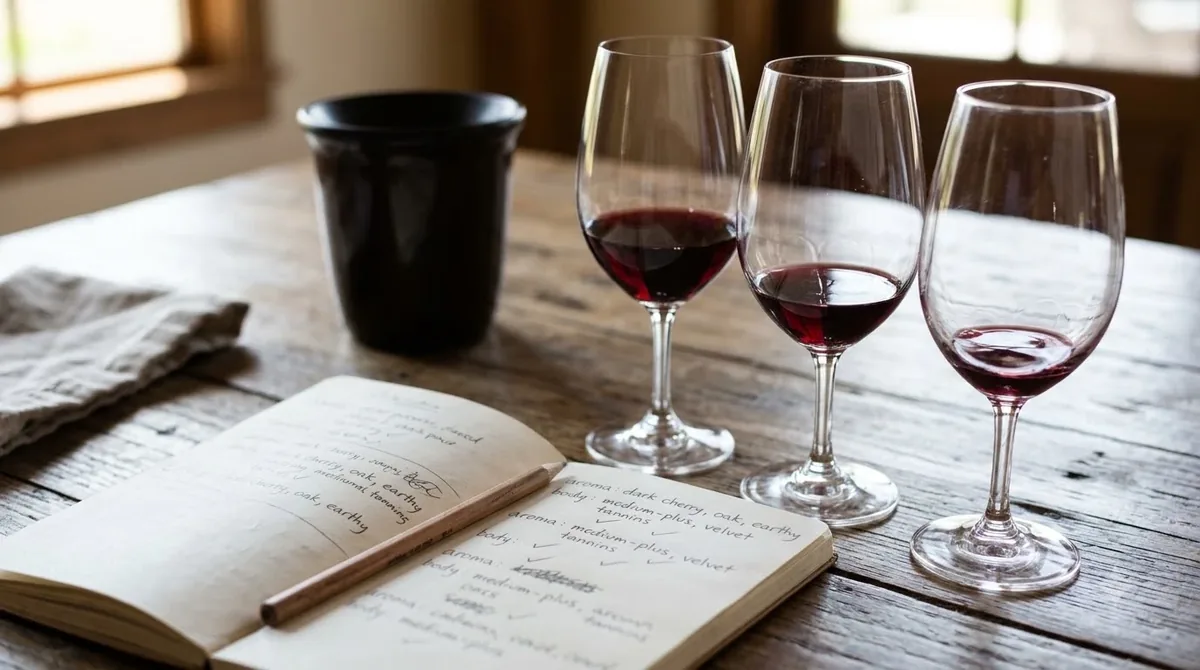
According to Wine Folly, primary flavor markers include dried cherry, orange zest, dried thyme, allspice, and crushed gravel. When poured young, the wine can initially seem tightly wound or slightly turned inward, needing a few swirls in the glass to release violet, dried rose petal, and wild strawberry aromatics. Beneath that bright surface lies a firm framework of moderately high acidity and fine-grained, chalky tannins that linger across a long, savory finish.
Winemaking choices and vineyard elevation create distinct stylistic expressions across Sicily. Entry-level Etna Rosso bottlings fermented in stainless steel or neutral large oak casks emphasize crunchy red berries, citrus peel, and lively freshness meant for early enjoyment. Single-contrada wines from higher elevations or older vines spend extended time aging in large Slavonian oak botti or French barrels, developing deeper layers of leather, sweet pipe tobacco, forest floor, and iron-like minerality that reward five to fifteen years in the cellar. Producers also craft crisp, copper-hued Etna Rosato and traditional-method sparkling wines from the grape, capturing its brisk acidity and saline finish without heavy tannin extraction.
| Tasting Dimension | Young & Unoaked Styles | Aged & Single-Contrada Styles |
|---|---|---|
| Appearance | Translucent pale ruby with bright garnet edges | Medium garnet-ruby with subtle bricking at the rim |
| Primary Aromas | Sour cherry, wild strawberry, blood orange zest, violet | Dried cherry, red plum, dried rose petal, sweet tobacco |
| Savory & Earth Notes | Crushed gravel, dried thyme, fresh oregano, white pepper | Volcanic ash, iron, forest floor, leather, allspice |
| Structure & Finish | Crisp, high acidity with snappy, fine-grained tannins | Broad, silky mid-palate with firm, persistent grip |
Where It Grows
Mount Etna is the undisputed epicenter of Nerello Mascalese, offering a dramatic viticultural landscape shaped by Europe’s largest active volcano. Vineyards climb terraced slopes from roughly 1,300 feet up to more than 3,300 feet above sea level, making them some of the highest-altitude wine sites in Europe.
Elevation and diurnal temperature swings play a decisive role in shaping the grape’s flavor profile. Warm Mediterranean days allow the late-ripening berries to develop concentrated red fruit flavors, while cold mountain nights lock in natural acidity and slow down sugar accumulation. At higher altitudes, grapes also develop slightly thicker skins to protect against intense sunlight, which translates into firmer tannin structure and stronger cellar longevity.
Beneath the vines, centuries of lava flows have created a patchwork of decomposed basalt, black volcanic sand, ash, and pumice. Because each eruption deposited different mineral compositions across the northern, eastern, and southern slopes, wines from neighboring contrade can taste noticeably different even when grown only a few hundred yards apart. Beyond Etna, the coastal appellation of Faro DOC near Messina blends Nerello Mascalese with Nerello Cappuccio and Nocera to produce aromatic, sea-breeze-influenced reds with softer tannins and ripe plum notes.
How to Serve
Serving Nerello Mascalese at a slight cellar chill brings out its vibrant red fruit and floral perfume while keeping its alcohol and tannins in harmony. Aim for a serving temperature between 55°F and 60°F (12°C to 15°C), roughly twenty minutes in the refrigerator before pulling the cork.
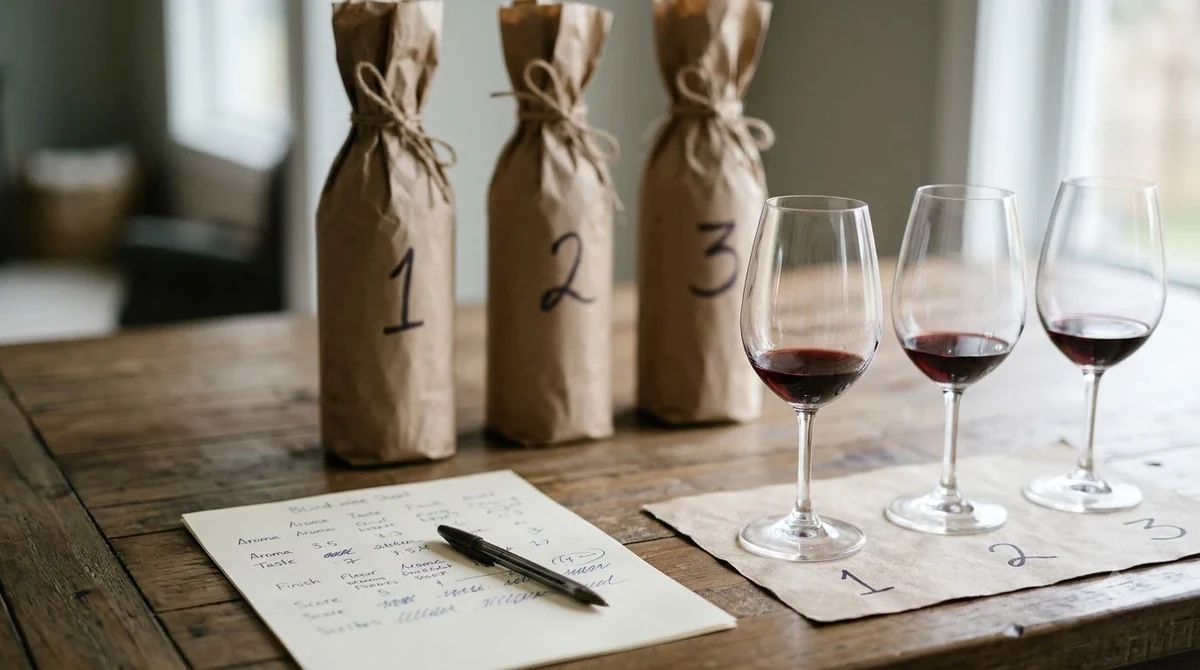
Glassware makes a noticeable difference with aromatic, pale-skinned varieties. Pour the wine into a wide-bowled Burgundy or aroma-collector glass with a tapered rim so the delicate rose, orange peel, and herbal notes can gather above the surface. If a bottle is served too warm, the high acidity can feel sharp and the alcohol may mask its subtle volcanic minerality.
Decanting is helpful for most red bottlings, even those that look light in the glass. Young, structured Etna Rosso wines benefit from 30 to 45 minutes in a decanter to soften their youthful tannic grip and open up shy aromatics. For older single-vineyard vintages aged eight years or more, decant gently for about 30 minutes purely to separate natural sediment without dissipating fragile tertiary notes of tobacco and dried flowers.
Tip: Do not let the pale ruby color fool you into treating Nerello Mascalese like a casual Beaujolais; give young bottles at least 30 minutes of air so the firm volcanic tannins relax.
Food Pairing
Thanks to its lively acidity, moderate weight, and savory herbal undertones, Nerello Mascalese is one of the most versatile food wines at the dinner table. It bridges the gap between seafood and red meat, pairing effortlessly with dishes rich in roasted tomatoes, Mediterranean herbs, and umami.
Traditional Sicilian cuisine offers natural pairing templates built around the grape’s citrus and herb notes. Meaty fish such as grilled swordfish or seared tuna dressed with capers, olives, and cherry tomatoes play off the wine’s bright acidity without clashing with its tannins. Classic pasta dishes like Pasta alla Norma with fried eggplant, salted ricotta, and basil, or caponata simmered with sweet-and-sour vegetables, echo the wine’s earthy sweetness and herbal finish.
When serving meat or vegetarian mains, match the wine’s moderate body rather than overwhelming it with heavy cream or sugary sauces. Herb-roasted pork loin, grilled Italian sausages, meatballs in tomato sauce, roasted quail, and wild mushroom risotto all highlight its savory spice and forest-floor character. If you are building a cheese board, choose semi-aged sheep’s milk cheeses like Sicilian Pecorino, Caciocavallo, or nutty Gruyère, which soften the wine’s brisk finish. Readers who enjoy this balance of red berry fruit and savory spice will also appreciate exploring grenache tasting notes for warmer-climate alternatives.
How to Choose a Bottle
Shopping for Nerello Mascalese becomes straightforward once you know how Sicilian wine labels classify vineyard origin and blending rules. Because the grape name does not always appear prominently on the front label, look first for regional appellations like Etna Rosso DOC or Faro DOC.
Under Etna Rosso DOC regulations, a wine must contain at least 80 percent Nerello Mascalese, with up to 20 percent Nerello Cappuccio permitted in the blend. Bottles labeled simply as Etna Rosso typically blend fruit from multiple vineyards and offer approachable red fruit, bright acidity, and easy drinkability in their youth. If you want deeper terroir expression and firmer aging structure, look for the word “Contrada” followed by a specific district name—such as Feudo di Mezzo, Guardiola, or Santo Spirito—which indicates single-vineyard fruit from distinct lava flows.
Pay attention to vintage conditions and producer style as well. As VinePair notes, even vineyards located within a few hundred meters of one another on Etna can yield dramatically different expressions ranging from delicate and floral to bold and firmly tannic. Check the back label for alcohol levels—typically sitting between 12.5% and 14% ABV—to gauge ripeness, and browse broader Wine by Type guides if you want to compare volcanic reds against other light- and medium-bodied styles.
Frequently Asked Questions
Is Nerello Mascalese sweet or dry?
Nerello Mascalese is fermented completely dry, meaning it contains virtually no residual sugar. Although ripe wild strawberry, blood orange, and sweet spice aromas can give an impression of fruit sweetness on the nose, the palate finishes crisp, savory, and mineral-driven.
How does Nerello Mascalese compare to Pinot Noir?
Both grapes share a translucent ruby color, light-to-medium body, and red berry and floral aromatics, which is why Nerello Mascalese is often called Sicily’s answer to Pinot Noir. However, Nerello Mascalese typically displays noticeably firmer, chalkier tannins and a more pronounced volcanic stone and dried herb finish.
What is the difference between Etna Rosso and Nerello Mascalese?
Nerello Mascalese is the grape variety, while Etna Rosso DOC is the official geographic appellation on Mount Etna where the wine is made. By law, Etna Rosso must consist of at least 80 percent Nerello Mascalese, often blended with a small portion of Nerello Cappuccio to add color and softness.
Does Nerello Mascalese age well?
Yes, high-altitude and single-contrada bottlings possess the brisk acidity and firm tannin structure needed to evolve gracefully for 5 to 15 years. Over time, primary sour cherry notes soften into complex layers of dried rose petal, leather, sweet tobacco, and volcanic earth.
Whether poured slightly chilled alongside grilled seafood or decanted for a slow-braised meat dish, Nerello Mascalese rewards drinkers who appreciate nuance over sheer weight. Its rare combination of delicate aromatics, crisp acidity, and volcanic grip makes every glass an unmistakable reflection of Sicily’s dramatic mountain vineyards—and if you prefer darker, fuller-bodied reds with heavier extraction, comparing it with petit verdot tasting notes shows just how wide the spectrum of red wine structure can be.
More in Wine Types & Grapes
 What Does Ruby Port Taste Like? Flavor Notes, Styles, and Serving TipsUpdated Nov 21, 2026
 What Does Ribolla Gialla Taste Like? Crisp White and Amber Styles ExplainedUpdated Nov 21, 2026
 What Does Semillon Taste Like? Flavor Profile, Styles & PairingsUpdated Nov 21, 2026
 What Does Scuppernong Taste Like? Flavor, Styles, and Pairing GuideUpdated Nov 21, 2026
 What Does Saperavi Taste Like? Flavors, Styles, and Pairing GuideUpdated Nov 21, 2026
 What Does Natural Wine Taste Like? Flavors, Styles, and Serving TipsUpdated Nov 21, 2026