

We may earn a commission when you buy through links on this page, at no extra cost to you. Learn more.
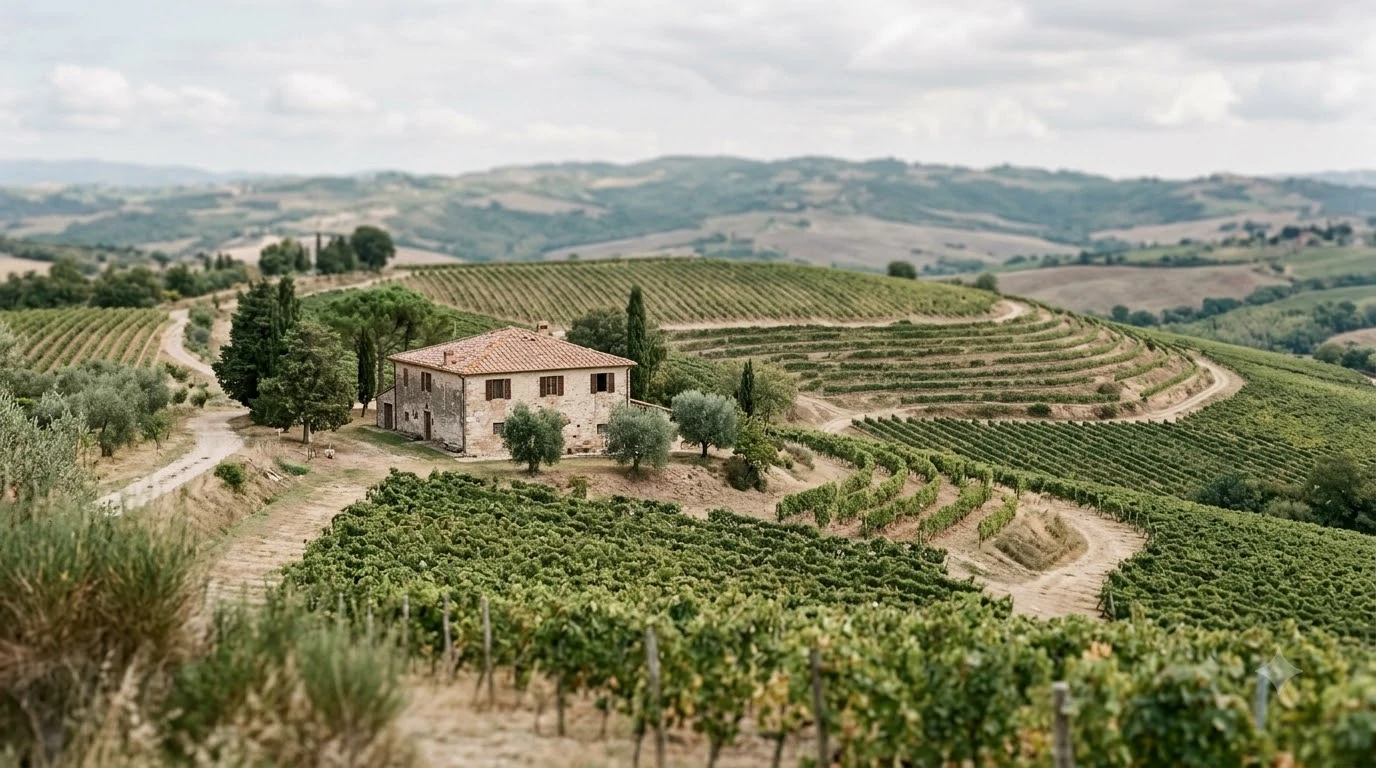
The negroamaro grape is a dark-skinned red wine grape native to Puglia in southern Italy, prized for producing full-bodied red wines and crisp rosés with dark fruit and herbal notes. Often grown on the sun-drenched Salento peninsula, it yields deeply colored reds featuring black cherry, plum, and a signature savory finish of dried thyme. Winemakers frequently bottle it as a single-varietal wine or blend it with Malvasia Nera to soften its firm tannins and add floral aromatics.
Pronounced neg-row-ah-mah-ro, this ancient southern Italian variety thrives in intense Mediterranean heat where other grapes might lose their structure. For American wine drinkers looking beyond everyday Cabernet Sauvignon or Merlot, bottles made from this grape deliver serious depth, rustic charm, and remarkable versatility at the dinner table. Exploring Wine by Type reveals how southern Italian reds balance ripe sunshine with earthy, food-friendly complexity.
What Is the Negroamaro Grape?
The negroamaro grape is an indigenous Italian vitis vinifera variety that has been cultivated in Puglia for thousands of years, serving as the backbone of the region’s red and rosé wine production. Known locally under synonyms such as Abruzzese, Lacrima, and Niuri Maru, it should not be confused with Negramoll, an unrelated red grape grown in Spain and Madeira.
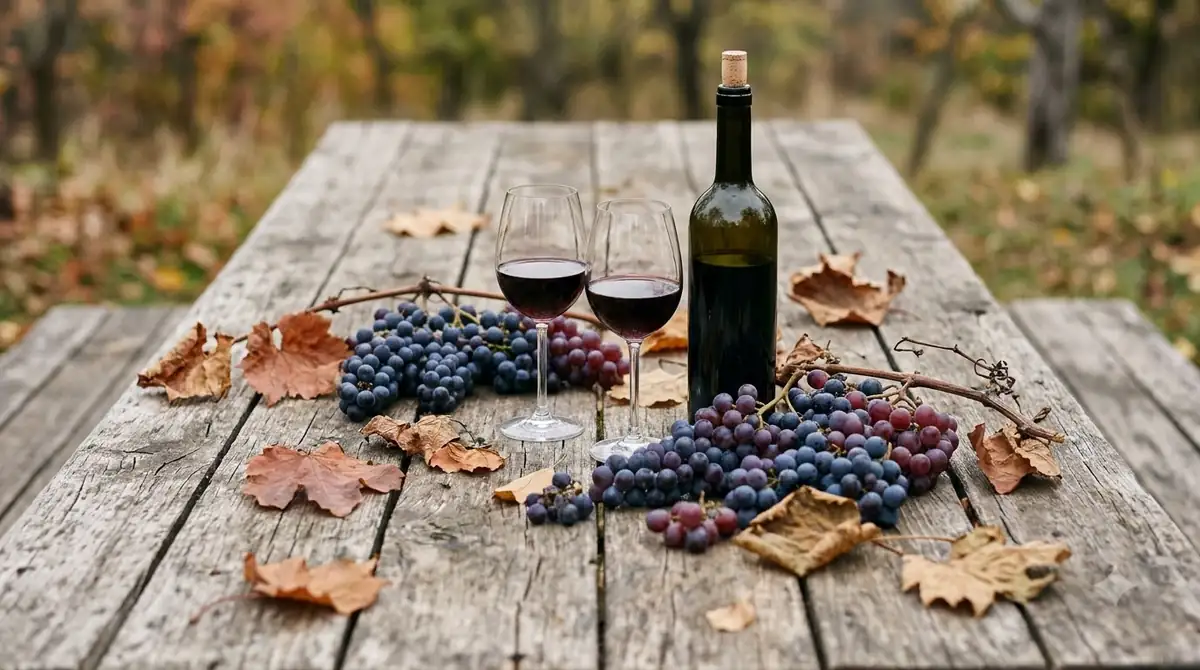
The exact origin of the grape’s name has sparked debate among wine historians and linguists for generations. The most popular translation breaks the word down into negro (meaning “black” in Italian) and amaro (meaning “bitter” in Italian), which accurately describes both the inky pigment of the grape skins and the pleasant, slightly bitter herbal edge found on the finish of the wine. Another widely accepted theory suggests the second half comes from the ancient Greek word mavro, which also means “black,” making the name a double emphasis on the grape’s dark color.
In the vineyard, the variety is celebrated for its resilience and agricultural reliability. Its thick, dark skins protect the pulp from sunburn and fungal diseases during Puglia’s scorching summers, while the vines themselves are remarkably drought-tolerant. Because it retains moderate acidity even in hot climates, the fruit develops rich phenolic ripeness without turning flabby or overly sweet, allowing winemakers to craft wines with genuine structure and balance.
Flavor Profile and Wine Styles
Wines made from the negroamaro grape typically exhibit a medium-full to full body, medium acidity, medium-high tannins, and alcohol levels ranging from 13.5% to 15% ABV. According to Wine Folly, primary flavors center around bold black cherry, black plum, and blackberry, followed by a distinctive herbaceous finish of dried thyme.
Depending on how the fruit is handled in the cellar, the grape expresses itself across several distinct styles:
- Unoaked and Youthful Reds: Fermented and aged in stainless steel or concrete tanks, these bottles highlight juicy red and black cherries, fresh forest berries, licorice, and vibrant Mediterranean scrub. They feel supple, energetic, and ready to drink right upon release.
- Oak-Aged and Riserva Reds: Matured in large neutral casks or smaller French barriques, aged expressions trade some primary fruit brightness for deeper notes of dried prune, black pepper, leather, dark chocolate, coffee, and sweet pipe tobacco.
- Salento Rosato (Rosé): Puglian winemakers also use the grape to produce structured, bone-dry rosés—most famously in Salento. These pink wines display bright watermelon, wild strawberry, blood orange peel, dried rose petals, and a refreshing, salty minerality.
- Traditional Regional Blends: While 100% varietal bottlings are common, the grape is historically paired with Malvasia Nera. Malvasia Nera contributes bright red fruit, floral lift, and velvety smoothness that round out Negroamaro’s earthy, firm grip.
Unlike jammy New World reds that rely on residual sugar for appeal, even the ripest expressions of this grape maintain a dry, savory backbone. That subtle, tea-like or dark-cocoa bitterness on the back palate acts as a natural palate cleanser, making the wine feel grounded and gastronomic rather than heavy.
Where the Negroamaro Grape Grows
Almost all commercial plantings of the negroamaro grape are located in Puglia, the long, narrow region forming the “heel” of Italy’s boot, with the highest concentration found on the Salento peninsula. Surrounded by the Adriatic and Ionian seas, Salento benefits from cooling maritime breezes that moderate its hot, dry Mediterranean climate and iron-rich terra rossa soils.
Within Puglia, several Denominazione di Origine Controllata (DOC) appellations showcase the grape at its finest. Salice Salentino DOC is the most famous benchmark; under appellation rules, red wines here must contain at least 75% Negroamaro, often blended with Malvasia Nera, and Riserva bottlings require two years of aging. Neighboring appellations like Copertino DOC, Squinzano DOC, Leverano DOC, and Brindisi DOC also produce standout reds and rosés rooted in this variety.
Outside of southern Italy, plantings remain exceedingly rare. A handful of adventurous growers in California, Australia, and northern Italy cultivate tiny experimental blocks to cope with warming climates, as the grape handles heat waves far better than Pinot Noir or Merlot. Still, if you spot a bottle on an American retail shelf, there is an overwhelming chance it hails from Puglia’s sun-baked vineyards.
| Wine Style | Typical ABV | Serving Temp | Primary Flavor Notes | Aging Potential |
|---|---|---|---|---|
| Young / Unoaked Red | 13.5% – 14.5% | 60°F – 64°F | Black cherry, blackberry, licorice, dried thyme | 2 – 4 years |
| Oak-Aged / Riserva Red | 14% – 15% | 64°F – 68°F | Dried plum, black pepper, tobacco, dark chocolate | 5 – 10+ years |
| Salento Rosato (Rosé) | 12% – 13% | 46°F – 50°F | Watermelon, blood orange peel, rose petal, sea salt | 1 – 3 years |
How to Serve Negroamaro
Red wines made from the negroamaro grape are best served slightly below room temperature at 60°F to 68°F (15°C to 20°C), while rosato styles shine when chilled to 46°F to 50°F (8°C to 10°C). Serving a full-bodied red too warm emphasizes its alcohol and flattens its herbal aromatics, whereas a brief 20-minute chill in the refrigerator keeps the fruit crisp and focused.
Because the grape carries medium-high tannins and dense phenolic extract, giving red bottles some air before pouring makes a noticeable difference. Decanting a young or oak-aged bottle for 30 to 45 minutes softens the firm tannins and allows layered aromas of spice, leather, and dried herbs to open up in the glass. If you do not own a decanter, simply pulling the cork an hour before dinner or swirling generously in a large-bowled glass achieves a similar effect.
Tip: Reach for a wide-bowled Bordeaux or oversized red wine glass so the broad surface area can channel the grape’s savory thyme, dark berry, and pepper aromas straight toward your nose.
Most entry-level bottlings are crafted for immediate enjoyment within two to four years of the vintage date. However, top-tier Riserva wines from Salice Salentino or old-vine single-vineyard selections possess the tannic structure and extract to evolve gracefully in a cool, dark cellar for five to ten years, gradually developing complex balsamic and forest-floor nuances.
Best Food Pairings for Negroamaro
The negroamaro grape pairs naturally with rich, savory, and smoky foods because its moderate acidity, firm tannins, and dry herbal finish cut right through fat and caramelized flavors. As Wine Enthusiast notes, the grape’s bold black fruit and earthy undertones make it an ideal match for hearty dishes.
- Barbecue and Smoked Meats: Pulled pork sandwiches, smoked brisket, and barbecue chicken pizza play directly into the wine’s ripe plum and blackberry core. Sweet, caramelized glazes echo the fruit sweetness while the grape’s slightly bitter finish keeps every bite balanced.
- Classic Southern Italian Pasta: Orecchiette tossed with spicy Italian sausage ragù, slow-simmered beef meatballs, or baked ziti with rich tomato sauce align smoothly with the wine’s regional roots and earthy spice.
- Roasted Vegetables and Eggplant: Charred eggplant Parmesan, grilled portobello mushrooms, and herb-roasted root vegetables mirror the wine’s dried thyme, leather, and savory tobacco notes, making it a strong choice for vegetarian dinners.
- Grilled Lamb and Aged Cheeses: Rosemary-crusted lamb chops, skirt steak with chimichurri, and wedges of aged Pecorino or sharp provolone bring out the wine’s plush texture while letting its tannins cleanse the palate.
When serving a chilled Salento rosato, pivot toward lighter Mediterranean fare. Grilled shrimp skewers, antipasti platters with cured meats and briny olives, caprese salad, and pan-seared fish all benefit from the rosé’s crisp acidity and subtle saline edge.
How to Choose a Bottle of Negroamaro
When shopping for a bottle made from the negroamaro grape, start by checking the appellation and blend details on the front or back label to match the style to your meal. Look for trusted regional designations like Salice Salentino DOC, Copertino DOC, or Salento IGT, which indicate authentic Puglian sourcing and established quality standards.
Pay close attention to whether the bottle is 100% varietal or blended with Malvasia Nera. Pure varietal bottlings deliver maximum concentration, darker fruit, and a firmer, more rustic herbal grip, whereas blends containing 10% to 20% Malvasia Nera tend to feel rounder, slightly more floral, and softer on the finish. Checking the alcohol percentage also offers a helpful clue: bottles around 13.5% ABV usually lean brighter and more herb-driven, while those closer to 14.5% or 15% ABV signal richer, riper fruit and fuller body.
If you enjoy exploring distinctive European indigenous grapes that prioritize character over mass-market uniformity, this Puglian red belongs in your rotation alongside structured Atlantic reds like the baga grape from Portugal. And if you want a crisp white wine to open before dinner, volcanic island whites made from the carricante grape or mineral-driven Spanish whites from the godello grape offer equally compelling regional character.
Frequently Asked Questions
Is Negroamaro a dry or sweet wine?
Negroamaro is almost always fermented completely dry, meaning it contains virtually no residual sugar. While its ripe flavors of black cherry, plum, and prune can create an impression of fruit richness on the mid-palate, the wine finishes dry, savory, and slightly herbal.
How does Negroamaro compare to Primitivo?
Both grapes hail from Puglia, but Primitivo (genetically identical to Zinfandel) is typically higher in alcohol, more jammy, and noticeably softer and sweeter-tasting. Negroamaro offers firmer tannins, fresher acidity, and a distinct earthy, slightly bitter herbal finish that feels more savory at the table.
What does the name Negroamaro mean?
The name most likely combines the Italian word negro (black) with amaro (bitter), referring to the grape’s dark purple-black skin and its pleasant, slightly bitter herbal finish. Some wine scholars also suggest the second half comes from the Greek word mavro (black), making the name translate roughly to “black-black.”
Can you age Negroamaro wine?
Everyday unoaked reds and rosés are meant to be enjoyed young within two to four years of harvest while their bright fruit and herbal aromas are freshest. However, structured Riserva bottlings from appellations like Salice Salentino can easily age for five to ten years, developing smooth tannins and complex notes of leather, tobacco, and dried fruit.
Whether you pour a chilled glass of Salento rosato on a warm afternoon or decant a bold Salice Salentino Riserva for a slow-cooked weekend dinner, the negroamaro grape rewards curious drinkers with authentic southern Italian character. Its balance of dark berry fruit, dried Mediterranean herbs, and food-friendly structure makes it one of Italy’s most reliable reds to keep on hand.
More in Wine Types & Grapes
 Zinfandel Sugar Content: Dry Red vs. White Zinfandel GramsUpdated Nov 21, 2026
 Best Zinfandel Substitute Options for Sipping and CookingUpdated Nov 21, 2026
 Zweigelt Food Pairing: Best Dishes, Cheeses, and Serving TipsUpdated Nov 21, 2026
 Zinfandel Tannins Explained: How Structure Shapes Every BottleUpdated Nov 21, 2026
 Zinfandel Sweetness Level: Dry Red vs. Sweet White Zin ExplainedUpdated Nov 21, 2026
 Xinomavro Food Pairing: Best Dishes, Styles, and Serving TipsUpdated Nov 21, 2026