

We may earn a commission when you buy through links on this page, at no extra cost to you. Learn more.
Napa red wine is mostly built on Cabernet Sauvignon, with Merlot, Cabernet Franc, Zinfandel, Petite Sirah, and Pinot Noir adding variety and structure. The valley’s Mediterranean climate gives its reds ripe fruit and firm tannins, and many bottles are blends of grapes grown on the valley floor and the surrounding hillsides. The result is a red that can be powerful when young and that can age well for years.
Napa Valley is best known for its Cabernet Sauvignon, but the region’s red wines cover a broader range than the famous name suggests. Shoppers often see a long list of varietals and blends on a single shelf, and the names can be hard to sort out. This guide explains the main grapes, the styles they produce, and how to serve and pair Napa reds so the bottle you choose matches the meal.
What Napa red wine is and where it comes from
Napa Valley is a wine region in California, and it was approved as an American Viticultural Area in 1981. The U.S. Bureau of Alcohol, Tobacco and Firearms approved the appellation on January 28, 1981, after a petition from the Napa Valley Vintners and the Napa Valley Grape Growers Association. According to Wikipedia’s Napa Valley AVA entry, it was the nation’s second appellation and the first for both the state and the county.
The climate is a key reason the reds taste the way they do. The valley has hot, dry summers and cool, wet winters, and the growing season runs roughly 215 to 260 days. Soils vary by area. The southern end has gravelly loams and clays left by San Pablo Bay, while the northern end has a large volume of volcanic lava and ash. Because the north and south ends differ so much, warm and cool sites sit within the same region, and that mix gives winemakers a wide palette of styles.
The main red grapes in Napa
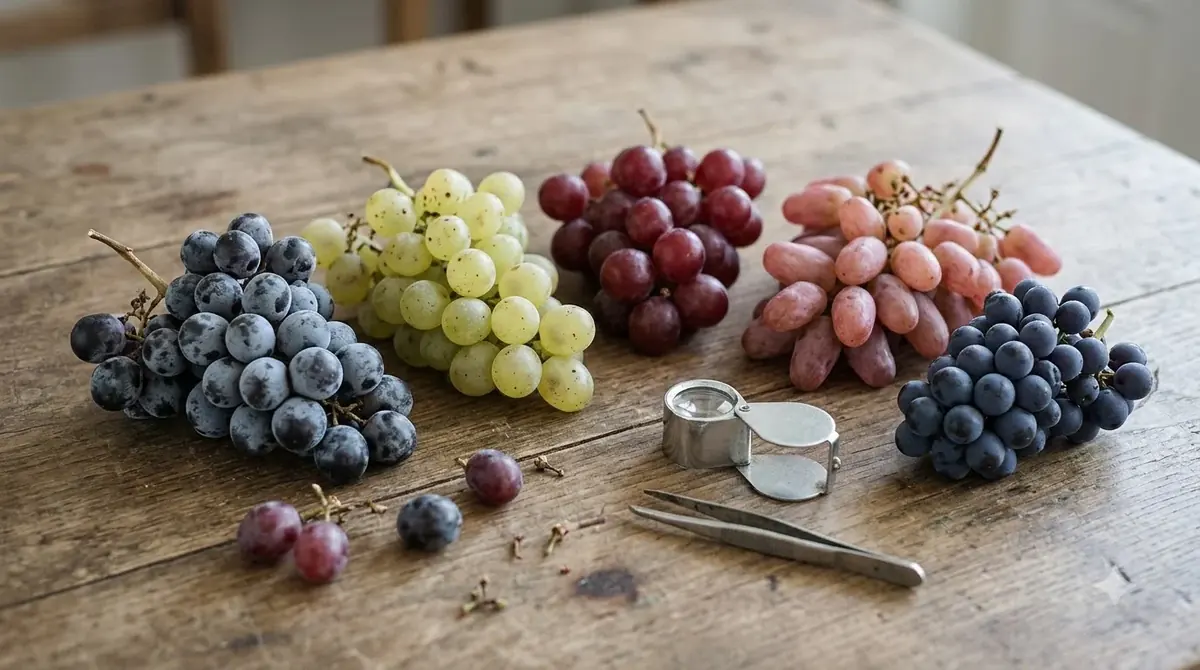
Napa grows a wide range of red varieties. The Napa Valley Vintners grape guide notes that more than three dozen different wine grape varieties flourish in the valley, and the red list is long. The table below sums up the grapes that shoppers see most often, with the style each one usually produces.
| Grape | Typical style in Napa | Where it fits |
|---|---|---|
| Cabernet Sauvignon | Dense, powerful when young, and able to age well | Single-varietal bottles and Bordeaux-style blends |
| Merlot | Softer and fuller, with soft fruit and body | Varietal bottles and blends |
| Cabernet Franc | Finesse and peppery aromas, and bold in warm sites | Blends and occasional varietals |
| Zinfandel | Rich, jammy, with spice and black pepper from old vines | Varietal bottles |
| Pinot Noir | Bright acidity and a lighter body | Cooler sites such as Los Carneros |
| Petite Sirah | Dense, inky, and tannic, sometimes with chocolate-like notes after oak aging | Varietal bottles and blends |
Napa Valley Vintners describes Cabernet Sauvignon as the acknowledged king of red grapes in the valley, and says it accounts for 40 percent of total production and 55 percent of crop value. That weight explains why most Napa reds on a restaurant list are some form of Cabernet, even when the bottle is a blend.
Cabernet Sauvignon and Bordeaux-style blends
Cabernet Sauvignon sits at the center of the region’s reputation. Wikipedia records that at the 1976 Paris Wine Tasting, a Napa Cabernet Sauvignon ranked first in a blind tasting against famous French labels, an event that established Napa’s international reputation for red wine. The valley also has deep roots in Bordeaux-style winemaking, since Inglenook, founded in 1879 near Rutherford, was the first Bordeaux-style winery in the United States.
Many Napa reds are blends rather than single varietals. Merlot was historically used as a blending partner to add body and soft fruit to Cabernet Sauvignon, and it is now also bottled on its own. Petit Verdot and Malbec appear in Bordeaux-style blends, where they add tannin, deep color, and spicy complexity. Cabernet Franc contributes finesse and aroma. A blend lets the winemaker balance these parts, so a bottle labeled as a red blend often tastes more layered than a single grape can. The prisoner red blend is one example of how a Napa blend combines several varieties into one bottle.
Zinfandel, Pinot Noir, and Syrah in Napa
Zinfandel has a long history in the valley. Napa Valley Vintners describes it as the mainstay of 19th-century winemaking in California, and old vines can produce rich, jammy wines with spice and black pepper notes. Those bottles are often fuller and fruitier than a typical Cabernet, and they suit hearty food.
Pinot Noir is harder to grow, since its thin skins make it a demanding variety. Its bright acidity is one of its hallmark qualities, and the grape does best in cooler sites such as Los Carneros, where it can show the lighter, more elegant side of Napa red. Syrah behaves differently depending on the site. Cooler spots give red berry and gamey notes, while warmer sites produce jammy, dark-fruited wines with strong spice.
Petite Sirah is a useful name to know because it was once thought to be a Syrah variant. DNA testing identified it as the grape variety Durif, and it still produces dense, inky wines with plenty of tannin.
How to serve Napa red wine
Serve most Napa reds slightly cooler than room temperature, and give bigger Cabernet bottles time to open up. A young, tannic bottle benefits from decanting for an hour or so, which softens the grip and lets the fruit show. Lighter Pinot Noir and softer Merlot need less time and can be poured directly from the bottle.
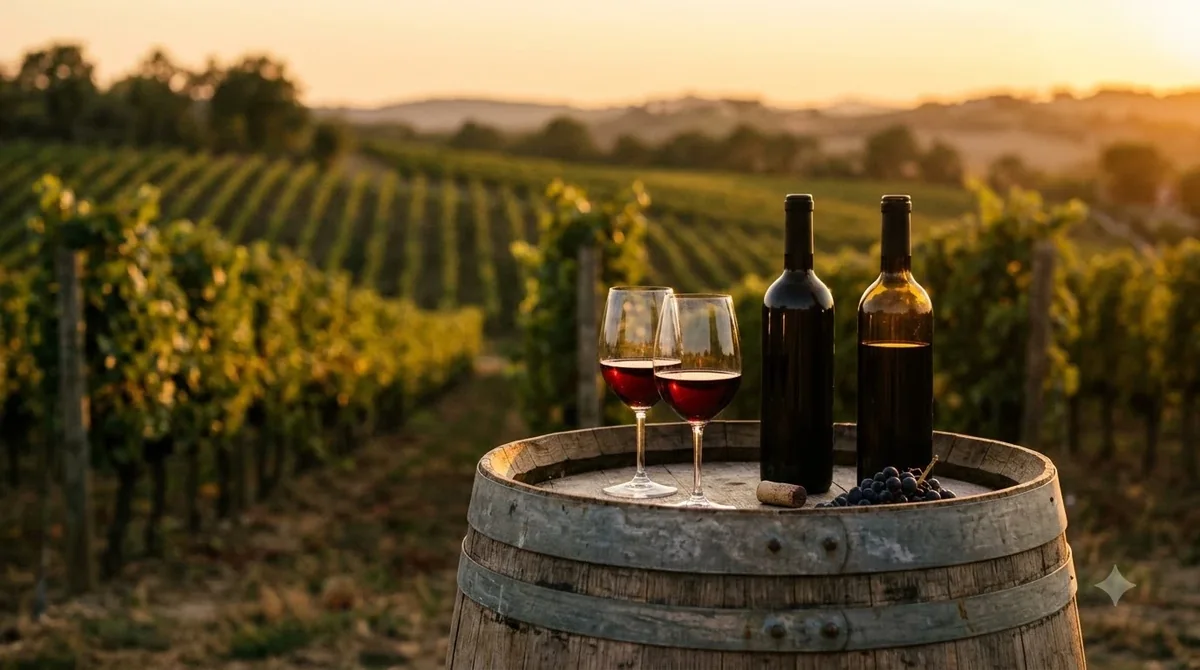
Glassware matters more for bold reds than for light ones. A wide bowl gives the aromas room to develop, and a glass that is not overfilled lets the wine breathe. Save the boldest bottles for a meal, since their fruit, spice, and tannin show best alongside food.
Tip: If a young Napa Cabernet tastes harsh, give it more time in the glass. Tannins often soften after the wine has been open for a while.
Food pairing with Napa red wine
Match the weight of the wine to the weight of the food. Cabernet Sauvignon and Petite Sirah are heavy wines, so they suit grilled steak, lamb, and rich braises. Their tannin softens when it meets fat and protein, which is why a fatty cut of meat makes a young Cabernet taste smoother. Lighter Pinot Noir works with roast chicken, mushrooms, and salmon.
Zinfandel’s spice and fruit make it a good partner for barbecue, sausages, and dishes with black pepper. Syrah in a warmer style pairs with smoky, spiced foods, while a cooler Syrah suits roast pork and herb-based sauces. Blends sit between these extremes, so a Bordeaux-style blend can be a flexible choice for a mixed table.
If you are choosing a bottle for a group, pick one Cabernet blend and one lighter red. That gives guests two clear options, one bold and one easy, without making the choice too complicated. For more on how Napa producers present their wines, the Spottswoode wine guide covers one Napa estate, and the wine brands guide explains how producers position different lines.
Frequently Asked Questions
What is Napa red wine best known for?
Napa Valley is best known for Cabernet Sauvignon, which Napa Valley Vintners calls the acknowledged king of red grapes in the valley. The region also produces Merlot, Zinfandel, Pinot Noir, and Bordeaux-style blends.
Is Napa red wine always Cabernet?
No. Cabernet is the most important variety, but many Napa reds are Zinfandel, Pinot Noir, Syrah, Merlot, or blends. Read the label to see the grape or blend before you buy.
Should Napa red wine be decanted?
Young, tannic Cabernet and Petite Sirah often benefit from an hour or so in a decanter. Lighter Pinot Noir and softer Merlot usually do not need it.
What food goes with Napa red wine?
Cabernet and Petite Sirah suit grilled steak, lamb, and rich braises. Pinot Noir works with roast chicken and mushrooms, and Zinfandel pairs well with barbecue and spiced dishes.
Napa red wine rewards a bottle chosen to match the meal. Start with the grape or blend on the label, decide how bold you want the glass to be, and serve it with food that carries the same weight.
More in Wine Brands
 Underwood Wine Price: Compare Bottles, Cans, and Pack SizesUpdated Nov 21, 2026
 Zenato Wine Price: Compare Styles and Choose the Right BottleUpdated Nov 21, 2026
 Zuccardi Wine Price: Compare Bottles and Find the Right RangeUpdated Nov 21, 2026
 Yellow Tail Moscato Review: Taste, Sweetness and Serving TipsUpdated Nov 21, 2026
 Wolf Blass Yellow Label Review: Choose Your Best StyleUpdated Nov 21, 2026
 Wolffer Estate Rose Review: Choose the Right Bottle for Your TableUpdated Nov 21, 2026