


We may earn a commission when you buy through links on this page, at no extra cost to you. Learn more.
Naked Wines Red Wine is a selection of reds made by independent winemakers and sold through Naked Wines, with styles ranging from approachable Pinot Noir and Merlot to fuller-bodied Cabernet Sauvignon and Syrah. The selection brings together different grapes, wine regions, and winemaking approaches rather than relying on one signature red blend. Understanding grape varieties, flavor profiles, and food-pairing characteristics makes it easier to choose bottles that suit your preferences.
Naked Wines operates differently from a conventional wine brand built around one winery or a single production facility. Its marketplace connects customers with independent producers, giving shoppers opportunities to explore wines from established and emerging winemakers. That variety can be appealing to anyone interested in discovering reds beyond familiar supermarket labels. The most useful starting point is to identify the style you enjoy, then consider the grape, origin, winemaker, and vintage behind each bottle.
What Makes Naked Wines Red Wine Different?
Naked Wines Red Wine stands out because its selection comes from independent winemakers rather than one centralized winery. Its Angel funding model helps producers finance their work while giving customers access to a diverse collection of wines.
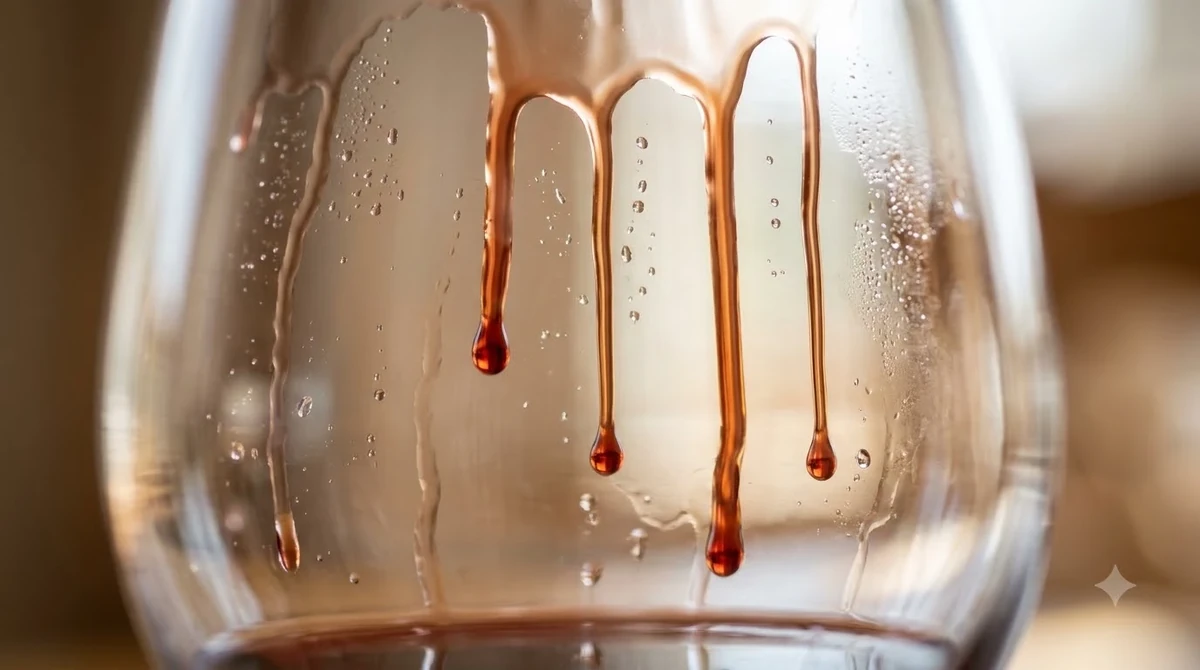
Naked Wines was founded in 2008 by Rowan Gormley. The business developed around a direct relationship between wine drinkers and the people making their wines. Instead of depending entirely on traditional distribution channels, Naked Wines provides financial and commercial support to independent producers and sells their wines through its online marketplace.
The company calls its participating customers Angels. Under this model, members contribute money to their Naked Wines accounts, helping fund winemaking operations. In return, they receive access to member benefits and wines that may not be available through ordinary retail channels. The model is designed to give smaller producers greater financial support and a direct connection with their customers.
This structure has an important effect on the red wine selection. A bottle of Cabernet Sauvignon from one producer can have a very different character from another producer’s Cabernet Sauvignon. Climate, vineyard conditions, harvest decisions, fermentation, oak maturation, and blending all influence the finished wine.
Naked Wines highlights the individual people behind its labels. Its marketplace includes wines associated with independent producers such as Reenen Borman, the winemaker behind Boschkloof Syrah 2020. This producer-focused approach allows customers to learn about the people responsible for individual wines rather than seeing only a brand name on the front label.
Independent producers and wine variety
Independent winemakers can work with regional grapes, experiment with blends, and develop their own stylistic identities. That freedom can result in reds that differ considerably in body, acidity, tannin, and oak influence.
For shoppers, the benefit is variety. Someone who enjoys familiar California Cabernet Sauvignon might also discover a Portuguese red blend, a Greek wine made with Xinomavro, or a South African Syrah. These alternatives provide an opportunity to explore different expressions of red wine without committing to one traditional producer or region.
However, independence does not automatically guarantee that every bottle will suit every palate. Individual producers have different approaches, and the quality and style of a wine should be evaluated bottle by bottle.
Popular Red Wine Grapes and Their Characteristics
The grape variety is one of the most useful clues when selecting a red wine. Cabernet Sauvignon, Merlot, Pinot Noir, and Syrah offer distinct combinations of fruit, acidity, body, and tannin.
Naked Wines identifies Cabernet Sauvignon and Pinot Noir among its red wine styles. Other familiar grapes, including Merlot and Syrah, provide useful reference points for understanding the broader selection and deciding which characteristics to look for.
Use the following comparison to narrow down your preferences before choosing a particular producer.
| Grape variety | Typical body | Tannin | Acidity | Common flavors |
|---|---|---|---|---|
| Cabernet Sauvignon | Full | High | Medium | Blackcurrant, blackberry, cedar |
| Merlot | Medium to full | Medium, softer | Medium | Plum, cherry, chocolate |
| Pinot Noir | Light to medium | Low to medium | High | Strawberry, cherry, earth |
| Syrah | Medium to full | Medium-plus to high | Medium | Blackberry, pepper, plum |
| Carignan | Medium | Medium to high | Medium to high | Red berries, herbs, spice |
| Xinomavro | Medium | High | High | Redcurrant, tomato, earth |
Cabernet Sauvignon for structure
Cabernet Sauvignon is a strong option for drinkers who prefer substantial reds. It commonly features blackcurrant, blackberry, cedar, and sometimes tobacco-like notes. Its high tannin creates a firm structure, particularly in younger wines.
Oak maturation can introduce additional aromas such as vanilla, baking spice, and toasted wood. California Cabernet Sauvignon is a familiar reference point, particularly wines from Napa Valley, where the variety is widely associated with concentrated fruit and structured styles.
Merlot for softer texture
Merlot typically offers a softer approach than Cabernet Sauvignon. Plum, ripe cherry, blackberry, and chocolate-like flavors are common, while its medium tannin can make it more approachable for people who find heavily structured reds too firm.
Merlot can be produced as a single-variety wine or included in blends. Its softer character makes it a useful choice for everyday meals, particularly dishes involving roasted vegetables, mushrooms, or grilled poultry.
Pinot Noir for freshness
Pinot Noir generally has a lighter body, lower-to-medium tannin, and relatively high acidity. Its fruit profile often includes strawberry, raspberry, red cherry, and cranberry, with earthy or forest-floor notes developing in some examples.
This variety suits people who enjoy red wine but prefer freshness and subtlety over concentrated fruit and heavy tannin. Pinot Noir also works particularly well with roasted chicken, salmon, mushrooms, and dishes featuring herbs.
Syrah for savory intensity
Syrah typically offers darker fruit, pepper, and savory characteristics. Depending on the region and winemaking approach, it can range from fresh and peppery to concentrated, rich, and heavily influenced by oak.
Its medium-plus to high tannin makes it a useful partner for grilled meats, lamb, and dishes with smoky flavors. For a practical example of the range available through independent producers, the Naked Wines portfolio reviewed by wine writer Tom Cannavan includes a Boschkloof Syrah from Stellenbosch, South Africa.
Regional Styles and Examples From Independent Winemakers
Red wine regions influence ripeness, acidity, tannin, and overall flavor. The Naked Wines selection includes examples that illustrate how different grape varieties and growing environments create distinct drinking experiences.
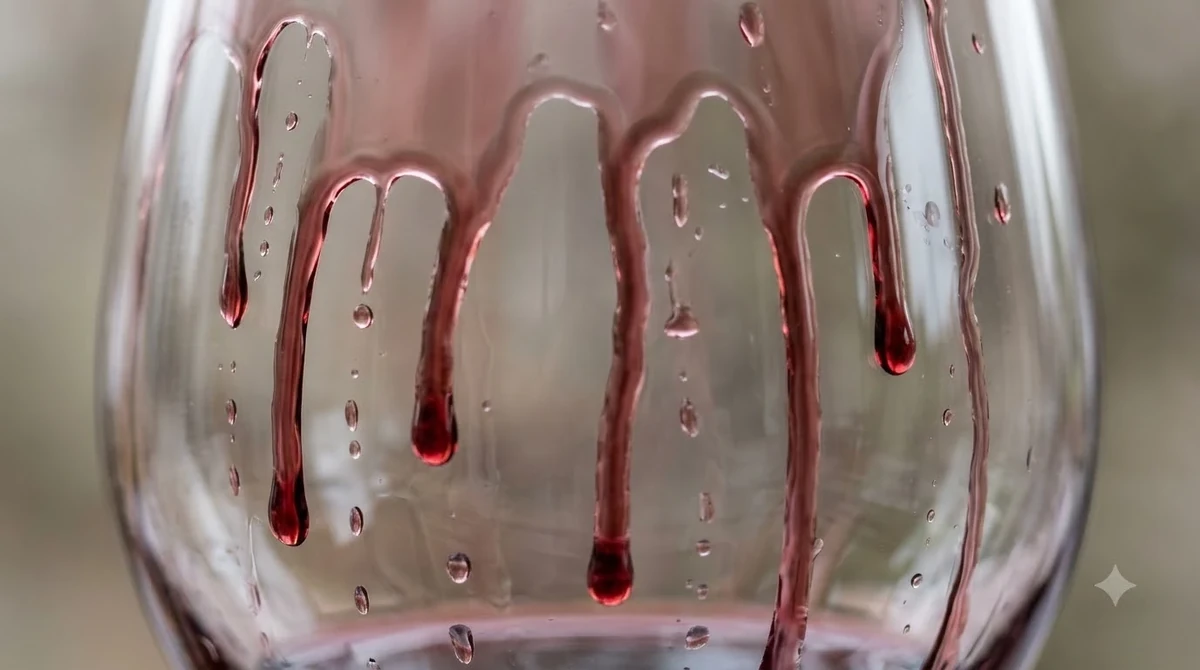
One useful example is the variety of wines discussed in Tom Cannavan’s review of Naked Wines selections. His coverage includes wines from France, Greece, and South Africa, showing that the marketplace is not limited to conventional international varieties or one particular region.
France: Languedoc and Corbières
The Languedoc region in southern France is known for producing a broad range of red wines. Grenache, Syrah, Mourvèdre, and Carignan are among the varieties associated with the region, and blends can offer combinations of ripe fruit, herbal character, spice, and structure.
Cannavan reviewed Katie Jones Les Galères Old Vine Corbières, a wine made primarily with old-vine Carignan sourced from a local cooperative. His description highlighted red fruit, subtle floral notes, smoky spice, acidity, and some alcohol warmth.
Carignan is particularly interesting for people who want to explore something beyond Cabernet Sauvignon or Merlot. It can offer lively acidity, darker fruit, and a firm tannic structure, making it suitable for food-focused drinking.
Greece: Xinomavro and Limniona
Greek red wines provide another opportunity to explore lesser-known varieties. Xinomavro is one of Greece’s best-known red grapes and is particularly associated with northern Greece. It can produce structured wines with pronounced acidity and firm tannin.
Cannavan’s review included Olakala Xinomavro Limniona 2022 from Greek Macedonia. The blend combined Xinomavro with Limniona, a less familiar Greek grape. His notes described redcurrant, raspberry, earthy characteristics, freshness, and noticeable tannin.
This example is particularly useful for drinkers interested in European reds that offer something different from the familiar Cabernet Sauvignon and Pinot Noir categories. Xinomavro’s acidity and structure also make it a natural candidate for dishes featuring grilled meat, tomato, and herbs.
South Africa: Stellenbosch Syrah
Stellenbosch is an important South African wine region with a reputation for producing structured red wines, including Cabernet Sauvignon and Syrah. Syrah from this area can combine ripe black fruit with savory spice and oak-derived complexity.
Cannavan also reviewed Boschkloof Syrah 2019 from Stellenbosch. The wine underwent 14 months of maturation in 225-liter barriques, with 10% new oak. His tasting description included plum, licorice, black fruit, creamy oak, and chocolate-like tannin.
A separate product listing for Boschkloof Syrah 2020 identifies Reenen Borman as the winemaker and lists the wine at 14.0% ABV. The product information also recommends opening or decanting it at least 30 minutes before serving. These details show how a specific bottle’s producer information can add useful context beyond its grape variety.
These examples demonstrate why looking beyond a grape name can be valuable. A French Carignan-based red, Greek Xinomavro blend, and South African Syrah can all deliver different experiences, even though they belong to the same broad category of red wine.
Flavor Profiles, Body, and Choosing the Right Bottle
The best red wine for an individual drinker depends on the balance of fruit, acidity, tannin, alcohol, and body. Rather than choosing solely by grape name, consider how these elements work together.
Fruit intensity is often the first characteristic people notice. Red-fruited wines may suggest strawberry, raspberry, cherry, or cranberry, while darker-fruited wines commonly show blackberry, blackcurrant, and plum. These impressions can provide an initial indication of a wine’s style, although they do not tell the entire story.
Light-bodied and fruit-forward reds
People who prefer lighter wines should start by exploring Pinot Noir. Its relatively low tannin and high acidity create a fresher profile than many fuller-bodied reds. It can offer red berries, subtle earthiness, and a delicate texture.
Some lighter-bodied wines also come from cooler climates or earlier harvesting decisions. These wines can emphasize freshness rather than concentrated fruit. They are particularly useful for meals involving poultry, mushrooms, and moderately seasoned vegetables.
Medium-bodied and balanced reds
Merlot and some Carignan-based wines can occupy the middle ground. They offer more structure than lighter Pinot Noir without necessarily reaching the intensity of a full-bodied Cabernet Sauvignon.
These wines can be useful choices for mixed meals where several ingredients compete for attention. Roasted chicken, tomato-based pasta, pork, and grilled vegetables are all reasonable starting points.
Full-bodied and structured reds
Cabernet Sauvignon and many Syrah wines are appropriate choices for drinkers who enjoy concentration and structure. Their tannin can create a drying sensation on the gums, while oak maturation may add vanilla, spice, or toasted notes.
Young, full-bodied reds can sometimes feel tight or firm immediately after opening. Giving a young Cabernet Sauvignon or Syrah 30 to 60 minutes in a decanter can help expose its aromas and soften the initial impression of its structure.
How to read tasting notes
Descriptions such as juicy, earthy, spicy, silky, structured, and concentrated are useful when comparing bottles. Juicy often suggests appealing fruit and freshness, while structured usually indicates a noticeable combination of tannin, acidity, and body.
Oak references also deserve attention. A wine described as heavily oaked may show vanilla, toast, smoke, or baking spice. An unoaked or lightly oaked wine is more likely to emphasize primary fruit and the natural character of the grape.
Tip: If you are unsure which red to select, begin with a medium-bodied Merlot or a fresh Pinot Noir. Move toward Cabernet Sauvignon or Syrah if you prefer stronger tannin, darker fruit, and a more substantial finish.
Angel Membership and Buying Naked Wines Red Wine
Naked Wines offers a marketplace rather than simply sending every customer an identical collection of bottles. Its Angel model provides access to member benefits, while other purchasing options can suit shoppers who prefer a more traditional subscription arrangement.
The distinction matters because choosing individual bottles and receiving a curated shipment are different shopping experiences. Customers should understand which arrangement they are selecting before placing an order.
How the Angel model works
Angel membership is based on monthly contributions to a customer account. Naked Wines explains that these contributions help fund independent winemakers and provide members with access to wines and other benefits.
The company describes its model as a direct relationship between winemakers and customers. Members can explore the marketplace, select wines, and learn more about the producers responsible for individual bottles.
Angel membership is particularly relevant to people who regularly purchase wine and want greater control over the selection. Rather than being restricted to a predetermined red-only shipment, customers can choose among different categories available in the marketplace.
Individual bottle selection versus curated shipments
Reviewed’s evaluation of Naked Wines explains that the service has offered both a Wine Genie subscription and Angel membership. Its description of Wine Genie includes an introductory six-bottle shipment, with subsequent subscription arrangements that can be adjusted.
The individual-selection approach works differently. Angel customers can choose specific bottles, making it easier to concentrate on red wines or mix reds with white and sparkling wines. This is useful if you already know which grapes you prefer.
Curated shipments may be more appealing to people who enjoy discovering unfamiliar bottles without selecting every item themselves. However, the trade-off is that a predetermined selection may include styles that do not match every preference.
Using reviews and producer information
Customer feedback can be helpful when deciding between two similar bottles. Look for recurring comments about acidity, tannin, sweetness, oak, and body rather than relying only on an overall rating.
For example, a Cabernet Sauvignon described by several reviewers as powerful and heavily structured may be a better match for someone who enjoys full-bodied reds. A Pinot Noir repeatedly described as fresh, light, and fruit-forward may be more appropriate for someone who prefers less tannin.
Producer information is equally useful. A winemaker’s explanation of vineyard location, grape sourcing, fermentation, and maturation can help explain why a particular bottle tastes different from another wine made with the same variety.
Food Pairings and Serving Naked Wines Red Wine
Food pairing works best when the wine and meal have compatible levels of acidity, tannin, richness, and intensity. Matching the structure of the wine with the texture and seasoning of a dish can make both elements more enjoyable.
For Naked Wines red wines, start with the grape variety and the wine’s overall body. A light Pinot Noir generally needs a different pairing from a highly structured Cabernet Sauvignon or Syrah.
Pairing by grape variety
Cabernet Sauvignon: Its high tannin makes it a good partner for fatty or protein-rich foods. Grilled steak, lamb chops, beef burgers, and slow-cooked short ribs can soften the wine’s drying sensation. Salt and fat also help make firm tannins feel less aggressive.
Merlot: Its softer tannin and medium-to-full body work well with roasted chicken, pork tenderloin, mushroom dishes, and meat-based pasta sauces. A Merlot with pronounced plum fruit can also complement grilled vegetables and dishes featuring rosemary.
Pinot Noir: Its high acidity and relatively low tannin suit roasted poultry, duck, salmon, mushrooms, and herb-seasoned dishes. It can be particularly effective with meals that contain earthy ingredients such as lentils and mushrooms.
Syrah: Its dark fruit, savory notes, and stronger tannin make it a natural match for lamb, grilled beef, barbecue, and smoked meats. Black pepper seasoning can complement the variety’s own peppery characteristics.
Carignan and Xinomavro: Their acidity and structure can work with tomato-based dishes, roasted meats, grilled vegetables, and Mediterranean recipes containing herbs and olive oil.
Temperature and glassware
Serving temperature has a noticeable effect on how red wine smells and feels. Excessive warmth can emphasize alcohol, while excessive chilling can make tannin seem harder and suppress aromatic expression.
Light reds are generally best served at 55 to 60 degrees Fahrenheit. Full-bodied reds are better around 60 to 65 degrees Fahrenheit. These temperatures are cooler than many heated indoor environments, so a brief period in the refrigerator can be useful before serving.
Use a reasonably large wine glass for Cabernet Sauvignon and Syrah to allow their aromas to develop. Pinot Noir also benefits from a glass with enough room to collect its more delicate red-fruit and earthy aromas.
Storage and opening bottles
Store unopened bottles in a dark, stable environment near 55 degrees Fahrenheit. Bottles sealed with natural cork are generally best stored on their sides to help keep the cork from drying out.
After opening, reseal still red wines and keep them refrigerated. Most opened still wines are best consumed within three to five days, although the exact period depends on the wine’s structure, storage conditions, and exposure to oxygen.
Allow refrigerated red wine to warm slightly before serving. A few minutes at room temperature can help restore the aromas and texture that may be muted immediately after refrigeration.
Is Naked Wines Red Wine Worth Exploring?
Naked Wines is particularly interesting for drinkers who want access to independent producers and a wider range of red wine styles. Its marketplace model creates opportunities to discover different grapes and regions, although the experience depends on selecting bottles that match individual preferences.
One advantage is the opportunity to move beyond the most familiar wine labels. A shopper who usually purchases California Cabernet Sauvignon might discover a Carignan-based Corbières, a Greek Xinomavro blend, or a South African Syrah. These wines provide different combinations of acidity, tannin, fruit, and regional character.
Who is likely to enjoy the selection?
Curious wine drinkers are likely to appreciate the range. People who enjoy exploring new varieties, learning about producers, and comparing wines from different countries can make particularly good use of the marketplace.
Regular red wine drinkers may also appreciate the ability to select individual bottles. Someone who knows they prefer Cabernet Sauvignon, for example, can concentrate on that category instead of receiving a shipment dominated by unfamiliar white wines or rosés.
Potential limitations
A broad selection also requires more decision-making. Customers who are accustomed to choosing one familiar supermarket label may find a marketplace of independent producers less straightforward.
There is also no guarantee that every wine will appeal to every customer. Tom Cannavan’s review of a selection of Naked Wines bottles includes individual assessments ranging from 88 to 92 points for three different reds, illustrating how distinct producers can deliver different results. His report also notes that the vintages available for some reviewed bottles had changed, so an older tasting description should be treated as guidance rather than a guarantee of the current bottle’s character.
This is a useful reminder that variety and quality do not remove personal preference from wine buying. A bottle can be well made but still feel too tannic, too ripe, too acidic, or too oaky for a particular drinker.
Customers looking for an established mass-market label may prefer a more conventional retailer. Those who value producer stories, regional diversity, and independent winemaking may find Naked Wines more interesting.
For additional comparisons across producers and wine labels, browse our Wine Brands resources. Readers interested in another major wine category can also explore our guide to Naked Wines White Wine, while those comparing familiar international producers may find our article on Baron Philippe de Rothschild Wine useful.
For further details about the available red styles and membership benefits, consult the official Naked Wines red wine selection. It provides an overview of the company’s red wine categories, including its descriptions of fruit-forward Pinot Noir and bold Cabernet Sauvignon.
For independent tasting perspectives, Tom Cannavan’s Naked Wines Redux review offers specific examples from Greece, France, and South Africa, including notes on Xinomavro, Carignan, and Syrah.
Frequently Asked Questions
Is Naked Wines a winery or a wine retailer?
Naked Wines is an online wine retailer and marketplace rather than one traditional winery producing every bottle. Its business model connects customers with independent winemakers who produce wines under their own labels. The distinction explains why different bottles can have different producers, regions, and winemaking methods.
Does Naked Wines make wines exclusively for its marketplace?
The company works with independent producers and offers wines through its marketplace, including labels developed with its financial support. Its model emphasizes direct relationships and wines associated with individual winemakers. Availability and exclusivity depend on the specific producer and wine.
Can Naked Wines red wine be suitable for a wine gift?
Yes. A bottle from an independent producer can make a thoughtful gift, particularly when the recipient enjoys discovering unfamiliar regions and grape varieties. A recognizable grape such as Cabernet Sauvignon is a relatively straightforward choice, while a Greek Xinomavro or French Carignan-based wine can be more distinctive.
Are Naked Wines bottles available in different bottle formats?
Wine formats depend on the individual listing and producer. The standard 750-milliliter bottle is the conventional format for still wine, while some producers may offer larger formats such as magnums. Larger bottles can be useful for gatherings because they provide more servings and often develop differently during aging.
Can independent winemakers change their wines between vintages?
Yes. Different harvest conditions can influence grape ripeness, acidity, alcohol, and tannin, while winemakers may also adjust blending and maturation decisions. As a result, a wine from a later vintage may retain the same general identity while showing differences in fruit intensity, texture, and structure.
Naked Wines Red Wine offers an interesting way to explore independent winemakers, familiar grape varieties, and less conventional regional styles. Start with the body and tannin level you enjoy, then use producer details, tasting notes, and food pairings to narrow your selection. Whether you prefer soft Merlot, fresh Pinot Noir, structured Cabernet Sauvignon, or savory Syrah, the marketplace provides an opportunity to discover reds beyond familiar labels.
More in Wine Brands
 Underwood Wine Price: Compare Bottles, Cans, and Pack SizesUpdated Nov 21, 2026
 Zenato Wine Price: Compare Styles and Choose the Right BottleUpdated Nov 21, 2026
 Zuccardi Wine Price: Compare Bottles and Find the Right RangeUpdated Nov 21, 2026
 Yellow Tail Moscato Review: Taste, Sweetness and Serving TipsUpdated Nov 21, 2026
 Wolf Blass Yellow Label Review: Choose Your Best StyleUpdated Nov 21, 2026
 Wolffer Estate Rose Review: Choose the Right Bottle for Your TableUpdated Nov 21, 2026