

We may earn a commission when you buy through links on this page, at no extra cost to you. Learn more.
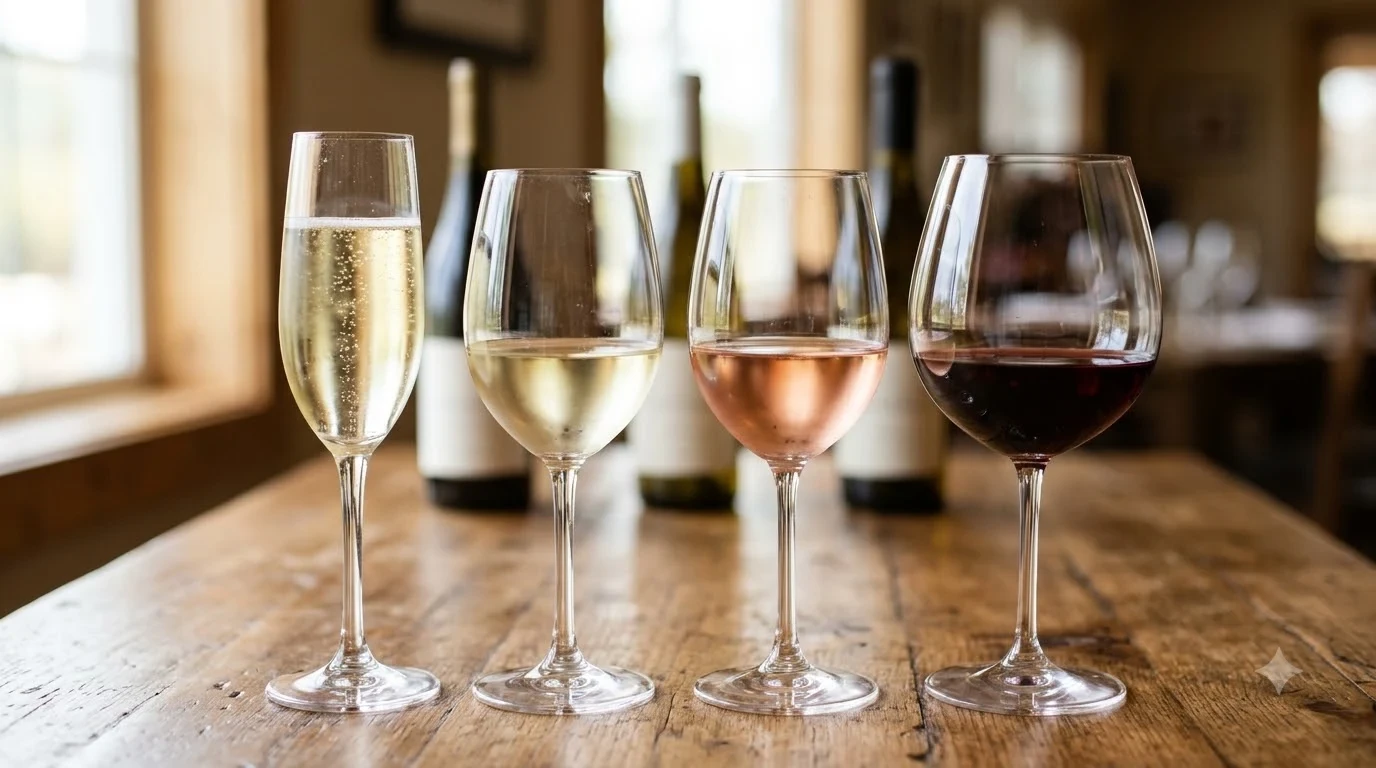
Naked wines white wine includes crisp, fruity, rich, and sweet styles, giving wine drinkers several options for different tastes, meals, and occasions. Sauvignon Blanc and Chardonnay are two recognizable choices, ranging from refreshing citrus-driven bottles to fuller wines with creamy or buttery characteristics. Understanding grape varieties, sweetness, acidity, and food compatibility makes choosing a bottle much easier.
Naked Wines operates differently from a conventional supermarket wine department because its business model connects customers with independent winemakers. That approach gives its white wine selection an emphasis on individual producers and distinctive styles rather than a single house flavor. Whether you prefer a bright glass of Sauvignon Blanc, an expressive Chenin Blanc, or a textured Chardonnay, learning how the different styles compare can help you make a more satisfying choice.
Understanding the Naked Wines White Wine Selection
Naked Wines offers white wines across several recognizable style categories, making it easier to identify the general character you enjoy before choosing a particular grape or producer. Its selection includes crisp, fruity, rich, and sweet white wines, which cover considerably different drinking experiences.
The company’s white wine selection introduces familiar varieties such as Sauvignon Blanc and Chardonnay. These grapes are useful starting points because they illustrate two different approaches to white wine. Sauvignon Blanc generally emphasizes freshness, acidity, and citrus or herbal characteristics, while Chardonnay can range from lean and refreshing to rounded, creamy, and oak-influenced.
The distinction between these styles matters more than simply knowing whether a bottle is labeled white wine. A crisp white can be refreshing alongside seafood or a summer salad, while a fuller Chardonnay can complement roasted chicken, creamy pasta, and richer sauces. Sweet whites have another purpose, particularly when paired with fruit-based desserts or spicy dishes.
Naked Wines also differs from a traditional wine producer because it works with independent winemakers rather than presenting every bottle as a product from one estate. According to its corporate explanation, the company helps winemakers with financing, distribution, and access to consumers. The arrangement allows producers to concentrate on making wine while customers gain access to bottles from different winemaking backgrounds.
Its Angel membership model is another part of the shopping experience. Angels contribute money to their accounts and receive membership-related benefits, while nonmembers can also shop for wine. Membership conditions, shipping arrangements, and available benefits should be considered separately from the actual characteristics of an individual bottle.
For readers comparing the broader collection, the Wine Brands category provides another starting point for understanding how different producers and wine businesses approach their selections.
Popular White Wine Grapes and Their Flavor Profiles
Grape variety is one of the most useful ways to predict how a white wine will taste. Sauvignon Blanc, Chardonnay, Chenin Blanc, and Riesling each have recognizable characteristics, although climate, vineyard location, and winemaking decisions can create substantial differences between bottles.
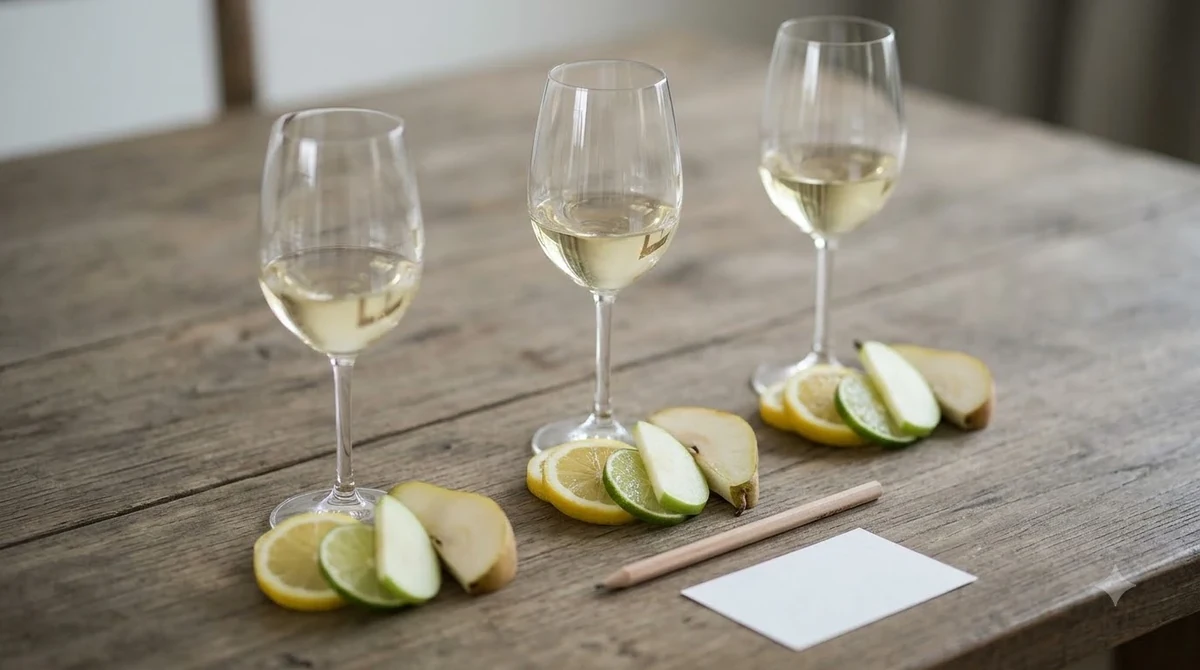
Sauvignon Blanc is generally a high-acid grape that produces refreshing wines with flavors associated with lemon, grapefruit, lime, green apple, and fresh herbs. Cooler growing conditions often emphasize citrus and green-fruit notes, while warmer climates can produce riper tropical characteristics. This makes Sauvignon Blanc a useful choice for drinkers who prefer lively wines rather than heavy, creamy textures.
Chardonnay has a broader stylistic range. Stainless-steel fermentation and limited oak influence can preserve fresh apple, pear, lemon, and mineral characteristics. Barrel fermentation or oak maturation can introduce vanilla, toast, baking spice, and richer textures. Some Chardonnays also undergo malolactic fermentation, a winemaking process that converts sharper malic acid into softer lactic acid and can contribute to a creamy impression.
Chenin Blanc is another versatile white grape. Depending on the region and production method, it can produce dry, fruity, textured, or sweet wines. Apple, pear, quince, honey, and floral notes are common descriptors. Its naturally high acidity helps balance sweetness in wines made with noticeable residual sugar.
Riesling is particularly useful for people who appreciate aromatic wines. It can be made in completely dry styles or in wines with substantial sweetness. Lime, green apple, peach, floral aromas, and mineral impressions are familiar characteristics. Its naturally high acidity can keep sweeter examples lively rather than heavy.
Comparing the main varieties
| Grape | Typical acidity | Common flavor characteristics | General style |
|---|---|---|---|
| Sauvignon Blanc | High | Lime, grapefruit, herbs, green apple | Crisp and refreshing |
| Chardonnay | Medium | Apple, pear, lemon, vanilla | Lean to full-bodied |
| Chenin Blanc | High | Apple, quince, pear, honey | Dry to sweet |
| Riesling | High | Lime, peach, citrus, flowers | Dry to sweet |
| Moscato | Low to medium | Peach, orange blossom, grape | Often aromatic and sweet |
These characteristics are general guides rather than guarantees. For example, a barrel-aged Sauvignon Blanc may have more texture than an unoaked version, while a cool-climate Chardonnay can be significantly sharper and more restrained than a ripe, oak-influenced example.
When comparing bottles, consider the grape, growing region, alcohol percentage, and winemaking information together. These details provide a more useful picture than the grape name alone. Someone who regularly enjoys refreshing Sauvignon Blanc may prefer crisp white selections, while a Chardonnay enthusiast might find more satisfying options among rich white wines.
What Naked Wines White Wine Tastes Like
The flavor of Naked Wines white wine depends on the individual producer, grape composition, growing region, and winemaking technique. Expect citrus and green fruit in many crisp selections, ripe orchard fruit in fruitier bottles, and additional texture or oak-derived flavors in some richer wines.
One useful example comes from independent wine writer Tom Cannavan’s review of Benjamin Darnault’s Pique Nique Blanc 2023. This dry white wine came from the Languedoc in southern France and combined Morrillon, a Chardonnay-related name, with Colombard and Sauvignon Blanc. The bottle contained 13.5% alcohol by volume.
Cannavan described green apple and citrus aromas, with lime and a lightly figgy background. The wine also showed a lightly honeyed impression and noticeable acidity. His assessment illustrates why blends can be interesting: Chardonnay-related richness and the freshness associated with Sauvignon Blanc can contribute different dimensions to the same wine.
The reviewer awarded Pique Nique Blanc 2023 a score of 86 points. That score applies to the specific wine and vintage reviewed, not to every white wine sold by Naked Wines. It is also important to recognize that wine selections and available vintages can change, so an older review should be treated as an example of a producer’s work rather than a guarantee of the current bottle. The full independent review is available at Wine Pages’ Naked Wines tasting report.
A second example demonstrates the potential for a more structured and sophisticated white wine. Dominic Hentall’s Saint Véran 2021 came from Burgundy, France, and was made as a dry white wine with 12.5% alcohol by volume. The review associated it with clay and limestone soils and older vines.
Its flavor description included stone fruit, lemon, and hazelnut, with creamy and slightly lactic aromas. Barrel aging contributed additional nuttiness and texture, while fresh acidity provided balance. Cannavan awarded this wine 90 points, making it a useful example of a fuller and more layered Chardonnay-based Burgundy style.
These two wines demonstrate that a white wine selection can include very different expressions. One combines several grape varieties in a fruit-forward southern French blend, while the other offers a more traditional Burgundy Chardonnay profile with greater emphasis on texture and oak influence.
For readers who also enjoy exploring the company’s other selections, naked wines red wine provides a useful comparison of the red wine side of its independent-producer collection.
Choosing Between Crisp, Fruity, Rich, and Sweet Styles
The simplest way to choose a white wine is to decide how much freshness, fruit character, body, and sweetness you want. Naked Wines separates its white wine selection into recognizable categories that help shoppers narrow their choices without needing extensive knowledge of wine regions.
Crisp white wines
Crisp white wines are generally light to medium in body, with refreshing acidity and flavors such as lemon, lime, grapefruit, green apple, and fresh herbs. Sauvignon Blanc is a familiar example of this style. These wines are particularly suitable for warm weather, seafood, salads, and lighter meals.
If you enjoy sharp citrus flavors and a clean finish, start with a high-acid variety. Sauvignon Blanc is an obvious option, while some dry Chenin Blanc and Riesling wines can provide similar freshness with different fruit and aromatic characteristics.
Fruity white wines
Fruity white wines emphasize recognizable fruit aromas and flavors. Depending on the grape and region, these may include pear, peach, melon, apple, pineapple, and mango. Fruity does not automatically mean sweet: a wine can smell strongly of ripe fruit while remaining completely dry on the palate.
This distinction is important for shoppers who enjoy aromatic wines but do not want noticeable residual sugar. A dry Chenin Blanc or fruit-forward Chardonnay may offer the ripe-fruit character they want without tasting like dessert wine.
Rich white wines
Rich white wines usually have greater weight and texture. Chardonnay is a leading example, particularly when it receives barrel aging, lees contact, or malolactic fermentation. Typical flavors include ripe apple, pear, butter, vanilla, toasted nuts, and baking spices.
These bottles are particularly appropriate when the meal includes roasted poultry, cream-based sauces, buttery seafood, or dishes with mushrooms. Their fuller texture can complement ingredients that might overwhelm a very light white wine.
Sweet white wines
Sweet white wines contain noticeable residual sugar, which can make them appealing to people who prefer softer, fruitier drinks. Moscato is a familiar option, while certain Riesling and Chenin Blanc wines can also be made in sweet styles.
Sweetness should be judged by the actual wine rather than its fruit aromas. A peach-scented Sauvignon Blanc can still be dry, while a Riesling with similar fruit aromas may contain substantial residual sugar. Look for sweetness descriptions and producer information when choosing between the two.
Tip: If you are unsure which category to choose, begin with a crisp Sauvignon Blanc if you like citrus and freshness, or a Chardonnay if you prefer a fuller texture. For sweeter wines, look for an explicit sweetness description rather than relying on fruit aromas alone.
Food Pairings for Different White Wine Styles
White wine works with a wide range of foods because its acidity, fruit character, body, and sweetness can complement different ingredients. The most reliable approach is to match the intensity of the wine with the richness of the dish while considering salt, fat, spice, and acidity.
Crisp Sauvignon Blanc is a natural partner for seafood, especially oysters, grilled shrimp, white fish, and dishes featuring lemon or fresh herbs. Its high acidity helps refresh the palate after each bite. It also pairs well with goat cheese, asparagus, green salads, and vinaigrette-based dishes when the wine has enough freshness to stand alongside the food.
Chardonnay works particularly well with roasted chicken, lobster, creamy pasta, and dishes featuring butter or mushrooms. A lean, unoaked Chardonnay can accompany grilled fish or simple poultry, while a richer barrel-aged example is better suited to cream sauces and roasted ingredients. The wine’s medium acidity makes it less sharp than Sauvignon Blanc, which can be useful when the food has a softer, richer character.
Chenin Blanc can be matched with pork, roasted vegetables, chicken, and mildly spiced dishes. Dry examples are useful with savory foods, while slightly sweet versions can balance dishes containing chili or aromatic spices. The important consideration is maintaining enough sweetness in the wine to stand up to the dish.
Riesling is especially versatile because it can be produced at different sweetness levels while retaining high acidity. Dry Riesling works well with grilled seafood, Asian-inspired dishes, and fresh salads. Off-dry versions can complement Thai curries, spicy noodles, and dishes with ginger or chili because a little sweetness helps balance the heat.
Sweet white wines also work with desserts, but the wine should be at least as sweet as the food. A lightly sweet wine alongside an intensely sweet dessert can taste thin or sour. Fruit tarts, poached pears, and lighter pastries can be easier matches than very sugary chocolate desserts.
Pairing ideas at a glance
| White wine style | Food pairing | Why it works |
|---|---|---|
| Crisp Sauvignon Blanc | Oysters and grilled shrimp | High acidity complements seafood and citrus |
| Unoaked Chardonnay | Roast chicken | Fresh fruit and moderate acidity suit poultry |
| Oaked Chardonnay | Creamy mushroom pasta | Fuller texture complements rich sauces |
| Dry Chenin Blanc | Roasted pork | Acidity balances savory flavors and fat |
| Off-dry Riesling | Spicy Thai curry | Sweetness balances chili heat |
| Sweet Moscato | Fresh fruit tart | Matching sweetness prevents the wine from tasting thin |
Salt and fat can soften the perception of tannin, although white wines generally contain much less tannin than red wines. Acidity deserves particular attention: a highly acidic dish needs a wine with equal or greater acidity, otherwise the wine can taste flat. Oily fish is generally easier to match with crisp whites than with heavily tannic red wines.
Spicy foods require additional care. High alcohol and tannin can intensify the perception of chili heat, so an aromatic white with moderate alcohol and some residual sugar can be a better choice. For a spicy seafood curry, an off-dry Riesling is often a more comfortable match than a powerful, high-alcohol Chardonnay.
For another useful comparison of white wine options, readers can also explore black box pinot grigio alcohol content, particularly when comparing alcohol levels and lighter white wine styles.
Serving Temperature, Storage, and Keeping White Wine Fresh
Serving temperature changes how a white wine smells and tastes. Excessive cold can hide fruit and aromatic detail, while excessive warmth can make alcohol more noticeable and reduce the impression of freshness.
Light-bodied whites such as crisp Sauvignon Blanc and many Pinot Grigio wines are best served at approximately 45–50 degrees Fahrenheit. This temperature range preserves refreshing acidity without suppressing all of the wine’s aromas. Full-bodied whites, especially richer Chardonnay, generally benefit from slightly warmer service at 50–55 degrees Fahrenheit.
Sweet white wines are usually best served colder, around 43–50 degrees Fahrenheit. The cooler temperature helps maintain freshness and balance the wine’s sweetness. If a bottle has been refrigerated for several hours, allow a fuller Chardonnay a little time in the glass to reveal its aromas and texture.
Recommended serving temperatures
| Wine style | Serving temperature | Approximate Celsius |
|---|---|---|
| Light-bodied white | 45–50°F | 7–10°C |
| Full-bodied white | 50–55°F | 10–13°C |
| Sweet white | 43–50°F | 6–10°C |
| Rosé | 45–50°F | 7–10°C |
| Sparkling wine | 40–50°F | 4–10°C |
Storage is equally important. Unopened wine should be kept away from direct sunlight, significant temperature fluctuations, and excessive heat. A consistent storage temperature near 55 degrees Fahrenheit is a useful target. Bottles sealed with natural cork should generally be stored on their sides to help prevent the cork from drying out.
Once opened, white wine should be resealed and refrigerated. Most still white wines remain enjoyable for approximately three to five days when stored properly, although delicate aromatic wines may lose their freshest characteristics sooner. A sparkling wine generally keeps for one to three days with an appropriate sparkling-wine stopper.
Oxygen exposure gradually changes wine after opening. Citrus aromas may become less vibrant, fruit flavors can fade, and the wine may develop increasingly oxidized characteristics. Keeping the bottle cold and minimizing the amount of air inside it can slow these changes.
Pouring a standard 5-ounce serving is a practical way to enjoy white wine without filling the glass excessively. A standard 750-milliliter bottle contains approximately five such servings. Use a glass with enough room to swirl the wine gently and release its aromas.
Decanting is rarely essential for ordinary crisp white wines. However, some structured or fuller-bodied whites may benefit from a little air exposure before serving. Begin with a small amount in the glass, observe how its aromas develop, and decide whether additional aeration is useful.
How Naked Wines Works and What to Consider Before Choosing
Naked Wines is more than a collection of bottles carrying one recognizable brand name. Its business model is built around supporting independent winemakers and connecting them with customers through an online platform, making the individual producer an important part of the buying experience.
The company explains that independent winemakers can face difficulties obtaining production financing and reaching customers. Naked Wines aims to address those challenges by funding production and providing access to distribution. The winemakers retain creative freedom and can build their own brands, while the retailer handles important commercial and administrative activities.
Customers who participate in the Angel program contribute money to their accounts for future wine purchases. The company describes the arrangement as a way to help finance independent production while giving members access to membership benefits. Those benefits and the applicable terms should be reviewed before joining because membership involves a financial commitment rather than simply signing up for an ordinary mailing list.
One important distinction is that membership status does not determine whether a wine is dry, sweet, acidic, or full-bodied. Those characteristics depend on the actual wine. A member and a nonmember choosing the same bottle are still buying the same wine, even if their purchasing arrangements differ.
How to compare individual bottles
Start with the grape variety and style category. Someone who prefers high acidity and refreshing citrus flavors should consider Sauvignon Blanc or a crisp Chenin Blanc. Someone who prefers creamy textures and fuller flavors may find Chardonnay more appropriate. People who prefer sweetness should look for wines specifically described as sweet or off-dry.
Next, consider the producer and region. A Sauvignon Blanc from a cooler climate may have more pronounced green fruit and herb characteristics than a warmer-climate example. A Chardonnay from Burgundy can show a different balance of fruit, acidity, and oak influence from a ripe California Chardonnay. Regional identity is a useful guide, although the winemaker’s decisions remain important.
Alcohol percentage is another practical comparison point. A wine’s alcohol level can influence its weight and warmth on the palate. For example, the reviewed Pique Nique Blanc 2023 contained 13.5% alcohol, whereas Dominic Hentall’s Saint Véran 2021 contained 12.5%. Neither figure automatically determines quality, but the difference can help set expectations about the style of each wine.
Reviews can also help, particularly when they identify the exact vintage and producer. A numerical score is most useful when accompanied by tasting notes explaining acidity, body, sweetness, and finish. A highly rated rich Chardonnay may not satisfy someone who only enjoys very light, citrus-driven whites.
Finally, remember that availability can change. The independent review of Pique Nique Blanc 2023 noted that the bottle selection had moved on to a subsequent vintage. This is a good reason to treat older reviews as descriptions of a particular wine rather than assume that every current listing will have identical characteristics.
For readers exploring more producers and wine categories, the wider wine brand collection can provide additional context. The best selection is the one that matches your preferred flavor profile, intended meal, and occasion, rather than the bottle with the most impressive-sounding description.
Frequently Asked Questions
Is Naked Wines an American wine producer?
Naked Wines is an online wine retailer and wine business rather than a single American vineyard or winery. Its collection includes wines from independent producers in different countries. The location of an individual wine’s production depends on its named winemaker and region.
What does the term Angel mean at Naked Wines?
Angel is the company’s name for participating customers who contribute money to their Naked Wines accounts. The company uses this funding to support independent winemakers and their production activities. Angel membership is separate from the winemaking process and does not identify a particular wine style.
Can white wine be made from red grapes?
Yes. White wine can be produced from certain red grape varieties when the juice is separated from the colored skins before substantial color extraction occurs. Blanc de Noirs Champagne is a familiar example of white sparkling wine made from black-skinned grapes, commonly Pinot Noir or Pinot Meunier.
What is the difference between stainless-steel and barrel-aged Chardonnay?
Stainless-steel Chardonnay generally emphasizes fresh fruit and a cleaner expression of the grape. Barrel-aged Chardonnay can develop additional vanilla, toast, spice, and nutty characteristics depending on the oak and maturation method. The size of the barrel, its age, and the length of maturation all influence the final style.
Does a cloudy white wine necessarily mean it has spoiled?
No. Some wines are intentionally bottled without filtration and can contain harmless suspended particles or natural sediment. However, unexpected cloudiness accompanied by unpleasant odors or unusual flavor changes can indicate a wine fault. The producer’s description can help explain whether a particular bottle is intended to appear cloudy.
Naked Wines offers a varied way to explore white wine through independent producers, recognizable grape varieties, and different flavor profiles. Start with the style you enjoy most, then compare individual winemakers, regions, and food pairings to discover bottles that suit your preferences. With the right serving temperature and a thoughtful meal pairing, a well-chosen white wine can make an ordinary dinner or special occasion more enjoyable.
More in Wine Brands
 Underwood Wine Price: Compare Bottles, Cans, and Pack SizesUpdated Nov 21, 2026
 Zenato Wine Price: Compare Styles and Choose the Right BottleUpdated Nov 21, 2026
 Zuccardi Wine Price: Compare Bottles and Find the Right RangeUpdated Nov 21, 2026
 Yellow Tail Moscato Review: Taste, Sweetness and Serving TipsUpdated Nov 21, 2026
 Wolf Blass Yellow Label Review: Choose Your Best StyleUpdated Nov 21, 2026
 Wolffer Estate Rose Review: Choose the Right Bottle for Your TableUpdated Nov 21, 2026