

We may earn a commission when you buy through links on this page, at no extra cost to you. Learn more.
The best mourvedre food pairing is a savory, full-flavored dish such as rosemary lamb, grilled beef, or smoky barbecue. Mourvèdre’s dark fruit, earthy character, and firm tannins make it a natural match for browned meats, roasted vegetables, and richly seasoned dishes. The best match depends on the wine’s structure, its regional style, and how much richness or spice is in the food.
Mourvèdre is an excellent choice for a substantial dinner, particularly when the menu includes Mediterranean herbs, roasted meat, olive oil, garlic, or smoky flavors. It has enough personality to stand alongside strongly seasoned food, while its tannins benefit from dishes containing protein and fat. Understanding a few pairing principles makes it easier to choose everything from a simple grilled steak to a slow-cooked Provençal stew.
What Mourvèdre Tastes Like
Mourvèdre generally produces a dark, structured red wine with blackberry, black cherry, black pepper, dried herbs, and earthy or meaty aromas. Its pronounced tannins and savory character make it particularly successful with dishes that have browned surfaces, concentrated flavors, and satisfying richness.
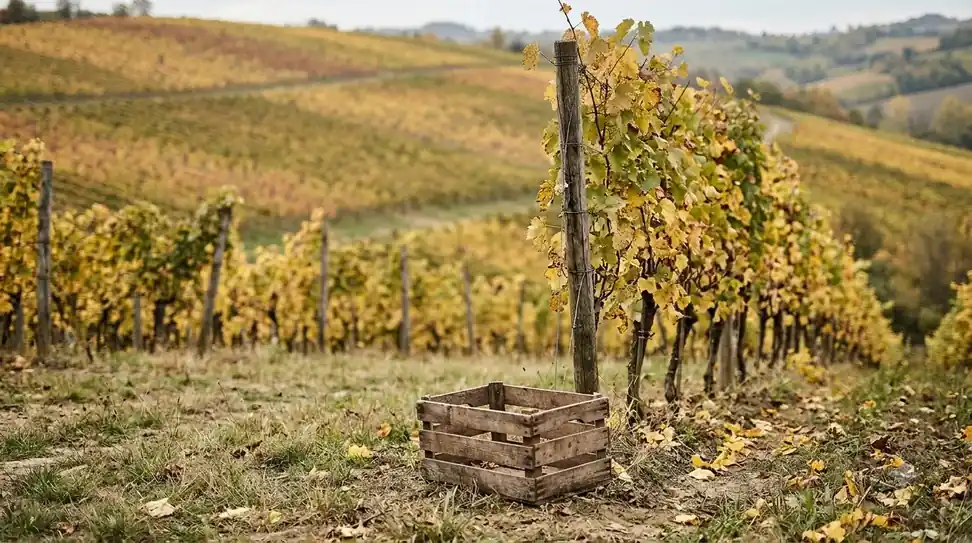
The grape has small, thick-skinned, nearly black berries and ripens relatively late. Its wines commonly show dark-fruit flavors, sometimes accompanied by leather, game, smoke, or roasted-meat characteristics. A young bottle can feel muscular and firm, particularly when it comes from a warm Mediterranean growing region. Older examples may become more complex and savory as their fruit develops into dried-fruit and game-like aromas.
Tannin is one of the most important features to consider when planning a meal. Mourvèdre typically has moderate to high tannic structure, meaning that its texture can feel drying alongside lean, delicate food. A fatty piece of beef, lamb with a browned exterior, or slow-cooked pork provides the richness needed to make the wine feel more balanced. Salt also softens tannin, which explains why well-seasoned grilled meats often work better than simply prepared lean proteins.
Acidity varies with the growing region and winemaking style. The Jumilla wine organization describes its Monastrell as having medium acidity, powerful tannins, and considerable aromatic intensity. Some other expressions can feel broader and less refreshing, particularly when ripe fruit and warm-climate alcohol dominate. For additional background on the variety’s characteristics and growing regions, see Wine Enthusiast’s Mourvèdre profile.
Many bottles are blends rather than single-grape wines. In southern France, Mourvèdre commonly appears with Grenache and Syrah, bringing firm structure and savory depth to the combination. The resulting wine can have both fruit and spice, although the proportion of each variety changes the final pairing. A more fruit-driven blend may work with grilled chicken, while a Mourvèdre-dominant red generally has the structure for lamb, beef, and richer dishes.
Best Meat Pairings: Lamb, Beef, Pork, and Game
Grilled and roasted meats are among the most dependable partners for Mourvèdre. Rosemary lamb, charred ribeye, smoked brisket, and slow-braised beef all provide enough flavor and richness to balance the wine’s tannins.
Lamb is an especially natural match. Roast leg of lamb with rosemary, garlic, and black pepper brings together the wine’s earthy character and familiar Mediterranean seasoning. A grilled lamb chop adds a browned exterior and concentrated meat flavor, while the fat helps soften the drying sensation of tannin. For a slower dinner, lamb shoulder braised with onions, tomatoes, and stock develops a rich sauce that complements the wine’s dark-fruit profile.
Beef offers several equally reliable options. Ribeye is particularly effective because its marbling and char create a satisfying contrast with a firm red wine. Grilled sirloin can work well too, especially with olive oil, garlic, and rosemary. For cooler-weather meals, braised short ribs or beef stew provide concentrated meat flavors and a softer texture that pairs comfortably with a structured Mourvèdre.
| Dish | Best preparation | Useful serving detail |
|---|---|---|
| Roasted lamb | Rosemary, garlic, black pepper, browned exterior | Serve wine at 60–65°F |
| Grilled ribeye | Salted crust, smoky char, natural fat | Decant a young, full-bodied red for 30–60 minutes |
| Slow-braised beef | Onions, tomatoes, stock, and herbs | Allow the wine to breathe before dinner |
| Roast chicken | Crisp skin, garlic, thyme, pan juices | A 5-ounce pour is a practical serving |
| Smoked pork shoulder | Sage, black pepper, restrained barbecue sauce | A 750 ml bottle provides about five 5-ounce glasses |
Pork is another flexible choice. Roasted pork shoulder with sage, garlic, and fennel offers enough richness for a more structured Mourvèdre. Smoked pork ribs can work particularly well when the sauce emphasizes pepper, tomato, and smoke instead of excessive sweetness. Lean pork tenderloin needs a more careful preparation: serve it with pan juices, roasted onions, or a mushroom sauce rather than leaving the meat dry and lightly seasoned.
Game meats provide a natural extension of these pairings. Venison with juniper, braised wild boar, and rich game stews can echo the savory, earthy side of mature Mourvèdre. These dishes are especially suitable for wines with pronounced tannins and developed aromas. Keep the seasoning balanced, though; too much sweetness in a sauce can make a dry, structured red taste harder and more bitter.
A useful rule is to match the intensity of the meat preparation to the intensity of the wine. A delicate roast chicken breast calls for a softer expression, while a charcoal-grilled ribeye can stand beside a powerful, tannic red from Bandol or Jumilla. This approach keeps neither the food nor the wine from overwhelming the other.
Mediterranean Vegetables, Mushrooms, and Cheese
Mourvèdre works particularly well with vegetables cooked in olive oil, herbs, and garlic. Ratatouille, grilled eggplant, roasted peppers, mushrooms, and aged cheeses provide savory depth that complements the wine without requiring meat.
Ratatouille is one of the strongest vegetable-based options. Eggplant, zucchini, tomatoes, onions, and bell peppers develop sweetness and depth when cooked slowly with olive oil and herbs. The finished dish has enough body to accompany a red Mourvèdre, especially when the wine has noticeable black-fruit and pepper notes. A little thyme or rosemary reinforces the Mediterranean character of the match.
Grilled eggplant is another good choice. Its soft texture and slightly smoky flavor work nicely with the earthy side of the grape. Brush the slices with olive oil, season them with salt and black pepper, and finish with garlic or chopped herbs. Roasted red peppers and grilled portobello mushrooms provide similar results. Mushroom dishes are particularly useful because their earthy and savory flavors complement the wine’s darker, more developed aromas.
Pasta and grain dishes can also work well. Try mushroom risotto, lentils with roasted vegetables, or pasta with a tomato sauce enriched by olive oil and slow-cooked onions. A thick sauce provides more balance than a light, sharply acidic dressing. If tomatoes dominate the recipe, roasting them first and adding a little fat can help soften their sharp edges. For a lighter red built around refreshing acidity and tomato-friendly character, compare the approach in this Barbera food pairing guide.
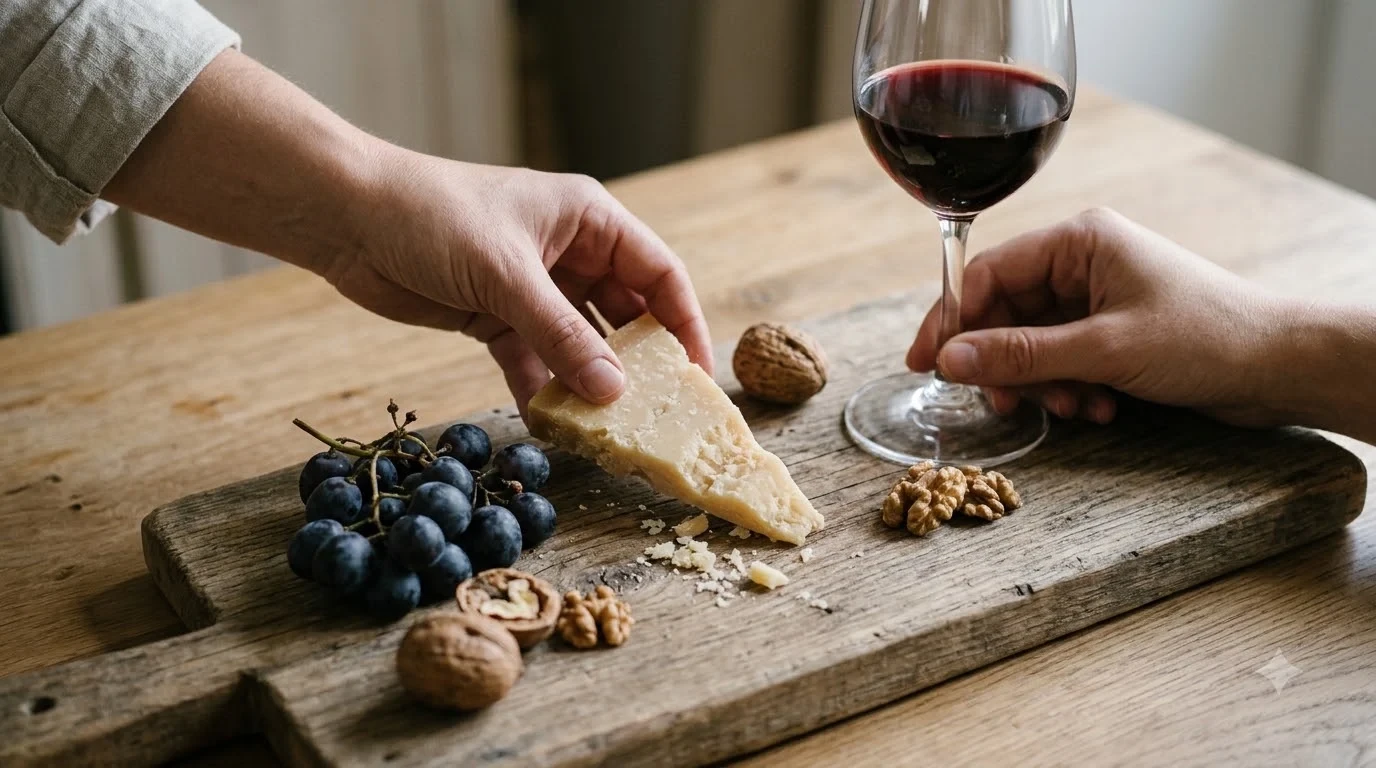
Cheese is a particularly convenient option for a simple dinner or shared platter. Aged Manchego, mature cheddar, and other firm, savory cheeses have enough salt and richness to complement Mourvèdre’s tannins. The stronger, nuttier characteristics of aged cheese also suit the wine’s earthy and developed aromas. Soft, delicate cheeses can be less successful when paired with a particularly powerful bottle because the wine may overwhelm their subtle flavors.
For a practical cheese board, combine two or three firm cheeses with olives, roasted peppers, and plain crackers. Fresh herbs, walnuts, and unsweetened dried fruit can round out the flavors without making the food too sweet. Avoid relying heavily on honey, sweet chutneys, or sugary fruit preserves, particularly when serving a dry and tannic red. Their sweetness can make the wine seem more bitter and less fruity.
Regional Styles: Bandol, Jumilla, and New World Bottles
Where Mourvèdre grows has an important influence on its flavor, texture, and pairing possibilities. Bandol in Provence is known for structured, savory expressions, while Spanish Jumilla produces prominent Monastrell wines suited to full-flavored grilled food and slow-cooked dishes.
Bandol and Southern France
Bandol is one of the best-known regions for Mourvèdre. Its Mediterranean location and sunny growing conditions make it especially suitable for the late-ripening variety. The grape often forms the leading component of red blends alongside Grenache, Cinsault, and Carignan. These wines can combine dark fruit with firm tannins, spice, earth, and a distinctly savory finish.
A useful example is La Suffrène’s Bandol Tradition Red 2021. Its composition is 60 percent Mourvèdre, 15 percent Grenache, 15 percent Cinsault, and 10 percent Carignan. The producer describes dark-fruit aromas, toasted notes, and a peppery finish. Its recommended food matches include roast chicken, barbecued ribeye, ratatouille, chili con carne, and cheese. The range of dishes illustrates how a structured wine can work with both meat and vegetable-based meals.
For a Bandol with pronounced tannins, choose slow-roasted lamb, braised beef, or grilled meat with herbs and olive oil. A more mature bottle may have deeper savory and developed-meat aromas, making mushroom dishes and game attractive options. The key is to give the wine enough flavor and texture in the food to match its structure.
Jumilla and Spanish Monastrell
In Spain, Mourvèdre is called Monastrell and is especially significant in Jumilla. The regional organization reports that the grape accounts for around 70 percent of the local vineyard surface. Jumilla is a warm, dry growing area with less than 300 millimeters of annual rainfall, and its limestone soils help the variety thrive.
The official Jumilla profile describes Monastrell as powerful in tannin, medium in acidity, and aromatically intense. This combination makes its red wines natural partners for grilled beef, smoky pork, lamb, roasted peppers, and dishes with concentrated sauces. A fruit-forward bottle can work with barbecue, while a more structured example is better suited to slow-cooked meat and roasted root vegetables.
Jumilla’s vineyard elevations range from 320 to 1,000 meters, and the region receives more than 3,000 hours of sunshine annually. The grape’s long growing cycle allows it to continue ripening into the autumn. These regional conditions provide useful context when choosing a Monastrell for a meal: the wines can show ripe dark fruit and powerful structure, so foods with strong seasoning and enough richness are generally the safest choices.
California, Australia, and Other New World Regions
Mourvèdre also appears in California, Washington, and Australia’s Barossa Valley, among other regions. It may be bottled as a single-variety wine or blended with Grenache and Syrah. Some New World examples show a slightly less powerful and tannic profile than traditional Old World wines, making them more flexible at the table.
These bottles can be useful with grilled chicken, pork, sausages, burgers, and roasted vegetables. A fruit-forward style may also complement pizza with roasted peppers, mushrooms, and meat. Pay attention to the blend and its overall structure rather than assuming every wine made from the same grape will taste alike. A powerful example still needs substantial food, regardless of its country of origin.
For richer braises and especially concentrated meat preparations, another Mediterranean-style red may also be worth considering. This Amarone food pairing guide offers a comparison for meals that need a particularly intense, full-bodied wine.
Balancing Acidity, Salt, Fat, and Chili Heat
The most successful Mourvèdre pairings balance the wine’s tannin and savory character with the food’s richness, salt, and acidity. A dish with sufficient fat generally makes the wine feel smoother, while sharp acidity and excessive chili can make the pairing less comfortable.
Fat and salt are helpful. The natural fat in ribeye, lamb shoulder, pork ribs, and rich cheese can soften the perception of tannin. Proper seasoning helps as well. A salted crust on grilled meat gives a structured Mourvèdre more to work with than an unseasoned preparation. Olive oil, butter, and rich pan sauces can have a similar balancing effect when the meal also contains the wine’s preferred savory flavors.
Acidity requires more attention. Acidic food generally needs a wine with equal or higher acidity to keep the combination lively. Mourvèdre’s acidity is not always particularly high, so heavily vinegared salads, lemon-dominant sauces, and sharply acidic tomato dishes may make some bottles seem flat or harsh. Roasted tomatoes, caramelized onions, olive oil, and herbs create a gentler version of those flavors. A tomato tart with a buttery pastry base is another useful option, and Decanter specifically identifies tomato tart as a food match for Mourvèdre in its Mourvèdre grape profile.
Chili heat deserves caution. Mourvèdre’s alcohol and tannin can make spicy food seem hotter than it really is. A moderately seasoned chili con carne can work, particularly if it includes beans, beef, tomato, and enough richness to balance the wine. A very hot dish with intense fresh chilies, however, can make the combination uncomfortable. Reduce the heat, emphasize smoky spices, and choose a more fruit-forward bottle when serving food with noticeable chili.
Sweetness presents another important consideration. A dry red Mourvèdre is rarely the right choice for a sweet dessert because the wine can taste sour, bitter, or unusually dry beside it. The wine should be at least as sweet as the dessert to make a successful pairing. Reserve sweeter desserts for an appropriately sweet wine, and finish a Mourvèdre dinner with savory cheese, nuts, or a modest selection of less-sweet accompaniments instead.
Oily fish is also generally a poor match for strongly tannic red Mourvèdre. The combination can leave the wine tasting metallic or unpleasant. Grilled salmon and other oily fish are usually better served with a fresher white or another style selected for seafood. The Albariño food pairing guide provides useful ideas for choosing a more suitable wine for fish and shellfish.
Serving, Decanting, and Storing Mourvèdre
Serving temperature makes a meaningful difference to Mourvèdre’s balance. Full-bodied red examples generally show best at 60–65°F, where their fruit, tannin, and savory aromas can come through without the wine feeling excessively warm.
A bottle served too warm can emphasize alcohol and make the finish feel heavy. Serving it slightly cool helps preserve freshness and makes the tannins feel more controlled. If the room is warm, a brief period in the refrigerator before serving can bring the bottle toward the preferred range. Avoid serving it extremely cold, since low temperatures can suppress fruit and make tannin feel more prominent.
Decanting Young Bottles
Young, full-bodied Mourvèdre often benefits from 30–60 minutes in a decanter before dinner. The extra exposure to air can soften its initial impression and allow darker fruit, pepper, and savory aromas to become more expressive. This is especially useful when the wine feels firm or somewhat closed immediately after opening.
Older bottles require more careful handling. Extended aeration is not always beneficial for mature wine, which may lose delicate aromas after too much exposure to air. Open an older bottle, assess its condition, and serve it with minimal disruption if its aromas and texture already appear developed. Decanting can still be useful to separate sediment, but it does not need to involve prolonged breathing time.
Pouring and Storage
A standard 750 ml bottle provides about five servings when each glass contains 5 ounces. This is a practical amount for dinner because it allows several small pours alongside the meal without filling large glasses excessively. Use a reasonably large wineglass so the savory aromas have room to develop.
Store unopened bottles on their sides in a cool, dark location near 55°F, where temperature remains consistent. Avoid direct sunlight, strong vibration, and repeated temperature changes. A suitable cellar or wine-storage cabinet is useful for bottles intended for longer aging. A young, tannic Mourvèdre may develop additional complexity with time, although the appropriate aging period depends on the wine and producer.
Once opened, reseal the bottle and keep it in the refrigerator. Most opened still wines remain enjoyable for approximately three to five days when stored properly. Allow the remaining Mourvèdre to warm toward its serving temperature before drinking again. These straightforward steps help preserve its fruit and make the next glass more enjoyable.
Frequently Asked Questions
Is Mourvèdre the same grape as Monastrell?
Yes. Monastrell is the Spanish name for the same grape variety, and Mataro is another established synonym. The name changes according to regional tradition, so a Spanish bottle labeled Monastrell can be made from the grape commonly called Mourvèdre in France.
Can Mourvèdre be made into rosé or sparkling wine?
Yes. Although the grape is best known for structured red wines, Mourvèdre grapes are also used in rosé, sparkling, and dessert wines. The finished style depends on winemaking decisions, including how the grapes are processed and how long their skins remain in contact with the juice.
Does Mourvèdre have good aging potential?
Selected Mourvèdre wines from suitable vintages can have medium- to long-term aging potential. La Suffrène’s Bandol Tradition Red 2021 spends 18 months in large oak casks, and its producer recommends enjoying the wine after three years of aging, with the potential to continue developing for at least 15 years. Those figures describe that particular wine rather than every bottle of Mourvèdre.
Which Spanish regions use Mourvèdre as a primary grape?
Spanish wine regulations identify Mourvèdre as a primary variety in Alicante, Almansa, Jumilla, Valencia, and Yecla. The grape is particularly prominent in southeastern Spain, where Monastrell is well adapted to warm, dry vineyard conditions. Each area can produce a different expression of the variety.
Why does Mourvèdre vary between different producers?
Vine training, pruning, harvest timing, and winemaking practices all influence its final character. Mourvèdre has a late ripening cycle but a relatively short harvesting window once peak ripeness arrives. Its susceptibility to powdery mildew and its need for dry, warm growing conditions also influence vineyard management and the style of wine a producer can make.
Mourvèdre is at its best alongside food with real flavor, texture, and savory depth. Start with rosemary lamb, grilled beef, mushroom dishes, or Mediterranean vegetables, then adjust the match according to the wine’s tannins, acidity, and regional style. With the right temperature and a thoughtful menu, this distinctive red grape can make an especially satisfying dinner companion.
More in Food & Wine Pairing
 Risotto With White Wine Recipe: Make a Creamy Dinner at HomeUpdated Nov 20, 2026
 Wassail With Wine Recipe for a Festive Spiced Holiday DrinkUpdated Nov 20, 2026
 Spritz Veneziano Recipe: Make a Classic Venetian Aperitivo at HomeUpdated Nov 20, 2026
 Summer Wine Punch Recipe for Easy Homemade EntertainingUpdated Nov 20, 2026
 Bishop Recipe: How to Make a Bright, Citrus-Forward Red Wine CocktailUpdated Nov 20, 2026
 Wine Cupcakes Recipe: Bake Rich Chocolate Cupcakes at HomeUpdated Nov 20, 2026