
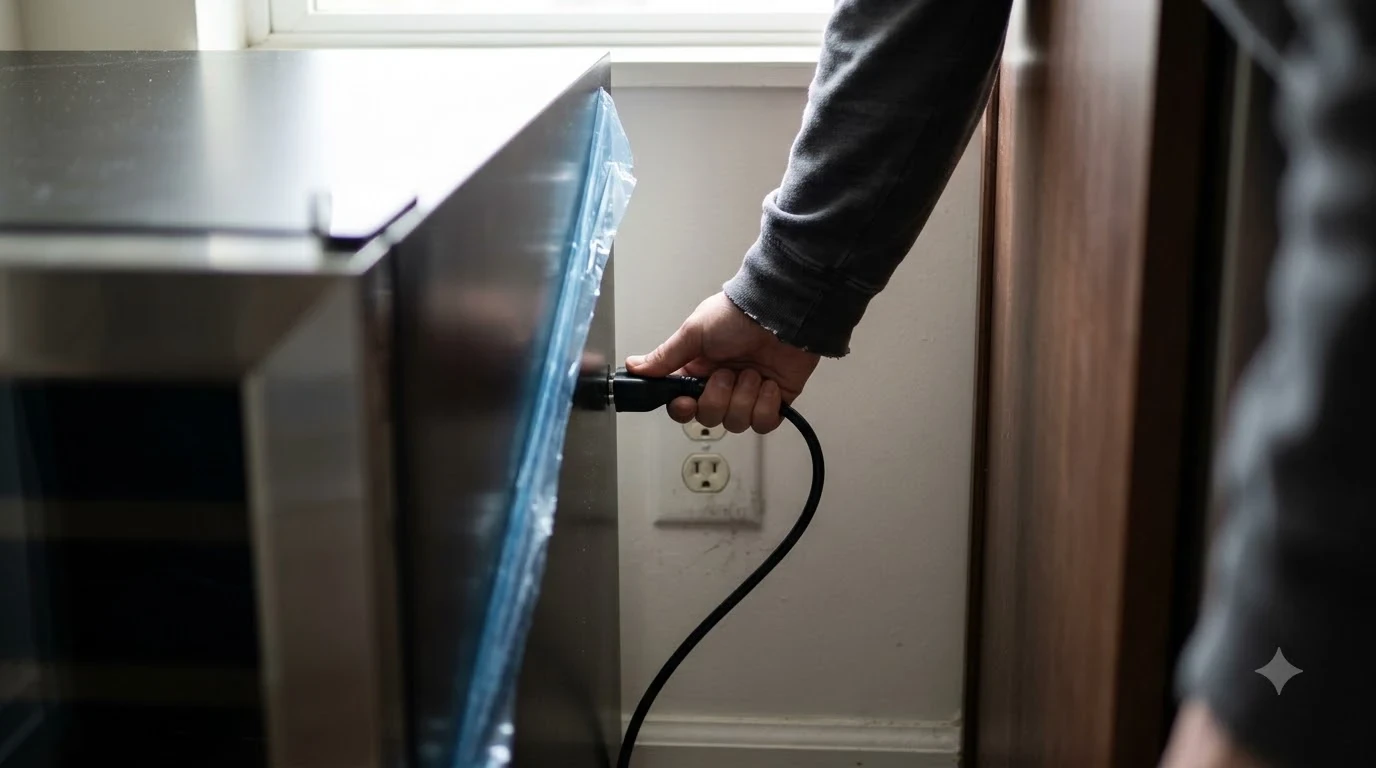

We may earn a commission when you buy through links on this page, at no extra cost to you. Learn more.
The best most energy efficient wine fridge depends on your room temperature and collection size, with variable-speed inverter compressor models offering the highest efficiency for built-in or large collections, and compact thermoelectric units delivering the lowest continuous wattage for small, climate-controlled spaces. Thermoelectric coolers consume minimal power in cool rooms without moving parts or refrigerants. Meanwhile, modern inverter compressors adjust cooling output dynamically rather than cycling on and off at full blast.
Choosing an energy efficient wine fridge comes down to matching cooling mechanics, door insulation, and capacity to your home’s environment. A unit that sips electricity in an air-conditioned dining room can waste massive amounts of power if placed near a sunny window or inside tight cabinetry without proper ventilation.
Quick Comparison
Different cooling systems and cabinet designs balance wattage draw, thermal insulation, and temperature stability in distinct ways.
| Wine Fridge Type | Cooling System | Capacity Range | Ideal Placement | Key Efficiency Feature |
|---|---|---|---|---|
| Small Thermoelectric Cooler | Peltier / Thermoelectric | 6 to 18 bottles | Cool, climate-controlled rooms | Low continuous wattage with zero compressor cycling |
| Variable-Speed Inverter Compressor | Inverter Compressor | 30 to 150+ bottles | Kitchens, living areas, warmer spaces | Modulates motor speed instead of full-power starts |
| Front-Venting Built-In Undercounter | Compressor | 24 to 54 bottles | Flush under-counter cabinetry | Front exhaust prevents heat buildup in tight enclosures |
| Single-Zone Solid-Door Cabinet | Compressor | 80 to 300 bottles | Basements, pantries, utility rooms | Eliminates thermal loss through glass doors |
| Dual-Zone Combo Beverage Center | Compressor | 12 to 64 bottles + cans | Home bars, entertainment spaces | Consolidates two appliances onto one shared compressor |
Best for Small Collections in Cool Rooms: Compact Thermoelectric Coolers
Compact thermoelectric wine coolers are the most electricity-sparing choice for casual drinkers storing six to 18 bottles in rooms that stay reliably below 72°F. Because they transfer heat using an electric current passed through semiconductor plates rather than a mechanical compressor, they draw roughly 50 to 75 watts continuously—about the same as a standard laptop.
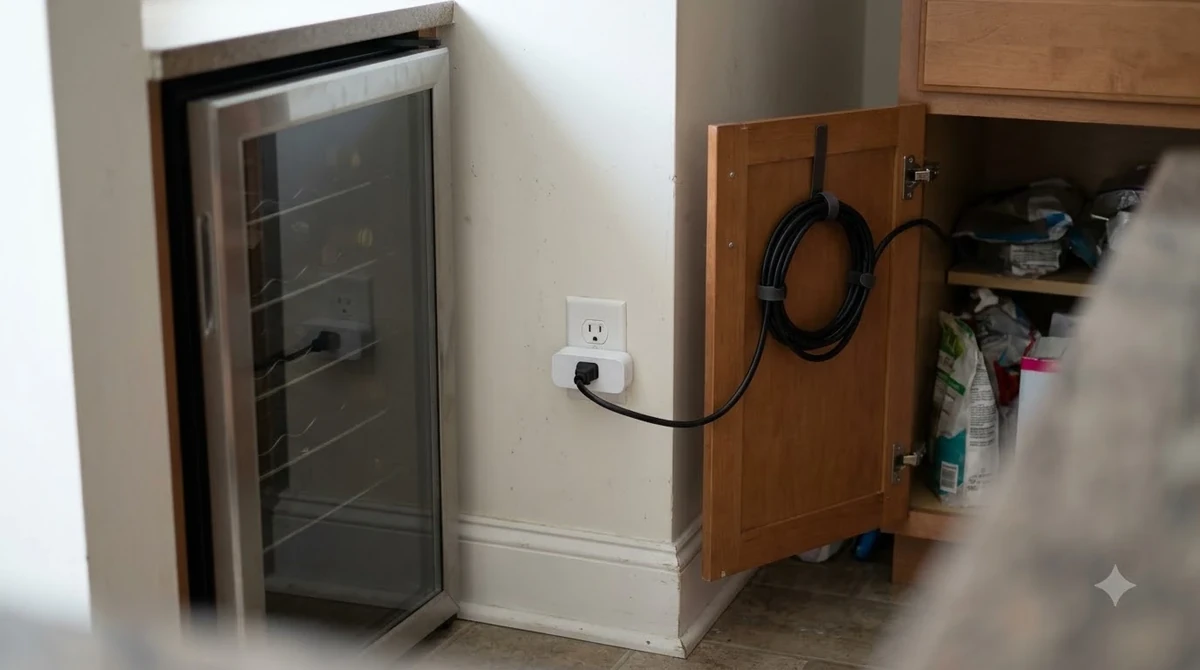
Why it stands out: Thermoelectric systems contain no refrigerant gases and almost no moving parts beyond a small circulation fan. Without heavy start-up power surges or mechanical friction, these units run silently and eliminate vibrations that can disturb wine sediment over time. Reviewers at Wine Enthusiast and kitchen appliance testers routinely highlight compact thermoelectric cabinets for bedrooms, home offices, and studio apartments where ambient noise matters.
Keep in mind: A thermoelectric module can typically cool the interior only about 18°F to 20°F below the surrounding room temperature. If placed in a warm kitchen or sunlit room that hits 80°F in summer, the unit will run at maximum draw nonstop without ever reaching white-wine serving temperatures. Best for apartment dwellers and everyday sippers who keep a modest rotation of bottles in an air-conditioned living area.
Best for Medium-to-Large Collections: Variable-Speed Inverter Compressor Fridges
Variable-speed inverter compressor wine fridges deliver top-tier energy efficiency for collections of 30 to 150 bottles or more. Unlike traditional single-speed compressors that slam on at 100 percent power and shut off abruptly, an inverter motor ramps its speed up or down smoothly to match exact cooling demand.
Why it stands out: Eliminating repeated full-power start-up spikes drastically cuts overall kilowatt-hour consumption while keeping internal temperatures steady within a fraction of a degree. Most modern inverter wine cabinets also use low-global-warming-potential natural refrigerants such as R600a (isobutane), which transfer heat efficiently with a smaller environmental footprint. Paired with triple-pane, low-emissivity (Low-E) UV-coated glass doors, these units hold cold air inside even in warmer household rooms.
Keep in mind: Even high-efficiency inverter compressors generate mild mechanical hum and require breathing room around freestanding cabinets so heat can dissipate off the coils. You will also want to inspect the Specs & Features list for rubber-dampened compressor mounts and sliding beechwood shelves to absorb residual micro-vibrations. Best for growing collectors who want long-term cellar stability without high monthly utility bills.
Best for Built-In Kitchen Cabinetry: Front-Venting Undercounter Coolers
Front-venting undercounter wine fridges are engineered specifically to run efficiently when installed flush beneath standard 24-inch kitchen countertops. By routing intake and exhaust airflow through a slotted kickplate at the base, these appliances prevent trapped heat from forcing the compressor into constant overdrive.

Why it stands out: According to ENERGY STAR product criteria, certified built-in coolers must use at least 30 percent less measured energy than minimum federal efficiency standards. Manufacturers achieve these gains through thicker high-density polyurethane foam cabinet walls, tighter magnetic door gaskets, and low-heat interior LED lighting with automatic sleep modes.
Keep in mind: Never slide a rear-venting freestanding wine cooler into an enclosed cabinet cutout, as blocked coils cause rapid overheating, higher power draw, and premature compressor failure. Leave a slight gap at the front grille and vacuum dust off the lower vent every few months, since dusty condenser coils can reduce cooling efficiency by 20 to 30 percent. Best for kitchen remodels, wet bars, and homeowners seeking smooth undercounter storage.
Best for Maximum Thermal Retention: Single-Zone Solid-Door Wine Cabinets
Single-zone solid-door wine cabinets eliminate the biggest weak point in any refrigerator’s thermal envelope: the glass viewing window. Designed for cellaring 80 to 300 bottles at a uniform 55°F, these units rely on fully insulated solid doors to block both ambient room heat and damaging ultraviolet light.
Why it stands out: Glass—even double- or triple-paned tempered glass—conducts far more thermal energy than thick insulated steel or composite panels. Replacing glass with an insulated solid door reduces cold air loss so dramatically that the compressor cycles far less often, even in ambient temperatures pushing 85°F to 100°F. Maintaining a single uniform temperature across the entire interior also removes the need for internal divider fans or secondary heating elements used in some dual-zone setups.
Keep in mind: Without a glass front, you cannot browse your labels without opening the door, which lets warm room air rush inside if you linger. Organizing bottles with neck tags or a digital inventory app keeps door openings brief and preserves your energy savings. Best for serious collectors storing aging-worthy reds and whites in basements, pantries, or utility rooms where display aesthetics take a back seat to preservation.
Best for Mixed Entertaining: Dual-Zone Wine and Beverage Centers
Dual-zone combo coolers split internal storage between a dedicated wine compartment and a colder section for beer, sparkling water, or mixers, letting you retire an extra mini-fridge. Running one shared compressor system to chill two distinct zones uses significantly less household electricity than powering two separate cooling appliances.
Why it stands out: Efficient dual-zone designs place the colder beverage or white-wine zone (typically 34°F to 50°F) at the bottom or on one side, taking advantage of natural cold-air sinking while keeping red wines at 55°F to 65°F in the adjacent zone. French-door configurations further curb power waste by allowing you to open only the canned-drink side during a party without spilling cold air out of your wine cellar.
Keep in mind: Setting one zone to near-freezing soda temperatures while keeping the neighboring zone at 62°F forces the internal divider insulation to work harder than a single-zone cabinet. Check that the unit uses a thick insulated partition and independent digital thermostats rather than a passive air vent. Best for home entertainers who want a single wine and beer fridge for hosting without doubling their appliance footprint.
How to Choose
Evaluating a few core construction details helps separate truly efficient wine fridges from models that look sleek on paper but run constantly in real homes:
- Annual Kilowatt-Hour (kWh) Rating: Check the yellow EnergyGuide label or manufacturer specification sheet for estimated yearly kWh usage rather than relying solely on peak wattage. Peak wattage only reflects maximum draw when a compressor kicks on, whereas annual kWh accounts for real-world cycling efficiency.
- Glass Panes and Low-E Coatings: If you prefer a display door, prioritize double- or triple-pane tempered glass filled with argon gas and treated with a Low-E coating. These layers reflect infrared heat away from the cabinet while blocking UV rays.
- Door Gasket Integrity: Thick, replaceable magnetic compression gaskets prevent slow cold-air leaks around the perimeter. You can test a seal by closing the door on a dollar bill; if the bill slides out without resistance, air is escaping.
- Climate Class Rating: Match the unit’s rated ambient operating range—often listed as 60°F to 80°F for indoor coolers or up to 100°F for heavy-duty vaults—to the warmest temperatures your room reaches in summer.
- Interior LED Lighting Controls: Choose coolers equipped with low-heat LEDs that automatically shut off after a few minutes or include a manual off setting. Leaving interior lights on continuously adds subtle warmth that forces the cooling system to work harder.
Tip: Keep your wine fridge at least 70 to 80 percent full whenever possible. Liquid inside glass bottles holds cold temperatures far better than empty air, acting as thermal mass that prevents warm air from rushing in every time you open the door and reducing how often the compressor cycles on.
Frequently Asked Questions
How much electricity does an energy efficient wine fridge use per year?
Most energy-efficient compact and mid-size wine coolers consume between 100 and 250 kilowatt-hours (kWh) per year, depending on bottle capacity, room temperature, and door insulation. Smaller thermoelectric units draw roughly 50 to 75 watts continuously in cool rooms, while efficient compressor models draw 120 to 140 watts only during active cooling cycles, averaging far less power over 24 hours.
Are thermoelectric wine fridges more energy efficient than compressor models?
Thermoelectric coolers use less electricity than compressor units only when storing small collections in climate-controlled rooms below 72°F. In warm rooms above 75°F or in larger cabinets holding over 24 bottles, a thermoelectric chip runs continuously at full power without reaching target temperatures, making a cycling inverter compressor far more efficient.
What temperature setting saves the most energy without hurting wine?
Setting a single-zone cooler to 55°F balances proper wine preservation with low electricity consumption. Every degree lower forces the cooling system to work roughly 3 to 5 percent harder, yet 55°F safely stores both reds and whites for short- to medium-term aging. If you only chill white wines right before pouring, check how many glasses in a bottle of wine you plan to serve so you only chill what you need.
Does keeping a wine fridge full save electricity?
Yes, a well-stocked wine fridge uses less energy than a nearly empty one because filled bottles stabilize internal temperatures. Just avoid packing bottles tightly against the back interior wall or blocking internal fan vents, as restricted airflow forces the compressor to run longer to distribute cold air evenly.
Finding the right balance between low power draw and dependable preservation starts with an honest look at where your cooler will live and how many bottles you keep on hand. Whether you choose a whisper-quiet thermoelectric unit for a cool dining nook or an insulated inverter compressor cabinet for your kitchen, matching the technology to your space keeps both your wine and your electric bill in check.
More in Wine Fridge Features
 Best Wine Fridge Bar Cabinet Setups for a Better Home BarUpdated Nov 20, 2026
 Wine Fridge for Champagne Bottles: Sizes and Storage GuideUpdated Nov 18, 2026
 Best Wine Fridge for Champagne Bottles: Shelf and Bottle FitUpdated Nov 18, 2026
 Best Wine Fridge with Display Shelf: Glass Doors and Open RacksUpdated Nov 18, 2026
 Best Wine Fridge With Drawers for Easy Access to Every BottleUpdated Nov 18, 2026
 Best Wine Fridge With Freezer: Combo Styles for Kitchens and BasementsUpdated Nov 18, 2026