

We may earn a commission when you buy through links on this page, at no extra cost to you. Learn more.
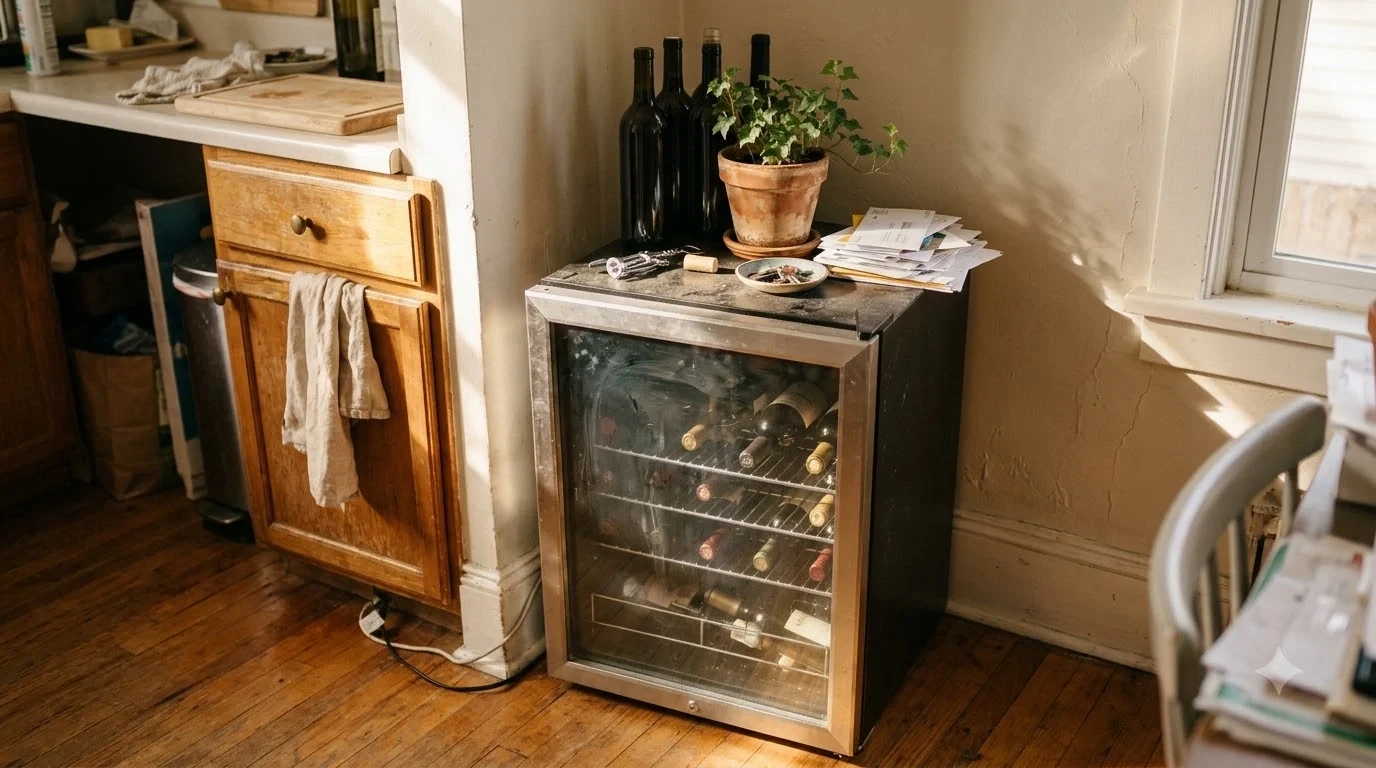
A wine fridge for champagne bottles should be sized around the bottles you buy, with enough shelf room for a wire cage and a steady cool setting that holds between celebrations. Sparkling wine is sold in several bottle sizes and shapes, so a unit that works for a single celebratory bottle may be too small for a case. This guide focuses on sizing and storage needs so you can match a unit to the amount of sparkling wine you keep.
Before comparing models, it helps to think about how sparkling wine is actually bought and used. Many households keep a few bottles for holidays and special dinners, while others buy by the case and rotate stock through the year. Each pattern calls for a different capacity and a different layout, and a unit that suits one habit can feel cramped or oversized for another.
The bottle itself sets the basic requirements. Sparkling wine bottles are heavier and often taller than still wine, and the wire cage or foil on top adds height. A shelf that fits a standard still wine bottle may not fit a sparkling bottle with its cage, so measuring the tallest bottle you own is the first step. Then check the width of the shelf and the spacing between shelves to see how many bottles will sit side by side.
Quick Comparison of Sizing Needs for Sparkling Wine
Storage needs for sparkling wine change with the number of bottles and how long they stay in the unit. The table below compares the common situations before the detailed picks.
| Storage need | Typical bottle count | Unit size to consider | Layout to consider |
|---|---|---|---|
| A few bottles for holidays | Small handful | Compact, single zone | Upright slots or a short shelf |
| Regular entertaining | A case or two | Mid-size unit | Flat shelves for stacking |
| Long term cellaring | Several cases | Larger unit with a stable control | Flat shelves, bottles on their side |
| Everyday rotation | Mixed stock | Mid-size with adjustable shelves | Upright slots for quick access |
Best for a Few Bottles Kept for Holidays
A compact unit suits a household that keeps a few bottles for holidays, birthdays, and dinners with friends. The aim is to hold a small stock at a steady cool temperature without needing a large appliance.
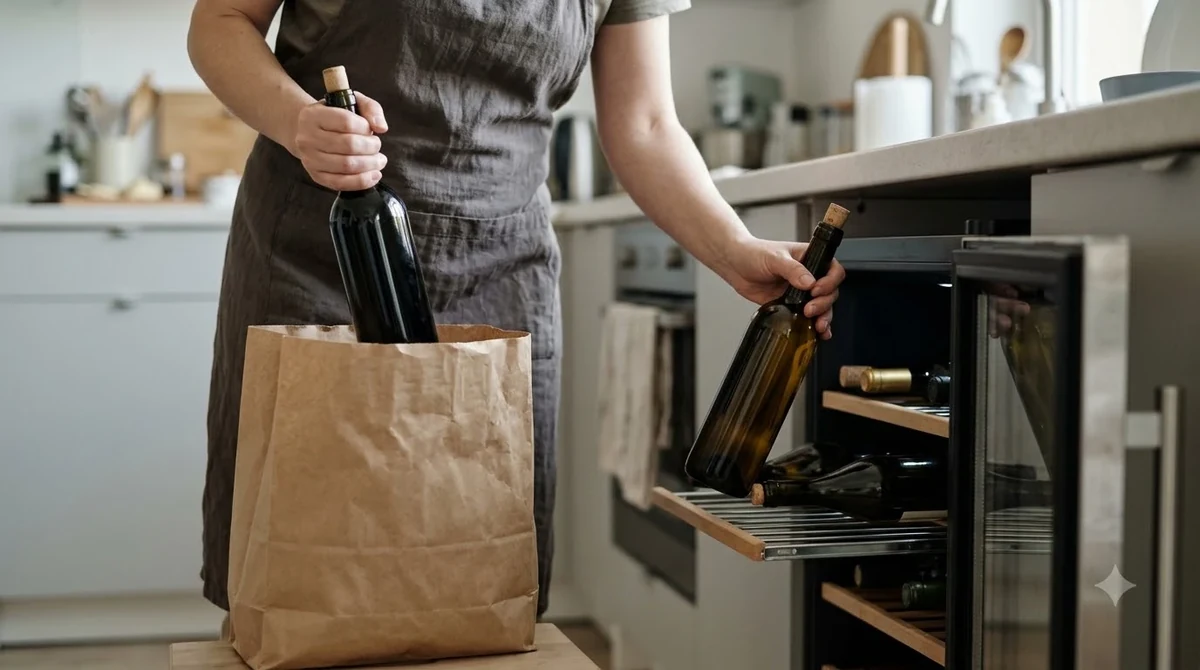
Why it stands out: a compact unit takes up little space, and a short stock is easy to rotate. The bottles are close at hand, and the unit does not need to hold a large collection.
Keep in mind: the shelf height still has to clear a bottle with its cage. A compact unit can be shorter inside than its outside size suggests, so check the interior measurement on the spec sheet.
Best for Regular Entertaining With a Case or Two
A mid-size unit fits a home where sparkling wine is served often, such as during brunches or weekend gatherings. It stores enough for a few events without being full of bottles that will not be used.
Why it stands out: flat shelves let you stack a case or two without much effort, and the stock can be seen at a glance. A unit of this size often balances capacity and footprint well.
Keep in mind: the bottles at the back of a shelf can be harder to reach, so plan a stock order that keeps the older bottles at the front. Check that the door opens fully when the shelves are loaded.
Best for Long Term Cellaring of Vintage Champagne
Some buyers keep sparkling wine for years, which requires a steady temperature and a layout that protects the bottles. A larger unit with a stable control suits this use, especially when the bottles are laid on their side.
Why it stands out: flat shelves keep the cork in contact with the wine, and a larger capacity allows a long-term stock without crowding. A steady control matters more than a wide temperature range for this purpose.
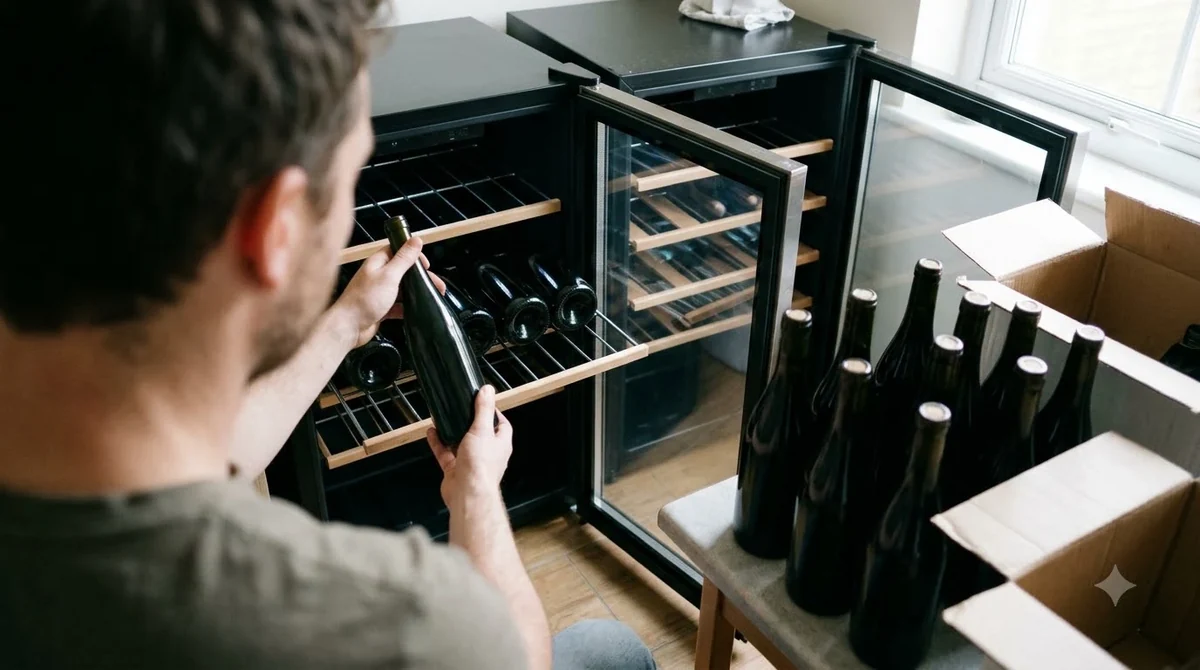
For a long-term stock, it also helps to keep a written record of purchase dates and the bottles’ positions in the unit. A simple list makes it easier to rotate the oldest bottles first and to see when a bottle is ready to serve. The record also shows how much room is left, so a larger stock can be planned before the shelves are full.
Keep in mind: according to Wikipedia’s wine cellar entry, wine can be stored satisfactorily between 7 and 18 °C (45 to 64 °F) as long as changes are gradual, and large swings can make wine breathe through the cork. A unit placed in a room with stable temperatures suits long-term storage best.
Best for Gift and Celebration Stock
Some households keep sparkling wine for gifts, weddings, and anniversaries. A unit that holds a small, carefully chosen stock lets you present a bottle in good condition when the occasion arrives.
Why it stands out: a glass door shows the selection, and a small, organized unit makes it easy to find the right bottle. Upright slots keep labels visible for gift decisions.
Keep in mind: gift bottles can be stored for a long time, so check the unit’s temperature control and avoid placing it in a sunny spot where the glass door can warm the interior.
Best for Everyday Rotation of Mixed Stock
A household that buys sparkling wine regularly and keeps a rotating stock needs a unit that makes access simple. Adjustable shelves and upright slots help with quick selection and a first in, first out routine.
Why it stands out: adjustable shelves fit different bottle heights, and upright slots keep bottles easy to reach. A mixed stock of sparkling and still wine can share the same unit.
Keep in mind: the frequent opening and closing of the door can make the temperature drift. Keep the unit in a spot away from heat, and avoid storing bottles against the door where they can be bumped.
How to Size a Wine Fridge for Champagne Bottles
Sizing starts with the bottles and the number of them. The checklist below covers the measurements and features to compare.
- Height of the tallest bottle with its cage, compared with the interior shelf height
- Width and depth of the shelf, and how many bottles fit side by side
- Total capacity in standard bottles, with a note on how wide bottles affect the count
- Upright slots or flat shelves, depending on storage time
- A steady temperature control and the range it covers
- Door style and the space needed for the door to open fully
Budget and room layout also shape the decision. A larger unit costs more to buy and takes more floor or cabinet space, so it makes sense only when the stock really calls for it. A smaller unit that is always full and well organized can serve better than a larger one that is half empty and hard to search.
When the bottle size and the storage time are clear, the choice of unit size is usually straightforward. A compact unit suits a few bottles, a mid-size unit suits regular entertaining, and a larger unit suits long-term cellaring.
Frequently Asked Questions
How big a wine fridge do I need for champagne?
It depends on the number of bottles and how long they stay in storage. A few bottles for holidays need a compact unit, while regular entertaining or a case-based stock needs a mid-size model. Measure the tallest bottle with its cage before comparing interior heights.
Does a wire cage change the size a fridge needs?
Yes. The cage adds height, so a shelf that fits a still wine bottle may not fit a sparkling bottle with its cage. Check the shelf height on the spec sheet and test the fit with a real bottle when possible.
Is it better to store champagne upright or on its side?
Upright storage is convenient for bottles you plan to serve soon. Lying the bottle on its side suits longer storage, because it keeps the cork in contact with the wine. The best choice depends on how long the bottle will stay in the fridge.
Can a small wine fridge hold enough champagne for a party?
A small unit can hold a few bottles for a gathering, but a larger party may need more stock. Plan the number of bottles in advance, and consider a mid-size unit if you regularly host events that call for a case or more.
Once you have chosen a unit size, plan how long opened bottles will keep. The guide on how long wine lasts after opening covers that. For related options, see the best wine fridge for champagne bottles guide, which focuses on shelf design, and the wine fridge features section.
More in Wine Fridge Features
 Best Wine Fridge Bar Cabinet Setups for a Better Home BarUpdated Nov 20, 2026
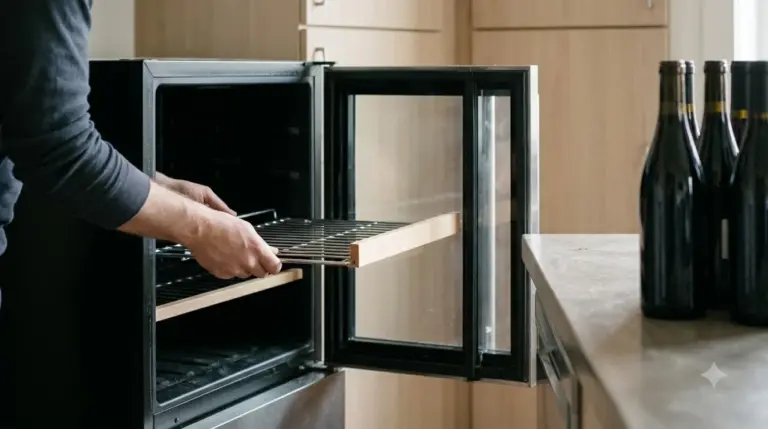 Best Wine Fridge for Champagne Bottles: Shelf and Bottle FitUpdated Nov 18, 2026
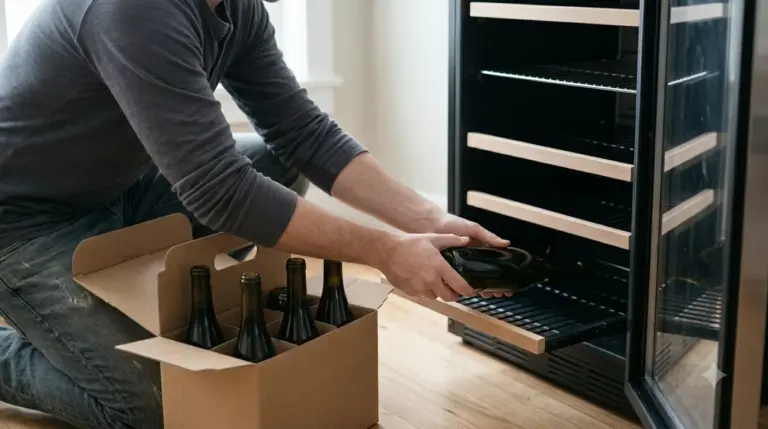 Best Wine Fridge with Display Shelf: Glass Doors and Open RacksUpdated Nov 18, 2026
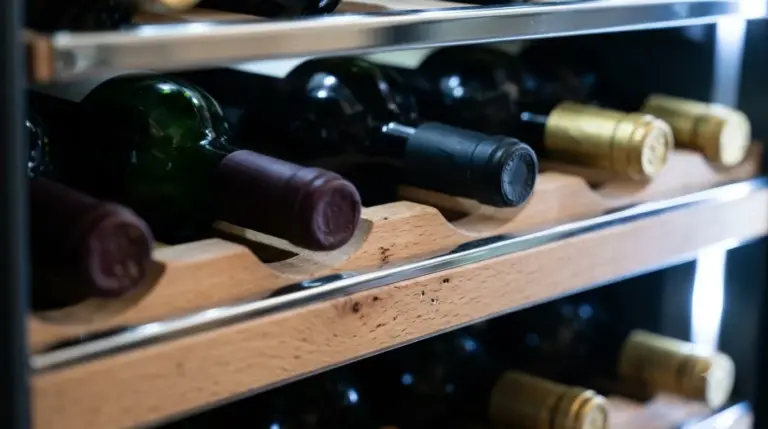 Best Wine Fridge With Drawers for Easy Access to Every BottleUpdated Nov 18, 2026
 Best Wine Fridge With Freezer: Combo Styles for Kitchens and BasementsUpdated Nov 18, 2026
 Best Wine Fridge for Magnum Bottles: Shelf Depth and Upright FitUpdated Nov 18, 2026