

We may earn a commission when you buy through links on this page, at no extra cost to you. Learn more.
The mornington peninsula wine region is a cool-climate wine-producing area in Victoria, Australia, best known for elegant Pinot Noir and Chardonnay shaped by maritime conditions. Located about an hour southeast of Melbourne, the peninsula benefits from cooling sea breezes, varied elevations and distinctive soils. Its wines combine bright natural acidity, delicate fruit flavors and fine structure, making it one of Australia’s most interesting destinations for cool-climate wine.
Although relatively small compared with Australia’s major wine-producing areas, Mornington Peninsula has developed an international reputation for expressive, site-specific wines. Pinot Noir is its signature red variety, while Chardonnay and Pinot Gris provide compelling white-wine alternatives. Understanding the geography, grape varieties and differences between vineyard areas makes it easier to appreciate what distinguishes these wines and choose bottles worth exploring.
Location and Maritime Climate
Mornington Peninsula’s position between Bass Strait, Port Phillip Bay and Western Port Bay creates a distinctly maritime environment that favors slow, balanced grape ripening. The surrounding water moderates temperatures, while coastal winds and changing elevations contribute to different growing conditions across relatively short distances.
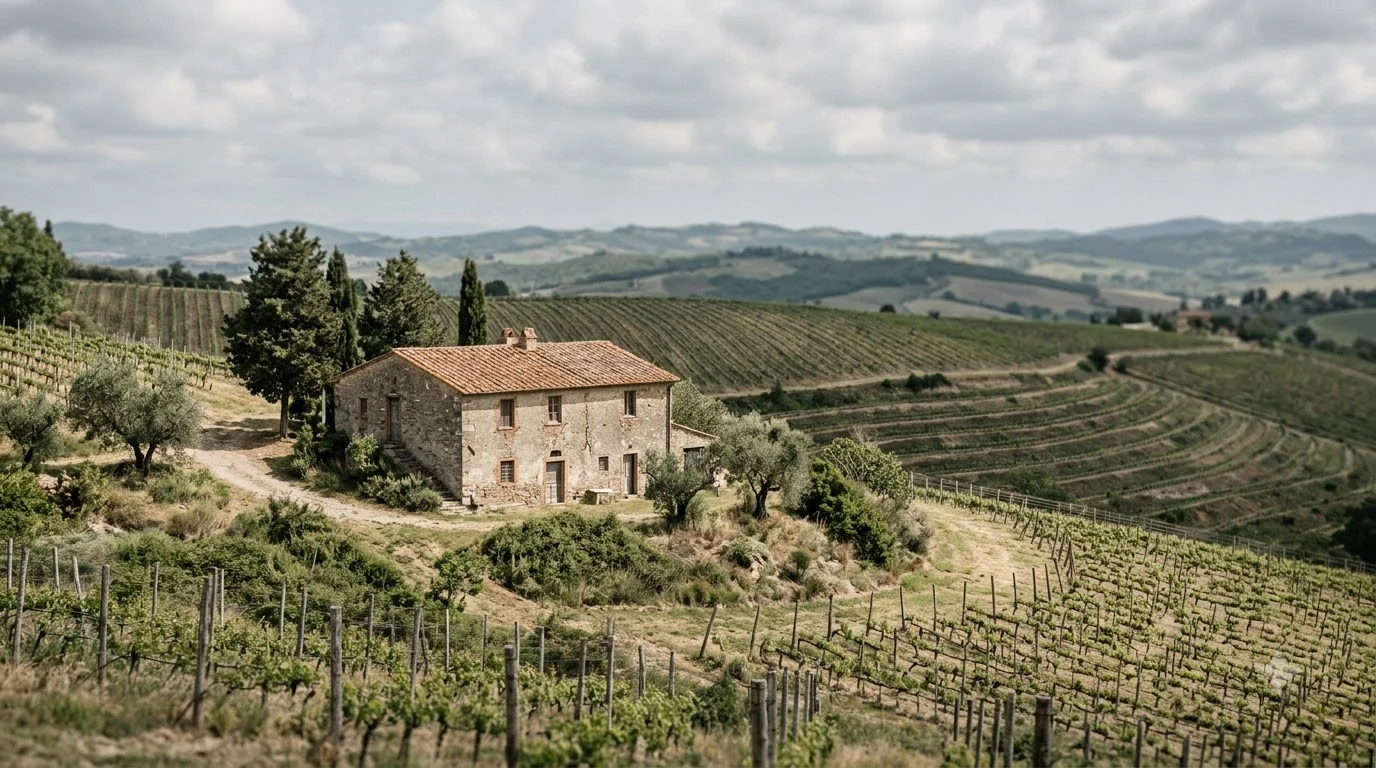
The region lies southeast of Melbourne in the Australian state of Victoria. Wine Australia identifies the geographical indication as approximately 723 square kilometers, with vineyards extending across a landscape of rolling hills, sheltered valleys, coastal plains and exposed slopes. No vineyard site is more than 7 kilometers from the ocean, an important geographical characteristic that helps explain the region’s cool-climate identity.
According to Wine Australia’s regional profile, the peninsula has approximately 976 hectares of vineyard area, elevations ranging from 0 to 315 meters and average growing-season rainfall of 371 millimeters. Its mean January temperature is 19.3 degrees Celsius. These figures provide useful context for understanding the conditions under which the grapes mature.
| Regional characteristic | Typical figure |
|---|---|
| Geographical indication area | 723 square kilometers |
| Total vineyard area | 976 hectares |
| Elevation range | 0–315 meters |
| Mean January temperature | 19.3°C |
| Growing-season rainfall | 371 millimeters |
| Maximum vineyard distance from ocean | 7 kilometers |
These figures are reported in Wine Australia’s Mornington Peninsula regional profile. They describe a relatively cool, moist growing environment compared with many inland Australian wine regions.
Maritime influence does not mean every vineyard experiences identical weather. Sheltered valleys, exposed ridges and coastal sites can differ significantly in temperature, wind exposure and sunlight. These differences affect flowering, fruit development and harvest timing, giving winemakers opportunities to produce distinct expressions of the same grape variety.
Consistent winds also help make frost relatively uncommon. However, humidity and rainfall can create vineyard-management challenges, particularly during flowering and near harvest. Growers must monitor canopy growth, fruit exposure and disease pressure carefully to protect grape quality.
The growing season often extends into a relatively gentle autumn, allowing grapes to develop flavor while retaining natural acidity. This balance is particularly valuable for Pinot Noir and Chardonnay, varieties that can lose their freshness or become overly ripe when exposed to excessive heat.
Soils, Elevation and Important Subregions
Mornington Peninsula’s diverse soils and rolling terrain create distinct vineyard conditions, even within neighboring communities. Red volcanic soils, clay-based duplex soils and sandy northern sites influence vine growth, water availability and the character of the resulting wines.
One of the most recognizable soil types occurs around Red Hill and Main Ridge, where deep red soils of volcanic origin are found. These soils are associated with the region’s geological history and provide a distinctive environment for carefully managed vineyards. The area’s elevation and cooler conditions also contribute to the production of fresh, aromatic Pinot Noir.
Other parts of the peninsula have different geological characteristics. Dromana has hard yellow duplex soils with a distinct transition between surface soil and underlying clay. Merricks is associated with brown duplex soils, while Moorooduc has noticeably sandier conditions.
These variations are important because grapevines respond to drainage, soil depth, water retention and nutrient availability. A well-drained site may encourage different vine growth from a deeper, more moisture-retentive soil. The effect on the finished wine depends on the interaction between soil, climate, grape variety and vineyard management rather than one soil characteristic alone.
Red Hill and Main Ridge
Red Hill and Main Ridge are among the best-known hinterland wine areas. Their elevated vineyards and volcanic soils make them important destinations for producers seeking freshness and aromatic definition. Pinot Noir from cooler sites can emphasize cherry, raspberry and delicate floral characteristics, supported by lively acidity and fine tannins.
Chardonnay from these areas can also show excellent precision. Depending on picking decisions, fermentation and oak treatment, the wines may emphasize citrus, white peach and mineral impressions rather than pronounced tropical fruit. Some producers favor restrained oak to preserve the grape’s natural freshness.
Moorooduc and the Northern Areas
Moorooduc offers a different growing environment, with sandy soils and relatively warmer conditions in parts of the northern peninsula. These differences can influence ripening and the balance between fruit concentration and acidity.
Coastal communities such as Merricks, Balnarring and Dromana also contribute to the regional patchwork. Exposure to prevailing winds, local topography and distance from particular bodies of water all affect vineyard conditions. Consequently, two wines made from Pinot Noir grown within the same general area can have noticeably different structures and aromatic profiles.
For wine drinkers, this diversity provides a reason to compare producers and individual vineyard bottlings rather than assuming that every wine from the peninsula tastes alike. Exploring Mornington Peninsula vineyards by location is a useful way to understand these differences.
Pinot Noir: The Region’s Signature Red Wine
Pinot Noir is the defining red grape of Mornington Peninsula, producing light-to-medium-bodied wines with bright acidity, delicate red-fruit flavors and generally soft tannins. Its ability to reflect small differences in growing conditions makes it especially well suited to the peninsula’s varied maritime vineyards.
According to the regional wine association, Pinot Noir accounts for approximately half of the region’s vineyard plantings. It is also an important part of Australia’s broader Pinot Noir production, with the peninsula representing a significant concentration of vineyards dedicated to this demanding grape.
Typical aromas and flavors include fresh cherry, strawberry, raspberry and sometimes darker plum. Depending on the vineyard and winemaking approach, additional notes may include dried herbs, forest floor, spice and earthy complexity. The best examples balance fruit intensity with freshness rather than relying on heavy extraction or obvious oak.
Pinot Noir is a particularly sensitive variety in the vineyard. It can respond dramatically to changes in temperature, sunlight, rainfall and harvesting decisions. Growers must pay close attention to canopy management and fruit condition, while winemakers must decide how much whole-cluster fermentation, extraction and oak maturation will suit the fruit.
Differences Between Pinot Noir Styles
Cooler and higher vineyard sites often produce wines with bright red-fruit aromas, fine tannins and pronounced acidity. These expressions can feel delicate initially, but their complexity and persistence become clearer with time in the glass.
Warmer and relatively drier sites can produce Pinot Noir with darker cherry, plum and more generous fruit concentration. Such wines may have firmer tannins and a broader mid-palate while retaining the freshness associated with the maritime climate.
Winemaking decisions further expand the range. Some producers use whole bunches during fermentation to introduce herbal aromas and structural complexity. Others prefer destemming to emphasize clean fruit character. Oak barrels can contribute spice and texture, but restrained use generally allows the variety and vineyard to remain at the center of the wine.
Food Pairings for Mornington Peninsula Pinot Noir
The grape’s relatively low-to-medium tannin level and high acidity make it versatile at the table. It pairs particularly well with roast chicken, duck, mushroom dishes, pork tenderloin and grilled salmon. The combination of acidity and delicate fruit can also work with dishes featuring earthy ingredients such as lentils and roasted mushrooms.
For a simple pairing, serve Pinot Noir with roast chicken, sautéed mushrooms and herbs. The savory flavors complement the wine’s earthy notes without overwhelming its lighter structure.
Oily fish can be a difficult match for strongly tannic red wines, but the comparatively gentle tannins of Pinot Noir make certain fish dishes more approachable. Salmon with herbs or grilled tuna can work when the preparation is not overly rich or spicy.
Serving temperature matters. A light or medium-bodied Pinot Noir is best served around 55–60°F, rather than at warm room temperature. This preserves its freshness and makes the aromatic details easier to appreciate.
Chardonnay, Pinot Gris and Other White Wines
Chardonnay is the peninsula’s other major variety, producing wines that combine citrus and stone-fruit character with natural acidity and textural complexity. Pinot Gris and Pinot Grigio provide additional styles, while smaller plantings of Shiraz, Riesling and other grapes demonstrate the region’s broader potential.
Mornington Peninsula Chardonnay can range from lean, citrus-driven wines to richer bottlings with peach, melon and subtle savory characteristics. The local climate supports gradual ripening, helping preserve freshness while allowing grapes to develop concentrated flavors.
Winemaking has a significant influence on the finished style. Stainless-steel fermentation can emphasize clean fruit and acidity, while barrel fermentation and maturation can add texture, spice and complexity. Malolactic fermentation may soften the wine’s sharper acidity and create a rounder impression.
Some regional Chardonnay is suitable for extended aging. Wine Australia’s regional information notes that certain examples can develop for 10 years or more. With bottle age, fresh fruit flavors may evolve toward toasted nuts, honey and more complex savory characteristics, depending on the wine’s original structure and storage conditions.
Pinot Gris and Pinot Grigio
Pinot Gris and Pinot Grigio are two names for the same grape variety, although producers sometimes use them to suggest different winemaking styles. Pinot Grigio often indicates a lighter, fresher expression, while Pinot Gris may suggest a broader, more textured approach.
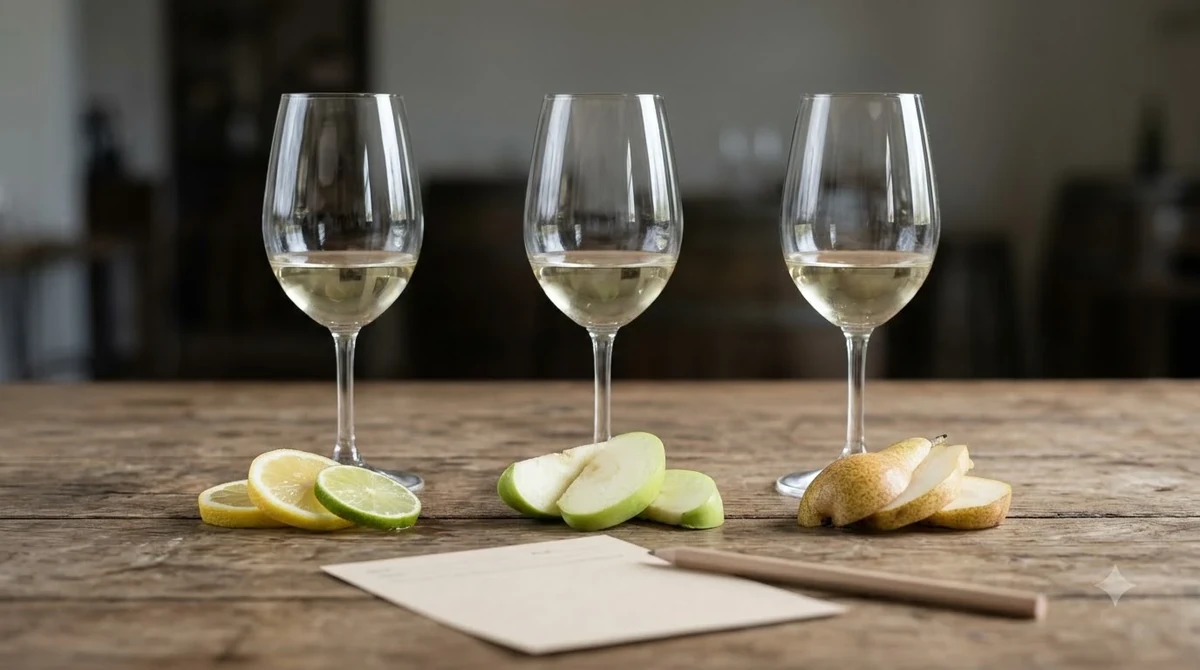
In Mornington Peninsula, the cool climate supports medium-bodied wines with pear, apple, citrus and stony mineral characteristics. Their refreshing acidity makes them useful alternatives to Chardonnay, particularly when the meal calls for a lighter white wine.
Try Pinot Gris with seafood, grilled vegetables, fresh salads or dishes featuring delicate herbs. Its fruit character can complement shellfish, while its acidity helps balance creamy sauces and richer preparations.
Shiraz and Other Varieties
Shiraz has a smaller presence than Pinot Noir and Chardonnay but offers an interesting regional interpretation of a major Australian grape. Cooler conditions can produce aromatic, medium-bodied wines with red and dark fruit, pepper and savory spice rather than the concentrated, high-alcohol profile associated with some warmer Australian Shiraz.
Other varieties, including Riesling, Sauvignon Blanc, Arneis, Savagnin and Tempranillo, appear in smaller plantings. Their presence reflects the willingness of some growers to explore varieties that suit particular vineyard sites.
Riesling is especially interesting for drinkers who prefer pronounced acidity and citrus flavors. Depending on residual sugar and winemaking choices, it can range from very dry and mineral to slightly off-dry. These wines can provide an alternative to Chardonnay for seafood and Asian-inspired dishes.
Wine Styles, Winemaking and Serving Recommendations
Mornington Peninsula wines are generally defined by freshness, moderate weight and expressive varietal character rather than excessive ripeness. Their balance of fruit, acidity and texture reflects the combination of maritime conditions, vineyard differences and thoughtful winemaking.
Pinot Noir is usually the first wine to explore when discovering the region, but comparing it with Chardonnay provides a fuller picture of local wine styles. Both varieties can express subtle differences between vineyards, making them particularly rewarding for comparative tastings.
Winemakers use a range of techniques to shape their wines. For Pinot Noir, fermentation choices can influence aromatic complexity and tannin structure. For Chardonnay, barrel fermentation, lees contact and malolactic fermentation can affect richness and texture. None of these methods automatically produces a better wine; the outcome depends on the fruit and the intended style.
Oak is particularly important to understand when evaluating regional Chardonnay. New oak can contribute vanilla, toast and spice, while older barrels provide texture with less obvious wood flavor. Some producers favor minimal oak influence to preserve citrus and mineral character.
Recommended Serving Temperatures
Serving temperature can change how a wine smells and tastes. Chilling a wine too much can suppress its aromas, while serving it too warm can make alcohol seem more prominent and reduce the impression of freshness.
| Wine style | Recommended temperature | Typical serving approach |
|---|---|---|
| Mornington Peninsula Pinot Noir | 55–60°F | Serve slightly cool |
| Chardonnay | 50–55°F | Allow aromas to develop |
| Pinot Gris or Pinot Grigio | 45–50°F | Serve chilled |
| Riesling | 45–50°F | Keep fresh and aromatic |
| Shiraz | 60–65°F | Serve slightly below room temperature |
These temperatures are practical starting points. A particularly delicate Pinot Noir may benefit from the cooler end of its range, while a fuller Chardonnay can be allowed to warm slightly in the glass.
Tip: If a Mornington Peninsula Pinot Noir seems muted immediately after opening, give it 10–15 minutes in the glass before judging its aromas. For a young, particularly structured red, a longer period of aeration may help reveal its fruit and savory characteristics.
Cellaring and Bottle Storage
Not every Mornington Peninsula wine needs extended cellaring. Many Pinot Gris and lighter Pinot Noir bottlings are enjoyable while young, when their primary fruit and freshness are most pronounced. More structured Pinot Noir and premium Chardonnay can develop additional complexity with careful bottle aging.
Store bottles in a cool, dark location with a relatively stable temperature near 55°F. Keep cork-sealed bottles on their sides to maintain contact between the cork and wine. Avoid frequent temperature fluctuations, direct sunlight and unnecessary movement.
After opening, refrigerate still wines and use a suitable closure. Most opened still wines remain enjoyable for approximately three to five days, although their aromas and freshness gradually decline. Allow refrigerated red wine to warm slightly before serving.
For a tasting, a standard 5-ounce pour is a practical serving size. A 750-milliliter bottle provides approximately five such glasses, allowing several guests to compare different producers or vineyard expressions without pouring excessively large servings.
Visiting Wineries and Planning a Tasting Trip
Mornington Peninsula is one of Victoria’s most accessible wine destinations, with more than 50 cellar doors and a combination of boutique wineries, vineyard restaurants and coastal attractions. Its proximity to Melbourne makes it suitable for a day trip, although an overnight stay allows more time to explore individual wine areas.
The region’s wine tourism experience is closely connected to its geography. Visitors can travel between vineyard-covered hills, coastal villages and scenic viewpoints, discovering how local conditions influence wine styles along the way.
Red Hill and Main Ridge are excellent starting points for travelers interested in cool-climate Pinot Noir and Chardonnay. Their vineyards, elevated landscapes and established cellar doors provide opportunities to compare wines from different sites.
Moorooduc offers another perspective, with its distinct soils and different local growing conditions. Coastal areas such as Merricks, Balnarring and Dromana broaden the itinerary with additional vineyard settings and access to the peninsula’s seaside scenery.
Producers and Cellar Door Experiences
Several established wineries provide useful starting points for exploring the regional wine scene:
- Montalto: Located in Red Hill, this winery combines wine experiences with seasonal dining and vineyard surroundings.
- Ten Minutes by Tractor: Based in Main Ridge, it is known for its vineyard-focused wines, restaurant and cellar-door experience.
- Paringa Estate: A well-known regional producer offering wines that include Pinot Noir and Chardonnay.
- Port Phillip Estate: Offers wine and food experiences with panoramic views across the surrounding landscape and bay.
- Crittenden Wines: An established family-owned producer with a history connected to the development of the peninsula’s modern wine industry.
- Quealy Winemakers: Produces Pinot Noir, Pinot Gris and Chardonnay from several vineyard sites.
These wineries offer different ways to experience the region, from focused tastings to more extensive food-and-wine visits. The official Visit Victoria winery directory provides additional information about cellar doors, regional highlights and food experiences.
How to Organize a Tasting Day
A sensible itinerary includes two or three wineries rather than attempting to visit every available cellar door. Allow enough time at each stop to compare wines, ask questions and enjoy the landscape without rushing between appointments.
Begin with a winery offering Chardonnay or Pinot Gris, then move to a producer specializing in Pinot Noir. Comparing two or three examples of the same grape from different sites is often more educational than sampling unrelated varieties at every stop.
Reserve lunch at a winery restaurant or a nearby local establishment. Food helps make a tasting day more enjoyable and provides a useful opportunity to see how the wines perform alongside regional ingredients.
Many cellar doors operate with different schedules, tasting arrangements and booking requirements. Confirm opening hours and reservations before setting out, particularly during weekends and holiday periods. Visitors who prefer not to drive between tastings can arrange a guided tour or private transportation.
For a more detailed itinerary, explore Mornington Peninsula wine tasting before choosing which producers to visit. Those interested in comparing this region with another cool-climate European destination may also enjoy learning about the Savoie wine region.
Frequently Asked Questions
Is Mornington Peninsula classified as a wine geographical indication?
Yes. Mornington Peninsula is an officially recognized Australian Geographical Indication, commonly abbreviated as GI. Its defined geographical boundaries distinguish wines originating from the peninsula from wines produced elsewhere in Victoria. The GI covers approximately 723 square kilometers.
When did commercial winemaking begin in Mornington Peninsula?
The peninsula has an earlier wine history than its modern reputation might suggest. Dromana wine received an honorable mention at the Intercontinental Exhibition in 1886. The modern industry experienced its important revival in 1972, when a new generation of growers recognized the potential of its maritime conditions.
Does Mornington Peninsula produce sparkling wine?
Yes. Sparkling wine is part of the peninsula’s broader production, although Pinot Noir and Chardonnay remain its best-known varieties. These grapes are also suitable for traditional-method sparkling wines, in which the second fermentation takes place inside the bottle. Chardonnay and Pinot Noir provide the structure and freshness commonly sought in premium sparkling styles.
How many wineries can visitors find on the peninsula?
The regional wine association identifies more than 50 wineries with cellar doors across the peninsula. These include small family-operated businesses and larger winery destinations offering dining experiences. The exact number of places available for public tastings can vary with opening arrangements and seasonal operations.
Can Mornington Peninsula Chardonnay age in the bottle?
Yes. Certain premium examples can develop for a decade or longer when stored under suitable conditions. Their natural acidity and concentration help support bottle development, while oak treatment and winemaking decisions influence how their aromas evolve. Older bottles may show more developed nut, honey and savory characteristics than their youthful citrus and stone-fruit profiles.
The Mornington Peninsula offers a distinctive combination of maritime freshness, varied vineyard sites and carefully made cool-climate wines. Its Pinot Noir and Chardonnay deserve particular attention, while Pinot Gris, Shiraz and sparkling wines provide additional reasons to explore the region. Whether discovering its producers through individual bottles or visiting its cellar doors near Melbourne, the peninsula offers an excellent introduction to the diversity of Australian cool-climate winemaking.
More in Wine Regions
 Willcox Wine Trail: Discover Arizona’s High-Elevation Wine CountryUpdated Nov 20, 2026
 Yakima Valley Wine Region: Find the Best Styles to TryUpdated Nov 20, 2026
 Vosne Romanee Wine Tasting: Identify Aromas and Choose Better PairingsUpdated Nov 20, 2026
 Yakima Valley Wine Festival: Find the Best Seasonal Wine EventsUpdated Nov 20, 2026
 Wales Vineyards: Discover Cool-Climate Wines and Where to VisitUpdated Nov 20, 2026
 Yountville Wine Festival: Discover Napa Wines and Local FoodUpdated Nov 20, 2026