

We may earn a commission when you buy through links on this page, at no extra cost to you. Learn more.
Wines from mornington peninsula vineyards include some of Australia’s most compelling cool-climate Pinot Noir and Chardonnay, shaped by sea breezes, rolling hills, and sharply varied soils. The region sits south of Melbourne between Port Phillip Bay, Western Port Bay, and Bass Strait, so no vineyard is far from maritime influence. Pinot Noir is the signature red, Chardonnay is the leading white, and Pinot Gris/Grigio is another important part of the local range. Knowing the differences between subregions and vineyard sites makes it easier to choose bottles that suit your palate.
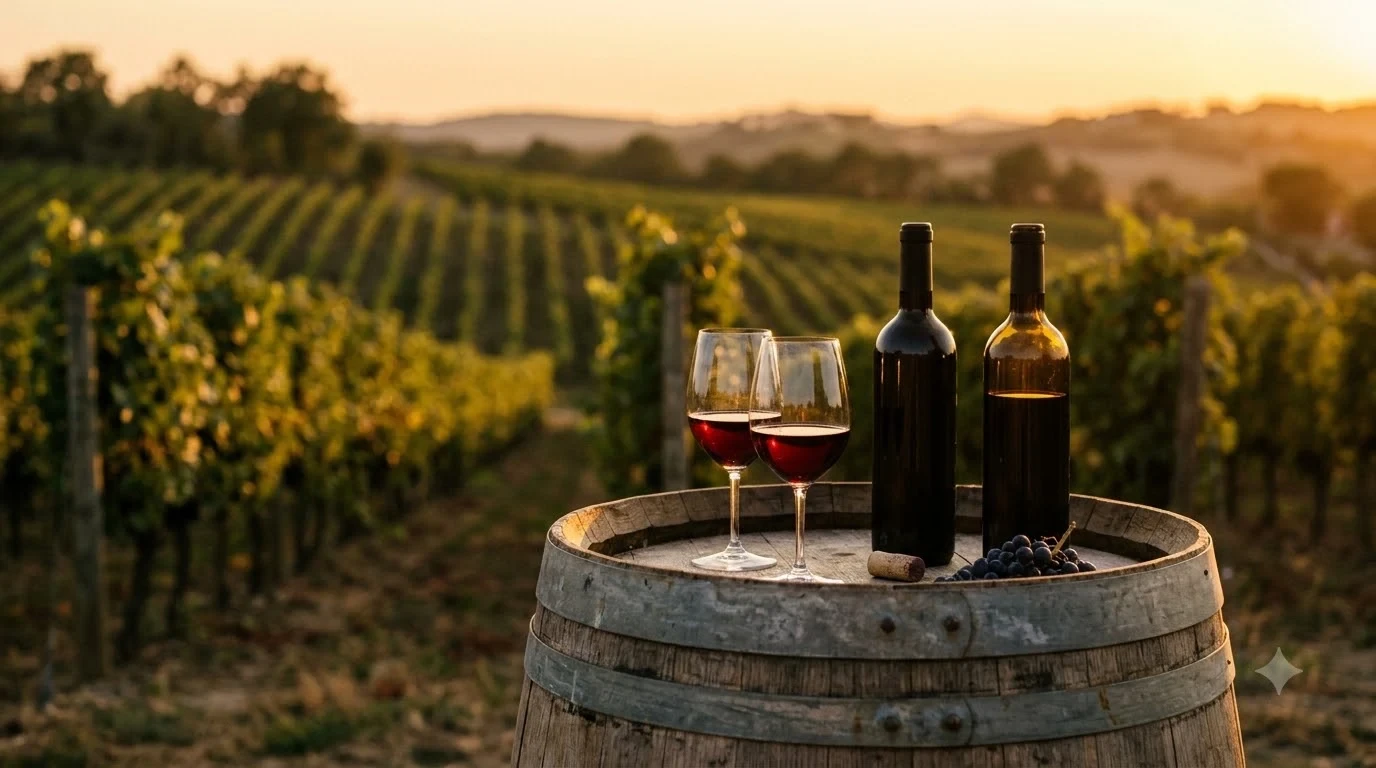
In Victoria, the Mornington Peninsula combines a compact growing area with varied slopes, exposures, and soils. Its cellar doors are accessible to visitors, but the landscape best explains why nearby Pinot Noir vineyards can produce different wines.
Where the vineyards sit and how the maritime climate works
The Peninsula’s coastal position gives its vineyards a long, measured growing season rather than the hotter conditions associated with many Australian wine areas. Port Phillip Bay lies to the west, Western Port Bay to the east, and Bass Strait to the south; according to Decanter, crisp breezes from these three bodies of water help moderate temperatures and keep the growing season balanced.
According to Wine Australia’s Mornington Peninsula profile, the region sits at about 38°35′ south and 145°05′ east, a little over an hour’s drive from Melbourne. Its regional profile records a mean January temperature of 19.3°C and 371 millimeters of growing-season rainfall. These figures help explain the region’s style: fruit can ripen without losing the bright acidity that gives Pinot Noir lift and Chardonnay freshness. The maritime setting also means that weather can vary across short distances, so a cool, damp patch near the coast may behave differently from a more sheltered inland slope.
Mornington Peninsula Wine describes a late-ripening season and prolonged, gentle autumn, allowing flavors to develop while acidity remains pronounced. Humid weather makes canopy management important. Harvest generally runs from late February into early April, although warmer, exposed blocks may be picked before cooler, south-facing sites.
With 976 hectares of vineyard area, the region is compact by Australian standards. Its wines reflect a patchwork of ridges, sheltered valleys, coastal exposures, and differing soils. The overview of Wine Regions places the Peninsula in the wider Australian picture.
Soils, altitude, and the character of each vineyard site
Soil and slope help distinguish the Peninsula’s vineyard neighborhoods, even where the distance between them is short. The Mornington Peninsula Wine overview of vineyard soils and climate identifies four principal soil patterns; Wine Australia records elevations from sea level to 315 meters. Both influence drainage, vine growth, and ripening speed.

In Dromana, the association describes yellow duplex soils with a distinct layer above friable, well-drained clay. Red Hill and Main Ridge are known for deep red volcanic soils, called kraznozems, while Merricks has brown duplex soils and Moorooduc has sandier ground. These are not interchangeable growing conditions. A site with strong drainage and lower fertility may naturally limit vine vigor, while deeper or more fertile soils can support a different canopy and crop balance. The grower’s decisions about pruning, shoot positioning, and crop levels then add another layer of variation.
Elevation and aspect matter alongside soil. Higher vineyards can be cooler and ripen later, while warmer-facing slopes receive more direct sun. Wind, humidity, and shelter also affect how quickly leaves dry after rain. Decanter traces the Peninsula’s ridges and rolling hills to volcanic activity around 60 million years ago and later geological uplift.
These differences are particularly noticeable in Pinot Noir. The local association describes higher sites as tending toward cherry and raspberry with softer tannins, while warmer areas can show plum fruit and firmer structure. Clone, vine age, picking date, and cellar choices also matter, but site clues help explain why a producer may bottle several single-vineyard Pinots.
| Regional measure | Reported figure | Why it matters |
|---|---|---|
| Total vineyard area | 976 hectares | A relatively compact, site-focused growing region |
| Elevation range | 0–315 meters | Creates differences in temperature and exposure |
| Growing-season rainfall | 371 millimeters | Supports vine growth but requires attention to canopy and disease pressure |
| Mean January temperature | 19.3°C | Reflects the region’s cool maritime conditions |
| Latitude | 38°35′ south | Places the region in Victoria’s cool-climate south |
Figures in the table are from Wine Australia’s Mornington Peninsula regional profile. Local soil descriptions and harvest timing are reported by Mornington Peninsula Wine.
Pinot Noir and the region’s signature red
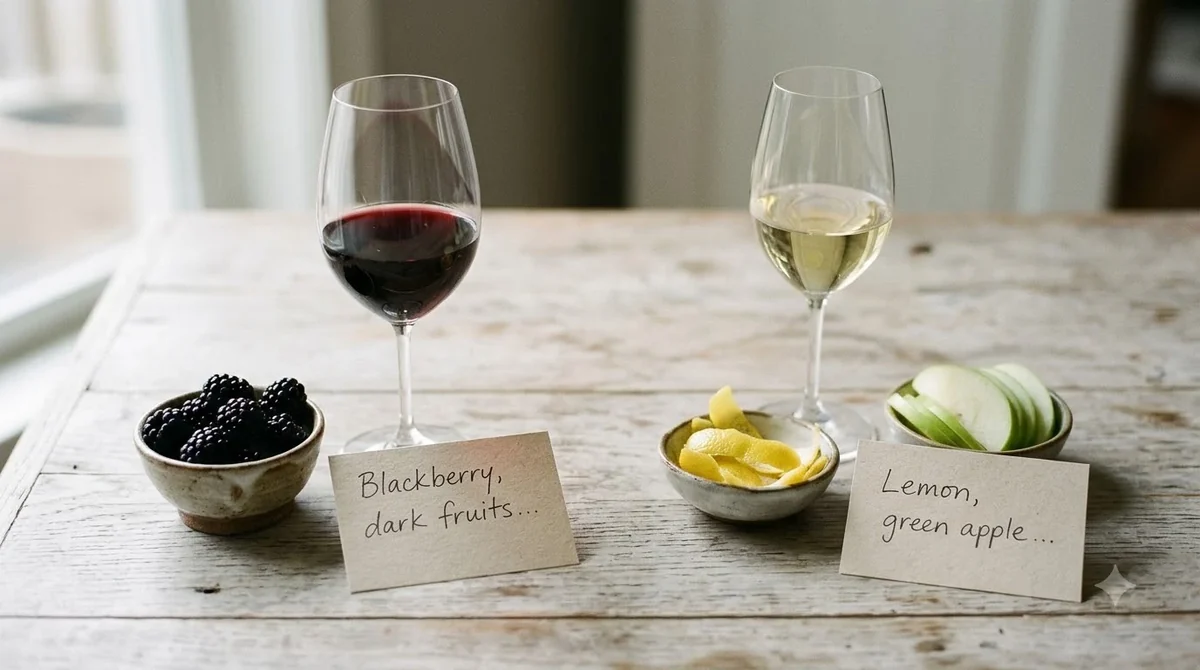
Pinot Noir is the grape most closely associated with the Mornington Peninsula, and its strength is the range of expressions it can produce across a relatively small area. Expect red cherry, raspberry, strawberry, and sometimes plum, with refreshing acidity and tannins that are generally more restrained than those in Cabernet Sauvignon or Shiraz.
Mornington Peninsula Wine describes styles that range from elegant, perfumed, and finely textured to richer, more structured examples. Higher sites may show brighter cherry and raspberry tones with softer tannins; warmer sites can deliver darker plum fruit and a firmer frame. The association also emphasizes the importance of choosing a site carefully, since Pinot Noir is sensitive to temperature, humidity, aspect, and ripening time. That sensitivity is part of what makes vineyard designation useful to curious buyers: a named block can communicate more than a generic regional label.
Winemaking choices shift the profile. Whole-bunch fermentation can add savory or herbal notes, while gentle extraction keeps the wine supple. Oak and longer maturation may build weight and spice, but too much can hide the grape’s detail. Choose a fresher style for bright red fruit or a firmer bottling for more structure.
Pinot Noir’s moderate body, bright acidity, and low-to-medium tannin suit roast chicken, duck, mushrooms, grilled salmon, and pork tenderloin. Lighter bottles work with delicate preparations; more concentrated examples can handle crisp-skinned duck or lentils. Oily fish generally clashes with strongly tannic reds, but lighter Peninsula Pinot can pair with salmon.
Chardonnay, Pinot Gris, and other grapes
Chardonnay is the other major variety, and the cool climate gives it a naturally taut structure rather than a heavy, tropical profile. Look for citrus, melon, white peach, stone fruit, fig, and sometimes flinty or mineral impressions, with acidity that can carry the wine through a creamy texture or a restrained use of oak.
The regional association notes marked site differences in Chardonnay. Some examples are linear, with lemon and white peach; others show melon, fig, and creamy texture. Malolactic fermentation, lees contact, and oak treatment shape the style. A restrained Chardonnay suits oysters or grilled fish, while a richer bottle can pair with lobster or roast pork.
Pinot Gris and Pinot Grigio are two names for the same grape, but local producers use them to signal different picking and stylistic choices. The association reports more than 140 hectares planted and describes both a fuller, more voluptuous style and a lighter, svelter style picked earlier. Expect citrus, pear, apple, and floral notes, with texture ranging from crisp and light to rounded and gently spicy. These wines can suit shellfish, salads, grilled vegetables, and dishes with mild herbs.
Shiraz and Riesling are among the additional varieties grown for suitable sites, with smaller plantings also appearing in local vineyards. Cool-climate Shiraz can be more aromatic and medium-bodied than the powerful, full-bodied styles associated with warmer Australian regions. Riesling offers a different route to freshness, with high acidity and citrus-led flavors. The region’s range is broader than its two headline grapes, but Pinot Noir and Chardonnay remain the clearest starting points for understanding its identity.
Producers, vineyard areas, and cellar-door visits
The Peninsula’s producer community includes small family vineyards, established estates, and cellar doors with different approaches to hospitality. More than 50 cellar doors are listed by the regional association, and the official directory includes producers such as Stonier, Main Ridge Estate, Moorooduc Estate, Montalto, Yabby Lake, and Ten Minutes by Tractor.
Several names help illustrate the region’s range. Stonier, established in 1978, is identified by the regional directory as a foundation winery; its cellar door focuses on Pinot Noir, Chardonnay, and sparkling wine. Main Ridge Estate is described as the Peninsula’s first licensed winery and has been family owned since 1975. Moorooduc Estate, established in 1982, is a small family-run business known for food-friendly wines. Together, they reflect a network of individual estates rather than one dominant producer.
Estate identity and grape source are not always the same thing. Some wineries work only with estate fruit; others source from several sites for regional blends or vineyard-designated bottlings. Tasting wines side by side at one cellar door can reveal how the source changes the style even when the winemaking team stays constant.
For visitors, Red Hill and Main Ridge offer rolling inland landscapes and volcanic soils; Merricks and Merricks North look toward Western Port, while Moorooduc gives another point of comparison. Cellar-door hours and booking policies differ, so plan a few confirmed stops rather than assuming every winery takes walk-ins. The guide to Mornington Peninsula wine tasting can help organize a visit, while the broader Mornington Peninsula wine region overview adds geographic context. Two or three contrasting wineries are enough: ask whether a Pinot comes from a higher or warmer block, whether Chardonnay was matured in oak, and whether the Pinot Gris is crisp or textured.
How to serve, store, and pair Peninsula wines
Serving temperature affects how clearly a wine shows its aromas. Serve Pinot Noir at 55–60°F, fuller Chardonnay at 50–55°F, and lighter Chardonnay or Pinot Gris at 45–50°F.
A standard pour is 5 ounces, and a 750-milliliter bottle provides about five glasses. If a young Pinot Noir seems closed, allow 10–20 minutes in the glass before deciding to decant. Pair it with roast poultry or mushrooms; its modest tannin makes it more flexible with fish than a heavily tannic red. Chardonnay suits seafood, roast chicken, and dishes with butter or cream, while Pinot Gris works with salads and shellfish. For acidic food, choose a wine with equal or higher acidity.
Tip: Chill a Mornington Peninsula Pinot Noir for about 15 minutes before serving if the room is warm. A slightly cool pour around 55–60°F can make its red-fruit aromas and acidity feel clearer, while excessive warmth can emphasize alcohol.
Store unopened bottles on their side in a dark place near 55°F, away from vibration and temperature swings. Reseal opened still wine and refrigerate it; most remains in good condition for about 3–5 days. For comparison, Tasmania vineyards offer another cool-climate reference, though the Peninsula’s three-sided maritime setting gives its wines a distinct balance of fruit, acidity, and texture.
Frequently Asked Questions
These answers cover practical details that often come up after a first tasting, including cellar-door planning, bottle age, and how the Peninsula compares with other Australian growing areas. The region’s main tasting focus is Pinot Noir and Chardonnay, but 50-plus cellar doors and a February-to-April harvest window make the wider picture worth exploring.
How far is the Mornington Peninsula from Melbourne?
Decanter places the Peninsula about 70 kilometers south of Melbourne, while Wine Australia describes the drive as just over an hour. Red Hill, Merricks, and Flinders are spread across the area, so visiting several cellar doors can add driving time. A designated driver or organized tour is a sensible way to arrange a tasting day.
When does grape harvest usually take place?
Mornington Peninsula Wine gives the typical harvest period as the end of February through early April. Pinot Noir and Chardonnay do not necessarily come in on the same day, and cooler or wetter conditions can push individual blocks later. Harvest activity can be visible around wineries, but it is not a guaranteed visitor experience.
Are Mornington Peninsula wines suitable for aging?
Some Chardonnay from the region can develop for 10 years or more, according to Wine Australia. Age-worthy Pinot Noir depends more on producer, vintage, site concentration, and structure, so not every bottle is intended for long cellaring. Keep bottles in a stable, cool environment and follow the producer’s guidance for a specific wine.
What is the difference between Pinot Gris and Pinot Grigio here?
Both names refer to the same grape variety, not two separate grapes. Pinot Gris berries have dusky pink-gray skins, although the juice is pale and most regional bottlings are made as white wine. Mornington Peninsula producers make styles ranging from fuller and more textured to lighter wines picked earlier.
Does the Peninsula make sparkling wine as well?
Yes. The regional directory lists sparkling wine among the styles available at Stonier, alongside Pinot Noir and Chardonnay. Traditional-method sparkling wine receives its second fermentation in the bottle, a process also used for Champagne and Cava, and the region’s cool conditions can help retain the acidity needed for a fresh base wine.
Mornington Peninsula is best understood as a collection of distinct vineyard sites joined by a cool maritime climate, not as a single uniform style. Start with Pinot Noir and Chardonnay, compare wines from different areas, and pay attention to acidity, texture, and the character of the fruit. The closer you look at the vineyard behind the bottle, the more clearly the Peninsula’s differences come into focus.
More in Wine Regions
 Willcox Wine Trail: Discover Arizona’s High-Elevation Wine CountryUpdated Nov 20, 2026
 Yakima Valley Wine Region: Find the Best Styles to TryUpdated Nov 20, 2026
 Vosne Romanee Wine Tasting: Identify Aromas and Choose Better PairingsUpdated Nov 20, 2026
 Yakima Valley Wine Festival: Find the Best Seasonal Wine EventsUpdated Nov 20, 2026
 Wales Vineyards: Discover Cool-Climate Wines and Where to VisitUpdated Nov 20, 2026
 Yountville Wine Festival: Discover Napa Wines and Local FoodUpdated Nov 20, 2026