

We may earn a commission when you buy through links on this page, at no extra cost to you. Learn more.
Mornington Peninsula wine comes from a cool, maritime region south of Melbourne in Victoria, Australia, where Pinot Noir is the signature red and Chardonnay, Pinot gris and sparkling wine also have a strong following. The region’s cool climate gives its wines lighter bodies, brighter acidity and more restrained fruit than many warmer Australian regions. This guide explains where the wine country sits, how the vines got started, which styles to look for and how to choose and serve a bottle.
If you have seen Mornington Peninsula on a bottle or a restaurant list and wondered what makes it different, this guide covers the essentials. It is written for people who want a clear picture of the region before they buy or visit, without needing prior knowledge of Australian wine.
Where the Mornington Peninsula Sits
The Mornington Peninsula is a finger of land that reaches south from the Melbourne metropolitan area into Port Phillip Bay and Western Port. Its wine country sits on the higher ground and the coastal slopes, with vineyards spread across a range of elevations from low flatlands to hillsides. Because the peninsula is surrounded by water on several sides, the air is moderated by the sea, which shapes the way the grapes ripen.
Reference sources describe a benign maritime climate for the region. The average growing-season temperature is about 20 degrees Celsius, or 68 degrees Fahrenheit, and the average rainfall during the growing season is modest. The result is a long, slow ripening period that favors grapes able to hold acidity while developing flavor.
A Short History of Vines on the Peninsula
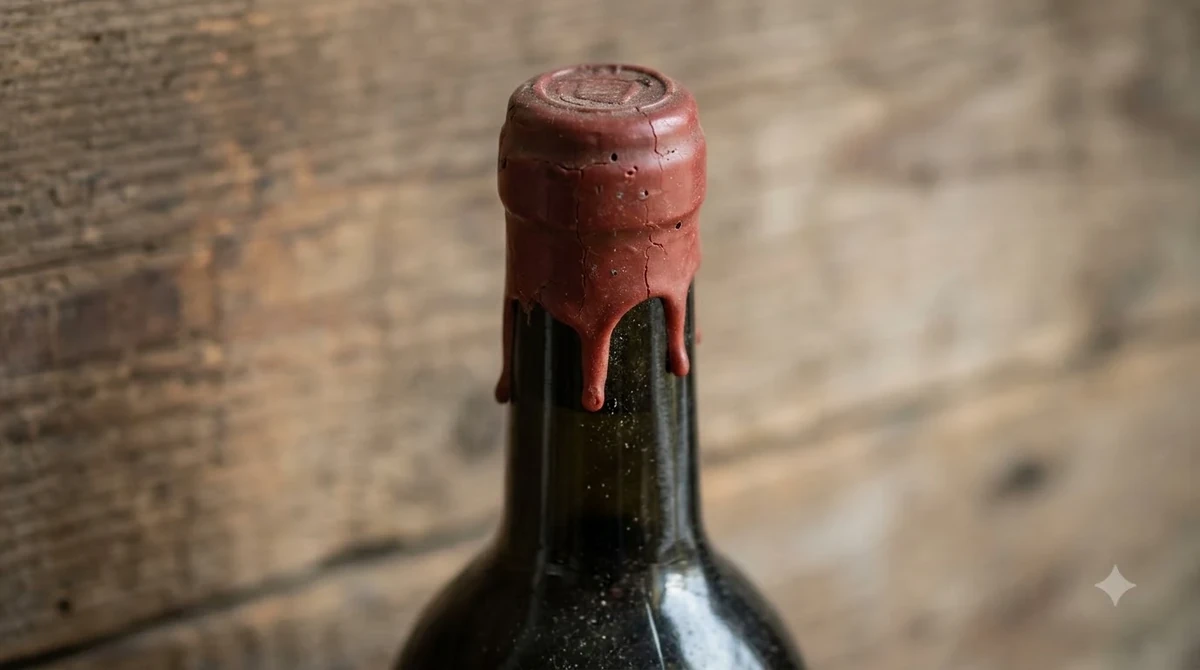
Vines were first planted on the peninsula in 1886, and the early fruit from Dromana won an honourable mention at the Intercontinental Exhibition. A Royal Commission in 1891 recorded six registered vineyards in the region, but the early effort faded in the 1920s as economic conditions, phylloxera and changing tastes pushed many vineyards out of production.
The modern industry began to take shape in the 1970s. Commercial production resumed in 1972, and the first commercial winery opened at Main Ridge in 1978, with its first fruit picked in 1980. Over the following decades the region built a reputation on Pinot Noir and sparkling wine, and it now counts a few hundred vineyards and dozens of wineries.
The gap between those early plantings and the modern industry explains why many of today’s vineyards are relatively young. Growers have spent decades learning which clones, rootstocks and row orientations suit the wind and the cool nights off the water. That accumulated knowledge is part of why the region’s Pinot Noir has become consistent from one vintage to the next, even when growing seasons differ in rainfall and sunshine.
Soils and Climate That Shape the Wines
The peninsula is not one uniform block of soil. Sandy flatlands near Moorooduc and Tuerong produce a different style of wine from the volcanic soils found between Merricks and Balnarring and along the south coast. Growers often describe the soils in terms of these local zones, which is why the same grape can taste noticeably different from one part of the peninsula to another.
The elevation and exposure matter as much as the soil. Vineyards closer to the water tend to get more moderating breezes, which slow ripening and keep acidity high. Sites further inland or on higher ground can ripen a little more fully. When comparing two Mornington bottles, check whether the label names a specific locality, because that detail often tells you more about the style than the general region name does.
| Area | Soil character | What it tends to give |
|---|---|---|
| Moorooduc and Tuerong | Sandy flatlands | Lighter, perfumed reds and a softer texture |
| Merricks and Balnarring | Volcanic soils | Deeper fruit and more structured wines |
| South coast | Mixed coastal soils | Cool-climate wines with bright acidity |
Pinot Noir, Chardonnay and Sparkling Styles
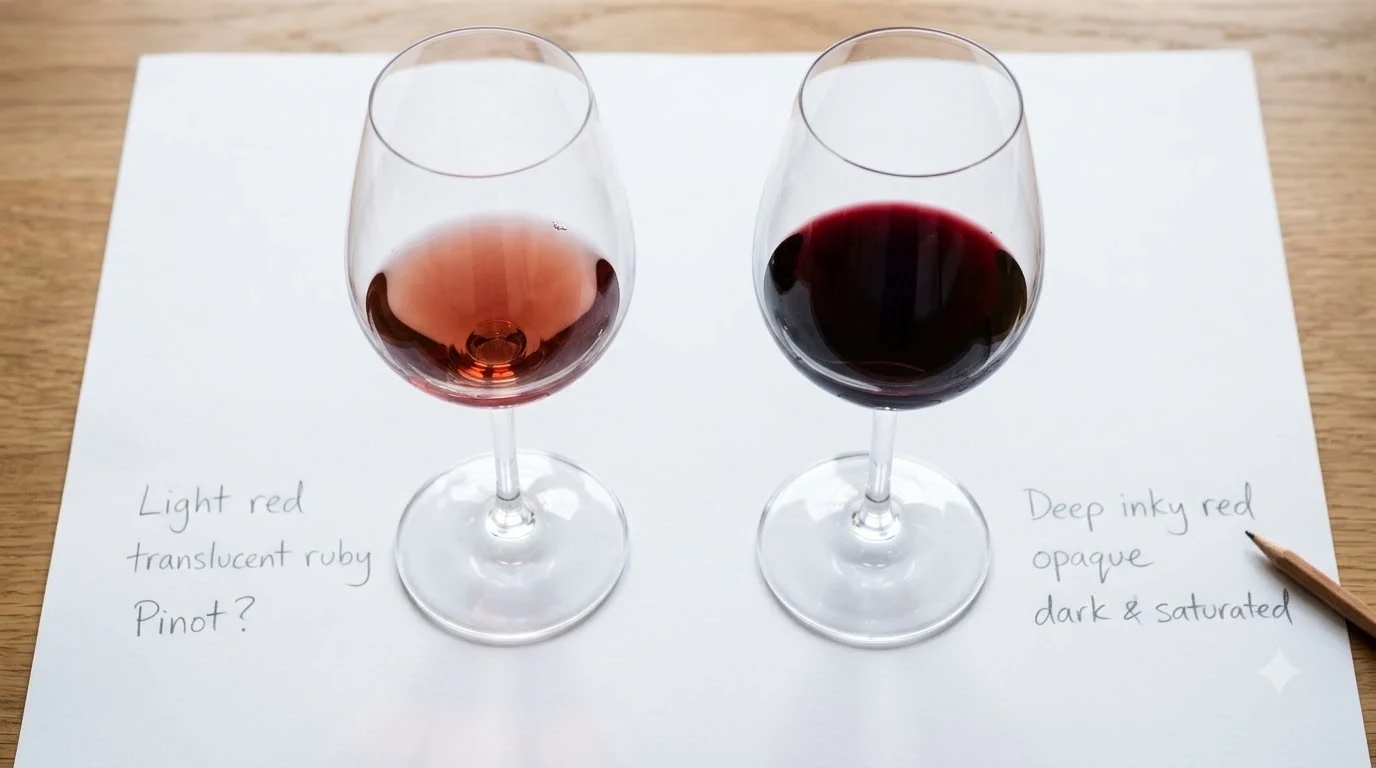
Pinot Noir is the focus of the region. Cool-climate Pinot tends to show red fruit such as cherry and raspberry, with savory notes that develop with age. Wine Folly’s Pinot Noir guide describes these wines as usually light to medium-bodied, with low tannins and medium-high acidity, and notes that cool growing seasons are central to their character. Those traits are a good fit for the peninsula’s climate.
Chardonnay is the other pillar of the white wine side. Mornington Chardonnay is often praised for balance, with citrus and stone fruit notes and a clean finish. Pinot gris and Tempranillo have also had success in the region, adding variety to the cellar door tasting list. Sparkling wine made from Pinot-based blends is a natural fit, because the cool climate keeps acidity high, which gives bubbles a lively frame.
Wineries, Events and Visiting Tips
The region has roughly 50 wineries across its vineyards, many of which open cellar doors for tastings and tours. Visitors can expect small producers as well as larger estates, and the choice of tasting rooms is wide enough that a weekend can easily fill up. Ask at each door which wines are made from the winery’s own fruit, since that often shows the vineyard’s character most clearly.
The region’s best-known event is the Mornington Peninsula International Pinot Noir Celebration, which has been held every two years since 2003. Events like this are a good way to taste many producers in one place, and they tend to sell out, so book early. For visitors who also enjoy food and wine festivals, the Fredericksburg wine festival offers a useful comparison of how regional events are organized elsewhere.
Many cellar doors also run seated tastings with a food flight, which is a good way to see how the wines behave with bread, cheese and cured meats. If you plan to visit several wineries, pick a driver or a tour operator in advance, and build in time for a longer lunch at one of the stops. The drive between vineyards can be slow on narrow roads, so keep the route short rather than trying to cover the whole peninsula in one day.
Tip: Visit on a weekday if you want a quieter tasting and more time with winemakers. Weekends and the summer months bring the most visitors, so book ahead for lunch and tours.
How to Choose and Serve a Mornington Bottle
Start with the style you enjoy. If you like elegant reds, a cool-climate Pinot Noir from one of the peninsula’s sub-zones will show the region’s lighter, perfumed side. If you prefer richer reds, look for wines from the volcanic soil areas, which tend to show deeper fruit. For whites, a Chardonnay with balanced acidity suits a wider range of food, and a sparkling wine works well as an aperitif or with seafood.
Serve Pinot Noir slightly cooler than most red wines. Wine Folly suggests 55 to 60 degrees Fahrenheit, which keeps the aromas lifted while stopping the alcohol from dominating. A short time in a decanter helps young bottles open up. Pair it with salmon, roast duck or earthy dishes with mushrooms, where its acidity and fruit balance the richness of the food.
For Chardonnay, a slightly warmer serving temperature than a crisp white brings out the fruit and texture without losing freshness. Sparkling wine should be well chilled, and a flute or a standard white wine glass helps keep the bubbles lively. Buy a bottle from the winery when you can, because cellar door releases and small-batch wines often do not reach retail shops in large numbers.
Frequently Asked Questions
Where is the Mornington Peninsula?
It is a peninsula south of Melbourne in the Australian state of Victoria. The wine region covers the vineyards across the peninsula, which sits between Port Phillip Bay and Western Port.
What is the Mornington Peninsula best known for?
The region is best known for cool-climate Pinot Noir and sparkling wine, with Chardonnay as its main white. Pinot gris and Tempranillo are also grown there in smaller amounts.
Is Mornington Peninsula wine similar to Burgundy?
Some drinkers compare cool-climate Pinot Noir from the peninsula with the lighter, more perfumed style of Burgundy. The two are not identical, because soils, climate and winemaking differ, but the comparison helps explain the restrained, aromatic style.
How should I serve Mornington Peninsula Pinot Noir?
Serve it slightly cooler than room temperature, around 55 to 60 degrees Fahrenheit. A short decant helps young bottles open. It pairs well with salmon, duck and mushroom-based dishes.
Mornington Peninsula wine rewards curiosity. Start with a Pinot Noir and a Chardonnay to see how the region’s cool climate shows up in the glass, then compare sub-zones as you explore more bottles. For a wider view of how regions shape style, the wine regions guide explains the climate and soil factors behind many of the world’s best-known wine areas.
More in Wine Regions
 Willcox Wine Trail: Discover Arizona’s High-Elevation Wine CountryUpdated Nov 20, 2026
 Yakima Valley Wine Region: Find the Best Styles to TryUpdated Nov 20, 2026
 Vosne Romanee Wine Tasting: Identify Aromas and Choose Better PairingsUpdated Nov 20, 2026
 Yakima Valley Wine Festival: Find the Best Seasonal Wine EventsUpdated Nov 20, 2026
 Wales Vineyards: Discover Cool-Climate Wines and Where to VisitUpdated Nov 20, 2026
 Yountville Wine Festival: Discover Napa Wines and Local FoodUpdated Nov 20, 2026