
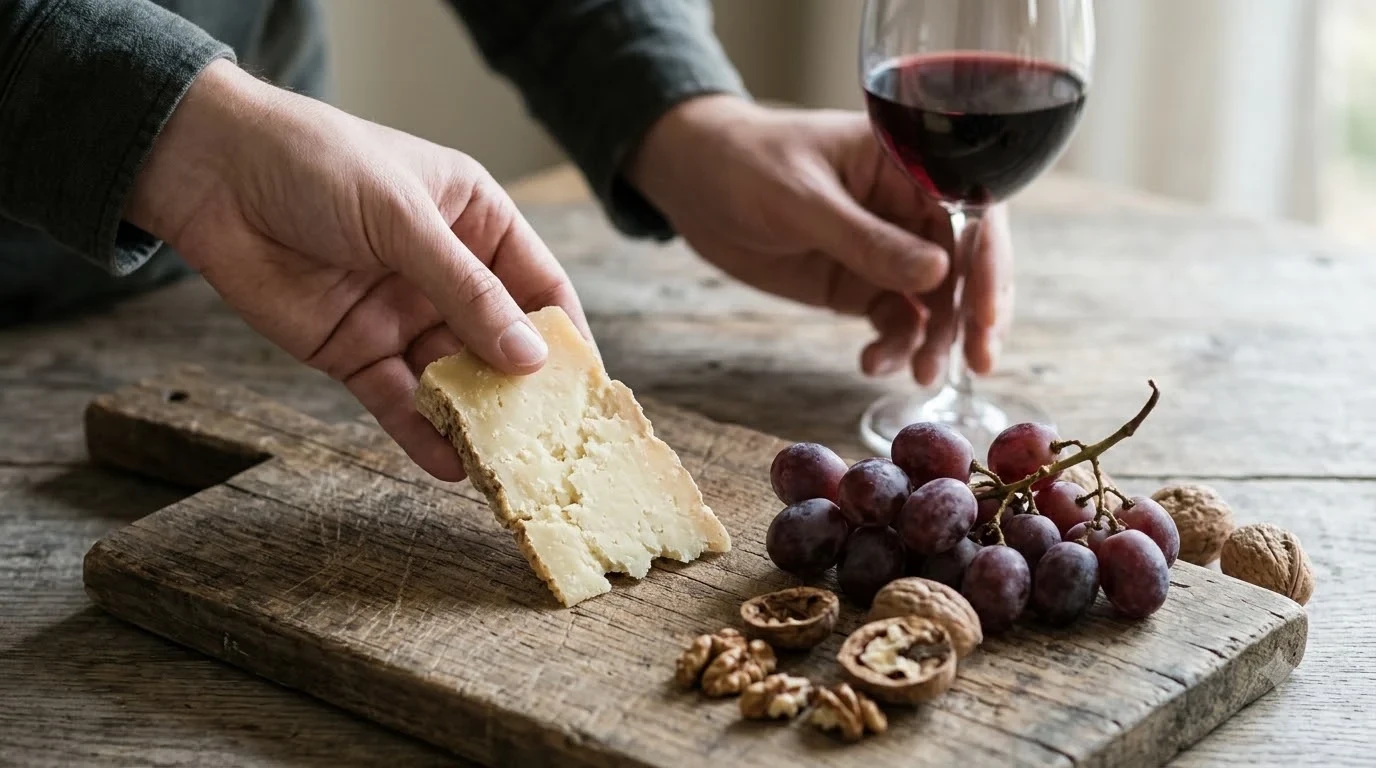

We may earn a commission when you buy through links on this page, at no extra cost to you. Learn more.
Montepulciano food pairing works best with Italian sausage, tomato-based pasta, pizza, grilled meats, roasted vegetables, and aged cheeses. This Italian red wine combines dark cherry and plum flavors with refreshing acidity, substantial tannins, and a medium-to-full body. Its structure makes it particularly suitable for savory dishes with tomato, herbs, roasted ingredients, and enough fat to soften the wine’s tannins. For an especially reliable combination, serve Montepulciano d’Abruzzo with beef Bolognese, fennel sausage pizza, or grilled lamb.
Montepulciano is one of Italy’s most versatile red grape varieties for everyday meals. Its combination of dark fruit, savory spice, acidity, and firm tannins gives it enough character for substantial meat dishes without making it unsuitable for simpler meals such as pizza or tomato pasta. Understanding its structure makes choosing the right food much easier, whether you are preparing an Italian dinner, ordering at a restaurant, or planning a casual gathering.
Understanding Montepulciano’s Flavor and Structure
Montepulciano pairs especially well with foods that complement its dark fruit, refreshing acidity, and noticeable tannins. Black cherry, plum, blackberry, dried herbs, and baking spices provide useful clues when selecting ingredients.
Montepulciano is a dark-skinned Italian grape most closely associated with Abruzzo, where it produces Montepulciano d’Abruzzo. According to Wine Enthusiast, the variety is known for deeply colored wines with powerful ripe tannins, strong aromatics, and a full-bodied structure. These characteristics explain why it can handle richly flavored foods that might overwhelm a lighter red wine.
Its flavor profile varies with growing conditions, ripeness, and winemaking. Younger examples often emphasize juicy black cherry, red plum, blackberry, and fresh herbal notes. More developed wines can show dried fruit, tobacco, earth, and savory spice. Oak maturation may introduce additional impressions of chocolate, coffee, clove, and vanilla.
Wine Folly describes Montepulciano as a dry wine with medium-to-full body, medium-to-high acidity, and medium-to-high tannins. Its typical alcohol range is approximately 11.5% to 13.5% ABV. This balance makes it substantial enough for grilled meat but sufficiently fresh to accompany tomato-based dishes. Its combination of fruit and structure is also explained in Wine Folly’s Montepulciano grape guide.
These structural characteristics matter more than matching individual flavors. A wine with noticeable tannins benefits from protein and fat, while acidity helps refresh the palate between bites of rich food. Montepulciano therefore works particularly well with meat sauces, sausage, roasted vegetables, and hard cheeses.
There are also differences between lighter, fruit-forward bottles and more concentrated, oak-aged examples. A straightforward young Montepulciano is generally an excellent match for pizza, burgers, and weeknight pasta. A structured Colline Teramane DOCG wine can be more appropriate for slow-cooked lamb, beef short ribs, and mature cheese.
Montepulciano should also be distinguished from Vino Nobile di Montepulciano. The latter takes its name from a Tuscan town and is primarily based on Sangiovese rather than the Montepulciano grape. This distinction matters when choosing a wine for a particular dish because the two wines can have different structures and flavor profiles.
For additional background on choosing wines for different dishes, the principles in this Wine Pairing guide provide a useful starting point.
Italian Sausage, Beef, Lamb, and Other Meat Pairings
Rich, savory meats are among the strongest companions for Montepulciano because their protein and fat balance the wine’s tannins. Italian sausage, grilled beef, lamb chops, pork roast, and slow-cooked meat sauces are particularly dependable choices.
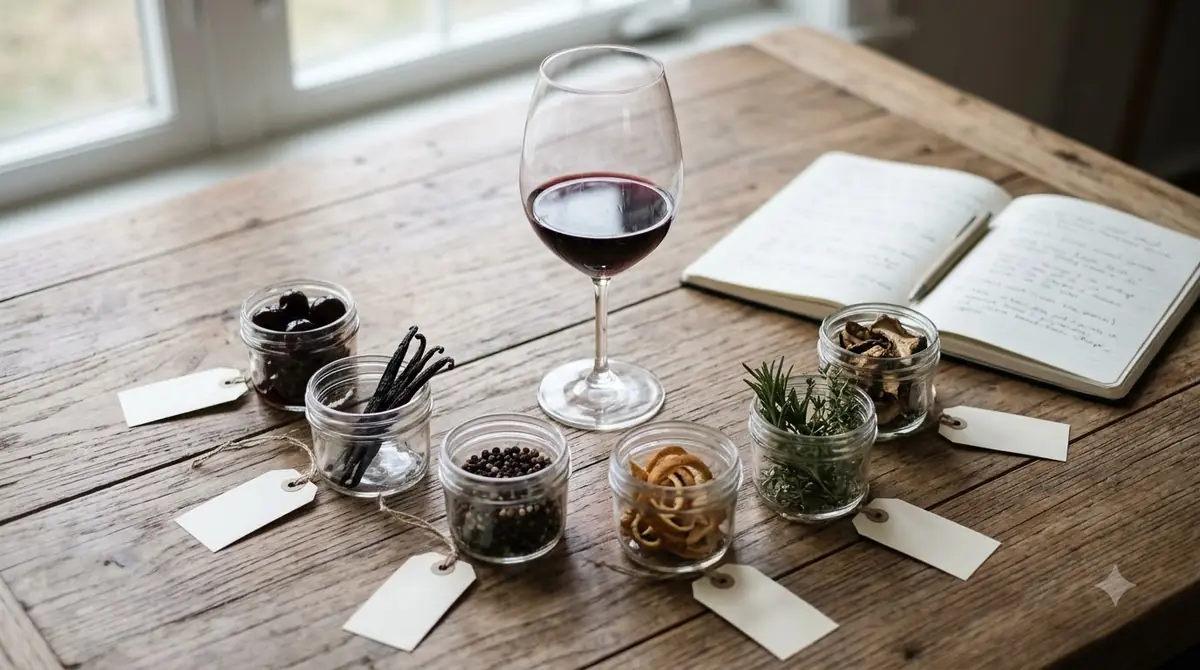
Italian sausage is an especially natural match. Its savory seasoning, juicy texture, and fat content complement Montepulciano’s dark fruit and herbal character. Fennel sausage is particularly successful because its aromatic seasoning connects with the dried thyme and spice notes sometimes found in the wine.
Smoked sausage also works well. Wine Folly specifically identifies smoked Andouille sausage as a suitable companion, including when served on meat-focused pizza. The smoky character of the sausage creates an appealing connection with Montepulciano’s darker fruit and savory finish.
Beef and grilled meats
Grilled steak, burgers, brisket, and beef short ribs provide enough richness to balance a wine with substantial tannins. A grilled ribeye with rosemary, black pepper, and roasted garlic is a particularly good match. The fat in the steak softens the wine’s drying sensation, while the wine’s acidity helps refresh the palate.
Slow-cooked beef dishes also deserve consideration. Beef Bolognese, meatloaf, braised short ribs, and shepherd’s pie combine protein, savory seasoning, and rich cooking juices. Their depth of flavor complements the wine without requiring complicated seasoning or elaborate preparation.
For barbecue, choose brisket, smoked beef ribs, or moderately sweet barbecue preparations. Montepulciano’s fruit can complement smoke and char, but extremely sweet sauces may make the wine seem more acidic and less fruity. A sauce based on tomatoes, black pepper, garlic, and restrained sweetness is generally a better choice.
Lamb, pork, and poultry
Lamb chops with rosemary and garlic are excellent with Montepulciano. Lamb’s richness balances the tannins, while its savory flavor works with the wine’s herbal and earthy characteristics. Roasted lamb shoulder with thyme and garlic is another dependable option, especially with a structured Montepulciano d’Abruzzo.
Pork is equally versatile. Roast pork loin, grilled pork chops, fennel-seasoned pork sausage, and slow-roasted pork shoulder all work well. The relatively mild flavor of pork allows the wine’s fruit to remain noticeable, while the meat’s fat provides a satisfying balance.
Chicken can also work, particularly when prepared with roasted garlic, tomatoes, mushrooms, or browned skin. A roasted chicken with rosemary and pan juices is more suitable than a delicate poached chicken breast. Dark meat generally provides a better match for fuller-bodied examples.
For a practical dinner, try the following combinations:
- Montepulciano d’Abruzzo with grilled ribeye and rosemary potatoes.
- Young Montepulciano with fennel Italian sausage and roasted peppers.
- Structured Montepulciano with slow-cooked lamb shoulder.
- Fruit-forward Montepulciano with pork meatballs in tomato sauce.
- Oak-aged Montepulciano with smoked brisket and grilled mushrooms.
- Medium-bodied Montepulciano with roast chicken and garlic potatoes.
These combinations are also useful when planning a larger meal. A bottle that accompanies both sausage appetizers and a beef main course makes entertaining simpler. For a dinner centered on pork or lamb, choose a wine with enough fruit concentration to complement the seasoning without overwhelming the meat.
Tomato Pasta, Lasagna, and Pizza
Tomato-based Italian dishes are excellent partners for Montepulciano because the wine’s acidity can stand alongside the natural acidity of tomatoes. Beef Bolognese, sausage ragù, lasagna, and meat-topped pizza are particularly reliable combinations.
Tomato sauce is sometimes difficult to pair with red wine. A low-acid wine can taste flat beside a strongly acidic sauce, while a highly tannic wine can become more drying if the dish lacks enough richness. Montepulciano’s natural acidity makes it a useful option, especially when the recipe includes olive oil, meat, or cheese.
Best pasta combinations
Beef Bolognese is arguably one of the strongest pasta pairings. The slow-cooked beef, tomato, garlic, onion, and herbs provide a mixture of savory richness and acidity. Montepulciano’s black cherry and plum flavors complement the meat sauce, while its tannins work with the protein and fat.
Lasagna is another excellent choice. Traditional meat lasagna combines tomato sauce, ground beef or sausage, pasta sheets, and creamy cheese layers. The richness of the dish balances the wine’s tannins, and the tomato sauce creates a useful connection with its acidity.
Other suitable pasta dishes include:
- Penne with spicy Italian sausage and tomato sauce.
- Rigatoni with slow-cooked beef ragù.
- Tagliatelle with pork and mushroom sauce.
- Orecchiette with sausage, garlic, and broccoli rabe.
- Baked ziti with mozzarella and seasoned ground meat.
- Ravioli with roasted mushrooms and Parmesan.
For pasta without meat, choose preparations with enough richness or savory depth. Mushroom ragù, roasted eggplant, caramelized onions, and tomato-based sauces can provide satisfying alternatives. A lighter Montepulciano is generally preferable to a heavily extracted, oak-aged bottle for these dishes.
Pizza combinations
Pizza offers another straightforward way to enjoy Montepulciano. Its combination of tomato sauce, melted cheese, browned crust, and savory toppings makes it naturally compatible with the wine’s structure.
Margherita pizza works because its tomato, mozzarella, basil, and olive oil provide freshness and richness in balanced proportions. However, meat-topped pizzas offer even more opportunities for pairing.
Consider pepperoni, Italian sausage, spicy salami, grilled mushrooms, roasted peppers, or prosciutto. Sausage and mushroom pizza is particularly attractive because the meat’s richness softens the tannins, while the mushrooms complement the wine’s earthy notes.
For a pizza night, a younger, fruit-forward Montepulciano is usually the most flexible choice. It can accompany several toppings without dominating the meal. A bottle with moderate tannins is also a sensible choice if the pizza includes both vegetables and meat.
Tip: If you are choosing one bottle for a meal featuring both pasta and pizza, select a dry, fruit-forward Montepulciano d’Abruzzo with moderate oak influence. Its cherry fruit, acidity, and savory character can accommodate tomato sauce, sausage, mushrooms, and melted cheese.
Cheese, Charcuterie, and Italian Appetizers
Montepulciano pairs particularly well with aged hard cheeses, cured meats, and savory appetizers. Pecorino, Parmesan, and Romano are strong choices because their concentrated flavors and fat content complement the wine’s structure.
Pecorino is a particularly interesting pairing. Its savory, salty character creates contrast with Montepulciano’s dark fruit, while its firm texture and richness help soften the impression of tannins. Aged Pecorino is especially suitable for more structured examples.
Parmigiano-Reggiano is another dependable match. Its nutty, savory flavors work with the wine’s earthier characteristics, and its crystalline texture offers a pleasant contrast to the wine’s body. Romano cheese provides a stronger salty and savory profile, which can be especially successful with fruit-forward bottles.
For a cheese board, consider including:
- Aged Pecorino for salty, savory intensity.
- Parmigiano-Reggiano for nutty and concentrated flavors.
- Pecorino Romano for a sharper, more assertive character.
- Provolone for a softer and milder option.
- Gorgonzola dolce in small portions, provided the wine is sufficiently fruity and the cheese is not overwhelmingly sweet.
Charcuterie is equally appropriate. Prosciutto, salami, soppressata, and cured pork products provide fat and salt that help balance Montepulciano’s tannins. Fennel-seasoned salami is especially appealing because the seasoning connects with the wine’s herbal character.
When building an appetizer platter, add olives, roasted red peppers, grilled zucchini, sun-dried tomatoes, and crusty bread. These ingredients reinforce the Mediterranean character of the wine without introducing excessive sweetness.
Salt has an important role in wine pairing. Salty and fatty foods can make tannins seem softer, so a savory appetizer platter often makes a structured red wine feel more approachable. However, very salty ingredients should be balanced with milder components to prevent the meal from becoming overwhelming.
For a simple Italian-inspired starter, serve sliced salami, aged Pecorino, roasted peppers, olives, and toasted bread alongside a lightly chilled glass of Montepulciano. This combination is practical for entertaining because most components can be prepared before guests arrive.
For a broader comparison of Italian red wine styles, Barbera food pairing offers another useful example of how acidity and fruit influence food choices. Barbera generally has a different tannin profile, making it an interesting alternative for meals with tomato sauce.
Vegetarian Dishes, Mushrooms, and Roasted Vegetables
Montepulciano is not limited to meat-based meals. Mushrooms, eggplant, roasted peppers, lentils, and tomato-rich vegetable dishes can provide the savory depth and texture needed to complement its tannins and acidity.
Mushrooms are among the best vegetarian ingredients to serve with this red wine. Their earthy, savory character connects with Montepulciano’s darker fruit, dried herbs, and sometimes tobacco-like aromas. Roasted portobello mushrooms are particularly useful because their substantial texture makes them a satisfying alternative to grilled meat.
Mushroom-based dishes
Try grilled portobello mushrooms with garlic, thyme, and olive oil. Their browned surfaces and savory interior work well with the wine’s structure. Mushroom risotto is another strong option, especially when prepared with Parmesan and a little butter to provide additional richness.
Other suitable preparations include mushroom lasagna, roasted mushrooms over polenta, and pasta with wild mushrooms. Truffle-seasoned dishes can also complement Montepulciano, particularly bottles with earthy and developed characteristics.
Eggplant and tomato dishes
Eggplant is another useful pairing ingredient. Its soft texture and ability to absorb olive oil and seasoning make it suitable for a fuller-bodied red wine. Eggplant Parmesan, for example, combines tomato sauce, fried or roasted eggplant, mozzarella, and Parmesan. The tomato acidity and cheese richness create an appealing balance.
Ratatouille can also work, especially when prepared with roasted eggplant, zucchini, peppers, tomatoes, garlic, and herbs. The vegetable sweetness and savory seasoning complement fruit-forward Montepulciano without requiring meat.
Roasted red peppers, grilled onions, and caramelized vegetables provide additional options. Their concentrated flavors connect with the wine’s ripe fruit and spice. However, very sweet vegetable preparations can make a dry red wine seem more acidic, so avoid adding excessive sugar or sweet glazes.
Legumes and hearty vegetarian meals
Lentil stew with tomatoes, rosemary, and garlic can be a satisfying pairing. Lentils provide substance, while the tomato and herbs connect with the wine’s acidity and savory flavor profile. White beans cooked with tomato, olive oil, and sage are another suitable option.
For a substantial vegetarian dinner, prepare roasted mushroom and eggplant lasagna with tomato sauce and aged Parmesan. The combination of vegetables, cheese, and acidity gives Montepulciano enough flavor and texture to accompany the meal comfortably.
The main consideration is dish weight. Delicate steamed vegetables and lightly dressed salads may be overwhelmed by a powerful red wine. Roasting, grilling, browning, and adding savory ingredients create a better match.
Vegetarian dishes can also be paired according to the wine’s age and concentration. A youthful Montepulciano with fresh cherry flavors suits grilled vegetables, while an oak-aged bottle is more appropriate for mushroom risotto and roasted eggplant with Parmesan. These choices help preserve the balance between the wine and the meal.
Matching Montepulciano by Style, Serving Temperature, and Occasion
Not every Montepulciano tastes the same, so the best food pairing depends partly on the wine’s weight, tannin level, oak influence, and age. Young fruit-forward bottles suit pizza and pasta, while more structured wines are better suited to lamb, beef, and aged cheese.
Montepulciano d’Abruzzo is the best-known expression of the grape. According to Wine Enthusiast, its DOC regulations require at least 85% Montepulciano, with permitted varieties making up the remaining proportion. The Abruzzo wine consortium also identifies several protected designations and subzones, including Terre dei Vestini, Alto Tirino, and Terre dei Peligni.
Another important regional expression is Colline Teramane Montepulciano d’Abruzzo DOCG. This designation received DOCG status in 2003 and requires at least 90% Montepulciano, with up to 10% Sangiovese permitted. Its more demanding grape composition and regional identity make it useful to recognize when comparing Italian red wines.
Montepulciano also appears in Marche, particularly in Rosso Conero DOCG and Rosso Piceno. The grape can also be found in other Italian regions, including Puglia, Molise, Umbria, and Maremma.
These regional differences are important because the wine’s structure can vary. Some bottles emphasize fresh cherry and plum, while others show stronger tannins, more concentration, and oak-derived flavors. Match the wine to the weight of the dish rather than assuming every bottle requires the same meal.
Food pairing by wine style
| Montepulciano style | Typical characteristics | Best food pairing |
|---|---|---|
| Young, fruit-forward | Fresh cherry, plum, moderate oak | Margherita pizza, tomato pasta, pork meatballs |
| Classic Montepulciano d’Abruzzo | Dark fruit, herbal notes, firm tannins | Italian sausage, beef Bolognese, grilled pork |
| Structured Colline Teramane | Concentrated fruit, stronger structure | Lamb shoulder, brisket, aged Pecorino |
| Oak-aged Montepulciano | Chocolate, coffee, vanilla, spice | Short ribs, mushroom risotto, mature cheese |
| Developed, bottle-aged | Earth, dried fruit, softer tannins | Roast lamb, mushrooms, slow-cooked beef |
Serving temperature
Serving temperature affects the wine’s aroma, acidity, and tannin perception. Montepulciano is best served slightly cooler than a warm room, particularly when the room is heated or the meal is being served outdoors.
A practical target is approximately 60–65°F for many fuller-bodied examples. Lighter styles can be served around 55–60°F. Wine Folly provides a broader serving recommendation of 60–68°F, so adjusting the temperature according to the individual bottle and serving environment is sensible.
If the bottle has been stored at room temperature, place it in the refrigerator briefly before serving. If it becomes too cold, allow it to warm gradually in the glass. Avoid serving a full-bodied red excessively warm because alcohol can become more prominent and the wine may seem heavier.
Decanting and glassware
A large red-wine glass helps release the wine’s aromas and gives it sufficient room to develop. Wine Folly recommends an oversized glass and suggests decanting Montepulciano for approximately one hour.
Young, concentrated examples can benefit from 30–60 minutes of aeration. This gives the wine an opportunity to open up, making its fruit, spice, and savory characteristics easier to appreciate. Lighter, uncomplicated bottles may not require decanting at all.
For a dinner party, a useful serving plan is to open the bottle shortly before preparing the main course. Decant a structured wine while the meat rests, then serve it with the food rather than allowing it to sit open unnecessarily.
Montepulciano also offers flexibility for different occasions. A casual pizza night calls for a younger bottle, while a Sunday roast or holiday dinner provides an opportunity to serve a more structured example. For a varied meal featuring appetizers, pasta, and meat, choose a balanced, fruit-forward style that can accompany several courses.
If you enjoy richer Italian reds, Amarone food pairing provides a useful comparison. Amarone is generally more concentrated and powerful, so it often suits dishes with greater richness than those typically served with everyday Montepulciano.
For lighter meals featuring seafood or fresh vegetables, a white wine can sometimes be more suitable. The Albarino food pairing guide offers ideas for matching high-acidity white wine with shellfish, fish, and other delicate dishes.
Frequently Asked Questions
Is Montepulciano the same as Vino Nobile di Montepulciano?
No. Montepulciano d’Abruzzo takes its name from the Montepulciano grape, while Vino Nobile di Montepulciano takes its name from a Tuscan town. Vino Nobile is based primarily on Sangiovese, traditionally known locally as Prugnolo Gentile. The distinction is important when selecting an Italian red wine for a particular meal.
Can Montepulciano be paired with seafood?
Some seafood preparations can work, particularly grilled tuna or richly seasoned seafood dishes with tomato, garlic, and herbs. However, oily fish and tannic red wines can clash, so delicate fish preparations are generally better suited to white wine. For seafood pasta, a tomato-based recipe with shellfish is a more practical option than simply serving a tannic red with grilled salmon.
Does Montepulciano work with spicy food?
It can accompany moderately seasoned dishes, including sausage pasta and mildly spicy pizza. However, very hot chili preparations can make the wine’s alcohol and tannins seem more pronounced. For dishes featuring substantial chili heat, a lower-alcohol, fruit-forward wine or an off-dry alternative may provide a more comfortable match.
Can Montepulciano be used in cooking?
Yes. Dry Montepulciano can be used in beef ragù, tomato-based braises, and sauces for roasted meats. Its dark fruit and savory character work particularly well with onions, garlic, rosemary, and beef stock. Use a sound, drinkable bottle rather than one that has deteriorated after prolonged exposure to air.
How long can an opened bottle of Montepulciano be kept?
An opened bottle of still Montepulciano generally keeps for approximately three to five days in the refrigerator when properly resealed. Its freshness gradually declines as oxygen affects the wine. Bring the remaining wine toward its preferred serving temperature before drinking it again, and avoid leaving an opened bottle exposed to warm air for several days.
Montepulciano is an adaptable Italian red wine that rewards meals built around savory flavors, balanced acidity, and satisfying textures. Start with Italian sausage, tomato pasta, grilled beef, mushrooms, or aged Pecorino, then explore more structured bottles with lamb and slow-cooked dishes. Once you understand how its fruit, tannins, and acidity interact with food, choosing a successful Montepulciano pairing becomes a straightforward part of planning dinner.
More in Food & Wine Pairing
 Risotto With White Wine Recipe: Make a Creamy Dinner at HomeUpdated Nov 20, 2026
 Wassail With Wine Recipe for a Festive Spiced Holiday DrinkUpdated Nov 20, 2026
 Spritz Veneziano Recipe: Make a Classic Venetian Aperitivo at HomeUpdated Nov 20, 2026
 Summer Wine Punch Recipe for Easy Homemade EntertainingUpdated Nov 20, 2026
 Bishop Recipe: How to Make a Bright, Citrus-Forward Red Wine CocktailUpdated Nov 20, 2026
 Wine Cupcakes Recipe: Bake Rich Chocolate Cupcakes at HomeUpdated Nov 20, 2026