

We may earn a commission when you buy through links on this page, at no extra cost to you. Learn more.
Abruzzo wine comes from a mountainous region in central Italy on the Adriatic coast, best known for Montepulciano d’Abruzzo, a dry red with dark fruit and firm tannins, and Trebbiano d’Abruzzo, a crisp white. The region has about 36,000 hectares of vineyards, most of them on hillsides, and its wines offer strong value for the style. If you are new to Italian wine, Abruzzo is a good place to start.
This guide explains where Abruzzo sits on the map, which grapes define its wines, how the main appellations differ, how to serve the reds and whites, and what to look for on a label. It is written for shoppers and home cooks who want a clear picture before they buy a bottle.
Where Abruzzo Sits and Why the Climate Matters
Abruzzo lies in central Italy, between the Adriatic Sea and two mountain massifs, the Gran Sasso d’Italia and the Majella. Most of the region is mountainous, and the inland zone, which makes up more than 65 percent of the territory, has a continental climate. Vineyards there benefit from large swings between daytime heat and cool nights, a pattern that helps grapes keep their acidity while still ripening fully.
The coastal strip is different. A wide band of hills near the sea has a milder climate, and the breeze off the Adriatic helps keep the vines dry and healthy. The mix of mountain and sea gives the region a range of conditions within a short distance, which is one reason its wines vary so much from one zone to the next.
The regional consortium reports roughly 36,000 hectares of vineyards producing about 3.8 million hectoliters a year, according to its territory pages. Most of that land is in Chieti province, with smaller shares in Pescara and Teramo, and a little in L’Aquila. The traditional pergola abruzzese trellis still covers more than 80 percent of the vineyard area, although newer plantings mostly use the vertical filare system.
The Main Grapes: Montepulciano and Trebbiano
Montepulciano is the leading red grape in Abruzzo, covering about 17,000 hectares and making up more than half of the region’s varietal base. It is not the same as Vino Nobile di Montepulciano, a Tuscan wine made from Sangiovese. In Abruzzo, the name refers to the grape itself, and the most common wine is labeled Montepulciano d’Abruzzo.
Trebbiano d’Abruzzo is the main white grape, covering about 14,000 hectares. It is a different plant from the Trebbiano grown elsewhere in Italy, and its wines tend to be fresh, dry, and easy to drink with simple food. Other local varieties include Passerina, Pecorino, and Cococciola, which are often made as light whites with bright acidity. International varieties such as Sangiovese, Chardonnay, Cabernet Sauvignon, and Merlot are also planted, but the indigenous grapes define the region’s identity.
For a clear overview of the red grape’s character, the Wine Folly guide to Montepulciano describes its usual profile of red plum, blackberry, dried thyme, and baking spice. The same guide notes medium-high tannin and acidity, which is why the wine pairs so well with food.
The Main Appellations and What They Mean
Abruzzo’s wine labels can look confusing at first, but the main appellations are easy to sort out. Montepulciano d’Abruzzo is the largest category, producing more than 800,000 hectoliters a year, and it includes a rosé-style wine called Cerasuolo. Trebbiano d’Abruzzo is the main white appellation, producing around 192,000 hectoliters annually.
Smaller appellations include Controguerra, a modest-volume DOC, and Montepulciano d’Abruzzo “Colline Teramane.” The last one carries DOCG status, Italy’s highest classification, and has held that status since the 2003 vintage. A Colline Teramane label signals a wine made under stricter rules for the zone, often with more structure and longer aging potential than a basic Montepulciano d’Abruzzo.
The Consorzio Tutela Vini d’Abruzzo, the regional protection body, lists more than 240 producers on its website and promotes the territory’s wines and wine tourism. Its territory pages are a good starting point for anyone who wants to learn more about the zones and grape mix.
How to Serve Abruzzo Reds and Whites
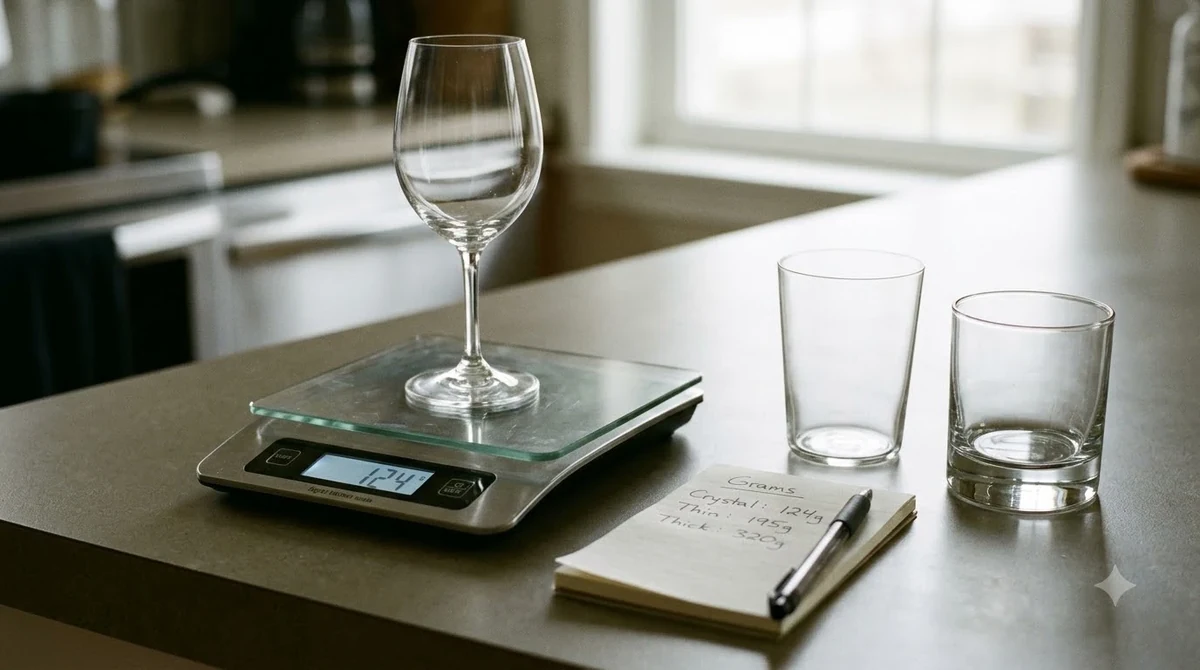
Montepulciano d’Abruzzo is best served at a cool room temperature, around 15 to 20 degrees Celsius, or about 60 to 68 degrees Fahrenheit. That range lets the fruit show without making the tannins feel too grippy. A larger wine glass helps the aromas open, and a short decant of about an hour can soften a young bottle.
Trebbiano d’Abruzzo should be served cold but not icy, usually in a white wine glass. Its crisp acidity and light body make it a good match for fish, seafood pasta, and fresh salads. Passerina and Pecorino are fresher still and are best enjoyed young.
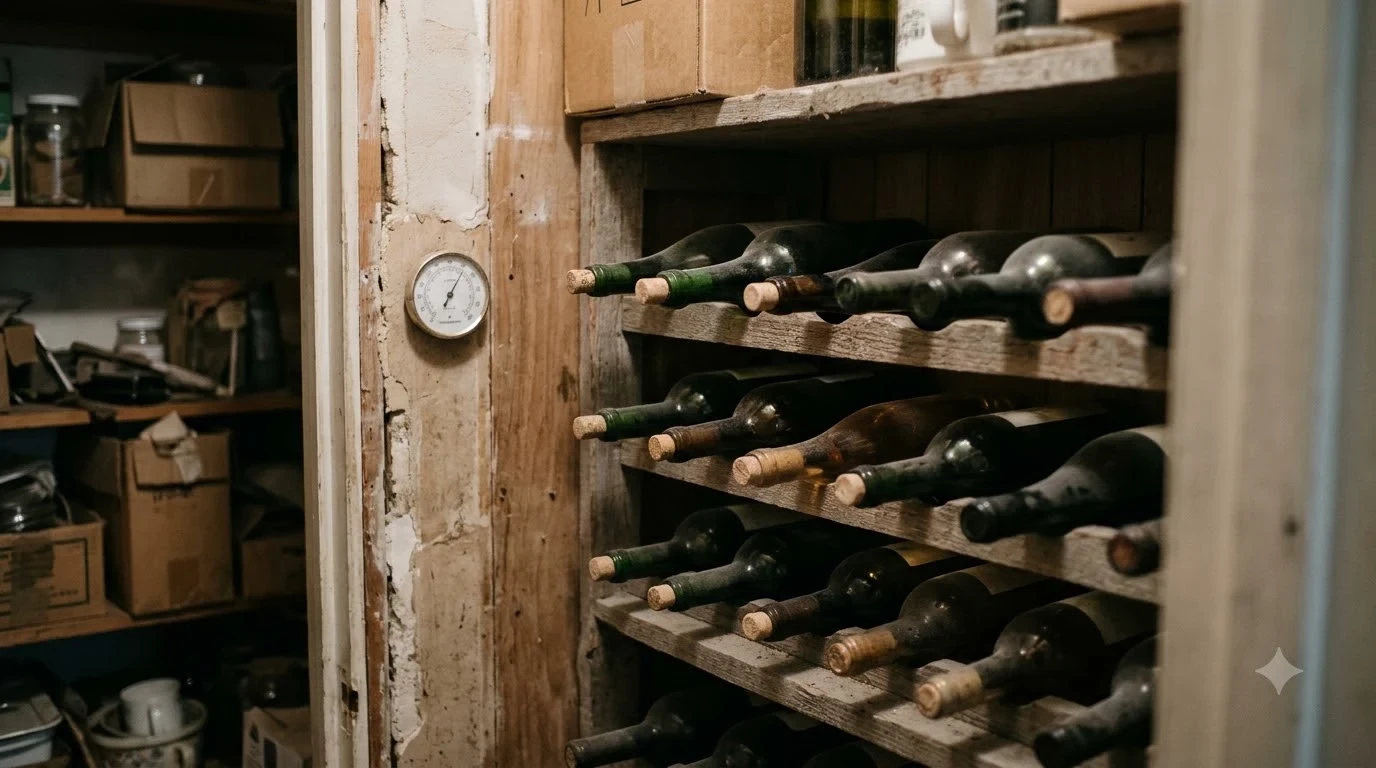
Many Abruzzo reds are made to age, especially the Colline Teramane style. Keep a bottle in a cool, dark place away from heat. Young Montepulciano is ready to drink soon after release, but a well-made bottle from a good vintage can develop more complexity over several years.
Abruzzo’s food matches are rooted in local cooking. The region is known for lamb, grilled meats, hearty pasta with tomato sauce, and dishes built on olive oil and fresh herbs. Montepulciano’s dark fruit and firm tannins stand up to lamb and rich ragù, while the crisp whites suit shellfish and light vegetable dishes.
When you choose a bottle, look for the appellation name first, then the producer. The label will show whether the wine is a Montepulciano d’Abruzzo, a Trebbiano d’Abruzzo, or the more specific Colline Teramane. Reading the vintage helps too, since young bottles are fresher and sometimes better for everyday meals.
| Category | Main grape | Typical style | Good with |
|---|---|---|---|
| Montepulciano d’Abruzzo | Montepulciano | Dry red, dark fruit, firm tannin | Lamb, tomato pasta, grilled meat |
| Cerasuolo (rosé type) | Montepulciano | Dry rosé with red fruit and fresh acidity | Salads, cured meats, light pasta |
| Trebbiano d’Abruzzo | Trebbiano d’Abruzzo | Dry white, crisp, lightly floral | Seafood, fried fish, fresh cheese |
| Colline Teramane | Montepulciano | Structured red, DOCG rules | Roasts, aged cheese, rich stews |
How to Choose an Abruzzo Bottle
Start with what you plan to eat. A Montepulciano d’Abruzzo fits most red meat dinners and pasta with rich sauces. A Trebbiano d’Abruzzo suits seafood, salads, and lighter meals. If you want a structured red for a special dinner, look for a Colline Teramane on the label.
Next, check the producer and vintage. Abruzzo has hundreds of producers, from small family estates to larger cooperatives, so the name on the label tells you a lot about the style. Reading back labels or tasting notes from trusted wine sources helps you compare bottles with confidence.
Finally, think about how you will drink the wine. A young red is best soon after purchase, while a Colline Teramane can rest for a few years. If you are buying for a gathering, a mixed case of reds and whites gives guests choices with the same regional character.
Frequently Asked Questions
What is the best-known Abruzzo wine?
Montepulciano d’Abruzzo is the best-known Abruzzo wine. It is a dry red with dark fruit, medium-high tannin, and enough structure to pair with meat and tomato-based dishes. Trebbiano d’Abruzzo is the most widely known white.
Is Montepulciano d’Abruzzo the same as Vino Nobile di Montepulciano?
No. Montepulciano d’Abruzzo is made from the Montepulciano grape in Abruzzo, in central-eastern Italy. Vino Nobile di Montepulciano is a Tuscan wine made mainly from Sangiovese. The names are similar, but the regions and grapes are different.
Should I serve Abruzzo red wine chilled?
Serve it slightly cool rather than chilled, around 15 to 20 degrees Celsius, or about 60 to 68 degrees Fahrenheit. That temperature keeps the fruit lively and softens the tannins. Opening the bottle for about 30 minutes before pouring also helps.
What food goes with Abruzzo wine?
Montepulciano d’Abruzzo pairs well with lamb, grilled meats, and tomato-based pasta. Trebbiano d’Abruzzo suits seafood, salads, and fresh cheeses. The regional cooking style, built on olive oil and herbs, matches both wines closely.
Abruzzo is a region that rewards curiosity. Start with a Montepulciano d’Abruzzo and a Trebbiano d’Abruzzo to learn the basic styles, then explore other areas through our Wine Regions guides. For a different kind of regional comparison, see our notes on Arizona wine and the Calistoga vineyards, or look at Arizona vineyards to compare how a warm, dry climate shapes a different wine style.
More in Wine Regions
 Willcox Wine Trail: Discover Arizona’s High-Elevation Wine CountryUpdated Nov 20, 2026
 Yakima Valley Wine Region: Find the Best Styles to TryUpdated Nov 20, 2026
 Vosne Romanee Wine Tasting: Identify Aromas and Choose Better PairingsUpdated Nov 20, 2026
 Yakima Valley Wine Festival: Find the Best Seasonal Wine EventsUpdated Nov 20, 2026
 Wales Vineyards: Discover Cool-Climate Wines and Where to VisitUpdated Nov 20, 2026
 Yountville Wine Festival: Discover Napa Wines and Local FoodUpdated Nov 20, 2026