

We may earn a commission when you buy through links on this page, at no extra cost to you. Learn more.
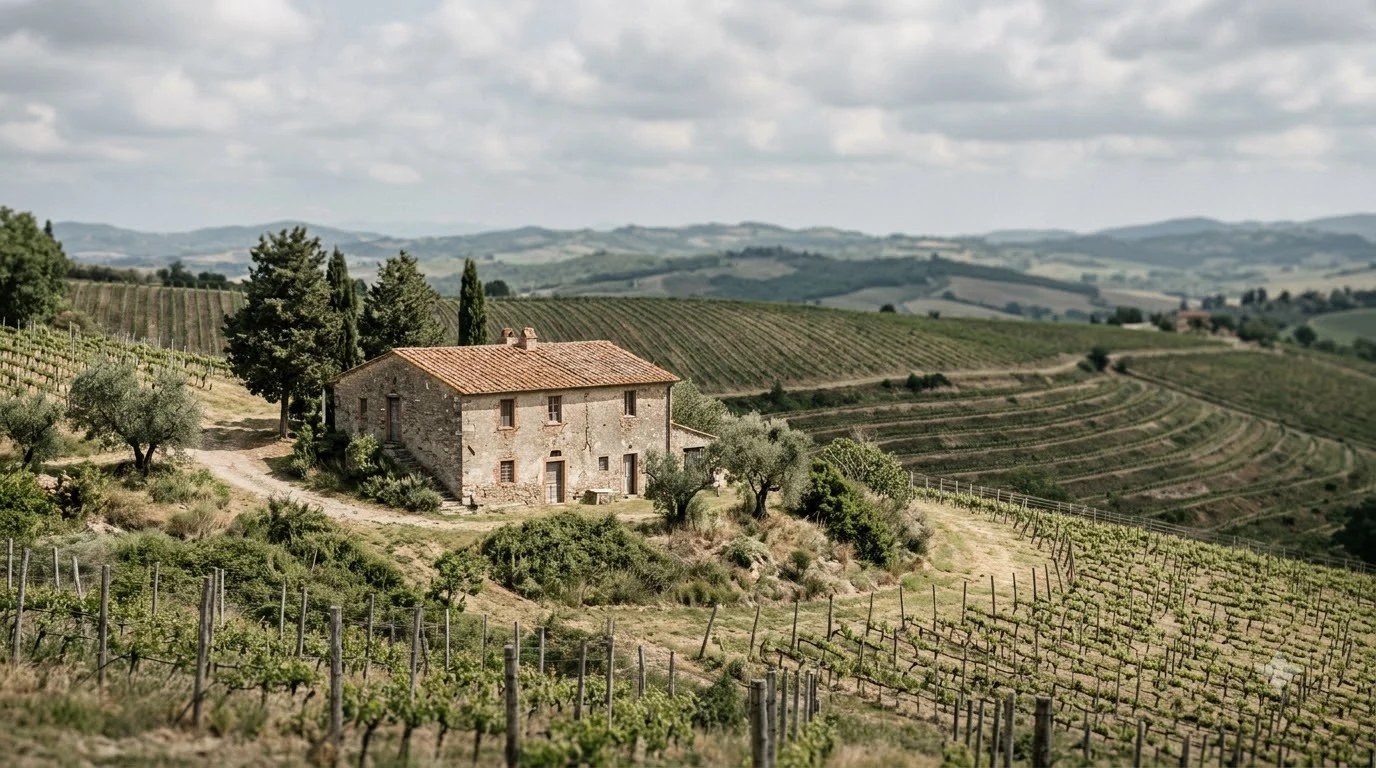
The Montefalco wine region in Umbria, central Italy, is best known for Montefalco Sagrantino DOCG, a deeply colored, full-bodied red wine made entirely from the native Sagrantino grape. The area also produces more approachable Montefalco Rosso, traditional sweet Sagrantino Passito, and distinctive white wines made from Trebbiano Spoletino and Grechetto. Its combination of hillside vineyards, varied soils, and long-standing winemaking traditions makes it one of Italy’s most distinctive wine destinations.
Montefalco offers a different perspective on Italian wine from the familiar names of Tuscany and Piedmont. Its most famous grape produces reds with unusually firm tannins, concentrated fruit, and considerable aging potential, while other local wines offer more immediate drinking pleasure. Understanding the area’s appellations, grape varieties, and food traditions makes it easier to choose a bottle that suits your preferences, whether you enjoy structured reds or lighter regional styles.
Where the Montefalco Wine Region Is Located
The Montefalco wine region occupies a small area in the province of Perugia, in the heart of Umbria. Its vineyards surround the hilltop town of Montefalco and extend into parts of four neighboring municipalities, creating a compact production zone with several distinct growing conditions.
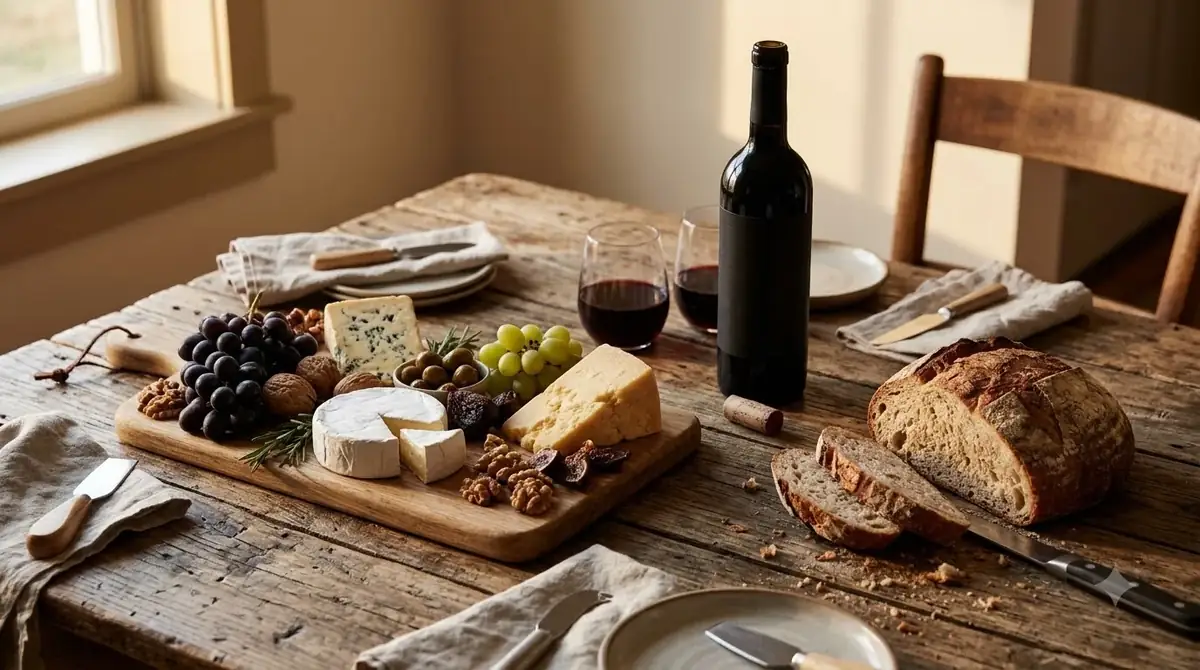
According to the Consorzio Tutela Vini Montefalco, the designated production area includes the entire municipality of Montefalco and portions of Bevagna, Gualdo Cattaneo, Castel Ritaldi, and Giano dell’Umbria. These communities sit among rolling hills, historic settlements, olive groves, and agricultural land. The location places Montefalco within central Umbria, southeast of Perugia and within the broader landscape between Tuscany and the Adriatic side of Italy.
The vineyards generally occupy elevations between 220 and 472 meters above sea level, or approximately 722 to 1,549 feet. These differences in elevation, combined with changing slope angles and vineyard exposures, influence grape ripening and the character of individual wines. Higher sites can experience different temperature patterns from lower parcels, while exposure determines how much sunlight reaches the vines during the growing season.
Montefalco’s climate combines Mediterranean and subcontinental influences. Summers are warm without being consistently arid, while winters are relatively cold. Average summer temperatures range from 18 to 23 degrees Celsius, and average winter temperatures range from 4 to 6 degrees Celsius. Annual rainfall generally falls between 750 and 1,300 millimeters, according to the regional wine consortium.
These conditions support the cultivation of Sagrantino, which needs a sufficiently long growing season to develop ripe fruit and mature tannins. Differences between vineyard sites also give producers opportunities to make wines with varying degrees of concentration, freshness, and structure.
For wine travelers, Montefalco is also an attractive starting point for exploring central Umbria. Nearby Bevagna has a strong connection to traditional agricultural life, while the surrounding countryside offers medieval villages, historic churches, and family-run wineries. Visitors interested in broader Italian wine geography can compare this landscape with the Wine Regions found throughout Europe.
Sagrantino and the Other Important Local Grapes
Sagrantino is the defining grape of Montefalco, but the area’s wine identity depends on several other varieties. Sangiovese is particularly important for Montefalco Rosso, while Trebbiano Spoletino and Grechetto give local producers distinctive white-wine options.
Sagrantino is a native red grape associated especially closely with Montefalco. Its defining characteristic is its substantial tannic structure. The grape produces deeply colored wines with concentrated fruit, considerable body, and a firm texture that can make young examples challenging to drink without suitable food or additional bottle age.
Its aromas and flavors commonly include blackberry, black plum, dark cherry, baking spice, and earthy or balsamic notes. Some wines also show floral characteristics, including rose, alongside herbal and savory impressions. Acidity helps balance the concentration, but tannin remains the most immediately recognizable feature.
Wine Enthusiast describes Sagrantino as a particularly polyphenol-rich grape, helping explain the intense color and firm tannic structure of its wines. This also makes vineyard management and winemaking decisions particularly important because harvesting too early can leave harsh, unripe tannins in the finished wine. Read the publication’s overview of Umbria’s distinctive red wines for additional background on Sagrantino and the region’s other important red varieties.
Sangiovese provides a different expression of the region. It is the principal grape in Montefalco Rosso and contributes red cherry, plum, savory herbs, and lively acidity. Its fruit character and more moderate tannin profile help make blended wines easier to approach than young, pure Sagrantino.
Two white varieties are also important:
- Trebbiano Spoletino: A local white grape known for aromatic complexity, freshness, and versatility. It can produce structured wines with enough character to accompany substantial food.
- Grechetto: An important Umbrian white grape that generally produces wines with a fuller texture, fresh acidity, and savory or orchard-fruit characteristics.
Other authorized grapes, including Colorino and international varieties such as Merlot and Cabernet Sauvignon, contribute to the wider wine production of Umbria. Their importance depends on the individual appellation and producer rather than defining Montefalco’s most distinctive wines.
Montefalco Wine Appellations and Their Differences
Montefalco’s appellations distinguish its major wine styles through grape composition and production requirements. The most important names to recognize are Montefalco Sagrantino DOCG and Montefalco DOC, which covers several red and white wines.
The DOCG designation applies to the region’s most celebrated Sagrantino wines. Montefalco Sagrantino DOCG must contain 100% Sagrantino and comes in two principal styles: Secco and Passito. Secco is the dry red version, while Passito is made from dried grapes to concentrate sugars and flavors before fermentation.
Montefalco Sagrantino Secco has a substantial maturation requirement. It must age for at least 37 months before release, including a minimum of 12 months in oak. This extended period gives the wine time to integrate its powerful tannins and develop additional aromatic complexity. Bottle maturation is also part of the production requirements.
Montefalco DOC includes several wines with different grape compositions. The following overview shows the main distinctions and the minimum or permitted percentages specified by the Consorzio Tutela Vini Montefalco.
| Wine | Grape composition | Style |
|---|---|---|
| Montefalco Sagrantino DOCG | 100% Sagrantino | Structured, dry red |
| Montefalco Sagrantino Passito DOCG | 100% Sagrantino | Traditional sweet red |
| Montefalco Rosso DOC | 60–80% Sangiovese, 10–25% Sagrantino, 0–30% other permitted grapes | Approachable red blend |
| Montefalco Bianco DOC | At least 50% Trebbiano Spoletino | Characterful white |
| Montefalco Grechetto DOC | At least 85% Grechetto | Structured white |
Montefalco Rosso is an especially useful starting point for people unfamiliar with Sagrantino. Its Sangiovese foundation provides recognizable cherry fruit and freshness, while the Sagrantino portion adds color, body, and tannin. The blend can therefore deliver regional character without the full intensity of a 100% Sagrantino wine.
Montefalco Bianco and Montefalco Grechetto offer alternatives for drinkers who prefer white wine. Bianco emphasizes Trebbiano Spoletino, while Grechetto DOC requires a minimum of 85% Grechetto. Both can accompany traditional Umbrian dishes, although their different grape compositions produce distinct aromatic and textural profiles.
These appellations should not be confused with the neighboring Spoleto DOC, which has its own production area and rules. Although the geographical zones overlap in parts of central Umbria, the designations identify different wine categories.
What Montefalco Wines Taste Like and How They Age
Montefalco wines range from powerful, tannic Sagrantino reds to fruit-forward Rosso blends and fresh, structured whites. Their common thread is a strong connection to native grapes and the varied hillside conditions of central Umbria.
Montefalco Sagrantino Secco is generally the most concentrated and demanding wine in the local selection. Its deep ruby color can develop garnet reflections with age. Blackberry, black cherry, plum, spice, and earthy aromas are common, while the palate is defined by substantial tannins and a firm structure.
The combination of fruit concentration, tannin, and acidity makes good examples suitable for extended cellaring. Wine Enthusiast notes that top Sagrantino wines can age for 20 years or longer, depending on the vintage and producer. Young bottles may feel particularly firm, while mature examples can develop more integrated textures and additional savory, dried-fruit, and tertiary aromas.
Montefalco Rosso is usually more immediately accessible. Sangiovese contributes fresh cherry, red plum, and herbal notes, while Sagrantino adds darker fruit and structure. The finished wine can range from medium-bodied to fairly full-bodied, depending on the proportions and winemaking choices. It is generally a better choice for someone who wants an Umbrian red for regular meals rather than a wine intended primarily for long-term cellaring.
The white wines offer another perspective. Montefalco Bianco made with Trebbiano Spoletino can show citrus, orchard fruit, floral notes, and a broad palate. Grechetto often has a more savory profile, with fresh acidity and enough body to work with richer appetizers and traditional pasta dishes.
Sagrantino Passito is a distinctive alternative to the region’s dry reds. Producers select bunches of Sagrantino and dry them on racks for at least two months before fermentation. This process concentrates the grape’s sugars and flavors, resulting in a dessert wine that retains some of Sagrantino’s characteristic structure.
The traditional Passito style is not simply a sweet version of the dry red. It combines concentrated fruit with sweetness, tannin, and a distinctive dry impression on the finish. It can be particularly interesting for people who enjoy Italian dessert wines but want something different from the more familiar sweet white styles.
Producers also experiment with winemaking techniques. Contemporary Sagrantino producers explore different approaches to fermentation and maturation, including the use of alternative vessels and techniques. These choices demonstrate that Montefalco is not limited to one fixed interpretation of its signature grape.
Food Pairings for Montefalco Wines
Montefalco wines are closely connected to the hearty food traditions of Umbria. Dry Sagrantino is particularly suited to grilled meat, braised dishes, game, and aged cheese, while Montefalco Rosso works with pasta, roast meats, and medium-aged cheeses.
The most important pairing principle for Sagrantino is to give its tannins something substantial to work with. Protein-rich meat and dishes containing fat can soften the wine’s drying sensation, making the combination feel more balanced. A young bottle of Sagrantino is therefore generally better alongside a substantial meal than with delicate appetizers.
Consider these regional and broadly compatible combinations:
- Grilled beef: The protein and fat in steak complement Sagrantino’s firm tannins, while the wine’s dark fruit works with the roasted flavors of the meat.
- Braised beef: Slow-cooked meat with rich cooking juices provides the depth and texture needed for a structured Sagrantino.
- Roasted game: Game dishes with herbs and savory sauces complement the grape’s dark fruit and earthy character.
- Aged sheep’s cheese: Firm, mature cheeses offer salt and fat that help soften tannin.
- Stuffed pasta: Montefalco Rosso is a natural partner for filled pasta with meat, tomato, or savory cheese-based sauces.
- Roast pork: The more approachable fruit and acidity of Montefalco Rosso can complement roasted pork and herbs.
White Montefalco wines are useful with a different group of dishes. Trebbiano Spoletino and Grechetto can accompany vegetable antipasti, legumes, risotto, white meats, and seafood. Grechetto’s fuller texture is especially useful with dishes containing olive oil, beans, or creamy sauces.
For dessert, Sagrantino Passito is the natural choice. The consortium recommends aged cheese, dry biscuits, pastries, and dark chocolate. The key is to make sure the dessert is not sweeter than the wine, because excessive sweetness in the food can make the wine seem less balanced.
Tip: Serve young Montefalco Sagrantino with grilled beef, lamb, or aged cheese rather than delicate fish or lightly seasoned vegetables. If the bottle is particularly tannic, decant it for 30–60 minutes before serving to allow the wine to open up.
Avoid pairing a highly tannic Sagrantino with oily fish. The combination can create an unpleasant metallic impression. Very spicy dishes can also make the wine’s alcohol and tannins seem more pronounced, so milder seasoning is usually a better choice.
Serving, Storing, and Choosing Montefalco Wines
Serving temperature and bottle age make a meaningful difference to the experience of Montefalco wines. A structured Sagrantino benefits from a slightly cool serving temperature and appropriate aeration, while whites and Passito should be served cooler to preserve their freshness and balance.
The Montefalco consortium recommends serving dry Sagrantino at 18 degrees Celsius, approximately 64 degrees Fahrenheit. This sits comfortably within the general serving range for full-bodied red wines. Avoid serving it excessively warm, since higher temperatures can emphasize alcohol and make its tannins feel heavier.
Montefalco Rosso can also be served in the light-to-full-bodied red wine range, depending on its structure. A moderately cool temperature around 55–60 degrees Fahrenheit can suit a fresher, more approachable example, while a fuller blend may benefit from approximately 60–65 degrees Fahrenheit.
For Sagrantino Passito, the consortium recommends 12 degrees Celsius, or approximately 54 degrees Fahrenheit. Although this is slightly warmer than some general sweet-wine serving recommendations, it is a useful regional reference point. White wines can generally be served cooler, around 45–50 degrees Fahrenheit for lighter styles and 50–55 degrees Fahrenheit for fuller examples.
When selecting a bottle, consider the following factors:
- Start with the appellation. Choose Montefalco Rosso if you want an accessible introduction, Sagrantino DOCG for a powerful dry red, or Passito for a traditional dessert wine.
- Consider the grape composition. Sangiovese-led blends are generally more approachable, while pure Sagrantino offers more tannic intensity.
- Think about bottle age. Young Sagrantino can be firm and concentrated. Older bottles are often more suitable for drinkers who prefer integrated tannins and developed aromas.
- Match the wine to the meal. A substantial red works best with grilled meats and aged cheese, while the local whites suit lighter dishes and seafood.
- Explore different producers. Vineyard exposure, harvest decisions, fermentation, oak use, and maturation can produce meaningful differences between bottles from the same appellation.
For storage, keep bottles away from direct sunlight and major temperature fluctuations. A cool environment close to 55 degrees Fahrenheit is a useful target for longer-term storage. Bottles with natural cork closures should generally be stored on their sides to keep the cork from drying out.
Once opened, dry still wines generally keep for about three to five days in the refrigerator when properly resealed. Full-bodied Sagrantino may change noticeably during this period, so it is sensible to enjoy the remaining wine while its fruit and structure are still in good balance.
Travelers interested in comparing Montefalco with other distinctive European wine destinations might also explore the Savoie wine region in the French Alps or the Switzerland wine region. These areas provide a useful contrast in grape varieties, climate, and wine traditions.
Frequently Asked Questions
Is Montefalco considered part of Tuscany?
No. Montefalco is in Umbria, a separate administrative region in central Italy. It lies in the province of Perugia, southeast of Tuscany’s border. Its wines reflect Umbrian grape traditions, particularly the native Sagrantino variety.
What does the name Sagrantino mean?
The name is commonly associated with the Italian word for sacred, or sacro. One traditional explanation connects the grape with religious ceremonies and the production of sweet wine. Its precise historical etymology is not definitively established, however.
When did Montefalco Sagrantino receive DOCG status?
Montefalco Sagrantino received DOCG recognition in 1992, following its earlier DOC recognition in 1979. The higher designation recognizes the wine’s specific production area and stricter production requirements. It is among the most important quality designations in Umbrian wine production.
Is Sagrantino used to make rosé wine?
Sagrantino is primarily associated with the region’s structured red wines and traditional Passito. Montefalco’s wider production rules also provide room for different wine categories, but the signature DOCG identity is built around its dry and dried-grape red expressions. Rosé is not the grape’s defining regional style.
What is the best time of year to visit Montefalco wineries?
Late spring through early autumn is a particularly appealing period for exploring the vineyards and surrounding villages. September and October are especially interesting because they coincide with grape harvesting and the transition into autumn. Winery visits should be arranged in advance, particularly during busy harvest periods.
The Montefalco wine region deserves attention for more than its powerful Sagrantino reds. Its Sangiovese-based Rosso, distinctive white wines, and traditional Passito provide several ways to experience the wine culture of Umbria. Whether you choose a young Rosso for dinner or a mature Sagrantino for a special meal, Montefalco offers a distinctive expression of central Italian wine tradition.
More in Wine Regions
 Willcox Wine Trail: Discover Arizona’s High-Elevation Wine CountryUpdated Nov 20, 2026
 Yakima Valley Wine Region: Find the Best Styles to TryUpdated Nov 20, 2026
 Vosne Romanee Wine Tasting: Identify Aromas and Choose Better PairingsUpdated Nov 20, 2026
 Yakima Valley Wine Festival: Find the Best Seasonal Wine EventsUpdated Nov 20, 2026
 Wales Vineyards: Discover Cool-Climate Wines and Where to VisitUpdated Nov 20, 2026
 Yountville Wine Festival: Discover Napa Wines and Local FoodUpdated Nov 20, 2026